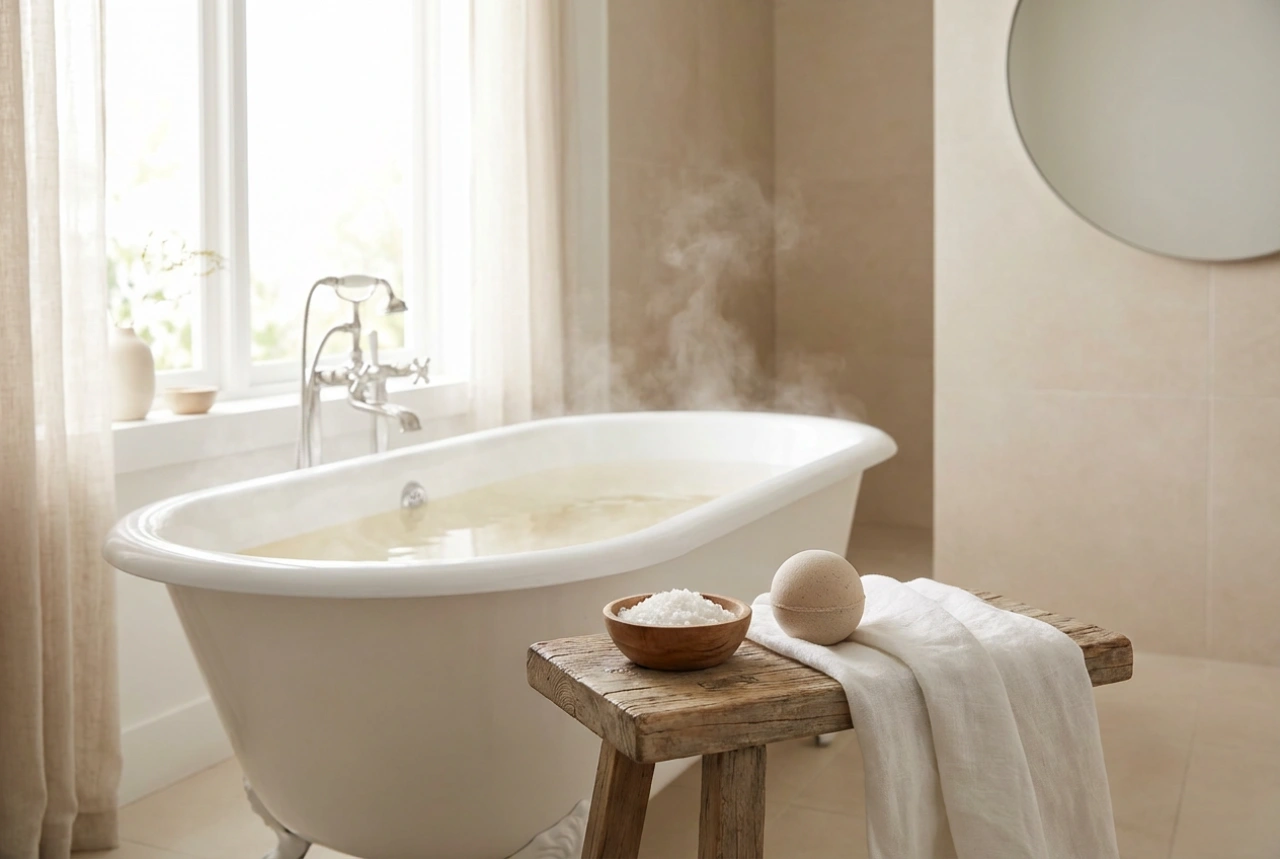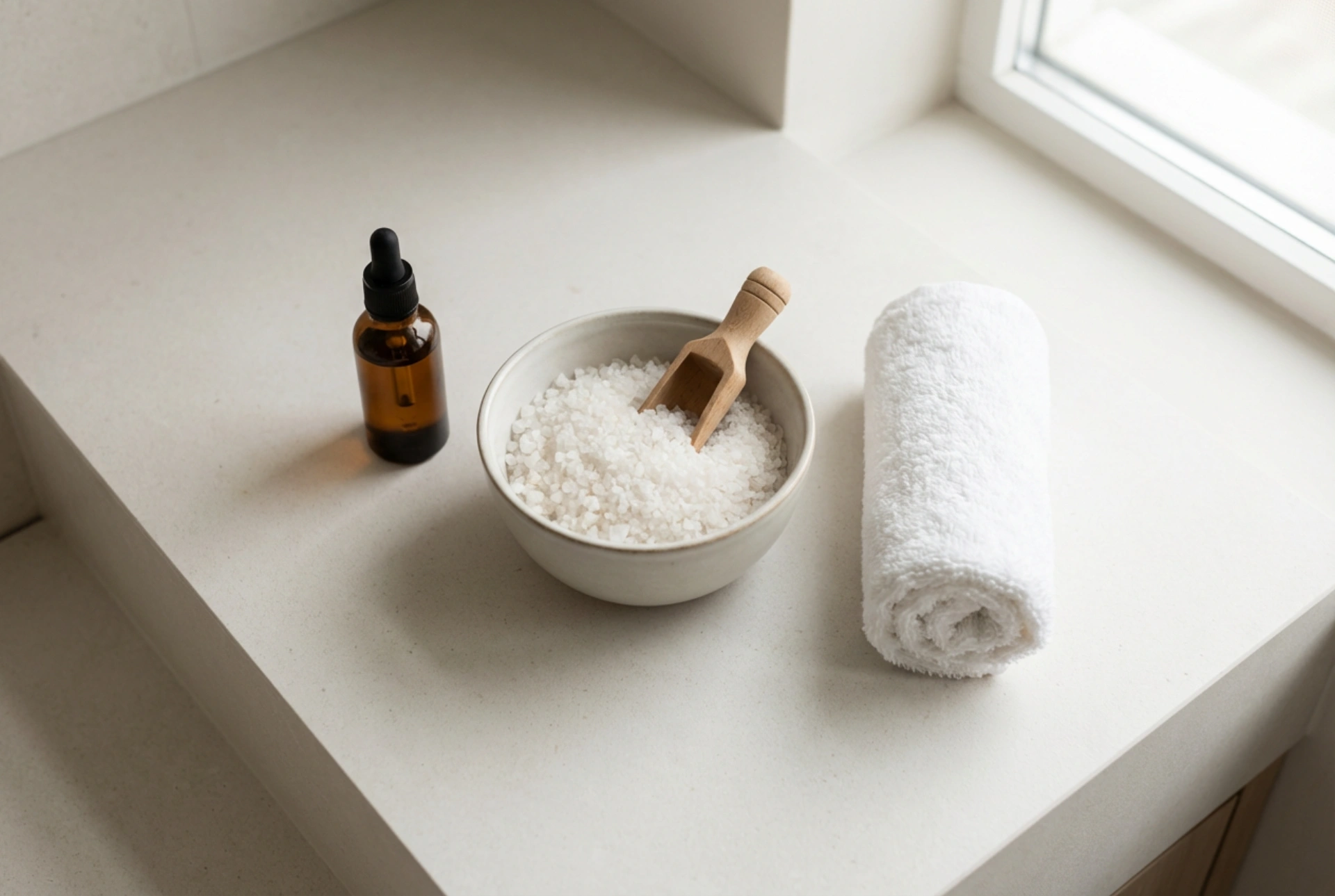


Creating a spa-like sanctuary in your own bathroom is a wonderful way to unwind and dedicate time to self-care. A salt bath is one of the simplest yet most effective rituals for promoting relaxation and caring for your skin. Inspired by the serene image of bath salts in a ceramic bowl, a soft towel, and gentle lighting, let's explore how to prepare the perfect salt bath, from the right proportions to the essential post-soak skincare.
Choosing the Right Salt for Your Bath
Before you begin, it's helpful to know which type of salt to use. Different salts offer various experiences, but all can contribute to a relaxing soak. The most common options for bathing are Epsom salt, Himalayan salt, and sea salt. Epsom salt is not technically a salt but a naturally occurring mineral compound of magnesium and sulphate. It is highly regarded for its ability to soothe tired muscles and promote a sense of calm. Himalayan pink salt is cherished for its rich mineral content and beautiful colour, which can turn your bathwater a pale, inviting shade of pink. Sea salt, harvested from evaporated seawater, is another excellent choice known for its skin-softening properties. When selecting a salt, opt for one that is natural and free from artificial fragrances or colours to ensure a pure and gentle experience.
How to Prepare the Perfect Salt Bath: A Step-by-Step Guide
Creating your bath is a straightforward process. Following these steps ensures the salt dissolves properly and you get the most out of your soak. The key is in the preparation and creating a tranquil environment.
Step 1: Measure the Proportions
For a standard-sized bathtub, a general guideline is to use between one and two cups of your chosen salt. This equates to roughly 10 to 20 tablespoons. If you are new to salt baths, it's wise to start with a smaller amount, such as half a cup, and see how your skin responds. You can gradually increase the quantity in future baths. For a foot soak in a small basin, one or two tablespoons of salt is usually sufficient.
Step 2: Dissolve the Salt Correctly
To ensure the salt crystals dissolve completely and are evenly distributed, pour them directly under the stream of running warm water as you fill the tub. The force of the water will help to break down the crystals. The ideal water temperature should be comfortably warm, not excessively hot, as very hot water can strip the skin of its natural oils and lead to dryness. Once the tub is filled, give the water a gentle swirl with your hand to dissolve any remaining granules.
Step 3: Enhance Your Bath (Optional)
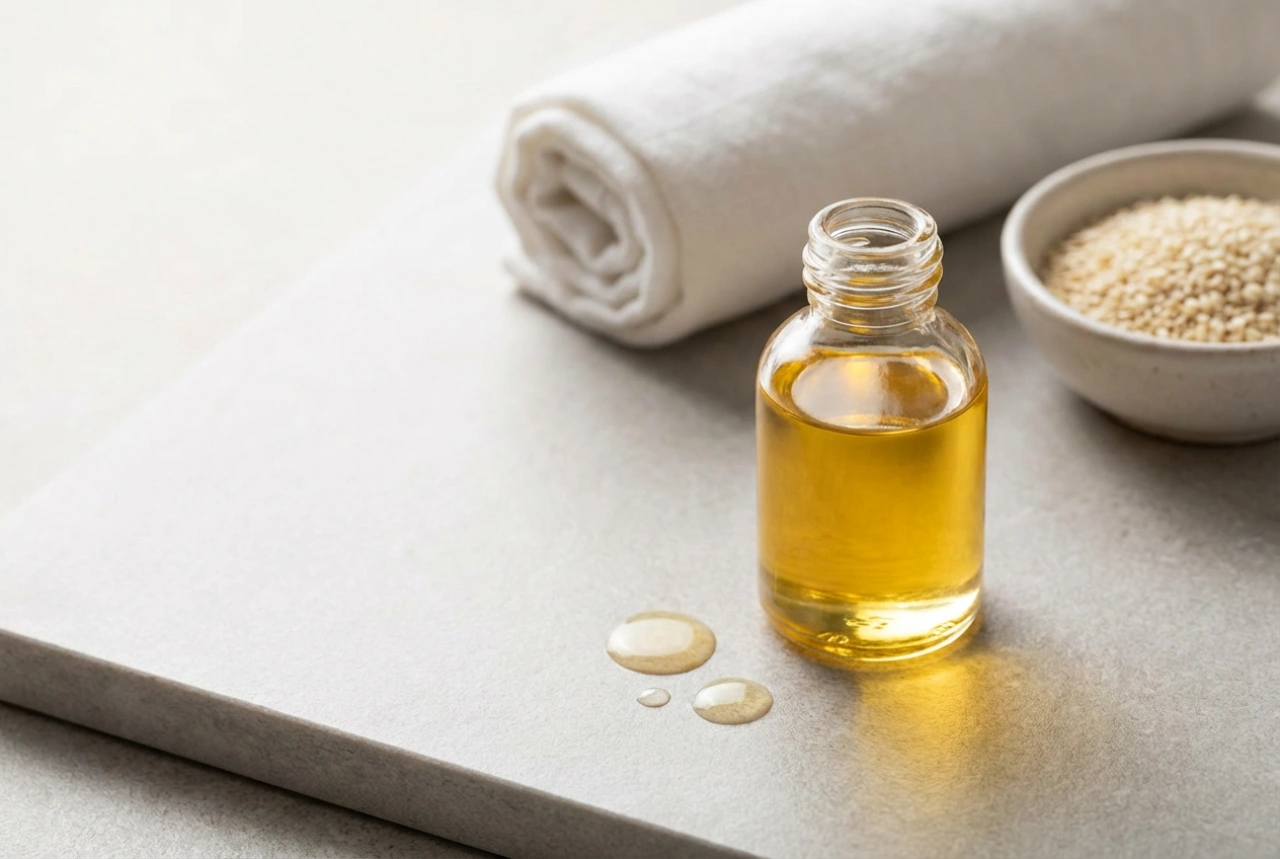
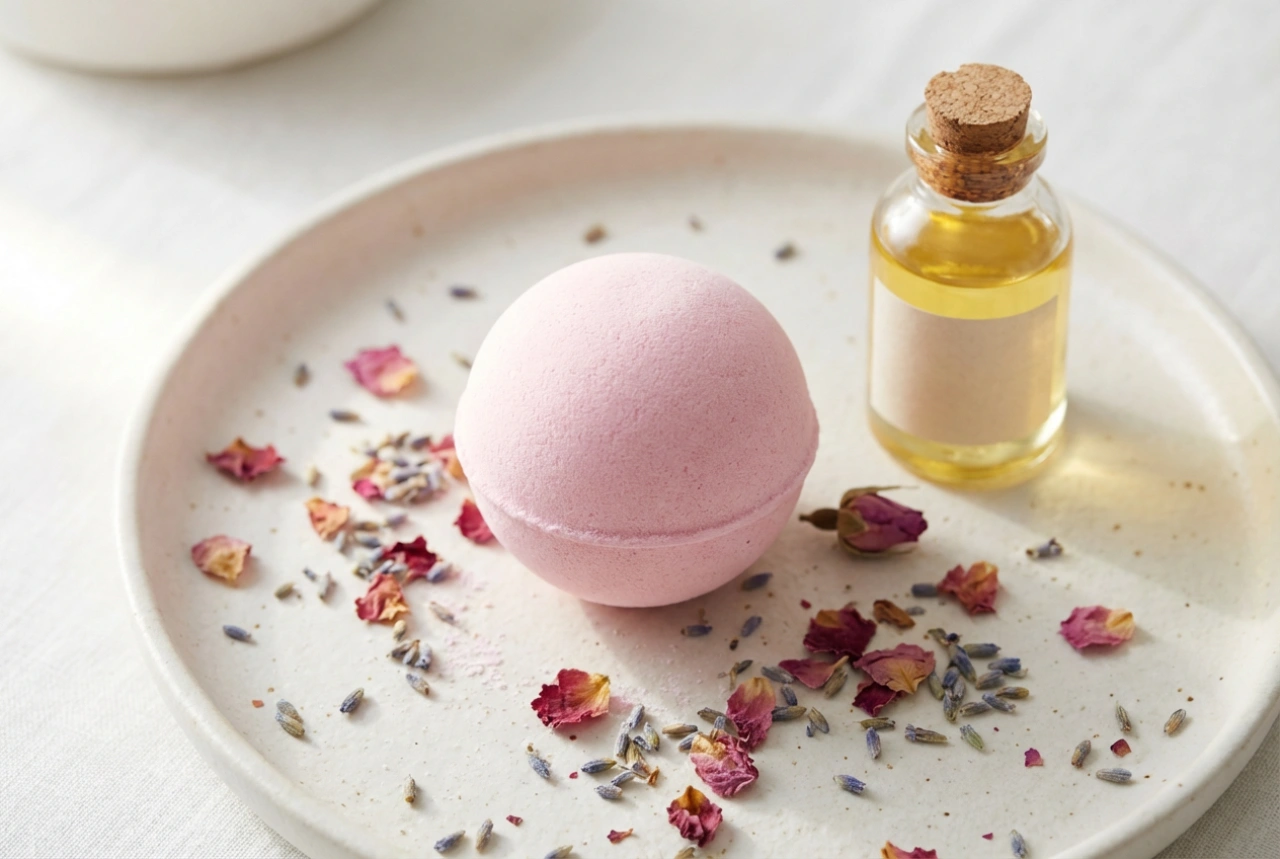
To elevate your bathing ritual, consider adding a few enhancements. A few drops of a calming essential oil, such as lavender, chamomile, or ylang-ylang, can introduce a soothing aromatherapy element. It is crucial to mix essential oils with a carrier oil—like jojoba, sweet almond, or even olive oil—before adding them to the water. This ensures they disperse properly and do not irritate the skin. You can also add natural elements like dried flower petals or herbs for a visually beautiful and fragrant experience.
Post-Bath Skincare Routine
What you do after your salt bath is just as important as the soak itself for maintaining soft, healthy-looking skin. This final stage helps to lock in moisture and complete the relaxing ritual.
Step 1: Rinse and Dry
Once you've finished your 15-20 minute soak, it's a good idea to have a quick rinse under a lukewarm shower. This helps to wash away any salt residue that may be left on your skin. Afterwards, gently pat your skin dry with a clean, soft towel. Avoid vigorous rubbing, as this can cause irritation to freshly bathed skin.
Step 2: Moisturise Immediately
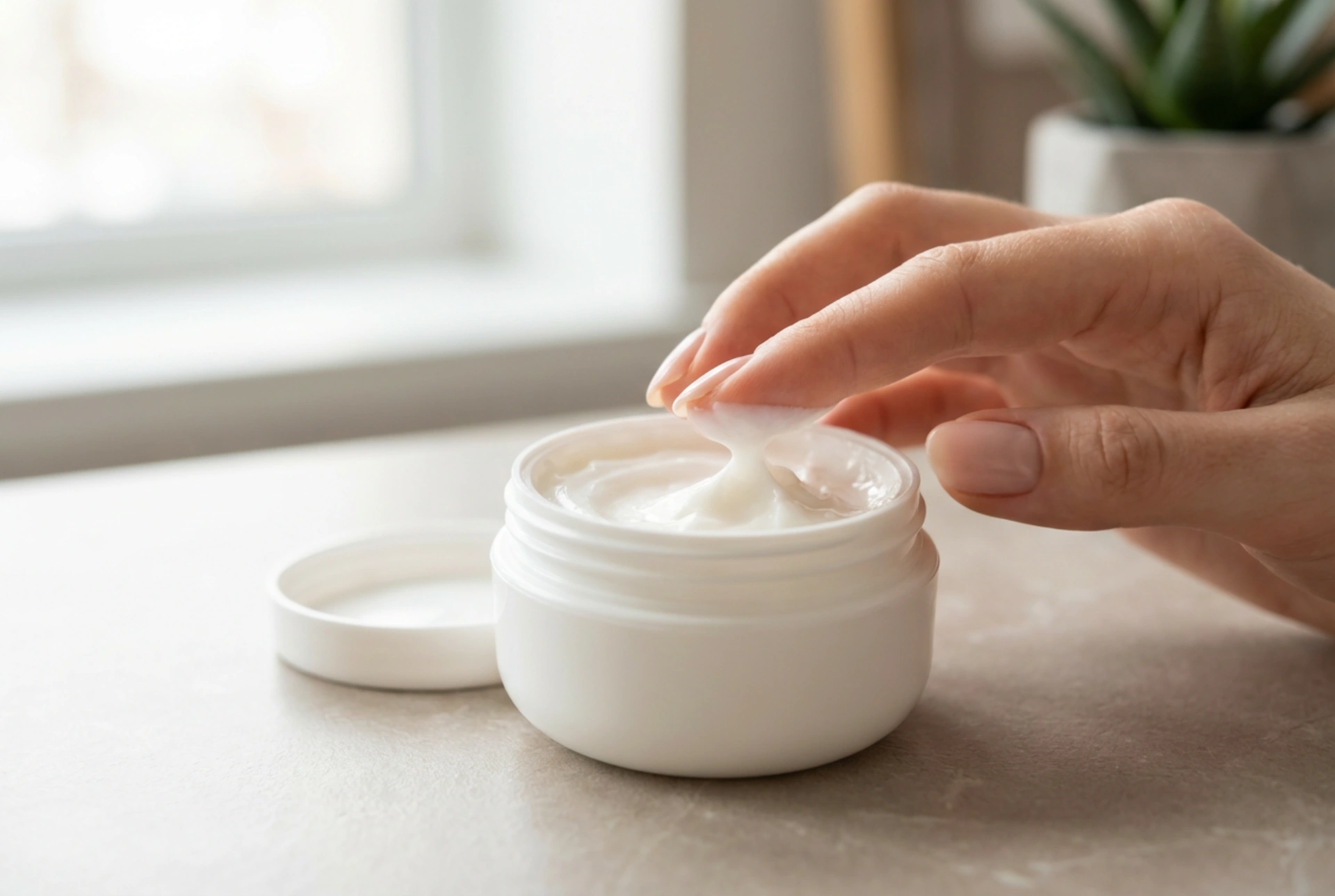
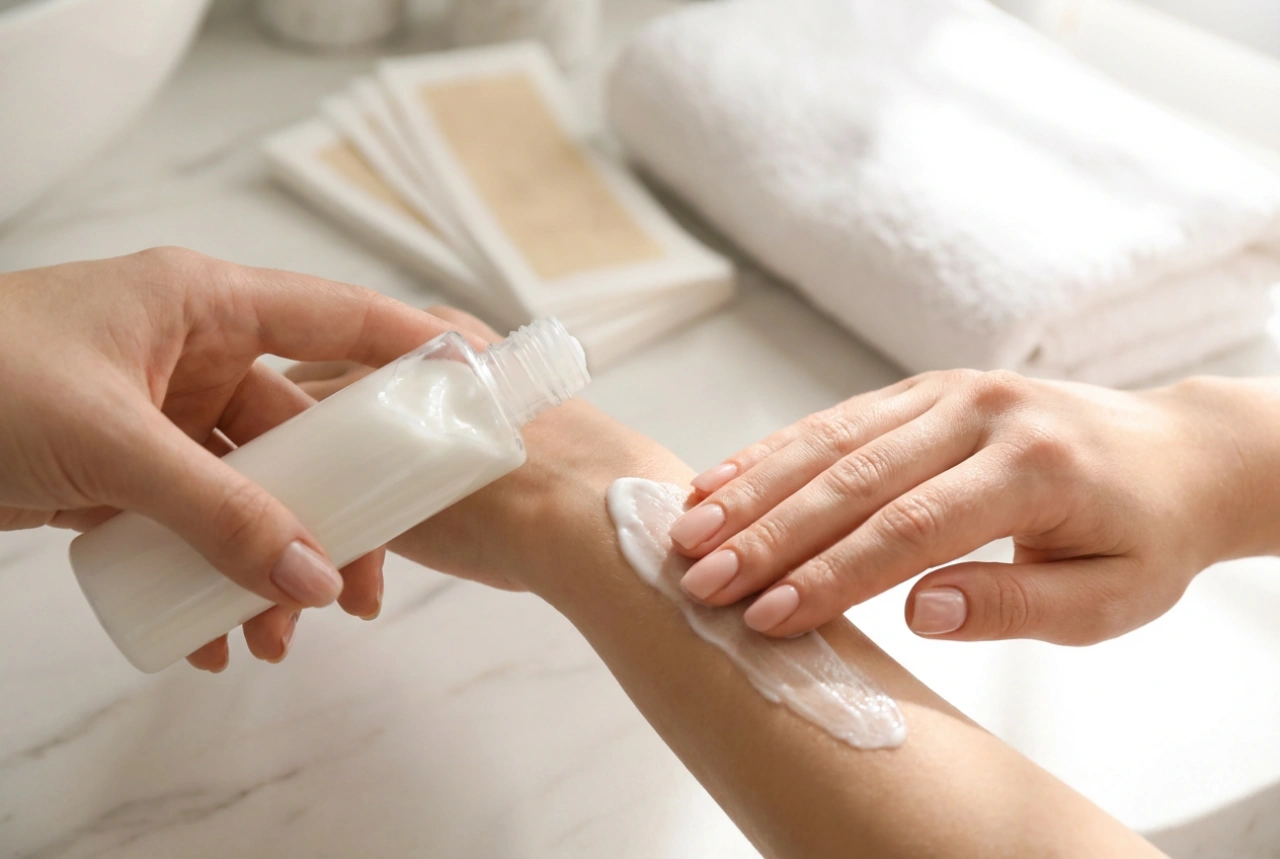
The most critical step in your post-bath routine is to moisturise. While your skin is still slightly damp, apply a generous amount of a hydrating body lotion, cream, or natural body oil. This helps to replenish the skin's moisture barrier and seal in the hydration from the bath, leaving your skin feeling supple and smooth. Pay special attention to areas that tend to be drier, like elbows, knees, and feet.
Step 3: Rehydrate Internally
A warm bath can be slightly dehydrating for the body. To complete your wellness ritual, drink a glass of water after your bath to help rehydrate from the inside out. This simple step supports your body's overall well-being and enhances the refreshing feeling of your home spa treatment.