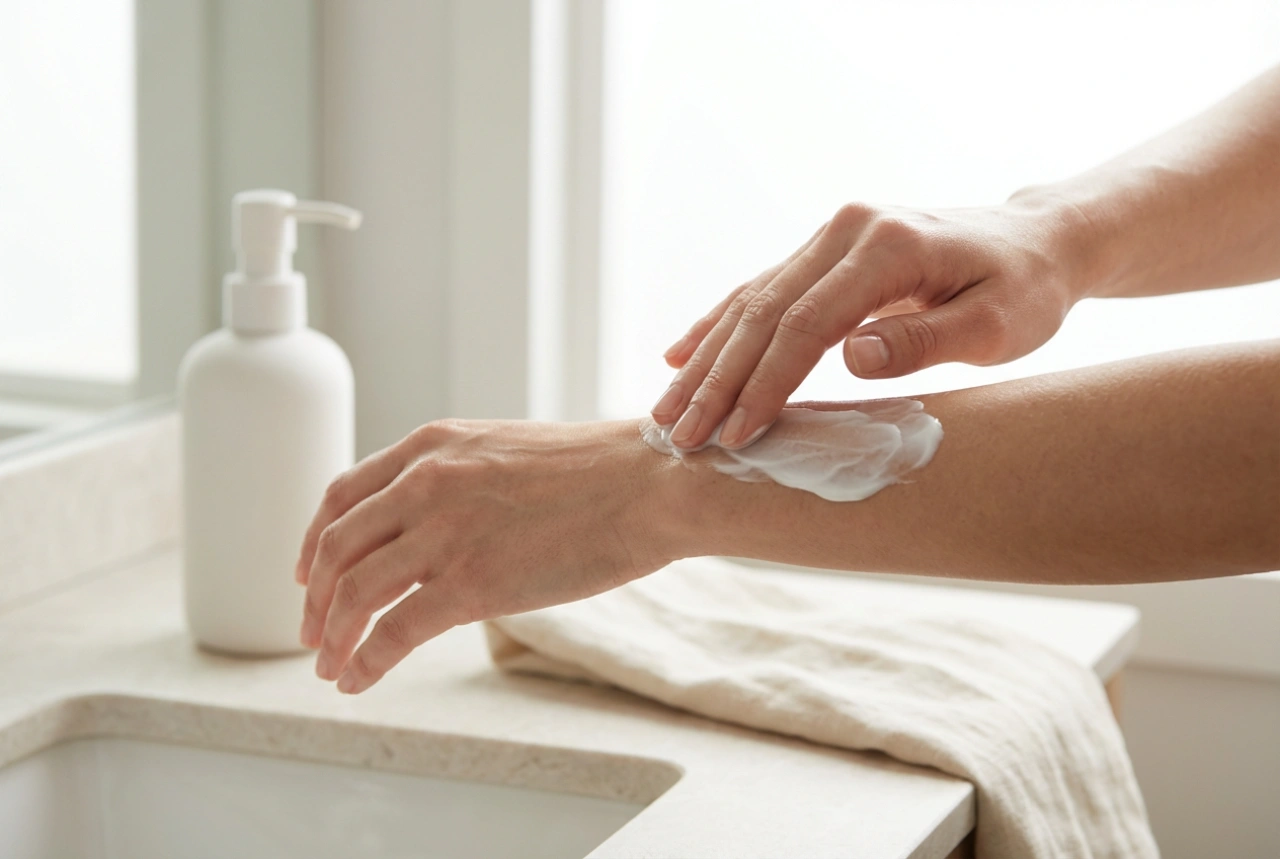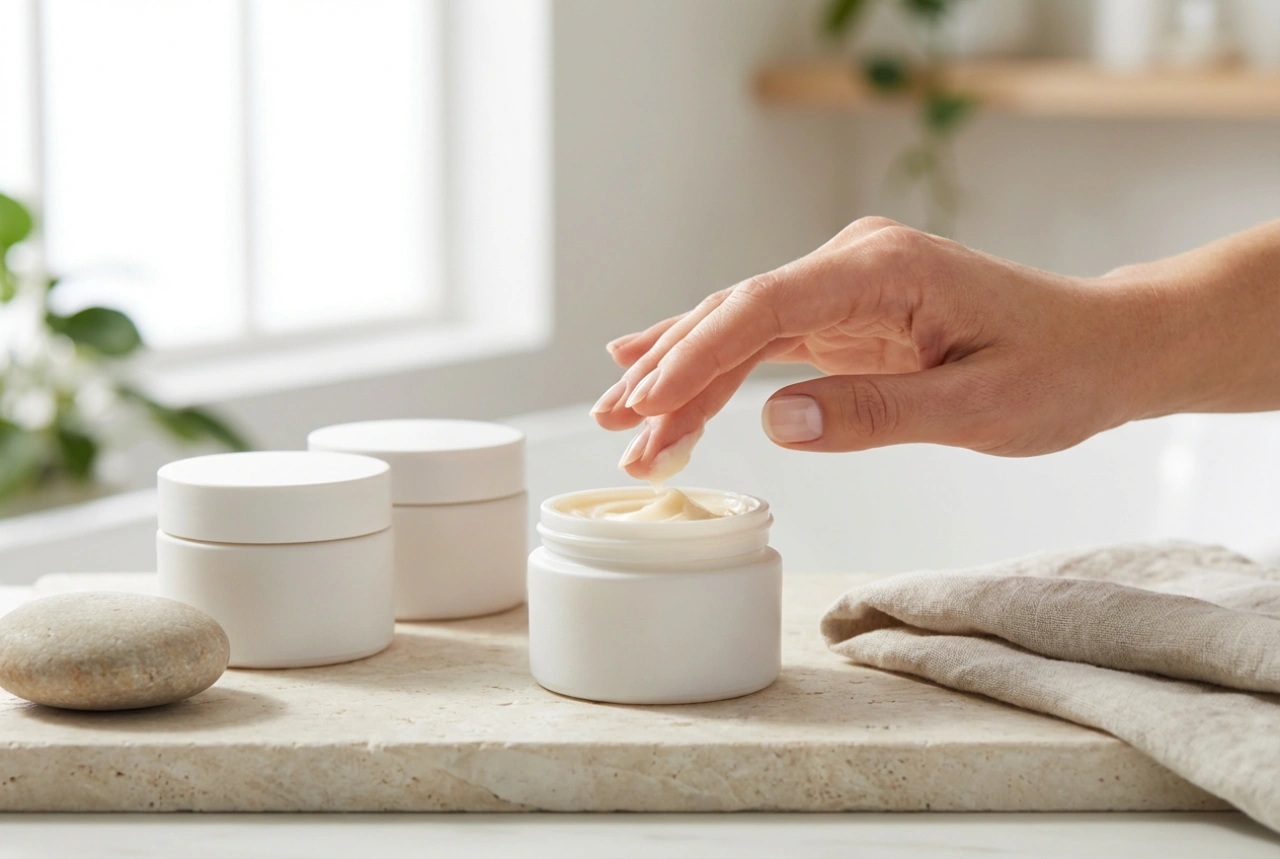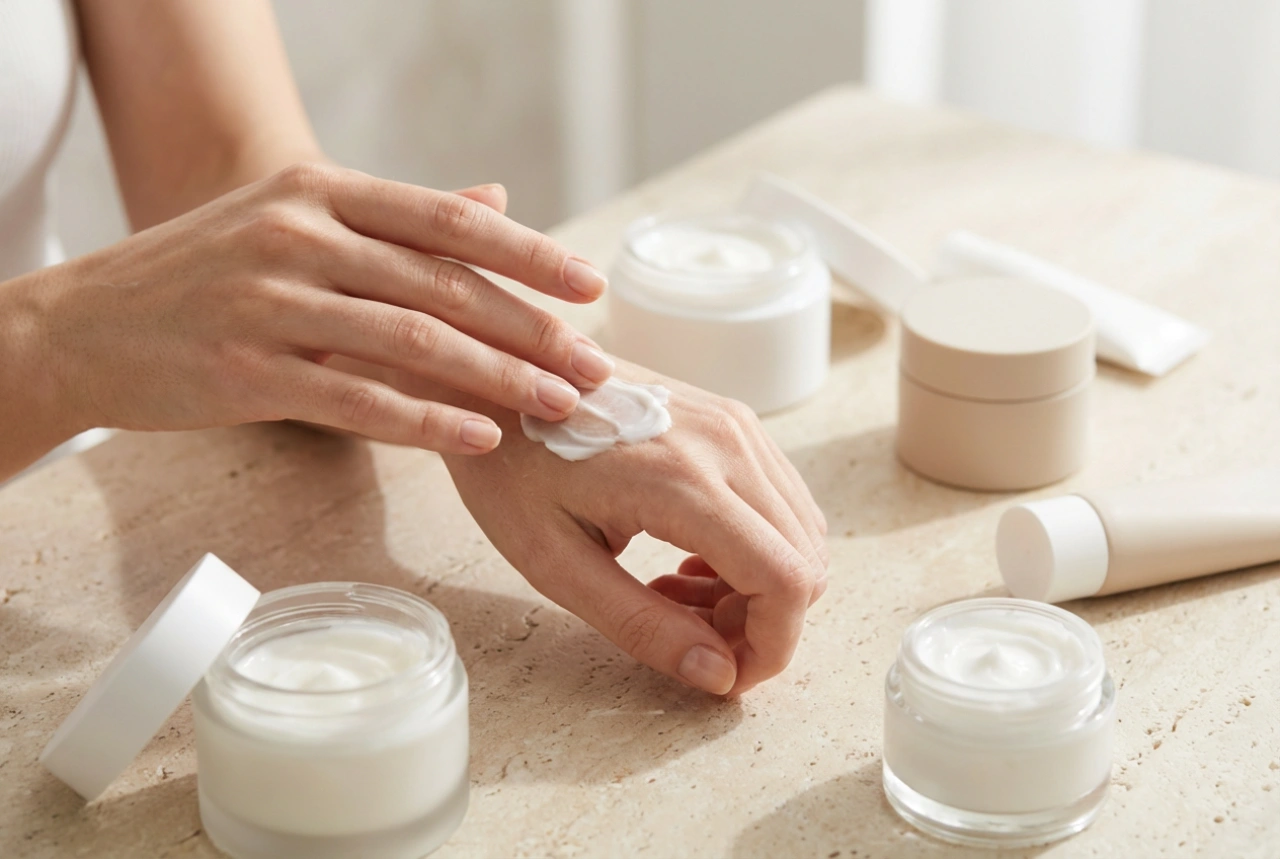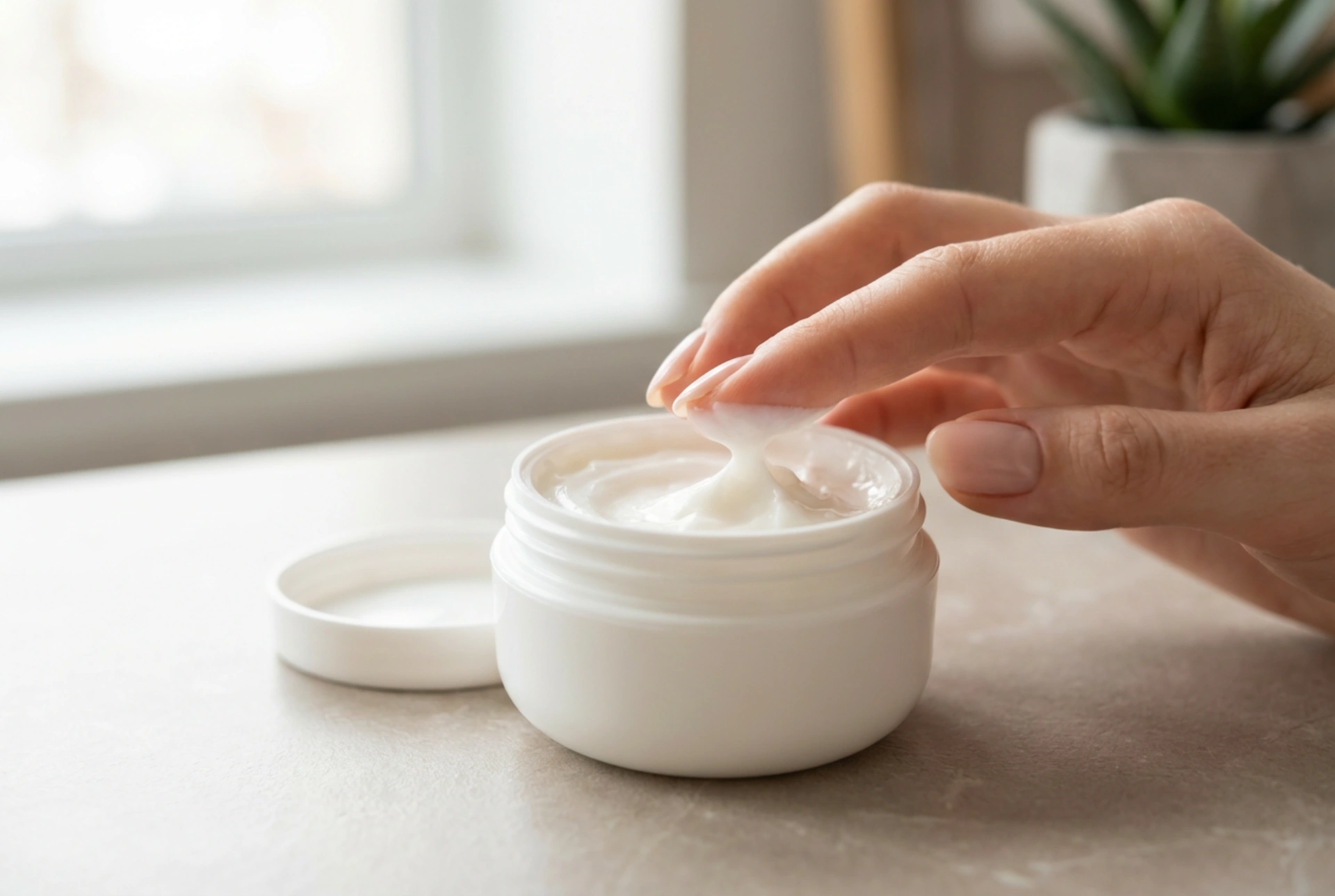


A good moisturising balm can be a true saviour for skin in need of deep, lasting hydration. Its rich, creamy texture often signifies a concentrated formula designed to protect and nourish. Unlike lighter lotions or creams, balms provide an intensive barrier, making them an essential part of a comprehensive skincare ritual, especially for those with dry or dehydrated skin. Understanding what makes a balm effective and how to use it correctly can transform your complexion, leaving it soft, supple, and resilient.
Key Ingredients in an Effective Moisturising Balm
The efficacy of a moisturising balm lies in its composition. These formulas are typically anhydrous (water-free) or contain very little water, focusing instead on a blend of lipids and oils that offer superior hydration and protection. When choosing a balm, look for a combination of these key ingredient types.
Humectants
While less common in traditional anhydrous balms, some modern formulas incorporate humectants. These ingredients attract water from the deeper layers of the skin and the environment, drawing it to the surface. Common examples include glycerin and hyaluronic acid. They provide an initial boost of hydration that is then sealed in by other ingredients.
Emollients
Emollients are the heart of any balm. They work by filling in the gaps between skin cells, smoothing the skin's surface and improving its texture. This makes the skin feel softer and more pliable. Many emollients also have nourishing properties. Look for natural butters and oils such as shea butter, cocoa butter, mango butter, jojoba oil, almond oil, and squalane.
Occlusives
Occlusives are what give balms their signature protective quality. They form a physical barrier on the skin's surface that prevents transepidermal water loss (TEWL), effectively locking in moisture. This barrier also shields the skin from external irritants and harsh weather. Common occlusive agents include beeswax, lanolin, and certain types of silicones like dimethicone.
How to Incorporate a Moisturising Balm into Your Skincare Routine
The placement of a balm in your routine is crucial for maximising its benefits. Due to its heavy, occlusive nature, it should almost always be the final step in your evening skincare regimen. Applying it last ensures that it seals in all the lighter products you've applied beforehand, like serums and essences.
An Example Evening Routine
Here is a simple order of application for an evening routine that includes a balm:
- Step 1: Cleansing: Start with a clean canvas by thoroughly removing makeup, dirt, and impurities.
- Step 2: Toning (Optional): Apply a hydrating toner to balance the skin's pH and add a first layer of moisture.
- Step 3: Serums: Apply any water-based serums. These typically contain active ingredients that target specific concerns.
- Step 4: Lighter Moisturiser (Optional): If your skin is extremely dry, you might layer a lighter lotion before the balm. For most, the balm is sufficient.
- Step 5: Moisturising Balm: Take a small amount and apply it as the final, protective layer.
During the day, a balm may feel too heavy for many skin types, and it can interfere with makeup application. However, individuals with very dry skin or those living in harsh, cold climates might benefit from a very thin layer. If you use it in the morning, remember that sunscreen is always the very last step, applied after the balm has had a moment to absorb.
Techniques for Better Absorption and Effectiveness
Applying a balm correctly can significantly enhance its performance. Because of their dense texture, a little technique goes a long way in ensuring the product melts into the skin rather than just sitting on top of it.
Apply to Damp Skin
For a major hydration boost, apply your balm to slightly damp skin. This can be right after a shower or after spritzing your face with a hydrating mist. The occlusive layer of the balm will lock in that extra water, leading to plumper, more hydrated skin.
Warm the Product First
Balms are often solid at room temperature. To make application smoother, scoop a small, pea-sized amount with a clean finger or spatula and warm it between your fingertips. This emulsifies the product, transforming it into a silky oil that glides effortlessly onto the skin.
Pat, Don't Rub
Instead of rubbing the balm into your skin, which can cause friction and irritation, gently pat or press it on. This technique encourages absorption without pulling at the skin, and it is particularly beneficial for the delicate area around the eyes. Use a gentle, upward pressing motion across your face, neck, and décolletage.
When to Use a Moisturising Balm
A moisturising balm is a versatile product that can be used in various situations:
- As an overnight treatment: Apply a generous layer before bed to allow it to work its magic while you sleep. You will wake up with noticeably softer and more nourished skin.
- For targeted care: Use it to treat specific dry patches on the face or body, such as flaky areas around the nose, chapped lips, rough elbows, knees, and cuticles.
- As a protective barrier: Before heading out into cold, windy weather, apply a thin layer to exposed skin to prevent it from becoming dry and chapped.
- For post-sun care: After mild sun exposure, a soothing balm can help to replenish lost moisture and comfort the skin.