

Body oils have become a staple in daily self-care routines, offering deep nourishment and a healthy, radiant glow. However, to get the absolute best results from these botanical elixirs, understanding the correct application technique is essential. The way your skin absorbs the active ingredients depends heavily on whether you apply the product to damp or dry skin. By mastering a few simple rules, you can transform your daily hydration routine into a highly effective, luxurious ritual that leaves your skin feeling incredibly soft and smooth.
The Science of Moisture: Wet vs. Dry Application
The primary function of a body oil is to act as an occlusive barrier. Unlike lotions or creams, which contain a high percentage of water, pure oils do not introduce new moisture into the skin. Instead, their main purpose is to lock in the existing moisture and prevent transepidermal water loss. When you understand this fundamental mechanism, the debate between wet and dry application becomes much clearer.
Applying Oil to Wet Skin
Applying oil directly after a shower or bath, while your skin is still damp, is widely considered the most effective method for deep hydration. When your skin is wet, the water molecules on the surface are trapped by the oil. This creates a temporary emulsion that mimics the skin's natural hydrolipid barrier. The benefits of this method include:
- Maximum Hydration: The oil seals in the water that has just been absorbed by your skin during bathing.
- Better Spreadability: A small amount of oil glides effortlessly over damp skin, meaning you use less product.
- Faster Absorption: The warm, open pores of post-shower skin absorb the lightweight oil blend much quicker, leaving less greasy residue.
Applying Oil to Dry Skin
While damp application is ideal for hydration, using body oil on completely dry skin has its own specific purposes. This method is highly effective when you want to achieve a highlighting effect or need targeted nourishment on extremely rough areas. Key aspects of dry application include:
- Surface Protection: It creates a strong protective shield against harsh environmental factors like cold wind or dry indoor air.
- Aesthetic Glow: Applying a small amount to dry collarbones, shoulders, or shins adds a beautiful, subtle sheen that catches the light.
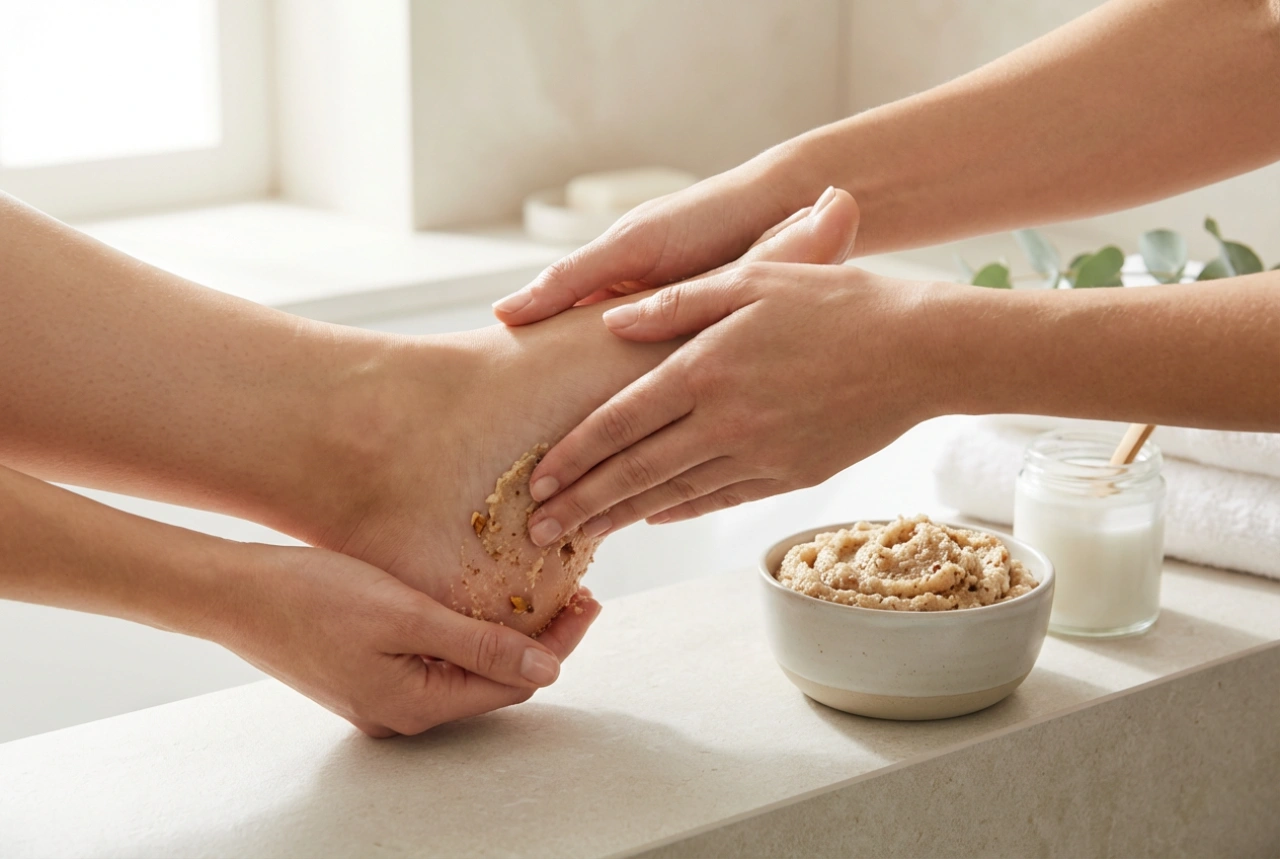
- Targeted Softening: It works exceptionally well for dry patches on elbows, knees, and heels that require a concentrated barrier.
Step-by-Step Guide to Perfect Application
To elevate your body care routine, follow these easy steps to ensure your skin receives the ultimate benefit from your chosen body oil without any heavy or sticky residue.
Step 1: Gentle Cleansing
Always start with clean skin. Wash your body with a mild, non-drying body wash to remove impurities, sweat, and dead skin cells that could block the oil from bonding with the skin surface.
Step 2: The Half-Dry Technique
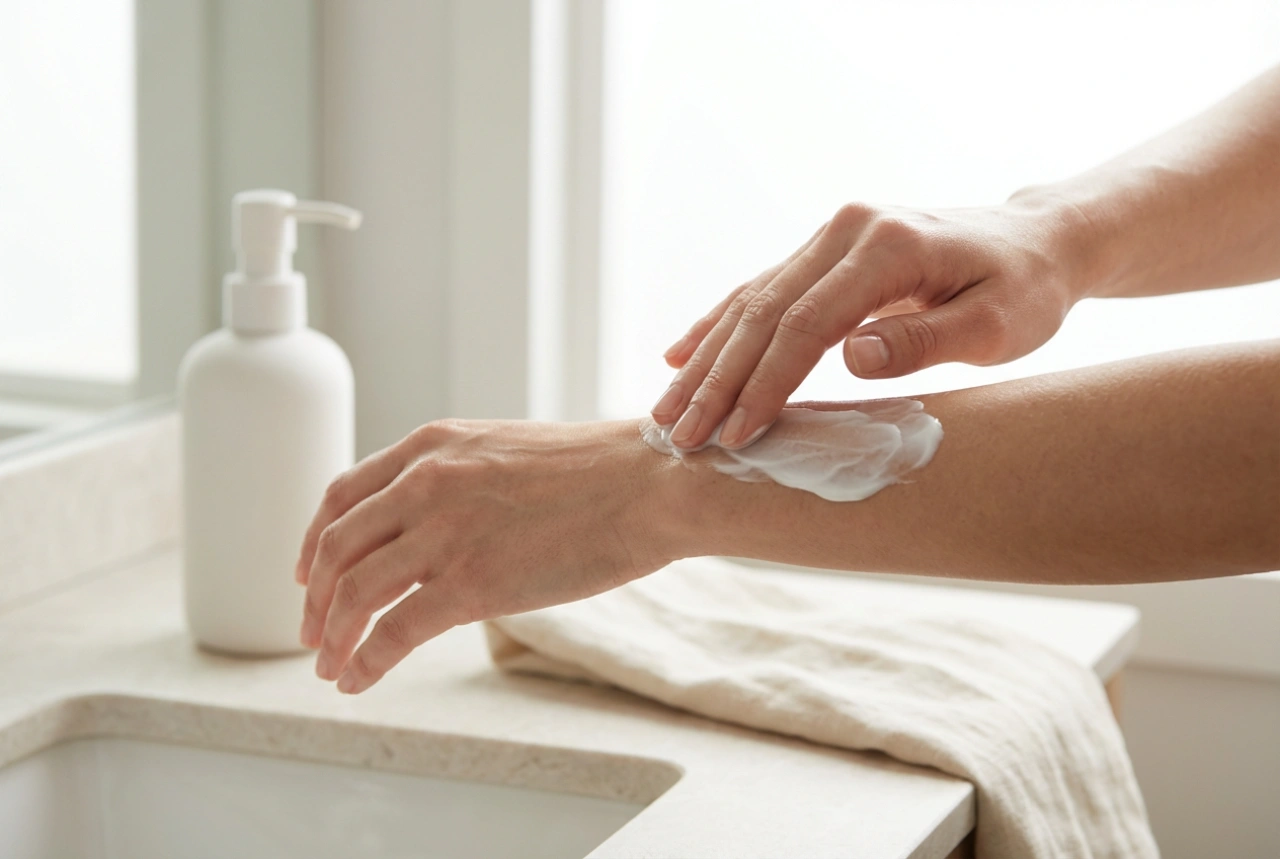
After stepping out of the shower, do not rub your skin aggressively with a towel. Instead, gently pat yourself down, leaving a thin layer of moisture on your skin. Your skin should feel damp, not dripping wet.
Step 3: Warm the Oil
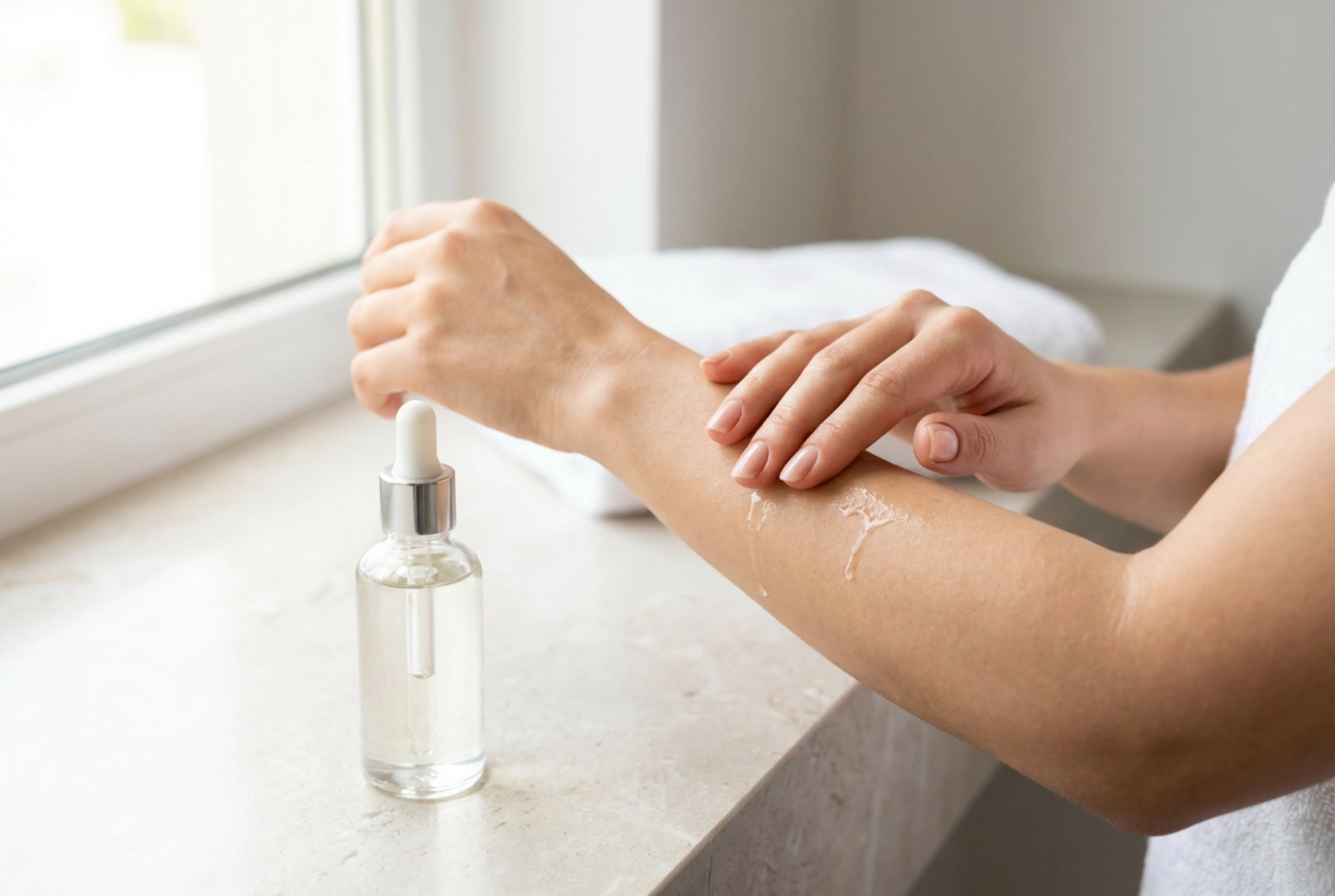
Pour a few drops of body oil into the palms of your hands and rub them together. Warming the oil to your body temperature enhances its flowability and makes the application process feel much more relaxing.
Step 4: Massage Inward
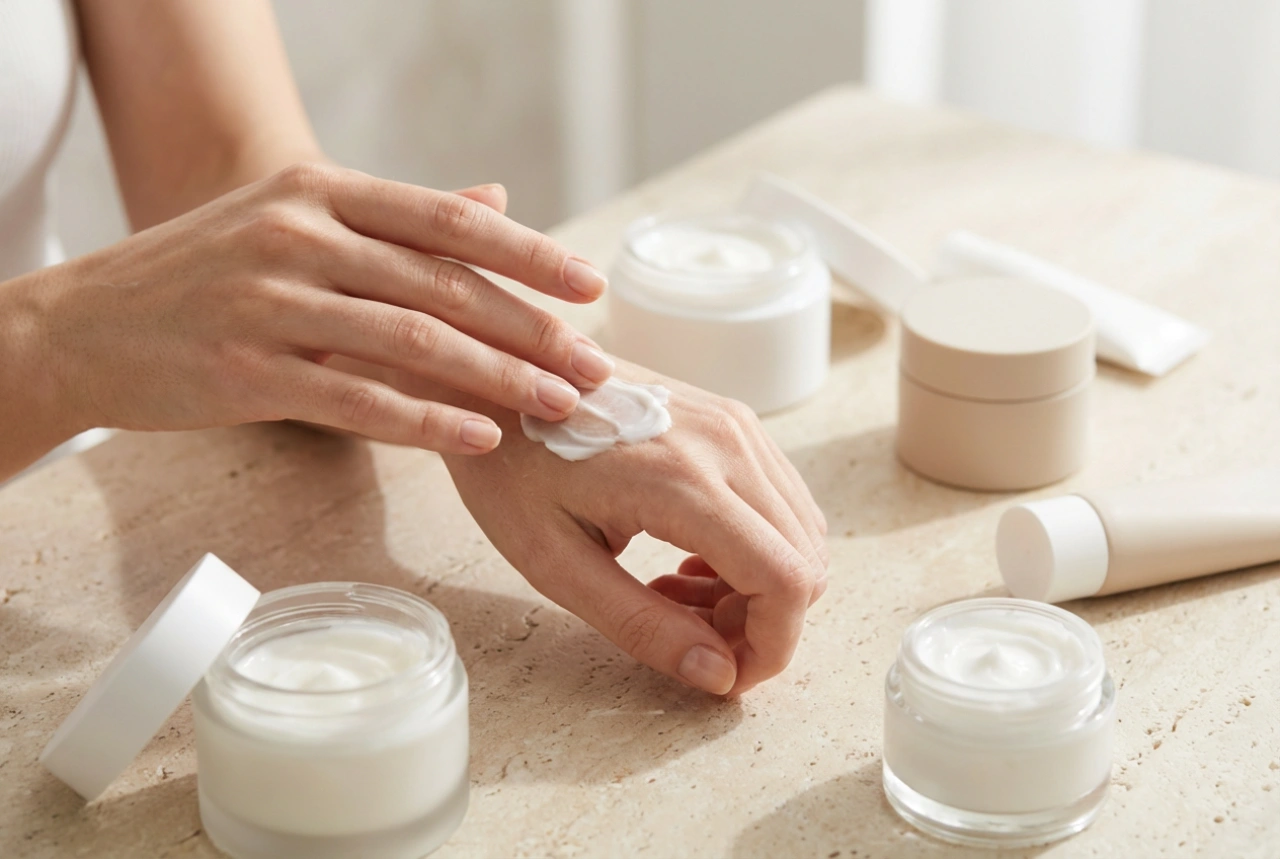
Apply the oil using gentle, circular massaging motions, moving from your ankles upwards towards your heart. This technique not only ensures even distribution but also stimulates local circulation, promoting a healthy skin tone.
Choosing the Right Oil for Your Skin Type
Not all oils are created equal, and selecting one that complements your skin type is key to achieving a balanced complexion. For dry and demanding skin, richer oils like avocado or sweet almond oil provide intense nourishment. If you have oily or breakout-prone skin, lighter, non-comedogenic oils such as jojoba or squalane are excellent choices because they closely resemble the skin's natural sebum and absorb rapidly without clogging pores.