

Incorporating a face mask into your weekly routine is more than just a moment of self-care; it's a powerful way to deliver a concentrated dose of beneficial ingredients directly to your skin. Whether you're using a creamy, purifying formula or a hydrating gel, the right application and removal technique can make all the difference. Understanding how to use a mask effectively ensures you get the maximum benefit, leaving your complexion looking refreshed, revitalised, and radiant.
When Should You Use a Face Mask?
Face masks are best used as a supplement to your daily skincare routine, not a replacement for it. They are designed to address specific skin concerns and provide a temporary but significant boost. Consider using a mask one to three times per week, depending on your skin type and the mask's intensity. Listen to your skin; if it feels dry, reach for a hydrating mask. If it seems congested and oily, a purifying clay mask might be the answer. A mask is also a perfect preparatory step before a special event to give your skin an extra glow, or as a relaxing ritual to de-stress at the end of a long week.
Choosing the Right Type of Mask for Your Skin
The variety of face masks available allows you to tailor your treatment to your skin's current needs. The key is to identify what your skin is asking for.
Clay and Mud Masks
Ideal for normal, combination, and oily skin types, clay and mud masks excel at drawing out impurities, absorbing excess sebum, and minimising the appearance of pores. Ingredients like bentonite or kaolin clay work to deeply cleanse the skin, leaving it feeling clarified and smooth. They are particularly beneficial when your skin feels congested or looks dull.
Cream and Gel Masks
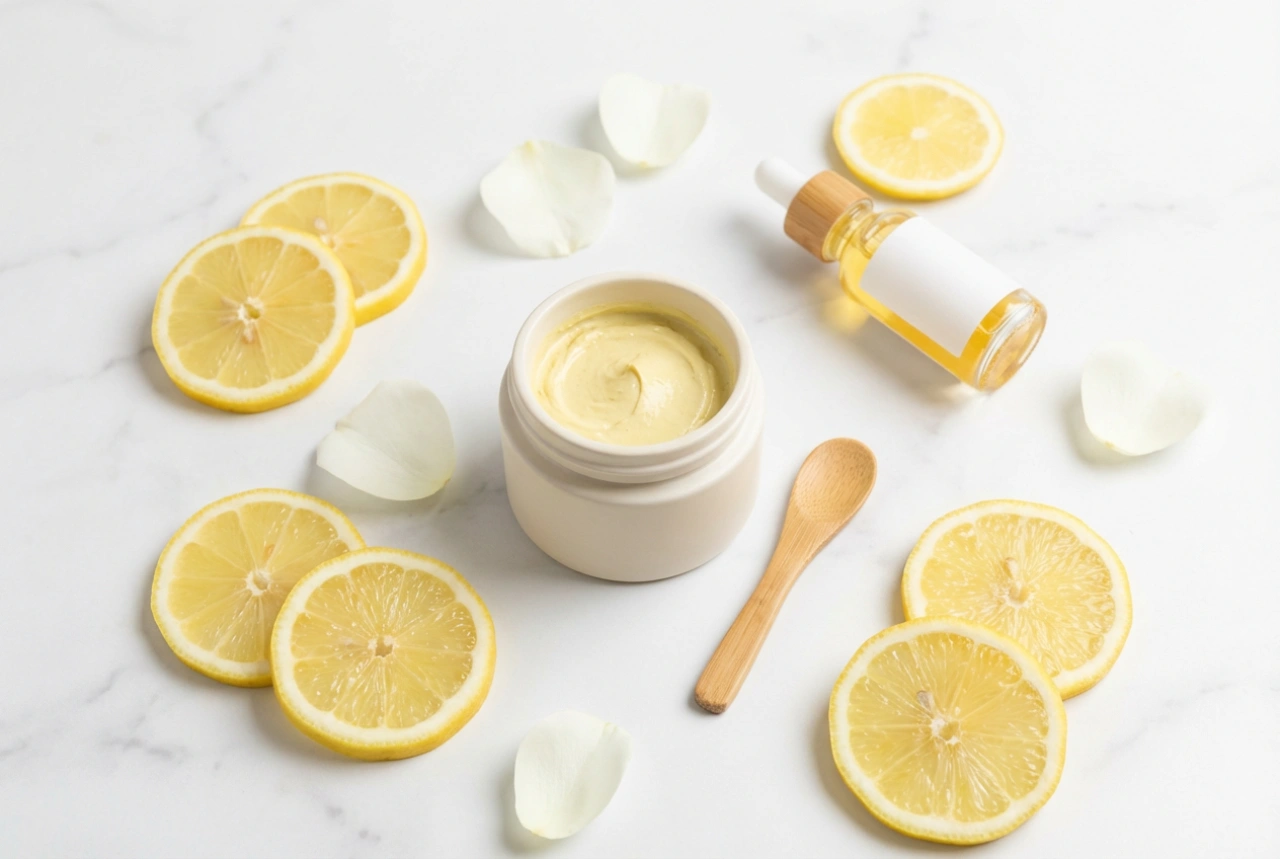
If your skin is dry, dehydrated, or sensitive, cream and gel masks are your best friends. Cream-based masks are often rich in oils and emollients that provide deep nourishment and hydration. Gel masks, on the other hand, are typically lightweight and have a cooling effect, delivering water-based hydration and soothing ingredients to calm redness and irritation. They are perfect for replenishing lost moisture.
Sheet Masks
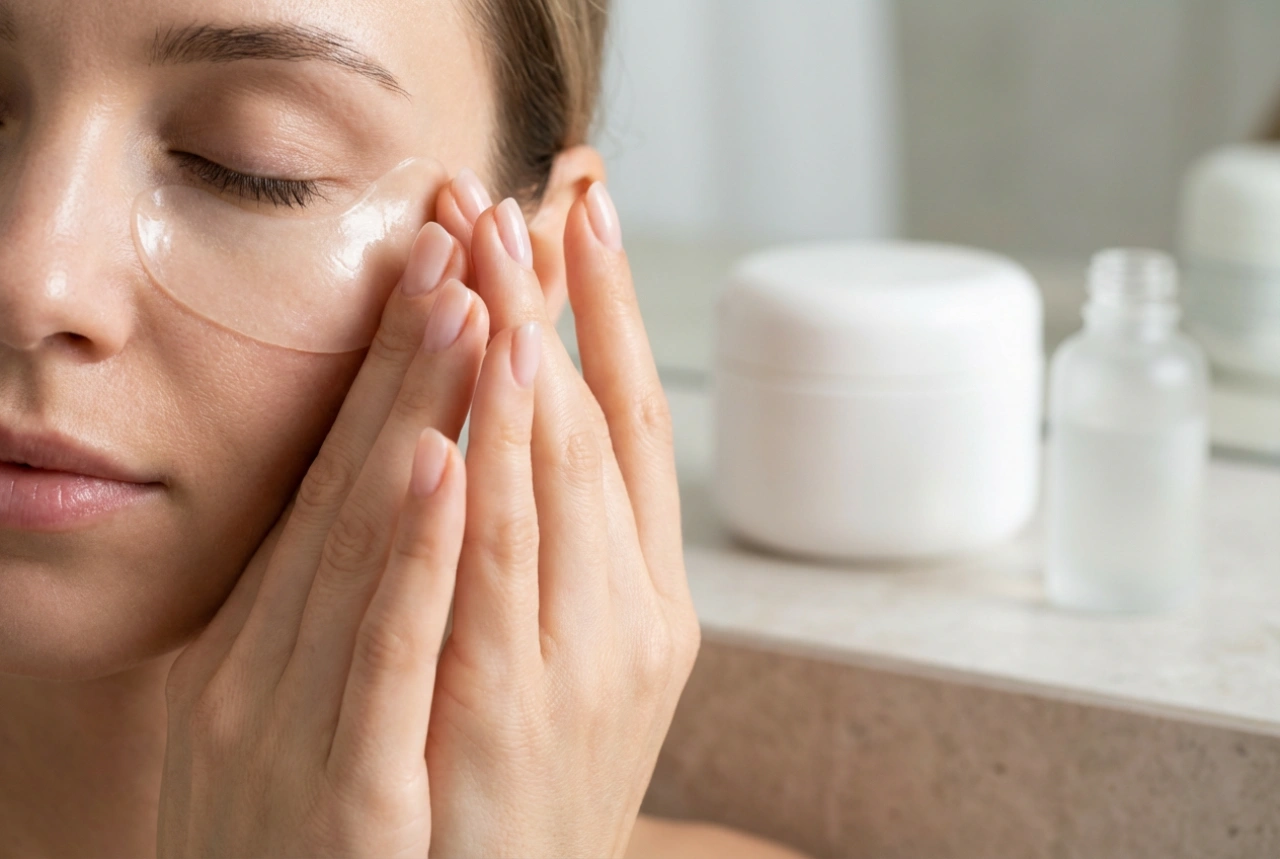
Originating from Korean beauty trends, sheet masks are single-use masks made of fabric or hydrogel saturated in a nutrient-packed serum. They are incredibly versatile and target a wide range of concerns, from brightening and hydration to firming and soothing. Because the sheet creates a barrier, it prevents the active ingredients from evaporating, allowing for deeper penetration into the skin.
How to Apply a Face Mask for Best Results
Proper application is crucial for a mask to work its magic. Follow these simple steps to create the perfect canvas and ensure even coverage:
- Start with a Clean Face: Always begin by thoroughly cleansing your skin to remove makeup, dirt, and oil. This allows the mask's ingredients to penetrate effectively. Pat your skin dry with a soft towel.
- Apply to Damp Skin: For most masks (especially clay-based ones), applying them to slightly damp skin can help with a smoother application and prevent premature drying.
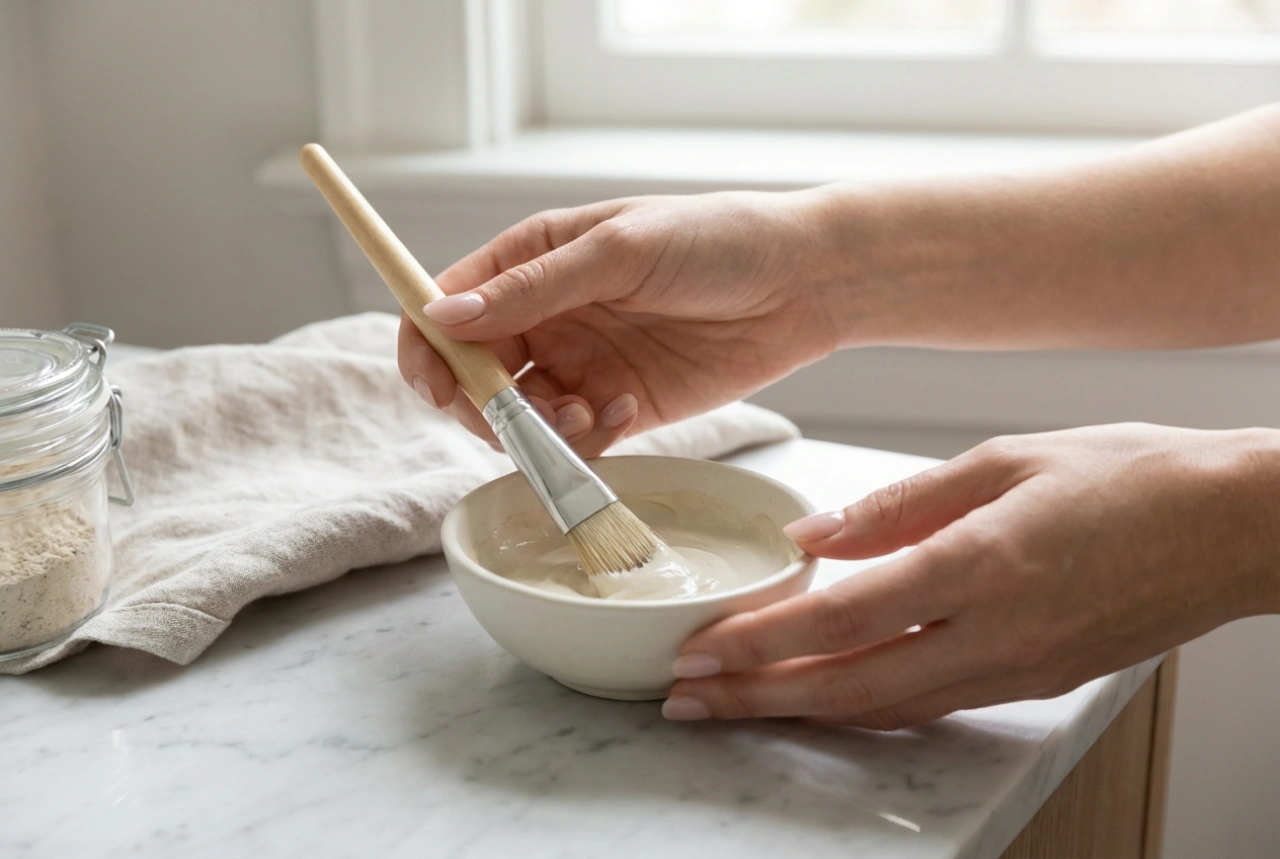
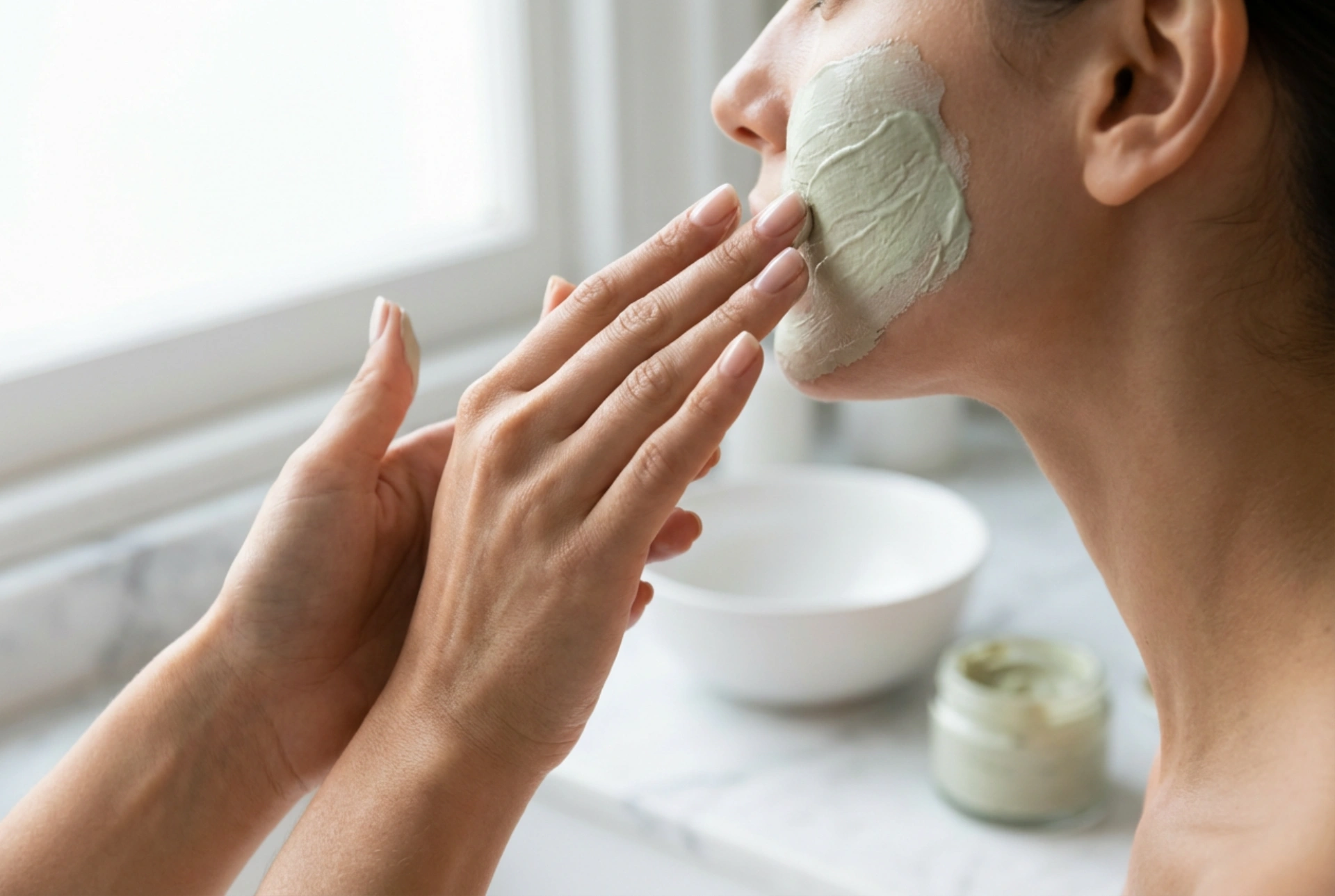
- Use the Right Tools: You can use clean fingertips to apply the mask, but a dedicated flat brush can provide a more even, hygienic, and spa-like experience.
- Apply an Even Layer: Spread a visible, even layer of the product over your face, making sure to avoid the delicate areas around your eyes and mouth. Don't forget your neck and décolletage if the mask is suitable for those areas.
- Relax and Wait: Let the mask sit for the duration recommended in its instructions, typically between 10 and 20 minutes. This is a great time to relax, read a book, or simply enjoy a moment of peace.
The Correct Way to Remove a Face Mask
Removing a mask properly is just as important as applying it, as incorrect removal can cause irritation. The method depends on the type of mask used.
For clay and cream masks, it's best not to let them dry out completely to the point of cracking, as this can dehydrate the skin. To remove, splash lukewarm water onto your face to soften the mask first. Then, use your hands or a soft, damp washcloth to gently wipe it away in circular motions. Avoid harsh scrubbing.
For peel-off masks, start loosening the edges once it is fully dry. Begin peeling slowly and gently from the outer edges, such as your chin or forehead, moving inwards. Never pull or rip it off aggressively.
Sheet masks are the easiest to remove. Simply lift the sheet off your face. Instead of washing away the leftover serum, gently pat and massage it into your skin to absorb all the remaining goodness.
What to Do After Using a Mask
Your skin is now perfectly prepped to absorb the next products in your routine. After rinsing off any residue, follow up immediately with your usual skincare steps. This typically includes applying a toner to balance the skin's pH, followed by a serum to target specific concerns, and finally, a moisturiser to seal in all the benefits of the mask and keep your skin hydrated. Consistent use and proper technique will help you achieve a healthier, more luminous complexion.