

Facial foams have become a staple in many daily skincare routines, celebrated for their light, airy texture and effective cleansing properties. The transformation from a liquid to a soft lather provides a satisfying and gentle cleansing experience, lifting away daily grime, excess oil, and makeup residue. Understanding the nuances between different formulas and mastering the correct application technique is key to unlocking the full potential of these popular cleansers and achieving a refreshed, balanced complexion.
What Exactly is a Facial Foam?
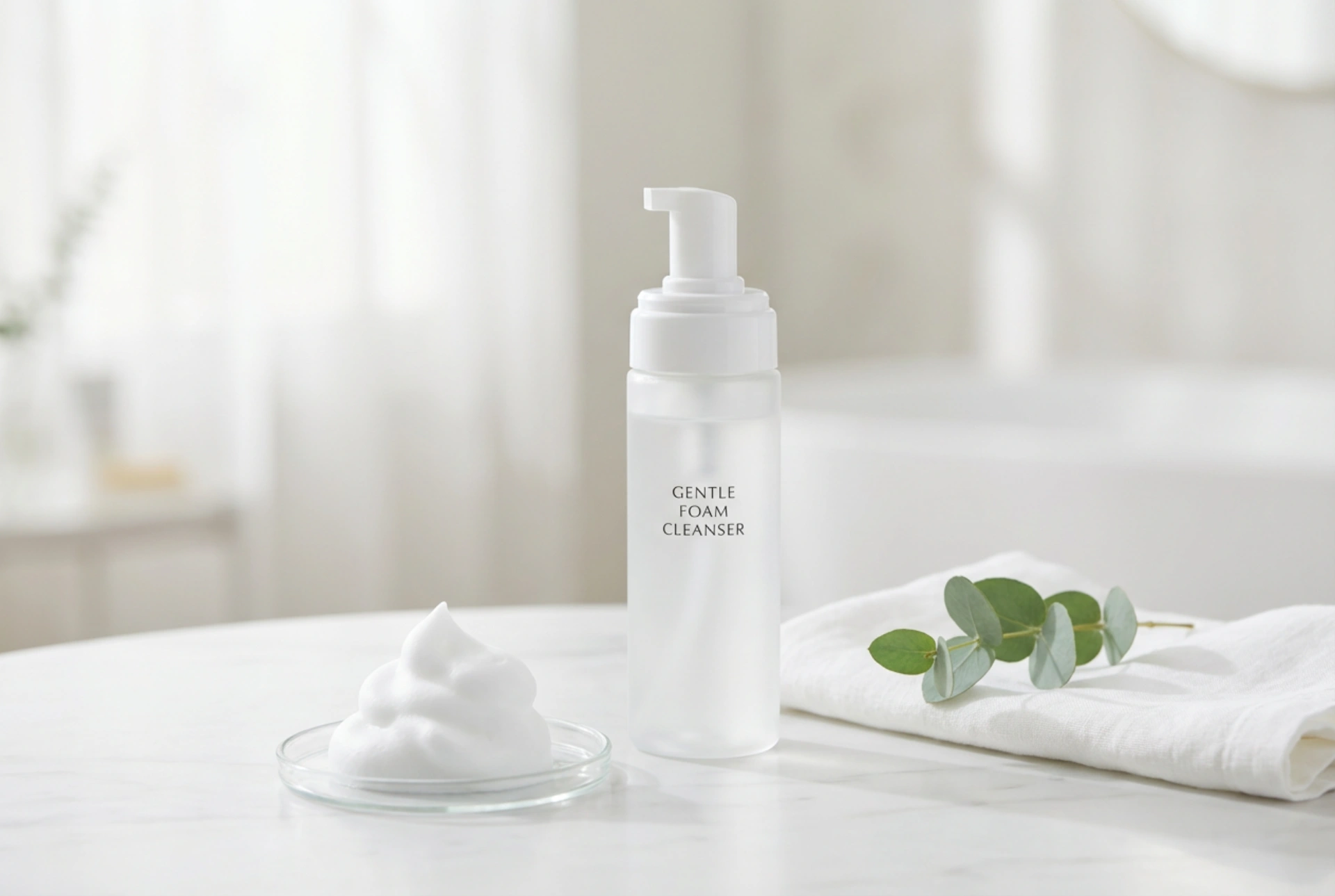
A facial foam is a type of cleanser that is dispensed from a pump bottle as a pre-aerated, fluffy foam. Unlike gels or creams that you need to lather up yourself, foams are ready to apply straight from the bottle. The core function of a foam cleanser is to purify the skin. The tiny bubbles in the foam work to penetrate pores, dissolving impurities and making them easy to rinse away. Their lightweight consistency ensures they don't feel heavy on the skin and typically leave no residue, resulting in a clean and fresh feeling post-wash.
Understanding Different Foam Cleanser Formulas
The effectiveness of a foam cleanser largely depends on its formulation, which should be tailored to your specific skin type. Choosing the right product is crucial for maintaining your skin's health and balance. Not all foams are created equal, and their ingredient lists can vary significantly to address different concerns.
For Oily and Combination Skin
Individuals with oily or combination skin often benefit from foam cleansers designed to manage excess sebum production. These formulas provide a deep clean that removes oil and shine without being overly harsh. Look for cleansers with mild, yet effective, cleansing agents that can clear out pores and reduce their appearance. The goal is to achieve a matte, balanced finish without stripping the skin of its essential moisture, which could paradoxically lead to even more oil production. A well-formulated foam for this skin type will leave the skin feeling clean but not tight or dry.
For Dry and Sensitive Skin
If you have dry or sensitive skin, you might be hesitant to use a foam cleanser, fearing it could be drying. However, many modern formulas are specifically created to be gentle and hydrating. Opt for creamy, sulphate-free foams that are enriched with moisturising and soothing ingredients. Components like glycerine, hyaluronic acid precursors, and various botanical extracts help to replenish moisture and calm the skin during cleansing. These gentle foams effectively clean the skin while protecting its delicate natural barrier, preventing irritation and feelings of tightness.
For Normal Skin
Those with normal skin have the flexibility to choose from a wide range of foam cleansers. The ideal choice is a balanced formula that cleanses efficiently without disrupting the skin's natural equilibrium. These cleansers maintain the skin’s optimal moisture levels, removing impurities from the day while ensuring the skin remains soft, supple, and healthy. A good foam for normal skin provides a refreshing cleanse that serves as the perfect first step in any skincare regimen.
How to Use a Facial Foam Correctly
To get the most out of your cleanser, it’s important to use it correctly. Following a simple, consistent method will ensure your skin is thoroughly cleansed and prepared for the next steps in your routine.
- Begin by wetting your face and hands with lukewarm water.
- Dispense one to two pumps of the foam into the palm of your hand. This is usually enough for the entire face.
- Gently apply the foam to your face and massage it into your skin using small, circular motions. Focus on the T-zone (forehead, nose, and chin) where oil tends to accumulate.
- Avoid the delicate eye area. If you are wearing eye makeup, use a dedicated eye makeup remover first.
- Continue massaging for about 30 to 60 seconds to allow the product to work effectively.
- Rinse your face thoroughly with lukewarm water until all traces of the foam are gone.
- Gently pat your skin dry with a clean, soft towel. Avoid rubbing, as this can cause irritation.
Tips for an Enhanced Cleansing Experience
A few extra considerations can elevate your cleansing routine and help you maintain healthy skin.
Choose the Right Water Temperature
Always use lukewarm water. Water that is too hot can strip the skin of its natural oils, leading to dryness and irritation. Conversely, cold water is less effective at dissolving sebum and impurities, potentially leading to clogged pores.
Don't Over-Cleanse
Cleansing twice a day—once in the morning and once in the evening—is sufficient for most people. Over-cleansing can compromise the skin's protective barrier, leading to sensitivity, redness, and dehydration.
Follow Up Immediately
Cleansing is just the first step. To lock in moisture and nourish your skin, always follow up with the rest of your skincare routine, such as a toner, serum, and moisturiser, while your skin is still slightly damp. This helps the subsequent products absorb more effectively and keeps your skin hydrated and protected.