

Daily facial cleansing is the cornerstone of any effective skincare routine, paving the way for healthier-looking skin. With a wide array of cleansers available, choosing the right one can feel overwhelming. Among the options, the facial cleansing fluid stands out for its lightweight texture and gentle action, offering a refreshing and pure cleansing experience. If you're looking for a product that cleanses without harshness, understanding what a cleansing fluid is and how it differs from a traditional gel is the first step.
What Exactly Is a Facial Cleansing Fluid?
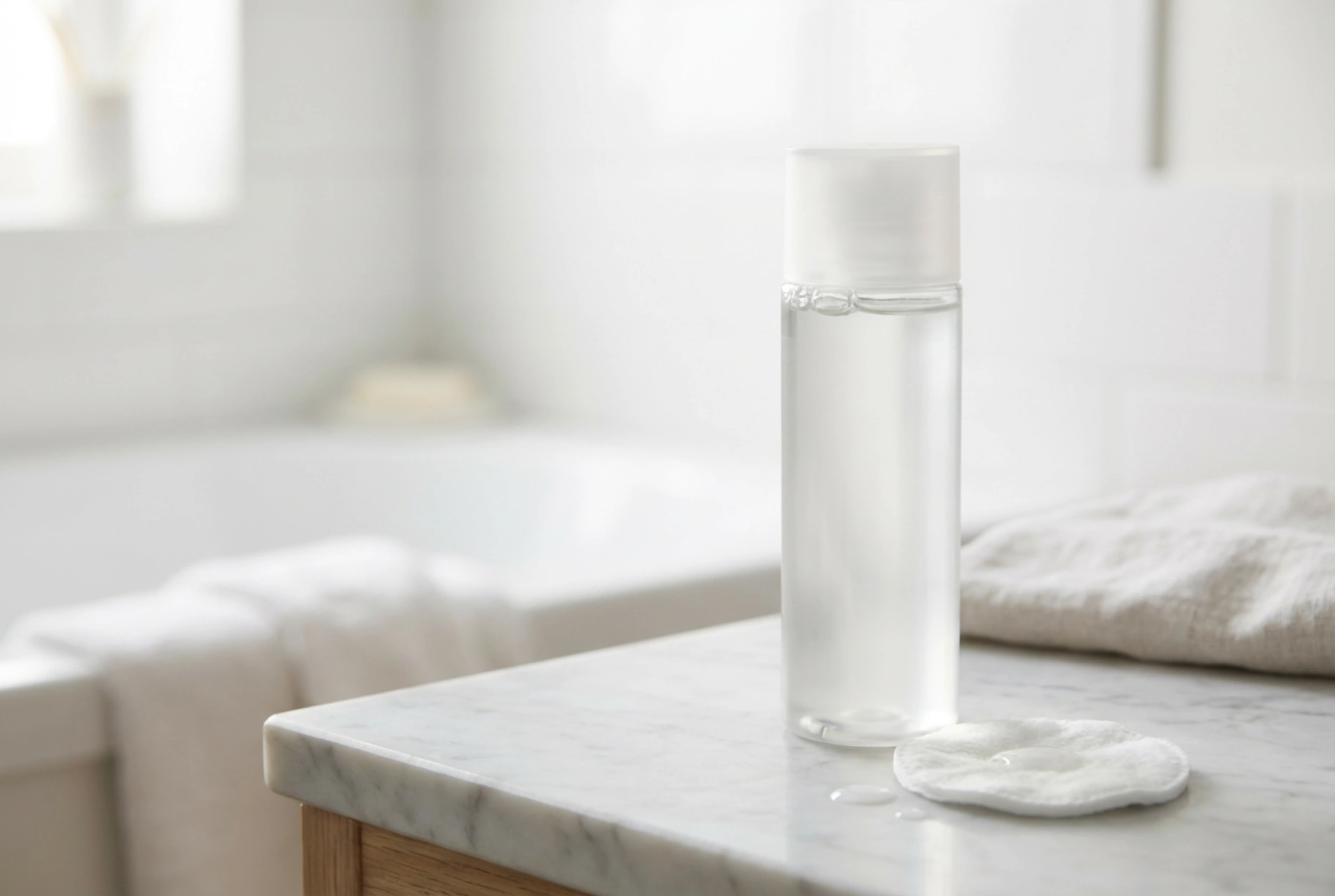
A facial cleansing fluid, often referred to as a cleansing lotion or milk, is a skincare product designed to remove makeup, dirt, excess sebum, and other impurities from the skin's surface. Its primary characteristic is its consistency—typically a light, runny, or creamy liquid. Unlike foaming cleansers, fluids are often formulated with a higher concentration of oils, emollients, and soothing agents. This composition allows them to dissolve impurities effectively while respecting the skin's natural moisture barrier, leaving it feeling soft and hydrated rather than tight or dry. They are particularly well-suited for individuals seeking a gentle approach to their daily cleansing ritual.
Cleansing Fluid vs. Cleansing Gel: Key Differences
While both fluids and gels are designed to clean the skin, they do so in different ways and are generally suited for different needs. Understanding these distinctions can help you select the best format for your skin type and personal preference.
Texture and Formulation
The most obvious difference is texture. A cleansing fluid has a liquid, often milky or lotion-like consistency that feels soft and conditioning on the skin. It doesn't typically lather or foam. In contrast, a cleansing gel is thicker, with a gel-like viscosity. When mixed with water, most gels create a rich lather, which many people associate with a deep clean. Fluids often contain more hydrating and lipid-based ingredients, while gels are usually water-based and may contain surfactants that produce foam.
Method of Use and Action
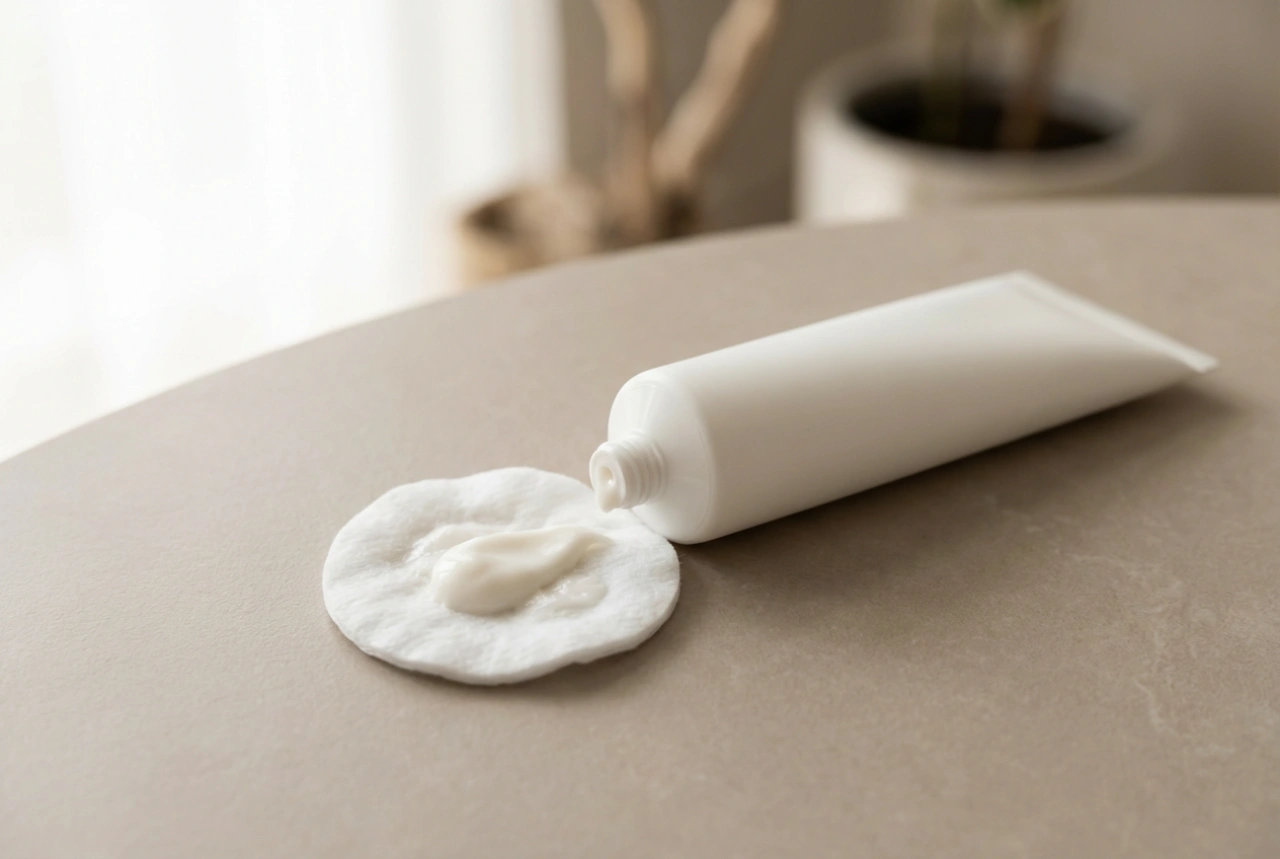
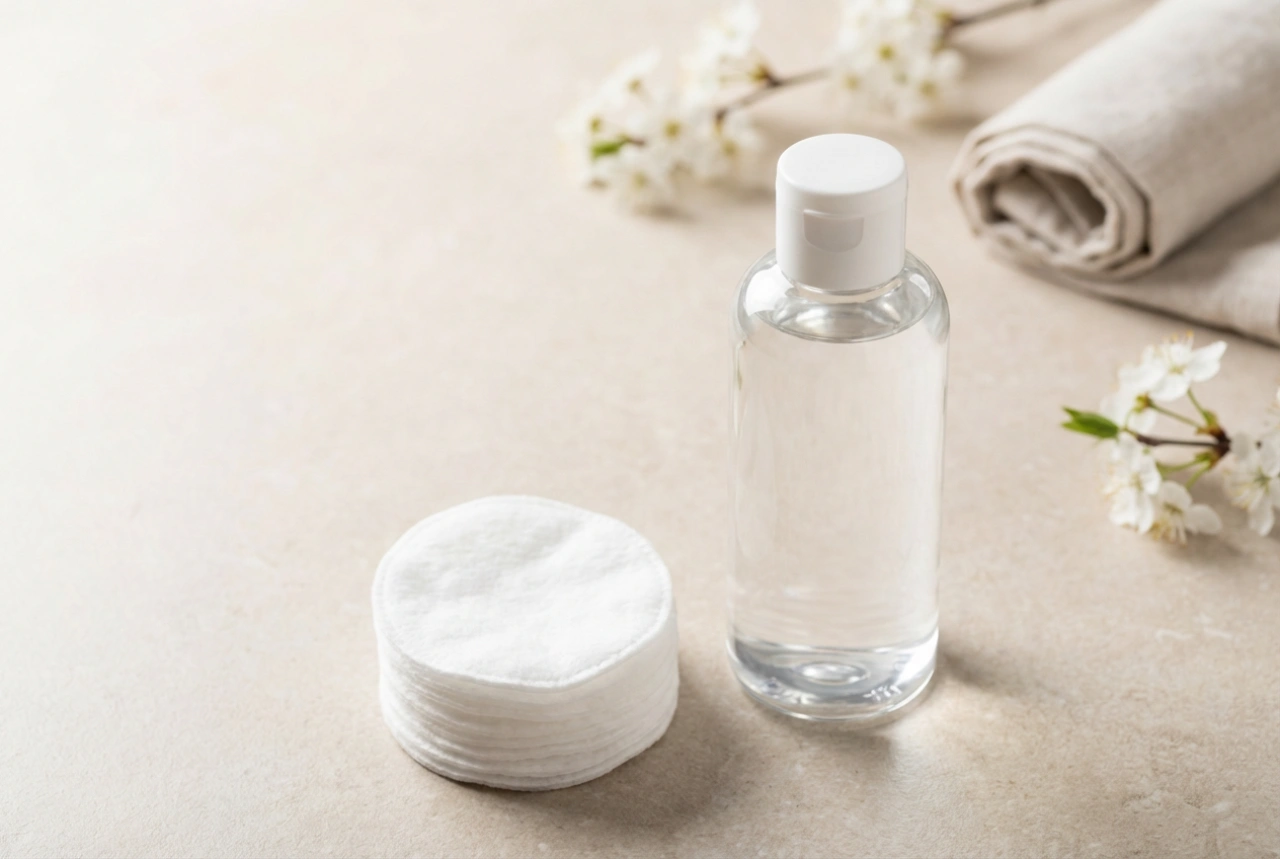
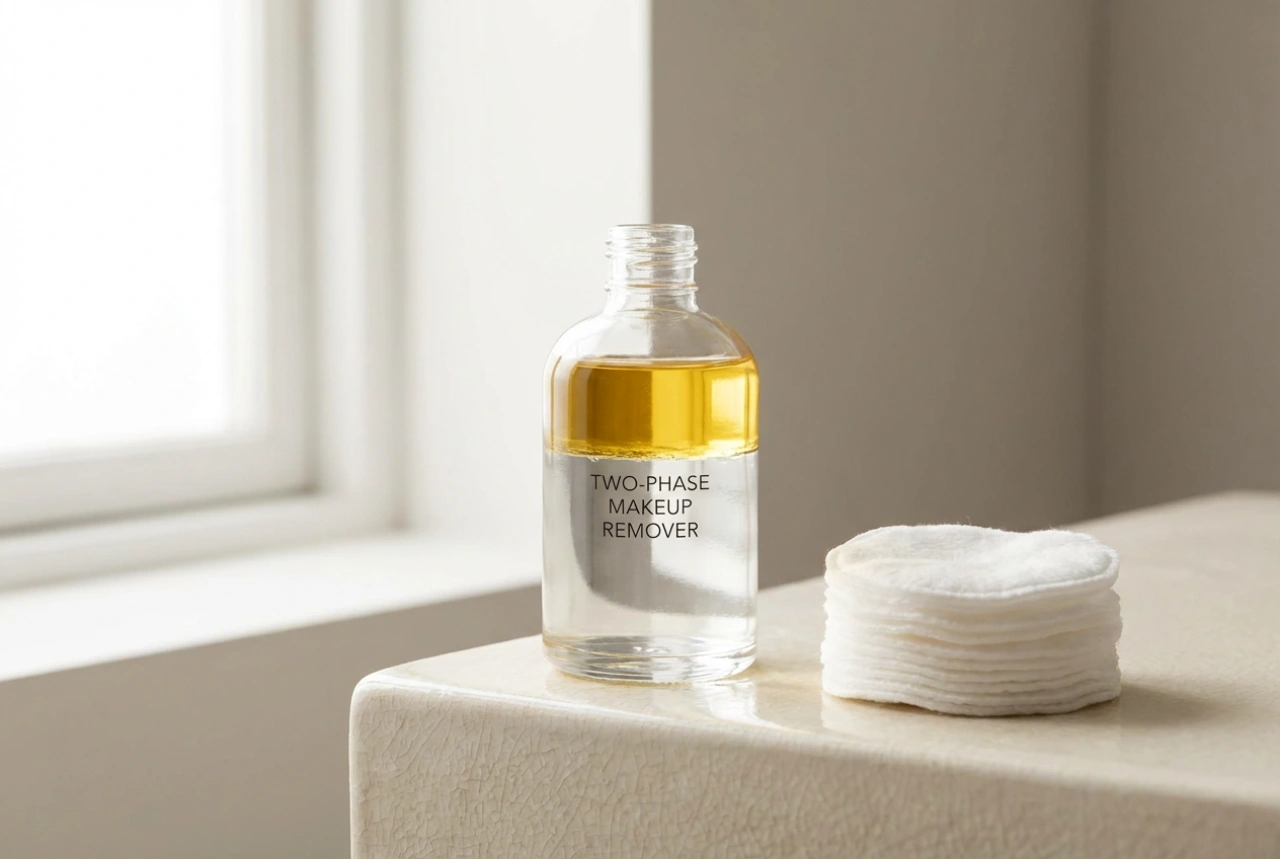
Cleansing fluids are frequently applied with a cotton pad and wiped across the skin, making many of them “no-rinse” products. They work by using gentle solvents and oils to lift away makeup and grime. Gels, on the other hand, almost always require water. You typically massage the gel onto damp skin to activate the lather and then rinse it off thoroughly. The foaming action helps to lift and wash away impurities, which can provide a more intensive clean sensation.
Suitability for Different Skin Types
Due to their gentle and hydrating nature, cleansing fluids are an excellent choice for those with dry, sensitive, or mature skin. They cleanse effectively without stripping the skin of its natural oils, helping to maintain comfort and suppleness. Cleansing gels are often favoured by individuals with oily, combination, or blemish-prone skin. Their ability to provide a deeper-feeling clean can help manage excess oil and leave the skin feeling exceptionally fresh and clear.
How to Use a Facial Cleansing Fluid for Best Results
Using a cleansing fluid correctly ensures you get the maximum benefit from its gentle formula. It's a simple process that can be easily integrated into your morning or evening routine.
- Step 1: Application
Saturate a soft cotton pad with a generous amount of the cleansing fluid. Avoid using too little, as this can cause unnecessary friction against your skin. - Step 2: Gentle Wiping
Beginning with your face, gently wipe the cotton pad outwards from the centre. Move from your nose towards your temples, across your forehead, and down to your chin and jawline. There is no need to rub or scrub harshly. - Step 3: Eyes and Lips
For eye and lip makeup, press the saturated pad gently against the area for a few seconds to allow the fluid to dissolve the cosmetics before wiping them away. Use a fresh pad for each eye to avoid transferring impurities. - Step 4: Repeat if Necessary
Continue with fresh cotton pads until the pad comes away clean. This indicates that all makeup and surface dirt have been removed. - Step 5: To Rinse or Not to Rinse?
Many cleansing fluids are formulated to be left on the skin. However, some people prefer to follow up with a splash of lukewarm water or a hydrating toner. If you have oily skin or are practicing double cleansing, you will proceed to your second, water-based cleanser at this stage.
Integrating a Cleansing Fluid into Your Skincare
The versatility of cleansing fluid allows it to play several roles in a complete skincare regimen. It can serve as a quick morning refresh to remove any sweat or products from the night before. More commonly, it is used as the first step in an evening double-cleansing routine, expertly breaking down sunscreen, foundation, and other makeup before a second cleanse with a gel or foam. Its gentleness also makes it a perfect standalone cleanser for days when you wear minimal makeup or when your skin feels particularly sensitive. Ultimately, whether you choose a fluid or a gel depends on your skin's needs and the cleansing experience you prefer.