

A serene cleansing ritual is the absolute foundation of any effective skincare routine. How we cleanse our face in the morning and evening sets the stage for all subsequent care steps, determining how well our skin absorbs beneficial ingredients. When we approach daily facial care with a mindful attitude, focusing on gentle movements and appropriate techniques, we can significantly improve the skin's texture and natural radiance. Proper cleansing is not merely about removing impurities; it is about respecting the delicate epidermal barrier and maintaining its optimal balance.
The Importance of Gentle Cleansing Techniques
Many common skin issues stem not from the lack of active ingredients in our serums, but from aggressive cleansing habits. The skin on our face is delicate and requires a thoughtful approach. Using harsh physical pressure or rubbing too vigorously with towels can lead to micro-damage and compromise the protective barrier. Instead, the focus should be on a gentle massage that respects the natural contours of the face.
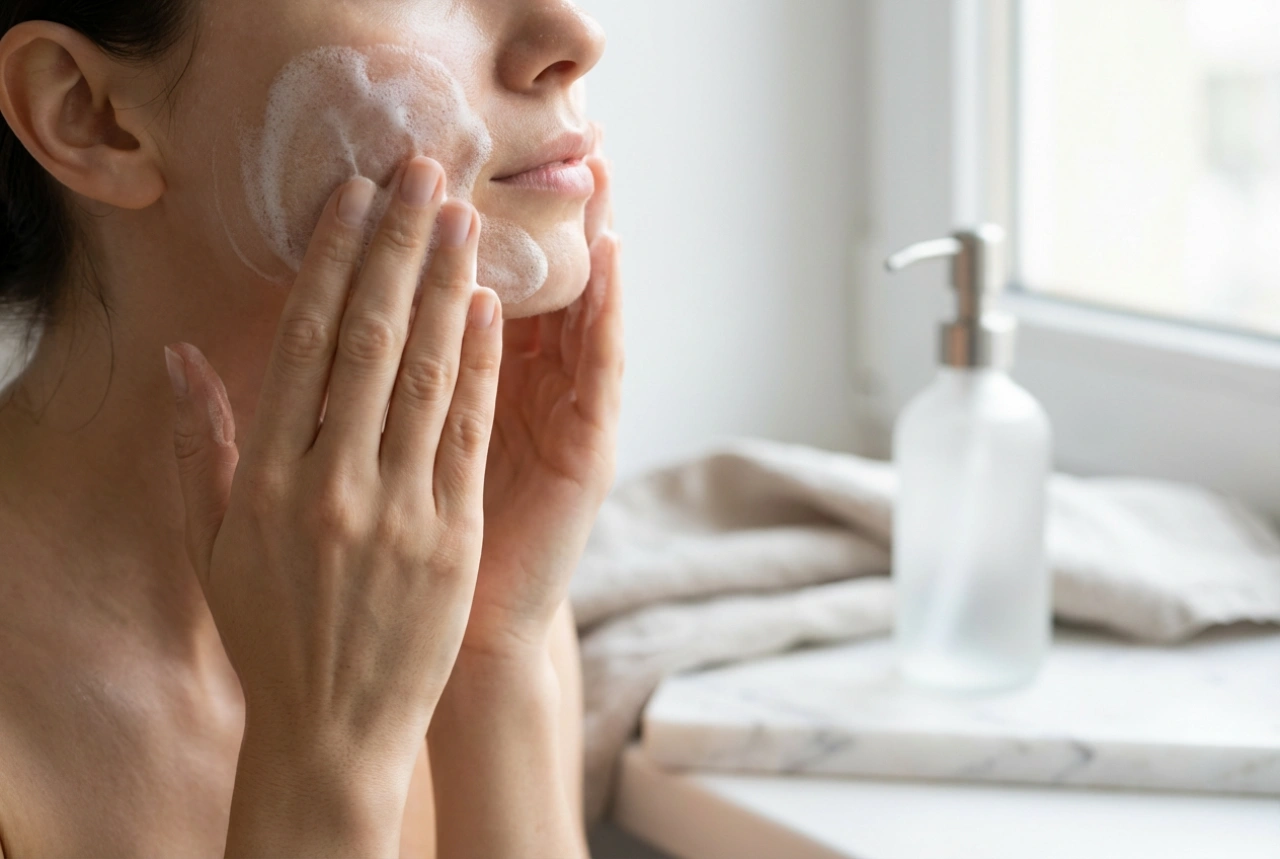
To perform a mindful cleanse, start by thoroughly washing your hands. Apply your chosen non-stripping cleanser to damp skin and use the tips of your fingers to make light, circular motions. Start from the centre of the face and move outwards and upwards. This technique helps to loosen daily grime, excess sebum, and sunscreen without stretching or irritating the skin. Paying extra attention to areas prone to congestion, such as the nose and chin, while maintaining a soft touch, ensures a thorough yet safe experience.
Water Temperature and Its Impact
The temperature of the water used during your cleansing ritual plays a pivotal role. Extremely hot water can strip the skin of its essential lipids, leading to dehydration, redness, and irritation. Conversely, very cold water is less effective at dissolving sebum and impurities. The golden rule is to use lukewarm water, which effectively helps to rinse away cleansing products while keeping the protective hydrolipid barrier intact.
Determining the Right Cleansing Frequency
Finding the right frequency for cleansing your face depends largely on your skin type, lifestyle, and daily environment. While a consistent routine is vital, over-cleansing can be just as detrimental as under-cleansing. Striking the perfect balance is key to keeping the skin comfortable, hydrated, and balanced.
- Morning Cleansing: A gentle wash in the morning is highly beneficial. Overnight, the skin accumulates sweat, sebum, and dust from bedding. A light, hydrating cleanser or even a rinse with lukewarm water for very dry skin types can refresh the face and prepare it for daytime protection.
- Evening Cleansing: This is the non-negotiable step of your routine. Throughout the day, the skin is exposed to environmental pollutants, dust, makeup, and UV filters. A thorough evening cleanse ensures these impurities are completely removed, allowing the skin to regenerate effectively while you sleep.
The Two-Step Cleansing Method
For those who wear sunscreen or makeup during the day, a single wash may not always be sufficient to fully clarify the skin. This is where the two-step cleansing method, often referred to as double cleansing, becomes highly beneficial. This method relies on the chemistry principle that like dissolves like, ensuring a deep yet remarkably gentle purification.
The first step involves using a nourishing oil-based cleanser or a gentle cleansing balm. When massaged onto dry skin, this product effortlessly dissolves oil-soluble impurities such as sebum, makeup, and water-resistant sunscreens. After rinsing this layer with lukewarm water, the second step follows with a water-based gel or foam cleanser. This second wash targets water-soluble debris, sweat, and environmental dust, leaving the skin perfectly clean and ready to absorb subsequent hydrating toners and creams.
Drying the Face and Essential Post-Wash Habits
The cleansing ritual does not end when you turn off the tap. How you dry your face and what you do immediately after is just as important for maintaining a healthy skin barrier. One of the most common mistakes is rubbing the face dry with a coarse bath towel. This friction can irritate sensitive skin and spread bacteria.
Instead, gently pat the skin dry using a soft, clean microfiber towel reserved exclusively for the face. Alternatively, single-use bamboo cloths can be used to ensure maximum hygiene. Keep the skin slightly damp rather than bone-dry; applying your toner, essence, or moisturiser onto damp skin helps to lock in hydration far more effectively. Establishing this habit ensures that moisture is sealed into the deeper layers of the epidermis, promoting a plump and glowing appearance.