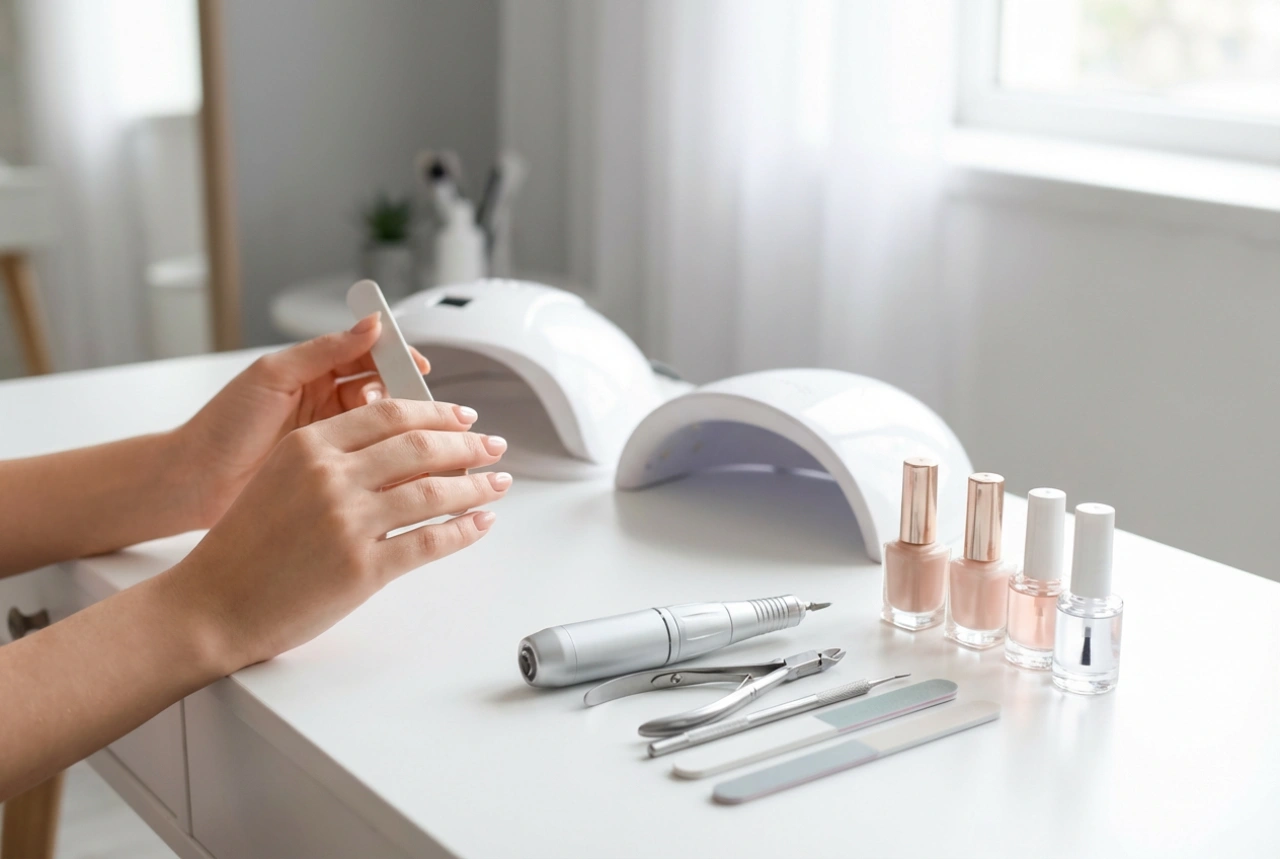


Modern nail care has embraced technology, with tools like the electric nail file making it possible to achieve salon-quality results from the comfort of your own home. This device offers precision and efficiency, transforming the way we shape, smooth, and perfect our nails. While it may seem intimidating at first, understanding the correct technique can unlock a new level of flawless manicures. This guide will walk you through the process step-by-step, ensuring you can use your electric file safely and effectively.
Understanding Your Electric Nail File and Attachments
Before you begin, it's crucial to familiarise yourself with your device and its various attachments, often called 'bits'. An electric file typically comes with a set of interchangeable heads designed for different tasks. It's also important to start with a low speed setting and only increase it as you gain confidence and experience. Always read your device's manual for specific instructions.
- Shaping and Shortening Bits: These are usually coarser and designed to quickly reduce nail length. They can be made from various materials, such as carbide or ceramic.
- Cuticle Bits: These are smaller, finer, and often cone-shaped or pointed. They are used to gently push back cuticles and remove non-living tissue from the nail plate. Extreme caution is needed with these.
- Barrel Bits: These are useful for surface work, shaping, and shortening nails.
- Buffing and Polishing Bits: Made from softer materials like felt or chamois, these are used as a final step to smooth the nail surface and create a natural-looking shine.
A Step-by-Step Guide to a Flawless Manicure
With a clear understanding of your tools, you can now begin the manicure process. Ensure your nails are clean, dry, and free from any polish before you start.
1. Shortening and Shaping
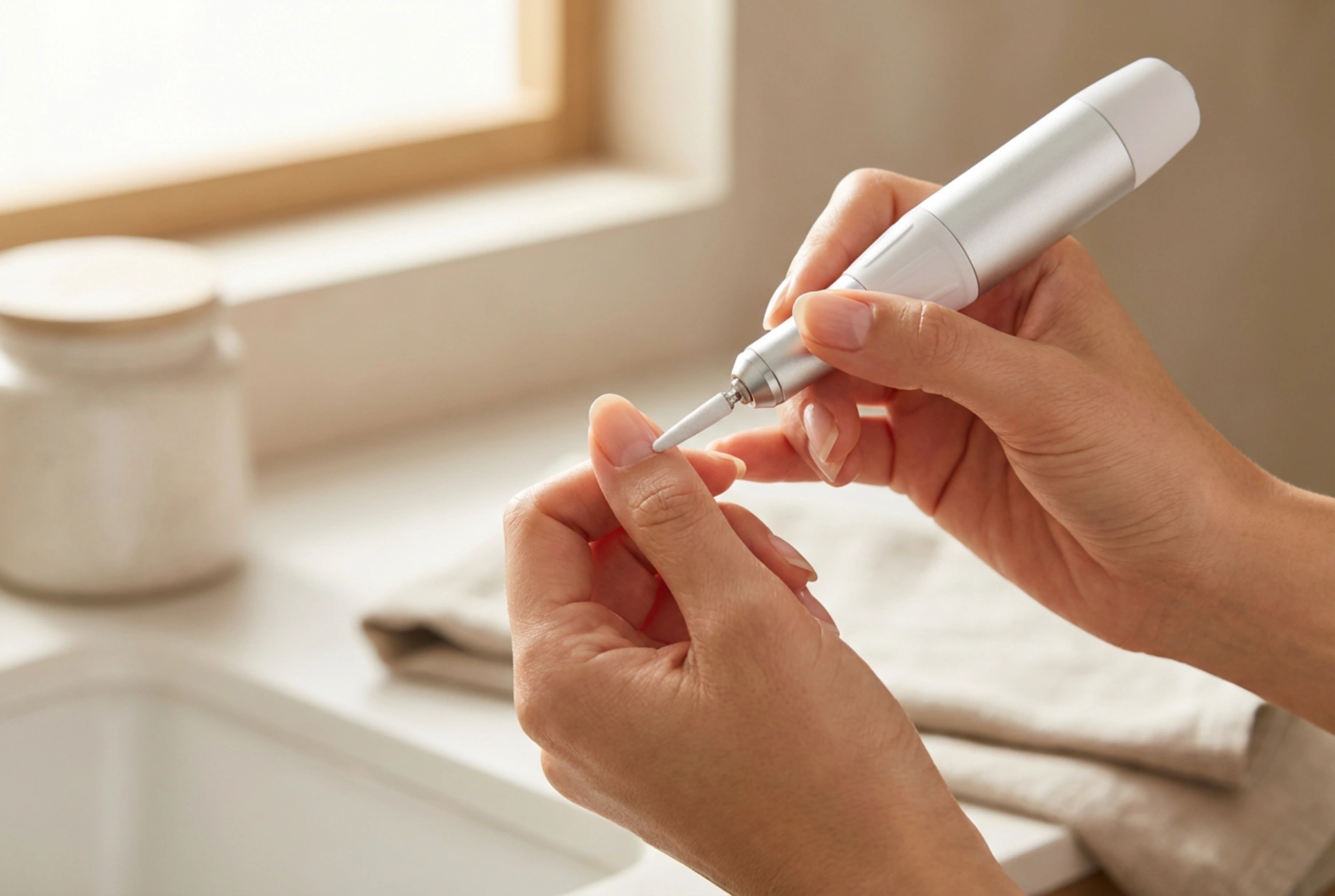
Select a suitable bit for shortening your nails. Start on the lowest speed setting. Hold the file like a pen for maximum control and gently touch the bit to the free edge of your nail. Move the file consistently in one direction, from one side of the nail to the other, rather than sawing back and forth. This prevents splitting and weakening the nail. Work in short, light strokes until you achieve your desired length and shape.
2. Cuticle Care
For cuticle work, switch to a fine-tipped cuticle bit. Again, use the lowest speed setting. Gently trace the bit along your cuticle line to push it back and lift any non-living tissue from the nail plate. Never apply pressure directly onto the soft tissue of the eponychium (the living skin at the base of the nail). The goal is to clean the nail plate, not to cut or remove living skin, which can lead to damage. Be extremely gentle in this area.
3. Smoothing the Nail Surface
If you have ridges or an uneven nail surface, you can use a fine-grit barrel or a buffing bit to smooth it out. Lightly skim the bit across the entire surface of the nail, keeping the file constantly moving to avoid generating heat or creating dips. The aim is to create a smooth canvas, not to thin the nail plate excessively. A few light passes are usually sufficient.
4. Buffing and Finishing
Finally, use a soft buffing bit to polish the nail surface for a high-gloss, natural shine. Use slow, circular motions across the nail. After filing, wash your hands or use a soft brush to remove all dust. Complete your manicure by applying a nourishing cuticle oil to hydrate the skin around your nails.
Common Mistakes to Avoid for Healthy Nails
Using an electric file incorrectly can lead to nail damage. Being aware of common pitfalls will help you protect your nails while achieving beautiful results.
- Applying Too Much Pressure: Let the file's rotation do the work. Pressing too hard can cause friction burn, create dents in the nail, and thin the nail plate dangerously.
- Using a High Speed Too Soon: High speeds are for experienced users. As a beginner, stick to the lowest setting to maintain control and prevent accidental slips that could damage the nail or surrounding skin.
- Keeping the File in One Spot: Never hold the spinning bit in one place. This concentrates heat and pressure, leading to divots and damage. Keep the file moving in smooth, even strokes.
- Using the Wrong Attachment: Using a coarse bit on the natural nail plate or a shaping bit for delicate cuticle work is a recipe for disaster. Always match the bit to the task.
Caring for Your Tools
Proper maintenance ensures your electric file and its attachments remain effective and hygienic. After each use, clean the bits with a brush to remove dust and debris. Depending on the material, some bits can be sanitised. Store your device and its attachments in a clean, dry place. Following these simple care steps will prolong the life of your tools and contribute to the health of your nails.