

A daily moisturiser is a cornerstone of any effective skincare routine, providing essential hydration and support for your skin's natural barrier. Yet, with countless options available, choosing the right one can feel like a complex task. The key to finding your perfect match lies not in the packaging, but in understanding your skin's unique needs and learning how to decipher the ingredient list. This guide will walk you through the process of selecting the ideal daily moisturiser, from identifying your skin type to picking the perfect texture.
Why is Daily Moisturization So Important?
Applying moisturiser every day does more than just combat dryness. Consistent hydration is fundamental to maintaining healthy-looking skin. A good moisturiser helps to lock in water, preventing dehydration that can lead to a dull complexion and more visible fine lines. It also reinforces the skin's protective barrier, which defends against environmental stressors like pollution and dry air. Furthermore, well-hydrated skin provides a smoother canvas for makeup application, helping it to look more even and last longer throughout the day.
First Step: Understand Your Skin Type
Before you can choose a product, you need to know who you are choosing it for. Skin types have different needs, and a moisturiser that works wonders for one person might be unsuitable for another. Here are the main categories:
Dry Skin
If your skin often feels tight, looks dull, or is prone to flakiness, you likely have dry skin. It produces less sebum (natural oil) than other skin types, so it requires a moisturiser that is rich in both hydrating and nourishing ingredients. Look for thicker creams or balms that provide lasting comfort.
Oily Skin
Oily skin is characterised by excess sebum production, which can lead to a shiny appearance and a tendency for clogged pores. It might seem counterintuitive, but this skin type still needs moisture. Dehydration can actually cause the skin to produce even more oil to compensate. The ideal choice is a lightweight, oil-free formula, such as a gel or fluid lotion.
Combination Skin
As the name suggests, combination skin features both oily and dry areas. Typically, the T-zone (forehead, nose, and chin) is oily, while the cheeks are normal or dry. The goal is to find a balanced moisturiser that hydrates without adding excess shine. A lightweight lotion or gel-cream often works well for the entire face.
Sensitive Skin
Sensitive skin reacts easily to certain ingredients or environmental factors, showing signs like redness or discomfort. If you have sensitive skin, it's crucial to choose products with simple formulas, free from common irritants like fragrances and certain alcohols. Look for soothing ingredients that help to calm the skin.
Decoding the Ingredient List (INCI)
The ingredient list, or INCI (International Nomenclature of Cosmetic Ingredients), is your most reliable tool. Ingredients are listed in descending order of concentration. Understanding the main categories of moisturising ingredients will empower you to make an informed choice.
Humectants: The Water Magnets
Humectants are ingredients that attract water from the air and the deeper layers of your skin, drawing it to the surface. They are essential for boosting hydration levels. Common humectants include:
- Hyaluronic Acid
- Glycerin
- Aloe Vera
- Panthenol (Pro-vitamin B5)
Emollients: The Barrier Smoothers
Emollients work by filling in the gaps between skin cells, helping to smooth the skin's surface and repair its barrier. They give moisturisers their pleasant, soft feel. Many emollients also have occlusive properties. Examples are:
- Ceramides
- Shea Butter
- Squalane
- Plant oils (e.g., Jojoba, Argan)
- Fatty acids and alcohols
Occlusives: The Protective Seals
Occlusives form a physical barrier on the skin's surface to prevent water loss, a process known as Transepidermal Water Loss (TEWL). They are particularly beneficial for very dry skin or for use in harsh, cold weather. Common occlusives include Dimethicone and Lanolin. While very effective, heavy occlusives might feel too rich for oily skin types.
Choosing the Right Consistency
The texture of a moisturiser is just as important as its ingredients. The right consistency will feel comfortable on your skin and suit your preferences and climate.
Gels and Gel-Creams
These formulas are water-based, lightweight, and absorb quickly without leaving a greasy residue. Their refreshing feel makes them an excellent choice for oily and combination skin types, or for anyone living in a hot, humid climate. They provide hydration without the weight of traditional creams.
Lotions
Lotions have a higher water content than creams but are more emollient than gels. They offer a good balance of hydration and nourishment, making them a versatile choice for normal to combination skin. They absorb relatively quickly and are suitable for daily use, both day and night.
Creams
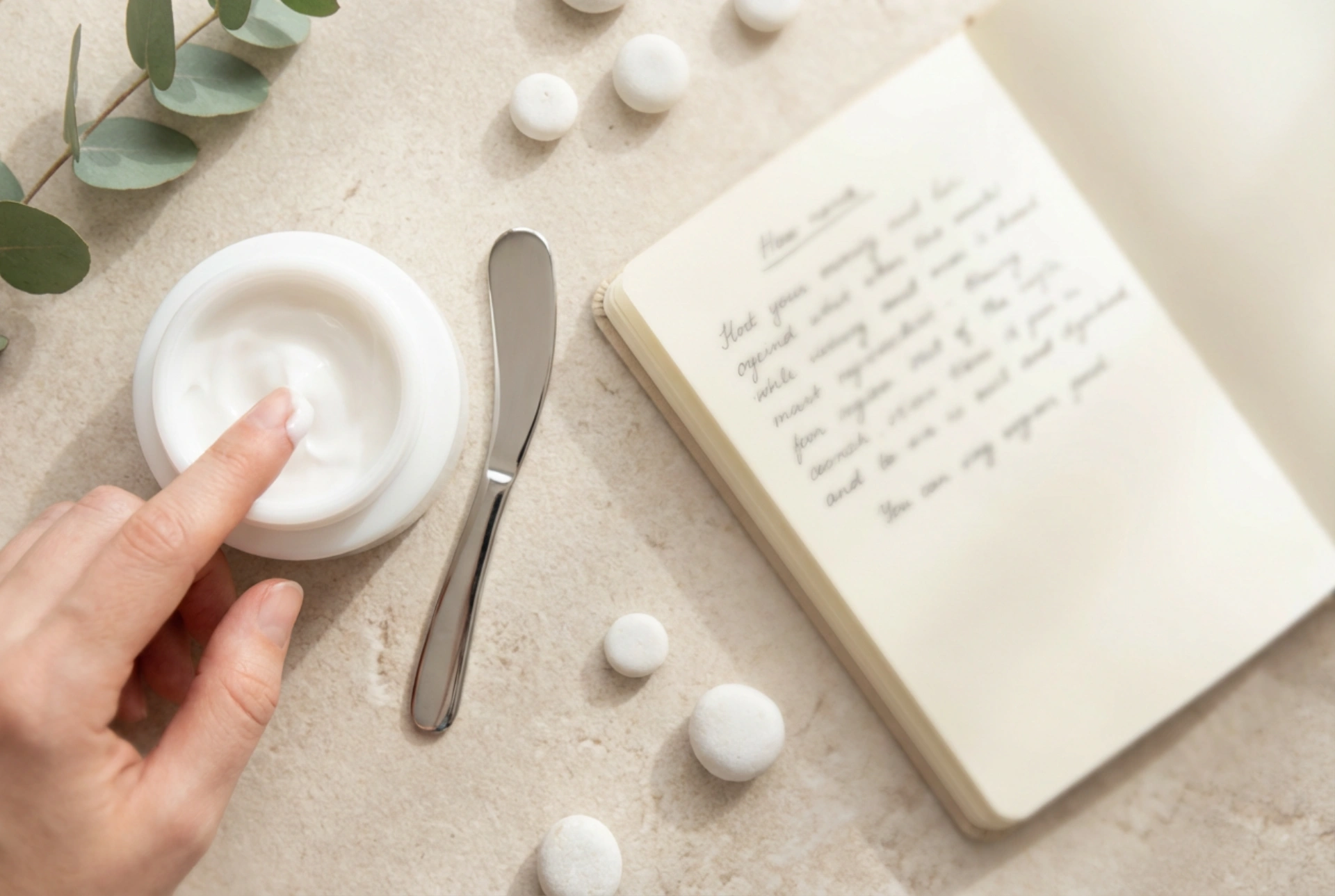
Creams are thicker and contain a higher percentage of oil-based ingredients and emollients. They provide intense, lasting hydration and are ideal for dry and mature skin types that need extra support to maintain their moisture barrier. They are also a great option for all skin types during colder, drier winter months. Finding the right moisturiser is a personal journey of discovery, and by listening to your skin and understanding what's inside the jar, you can give it exactly what it needs to look and feel its best.