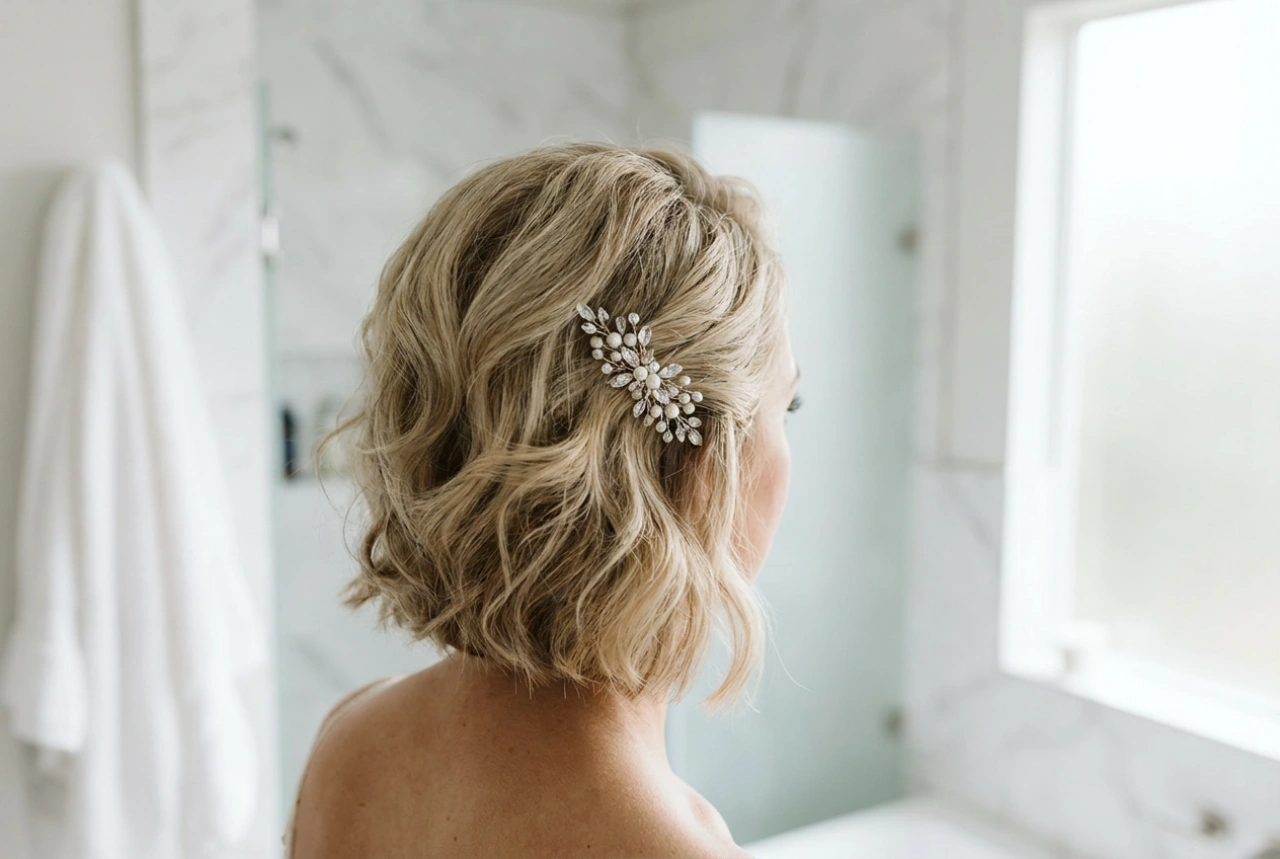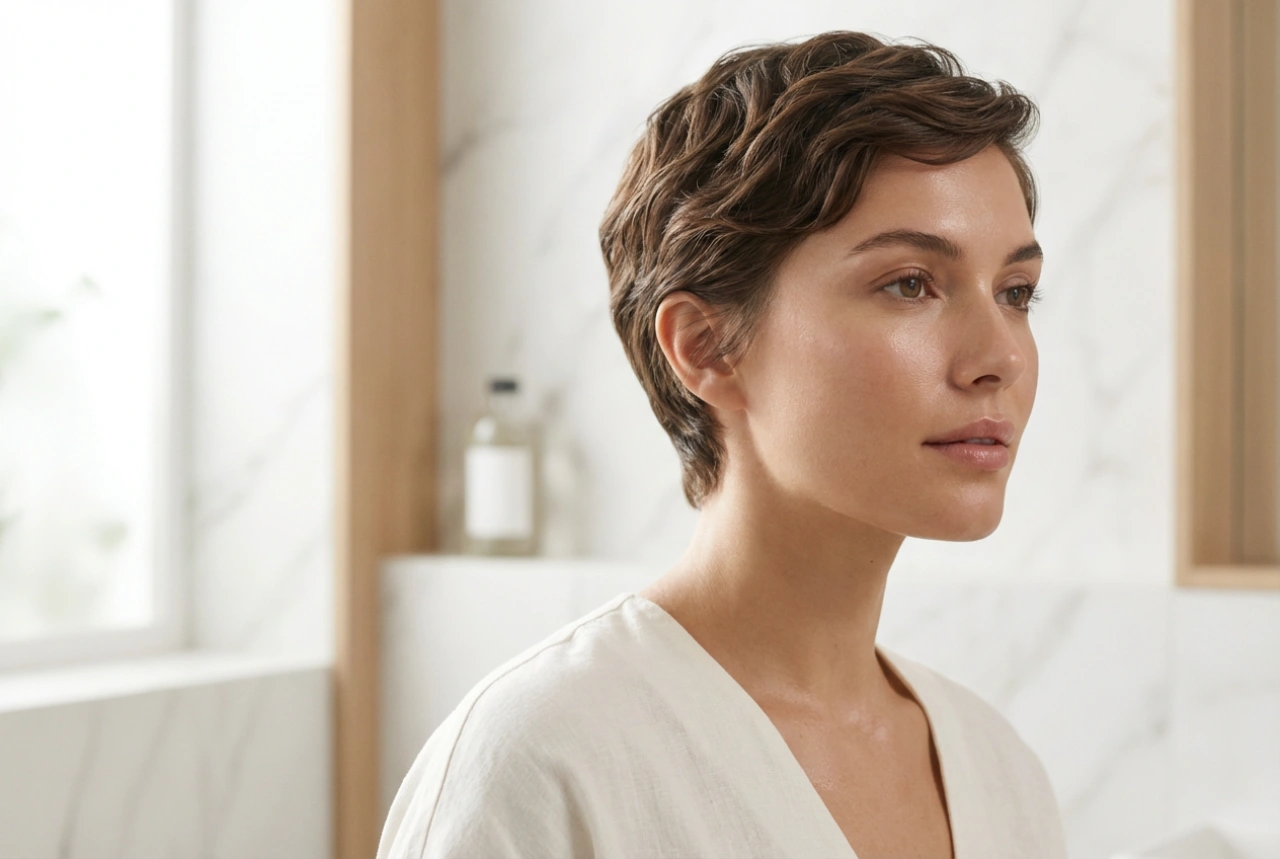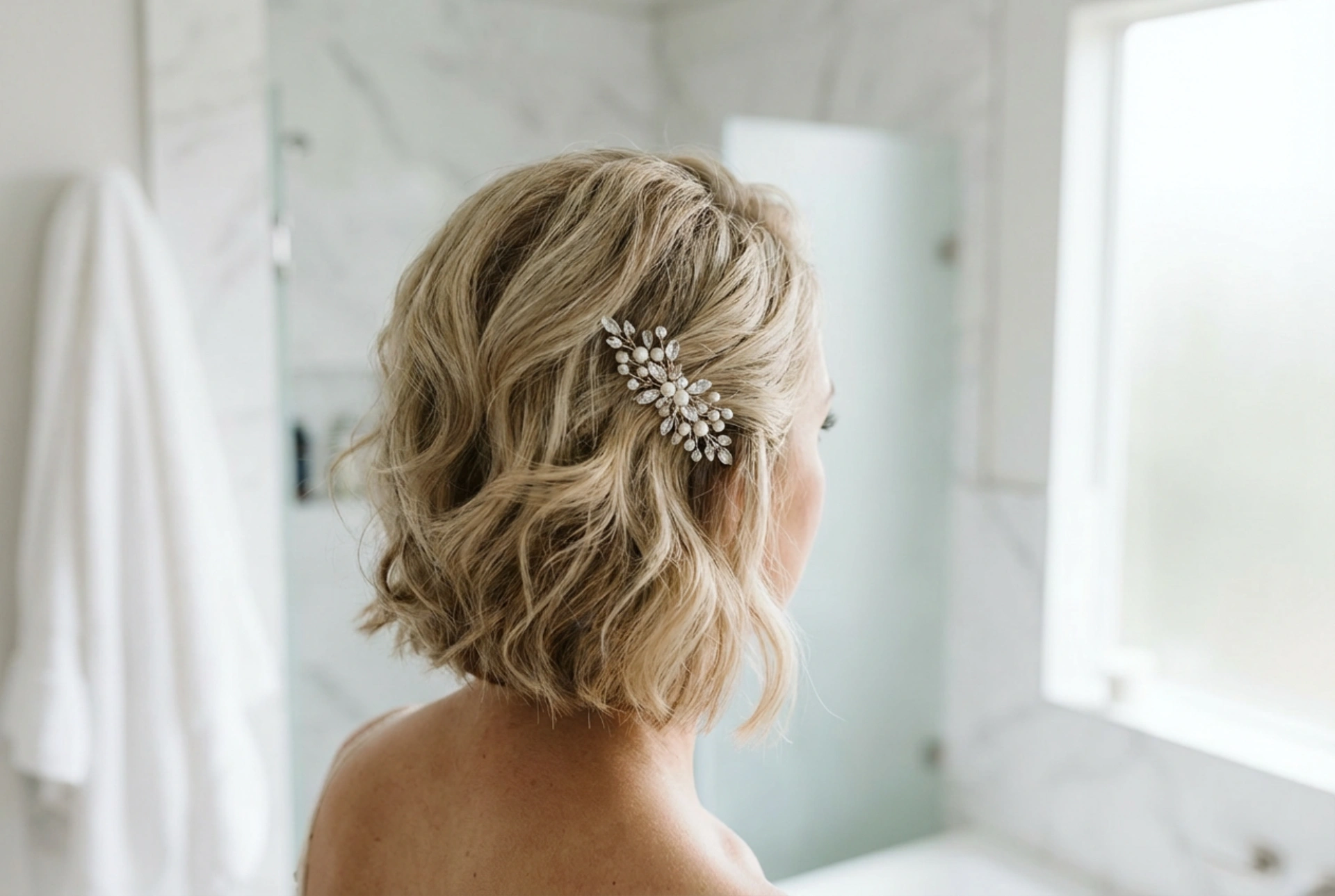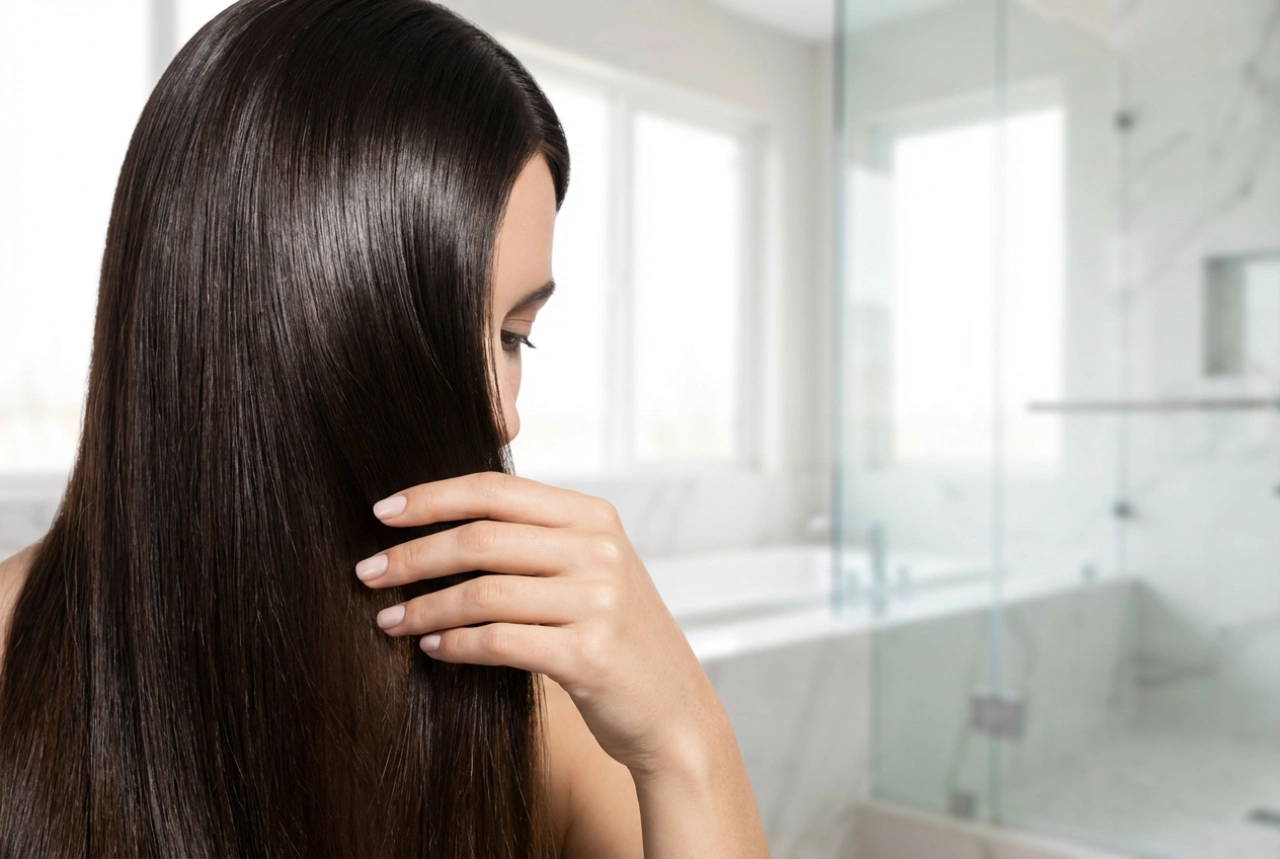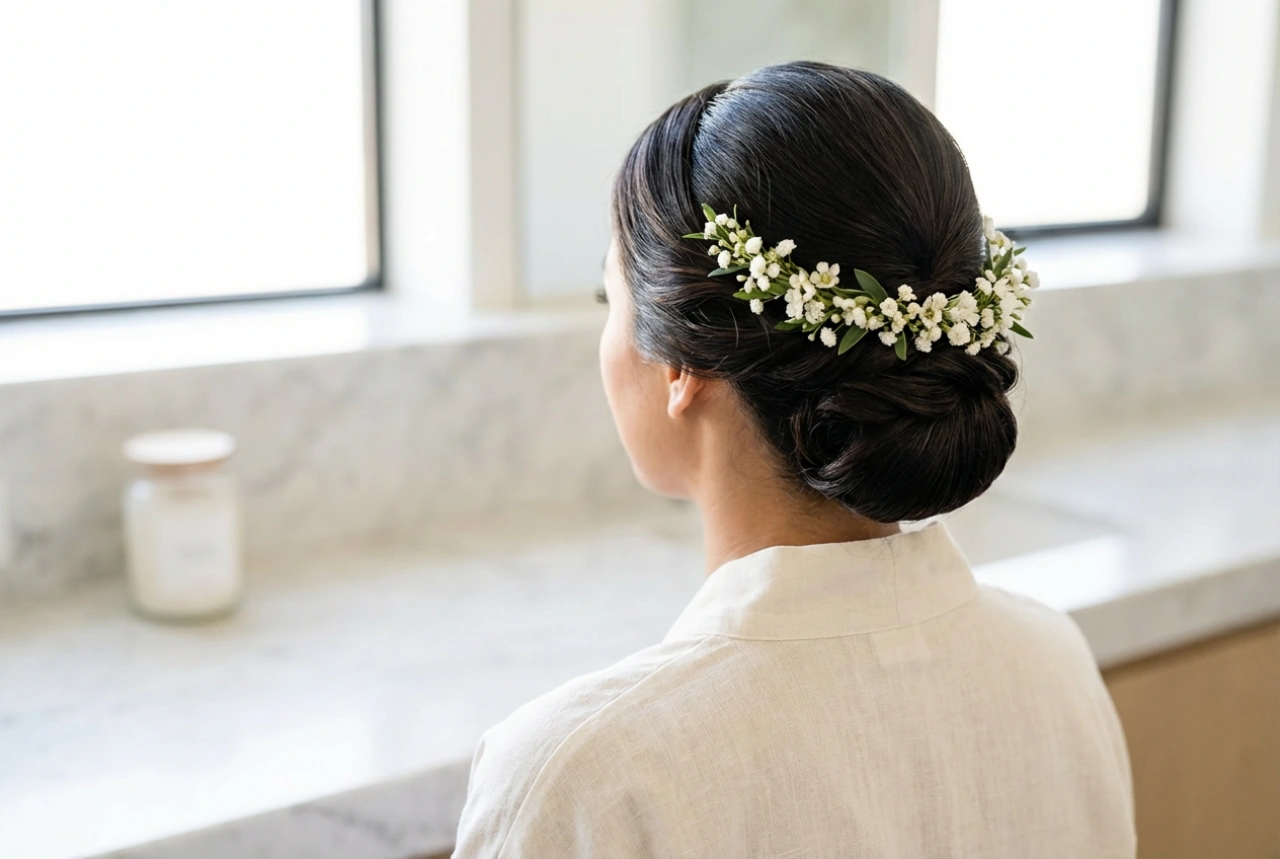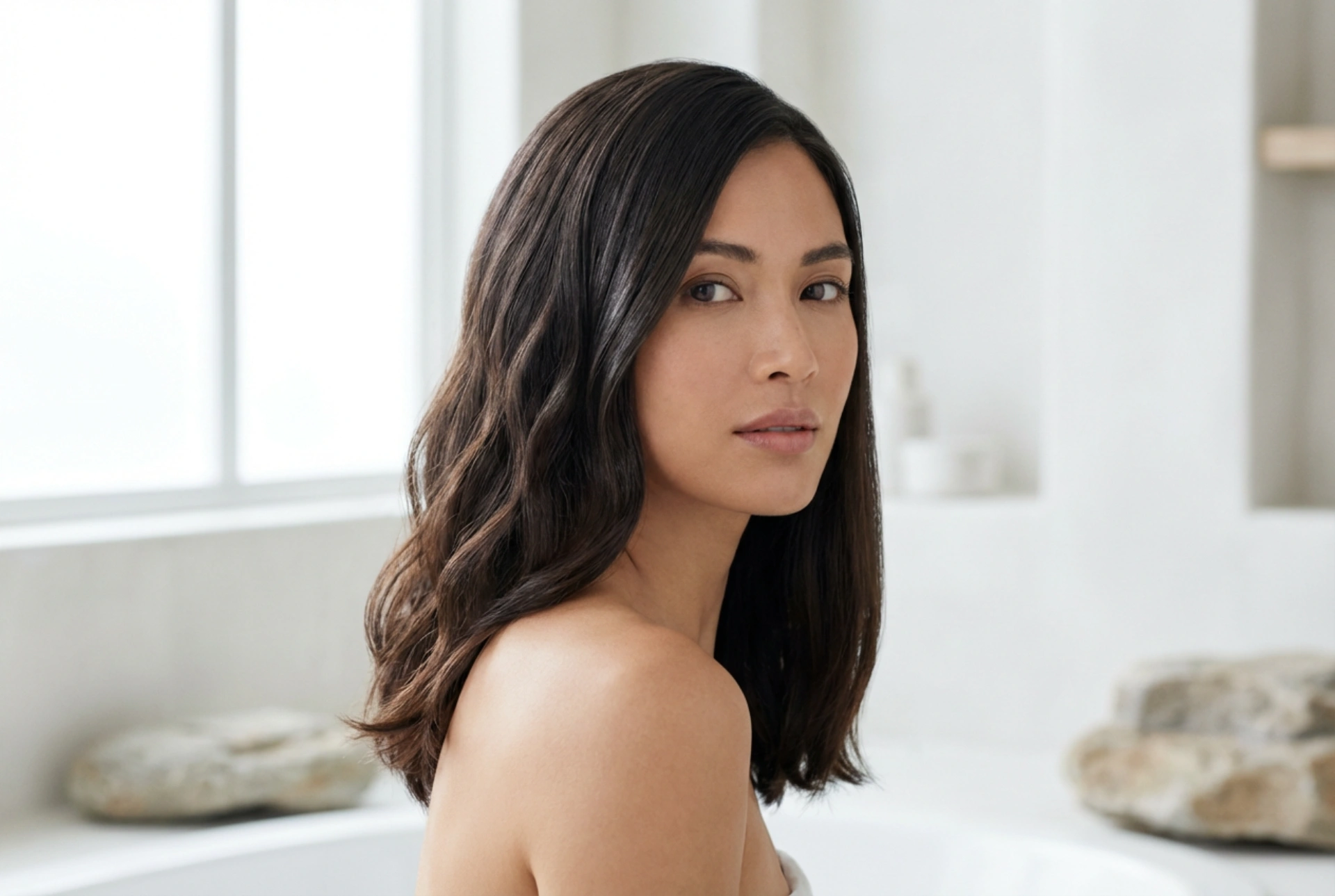


Shoulder-length hair holds a unique charm, striking the perfect balance between the ease of shorter cuts and the styling versatility of long locks. It’s a timeless choice that flatters almost every face shape and hair type. As seen in the elegant juxtaposition of soft waves and sleek strands, this length is a fantastic canvas for exploring different textures. Whether you prefer a romantic, wavy look or a sharp, polished finish, mid-length hair provides the ideal foundation for expressing your personal style. This guide will walk you through achieving both of these iconic looks while keeping your hair healthy and vibrant.
The Universal Appeal of Shoulder-Length Hair
Why is the 'lob' or shoulder-length cut so enduringly popular? Its primary advantage is its versatility. It's long enough to be tied up into a ponytail or an elegant updo, yet short enough that it doesn’t feel overwhelmingly heavy or high-maintenance. This length frames the face beautifully, drawing attention to the jawline and neck. It can be adapted with layers to add volume to fine hair or to remove bulk from thicker hair, making it a truly customisable option. It’s the perfect middle ground for those growing out a shorter style or for anyone wanting a significant change without committing to a very short haircut.
Mastering Soft, Natural-Looking Waves
Effortless waves give shoulder-length hair a touch of bohemian chic and romantic softness. This look is about creating texture and movement that appears natural and lived-in, not overly styled. The key is to work with your hair's natural tendencies and encourage gentle bends rather than perfect curls.
Preparation for Texture
Start with clean, damp hair. Applying a texturising spray or a lightweight mousse from roots to ends will provide grip and help the waves hold their shape. If you have fine hair that struggles to hold a style, this step is particularly important. Comb the product through for even distribution, ensuring every strand is prepped for styling.
Heat-Free Waving Methods
One of the gentlest ways to create waves is to use heat-free techniques overnight. This method minimises potential damage and results in a very natural-looking texture.
- Braiding: For looser, beachy waves, create one or two loose plaits in your damp hair before bed. For a tighter wave pattern, create multiple smaller braids. In the morning, simply undo the braids and gently separate the waves with your fingers.
- Twisting: Divide your hair into two or more sections. Twist each section away from your face until it coils into a small bun, and secure it with a soft hair tie or pins. Allow it to dry completely before releasing the twists.
Using Styling Tools for Defined Waves
For more control and definition, you can use heat styling tools. Always begin by applying a heat protectant spray to dry hair. Using a straightener, clamp a section of hair and turn the tool 180 degrees as you glide it down the hair shaft to create a soft 'S' shape. Alternatively, wrap sections of hair loosely around a large-barrel curling wand, holding for just a few seconds to create a bend rather than a tight curl. Alternate the direction of the waves for a more modern, less uniform finish. Once cool, brush through the waves with a wide-tooth comb or your fingers to soften them.
Achieving an Ultra-Sleek, Smooth Finish
In complete contrast to soft waves, a pin-straight, glossy look exudes sophistication and confidence. This style works beautifully on shoulder-length hair, creating sharp lines and a reflective, mirror-like shine. The goal is to eliminate all frizz and flyaways for a perfectly polished appearance.
Building a Smooth Foundation
The secret to a sleek finish begins with the blow-dry. After washing, apply a smoothing cream or serum to damp hair. Using a nozzle attachment on your hairdryer to direct the airflow, blow-dry your hair in sections from root to tip. A round or flat brush with natural bristles can help to create tension and smooth the hair cuticle as you dry. Make sure your hair is 100% dry before moving on to the next step, as any remaining moisture can cause frizz to reappear later.
The Art of Straightening
Once your hair is dry and prepped, it's time for the final smoothing touch. Section your hair and work with small, manageable portions. Lightly mist each section with a heat protectant. Clamp a high-quality flat iron at the root and glide it smoothly and steadily down to the ends. One or two passes per section should be sufficient; going over the same piece of hair repeatedly can cause unnecessary damage. For an extra-sleek effect, finish with a tiny amount of anti-frizz serum or a shine spray, focusing on the mid-lengths and ends.
Maintaining the Health of Your Mid-Length Hair
Whether you're styling it wavy or straight, keeping your shoulder-length hair healthy is paramount. Regular trims every 6-8 weeks will prevent split ends and keep your style looking sharp. Incorporate a deep conditioning treatment or hair mask into your routine once a week to replenish moisture and nutrients. When using heat, never skip the heat protectant, and try to give your hair a break from styling tools when possible. A healthy diet and staying hydrated also contribute significantly to the strength and shine of your hair from the inside out.