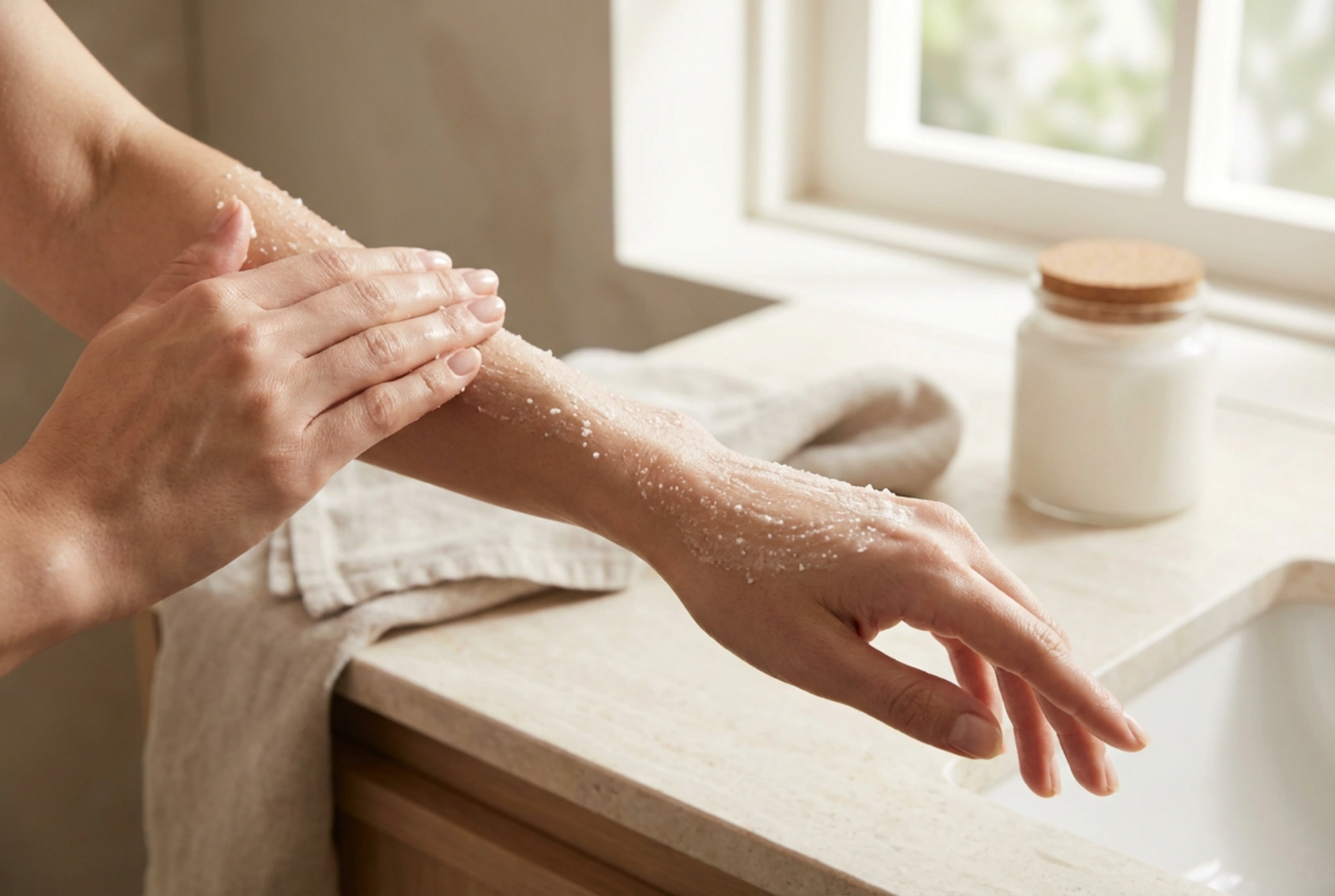


Achieving smooth, radiant skin is a common beauty goal, and one of the most effective ways to attain it is through regular body exfoliation. This essential step in any comprehensive body care routine involves removing dead skin cells from the surface, revealing the fresh, healthy skin underneath. By understanding the different types of exfoliants and mastering the correct technique, you can significantly improve your skin's texture and appearance, giving it a natural, healthy glow.
Why is Regular Body Exfoliation So Beneficial?
Our skin naturally sheds dead cells in a process called desquamation. However, this process can slow down due to age, environmental factors, or a lack of proper care, leading to dullness, rough patches, and clogged pores. Exfoliation helps to manually speed up this process. The key benefits include a smoother skin texture, a more even skin tone, and enhanced absorption of subsequent products like moisturisers and body oils. By clearing away the layer of dead cells, you allow hydrating ingredients to penetrate more deeply and work more effectively.
Choosing the Right Exfoliant for Your Skin
The market offers a wide variety of exfoliating products, which can generally be categorised into physical and chemical types. The best choice for you depends on your skin type and personal preference.
Physical Exfoliants
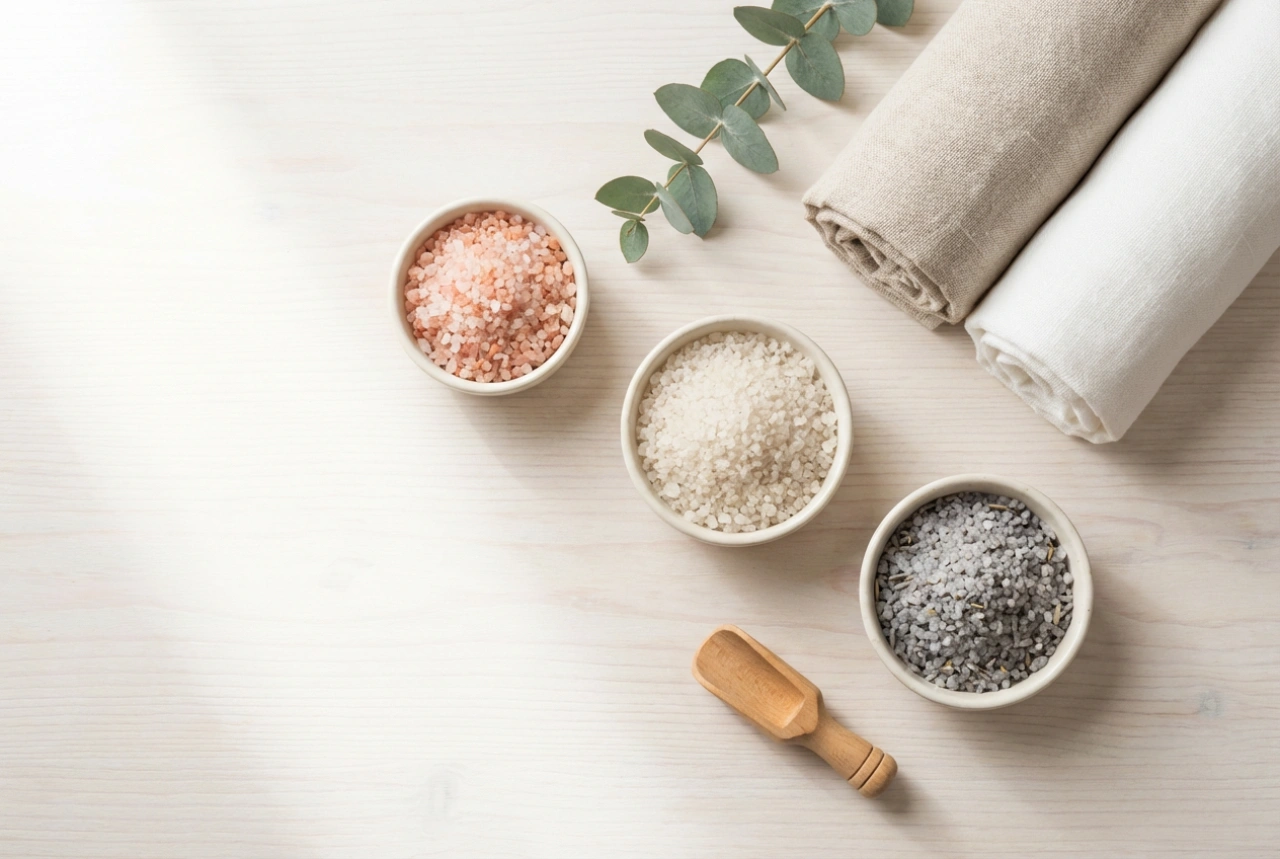
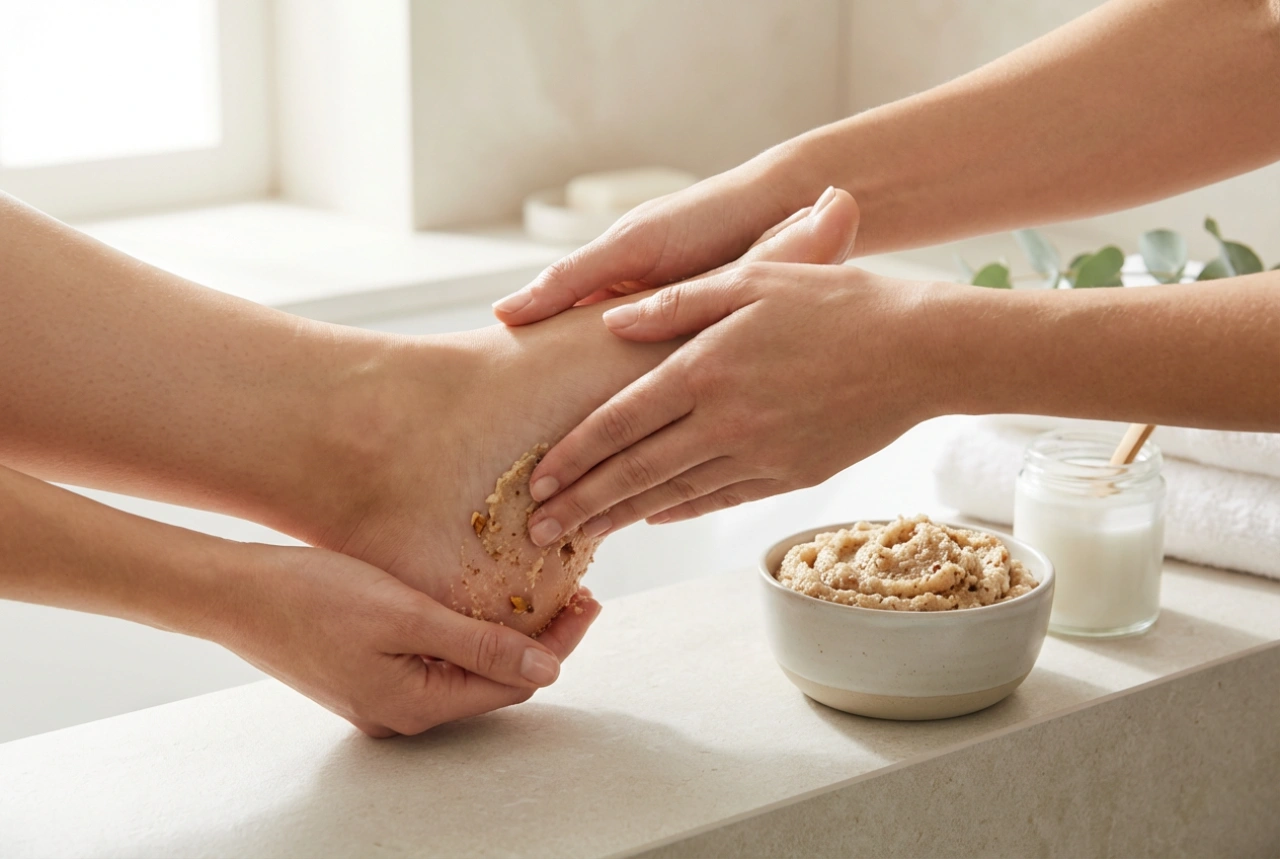
These are the most traditional type of exfoliants, commonly known as scrubs. They use fine particles to physically buff away dead skin cells. Common abrasive agents include sugar, salt, coffee grounds, crushed nut shells, or synthetic beads. Sugar scrubs are generally gentler as the granules dissolve with water, making them suitable for more sensitive skin. Salt scrubs are more abrasive and are excellent for rougher areas like elbows, knees, and feet. It's crucial to choose a scrub with fine, rounded particles to avoid creating micro-tears in the skin.
Chemical Exfoliants
Chemical exfoliants work without any scrubbing. They use acids or enzymes to dissolve the 'glue' that holds dead skin cells together, allowing them to be rinsed away easily. Common ingredients include Alpha-Hydroxy Acids (AHAs) like glycolic and lactic acid, and Beta-Hydroxy Acids (BHAs) like salicylic acid. AHAs are water-soluble and work on the skin's surface, making them great for improving texture and hydration. BHAs are oil-soluble, allowing them to penetrate deeper into the pores, which is beneficial for skin prone to bumps and congestion. These exfoliants often come in the form of lotions, serums, or body washes.
The Correct Technique for Body Exfoliation
How you exfoliate is just as important as what you use. Following the right steps ensures you get all the benefits without causing irritation.
- Start with damp skin: It's best to exfoliate in the shower or bath when your skin is warm and damp. This softens the skin and prepares it for exfoliation.
- Apply in gentle, circular motions: Take a small amount of your chosen exfoliant and massage it onto your body using gentle, circular motions. Start from your feet and work your way up towards your heart to help stimulate circulation.
- Pay attention to rough areas: Spend a little extra time on areas that tend to be rougher, such as your knees, elbows, and heels. Be much gentler on sensitive areas like the chest and neck.
- Rinse thoroughly: After you've exfoliated your entire body, rinse off completely with lukewarm water. Make sure no gritty particles are left on your skin.
- Pat dry: Gently pat your skin dry with a soft towel. Avoid vigorous rubbing, as the newly exfoliated skin can be more sensitive.
Frequency and Post-Exfoliation Care
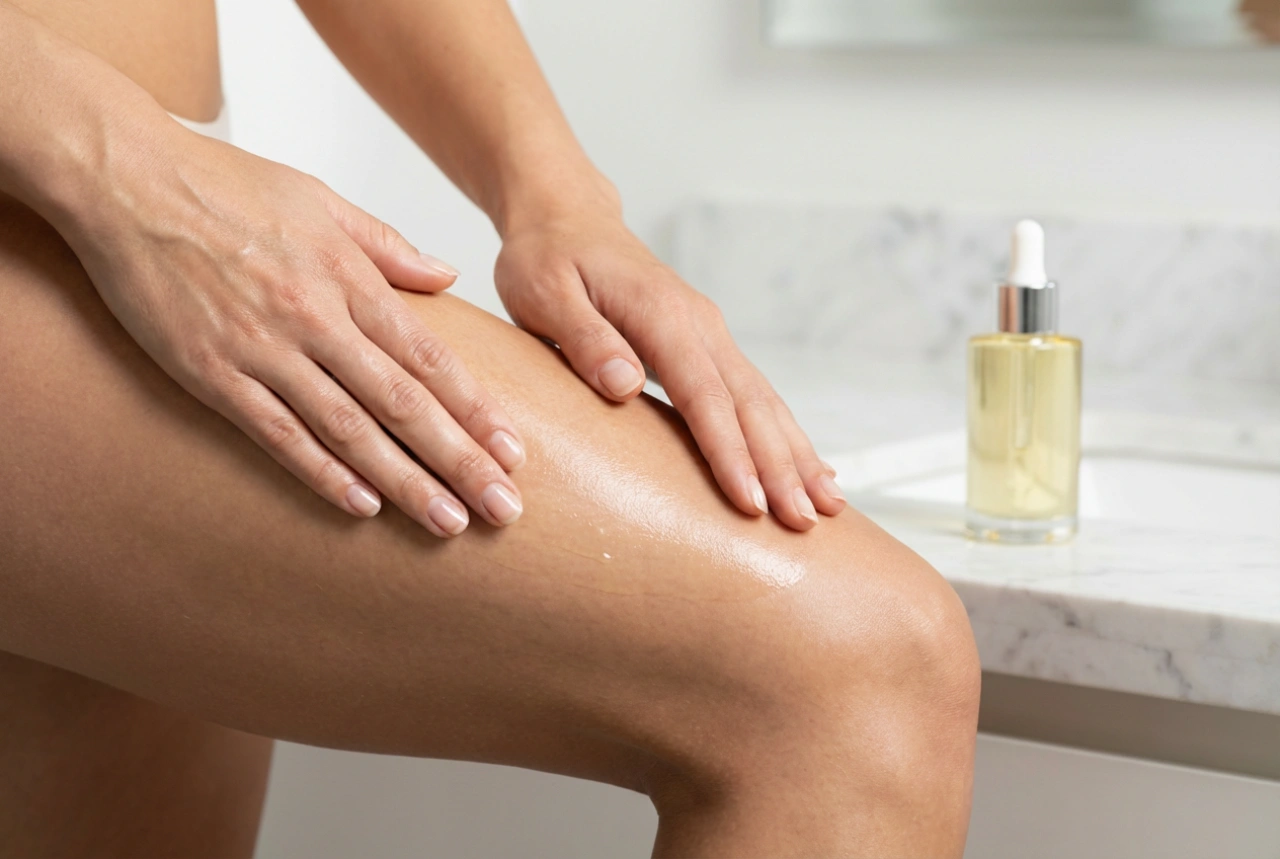
The golden rule of exfoliation is not to overdo it. For most skin types, exfoliating one to two times per week is sufficient. If you have very sensitive or dry skin, once a week or even once every two weeks may be enough. Oily skin types might tolerate exfoliating up to three times a week, but it's essential to monitor your skin's reaction. Over-exfoliation can strip the skin of its natural oils, leading to irritation, redness, and dryness. After every exfoliation session, it is absolutely crucial to moisturise. Apply a generous amount of a nourishing body lotion, cream, or oil to your still-damp skin. This helps to lock in moisture, soothe the skin, and protect the fresh layer of cells you've just revealed, leaving your body feeling soft, smooth, and revitalised.