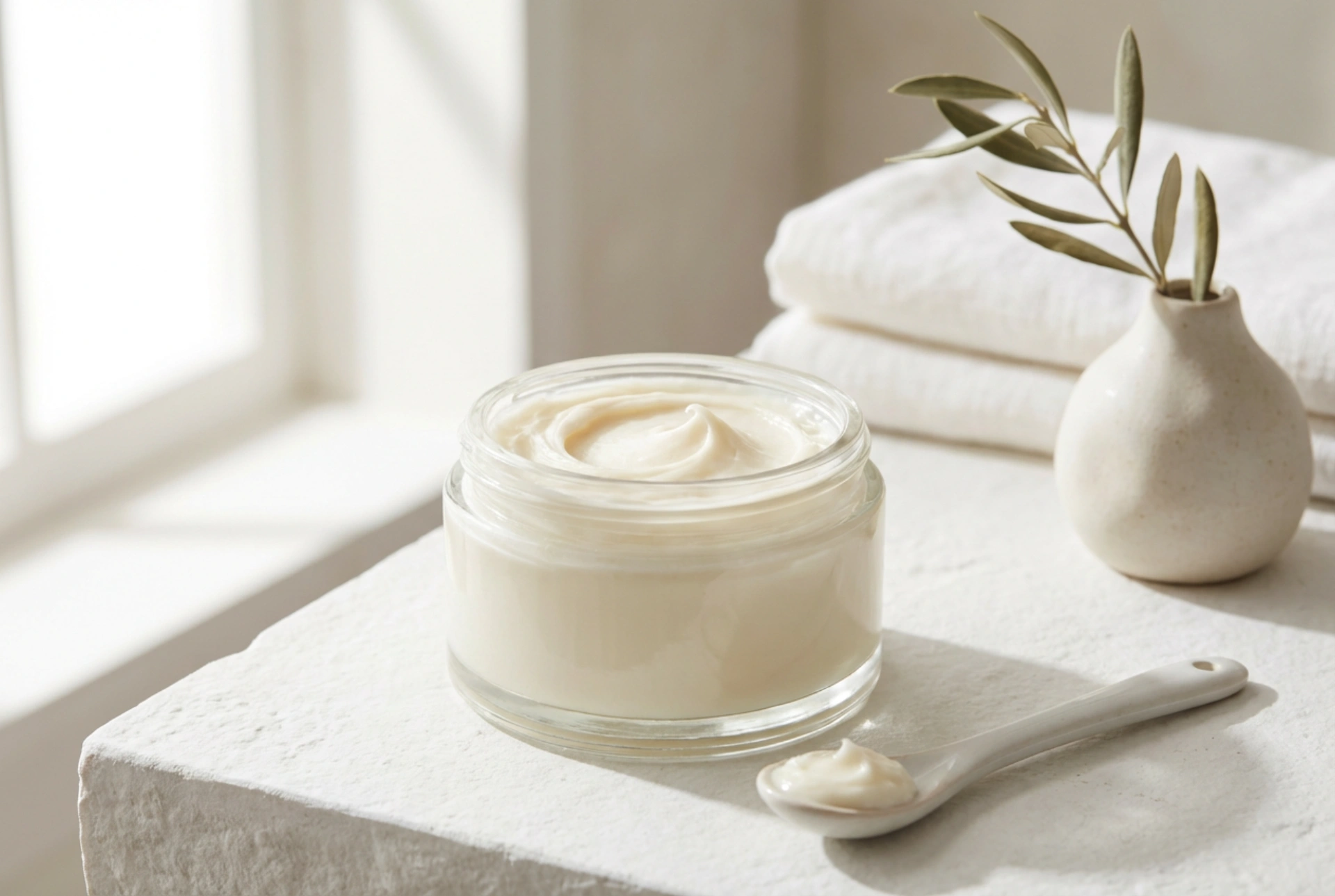


A good natural body balm can be a cornerstone of a conscious body care routine, leaving skin feeling soft, nourished, and deeply moisturised. Unlike lighter lotions, balms offer a richer, more concentrated form of hydration, often based on simple butters and oils. Their dense texture provides a protective barrier that helps to lock in moisture effectively. But with many options presented as 'natural', how do you choose the right one and use it to its full potential? This guide will help you decipher ingredient lists and master the art of application for beautifully supple skin.
What Makes a Body Balm 'Natural'?
The term 'natural' in cosmetics generally refers to products formulated primarily with ingredients derived from plant, mineral, or animal sources, processed in a way that preserves their integrity. For body balms, this means a base of rich, nourishing components. Look for ingredients that you can easily recognise. The core of a true natural balm is its simplicity and reliance on nature's moisturisers.
Key Components of Natural Balms:
- Butters: These form the solid, creamy base of the balm. Common examples include Shea Butter (Butyrospermum Parkii Butter) and Cocoa Seed Butter (Theobroma Cacao Seed Butter). They are renowned for their intense moisturising and skin-softening properties.
- Oils: Liquid plant oils are blended with butters to achieve the desired texture and add further benefits. Favourites include Coconut Oil (Cocos Nucifera Oil), Sweet Almond Oil (Prunus Amygdalus Dulcis Oil), Jojoba Seed Oil (Simmondsia Chinensis Seed Oil), and Olive Oil (Olea Europaea Fruit Oil).
- Waxes: Waxes like Beeswax (Cera Alba) or plant-based Carnauba Wax (Copernicia Cerifera Cera) help to solidify the balm and create a protective layer on the skin, which reduces moisture loss.
- Essential Oils and Extracts: These are often added for their subtle scents and additional skin-soothing properties, providing a gentle, natural fragrance instead of synthetic perfumes.
How to Read the Ingredient List (INCI)
Understanding the ingredient list is the most powerful tool you have for making an informed choice. Cosmetic ingredients are listed using the International Nomenclature of Cosmetic Ingredients (INCI) system. The key rule is that ingredients are listed in descending order of concentration. The first few ingredients make up the bulk of the product.
What to Look For:
In a high-quality natural balm, you should see beneficial butters and oils at the very top of the INCI list. Look for names like:
- Butyrospermum Parkii (Shea) Butter
- Theobroma Cacao (Cocoa) Seed Butter
- Cocos Nucifera (Coconut) Oil
- Prunus Amygdalus Dulcis (Sweet Almond) Oil
- Simmondsia Chinensis (Jojoba) Seed Oil
- Tocopherol (a form of Vitamin E, a natural antioxidant)
What to Be Mindful Of:
While not necessarily harmful, some ingredients may not align with the 'natural' ethos. For instance, a long list of complex chemical names right at the beginning might suggest a less natural formulation. Be mindful of generic terms like 'Parfum' or 'Fragrance', as these can hide a cocktail of synthetic scent chemicals. If you prefer a truly simple product, opt for those scented only with named essential oils or that are fragrance-free.
The Art of Application for Maximum Benefit
How you apply your body balm can make a significant difference to its effectiveness. Balms are thicker than lotions, so a little goes a long way, and technique matters.
Follow These Simple Steps:
- Apply to Damp Skin: The best time to use a body balm is immediately after a warm bath or shower. Pat your skin gently with a towel, leaving it slightly damp. This moisture will be sealed in by the balm, leading to superior hydration.
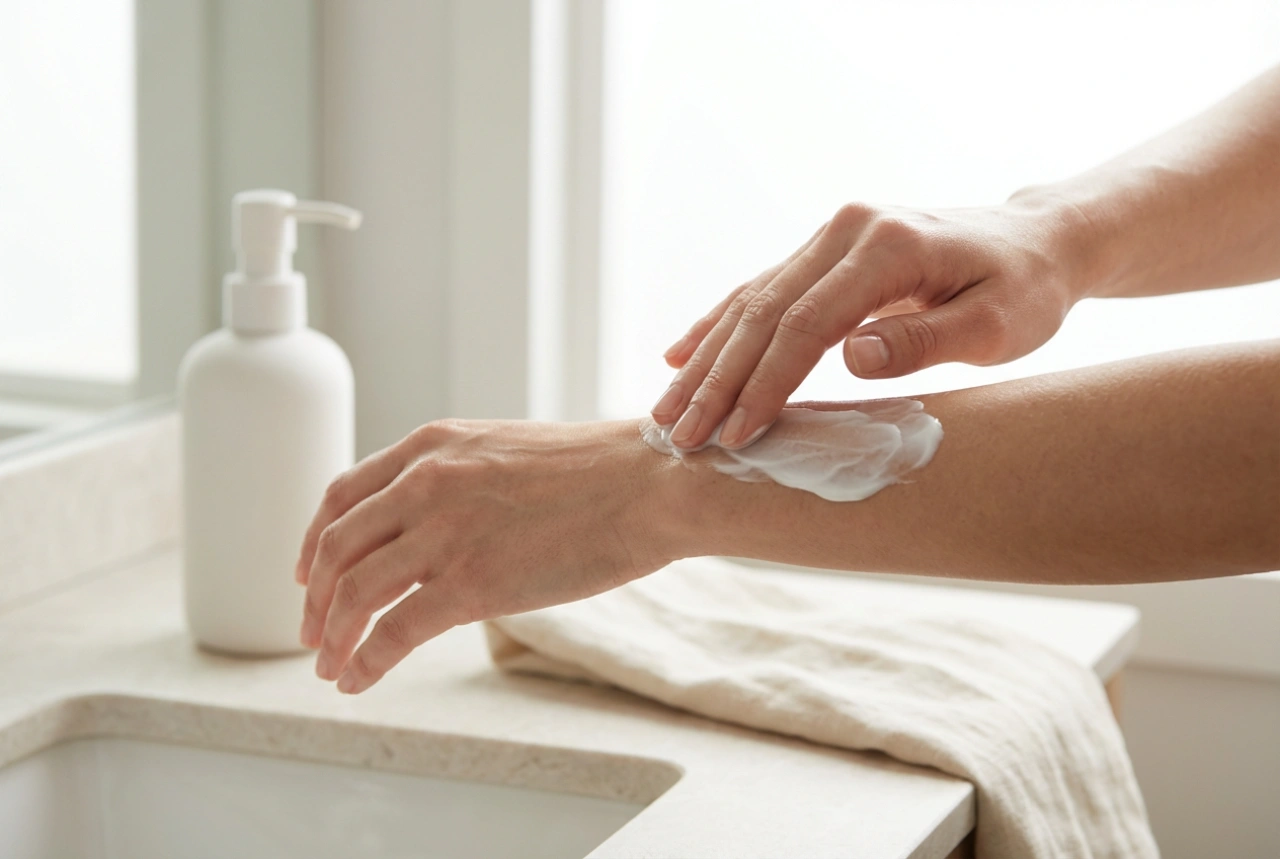
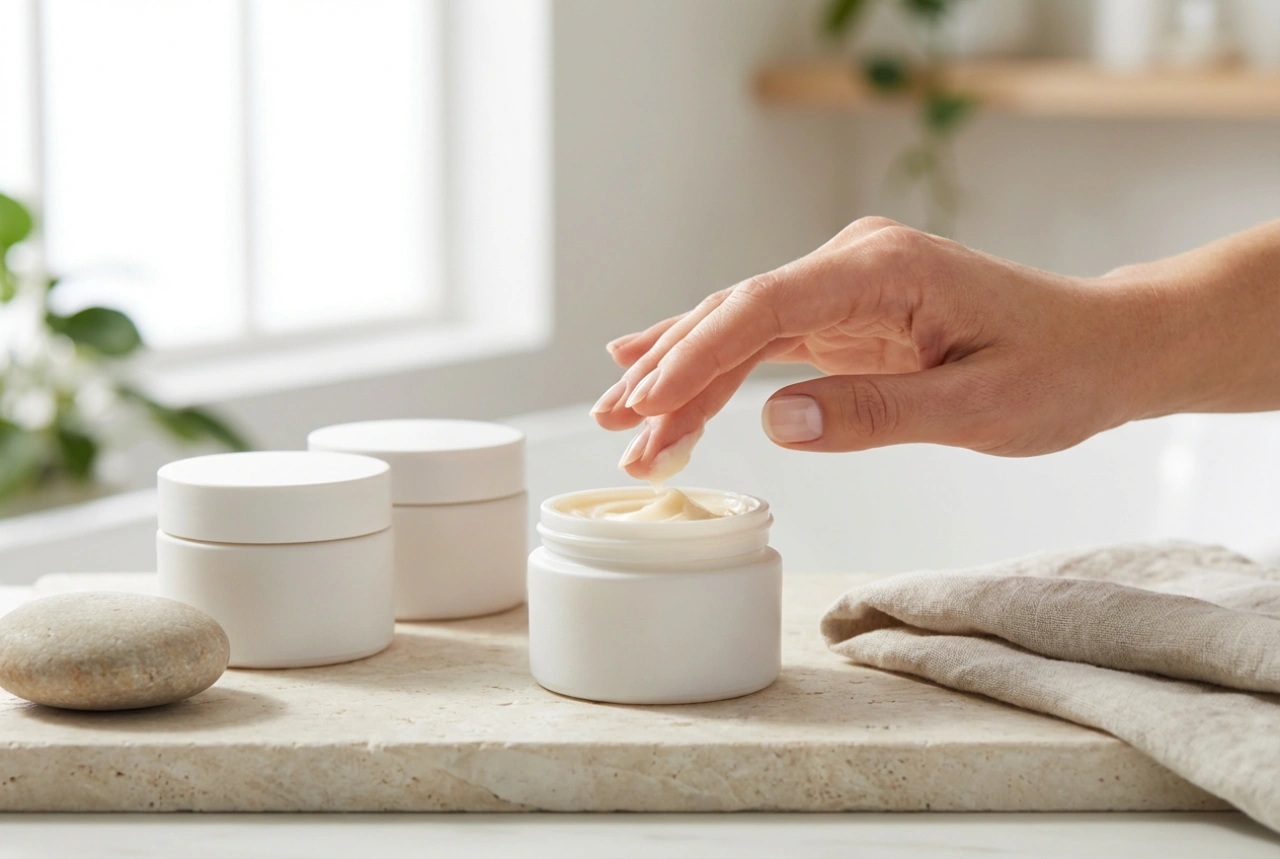
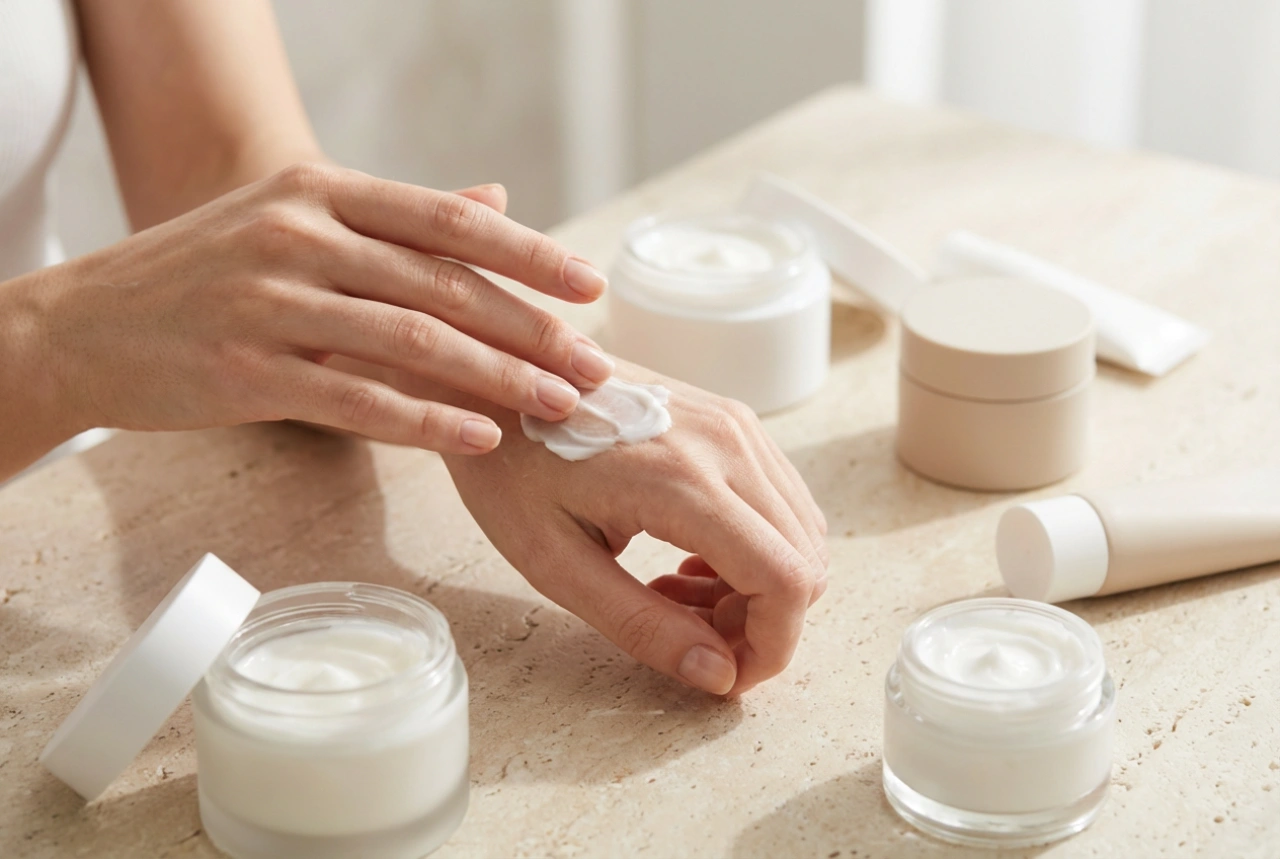
- Warm the Product: Scoop a small, pea-sized amount of balm with clean fingers or a spatula. Rub it between your palms. The warmth of your hands will melt the balm, transforming it from a solid into a smooth, luxurious oil that is easier to spread.
- Massage, Don't Just Rub: Apply the warmed balm to your body using gentle, circular massaging motions. This not only ensures even coverage but also stimulates blood flow, promoting healthy-looking skin. Take your time and enjoy the ritual.
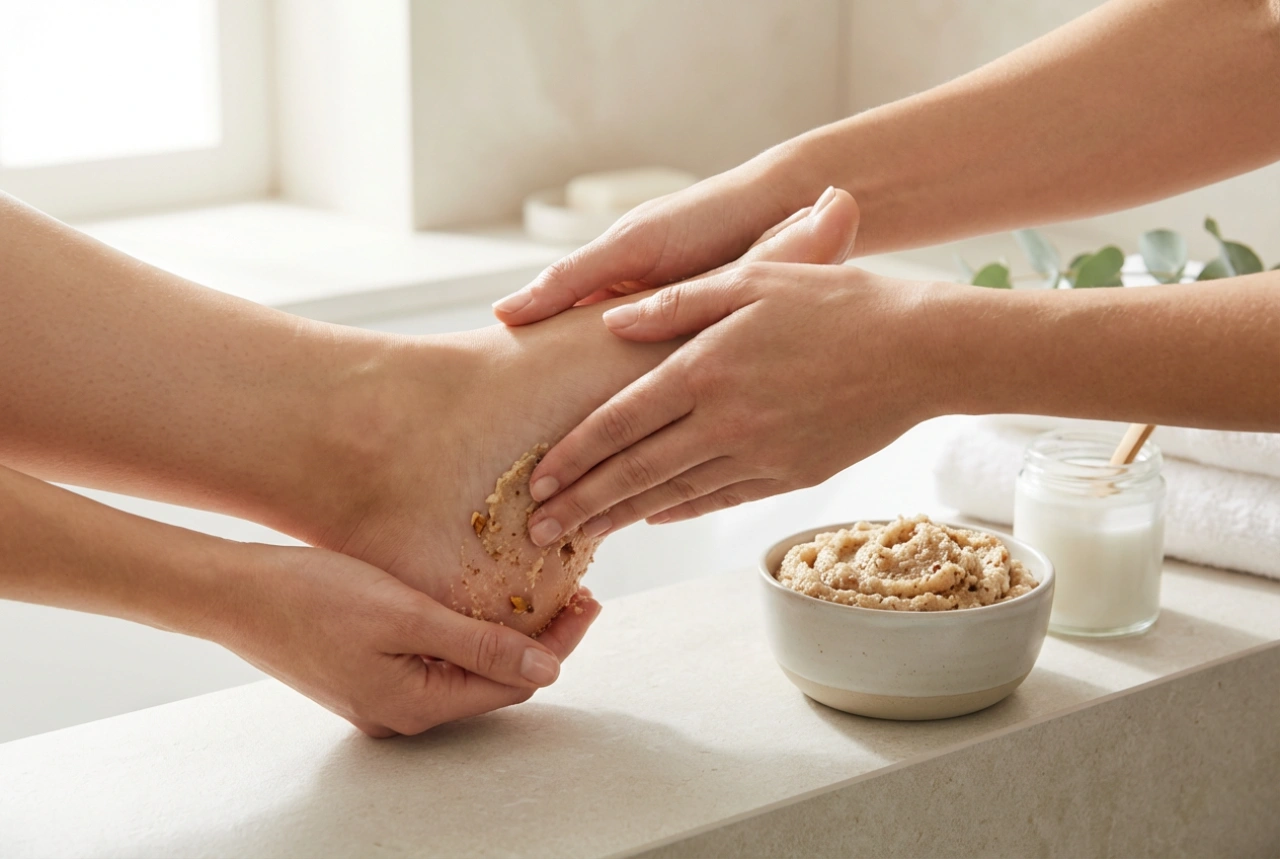
- Focus on Dry Areas: Pay special attention to areas prone to dryness, such as elbows, knees, heels, and hands. These spots will benefit from the balm's concentrated, protective properties.
By choosing your natural body balm wisely and applying it with care, you embrace a simple yet profound act of self-care. It's about understanding what you put on your body and using it in a way that provides the most benefit, resulting in skin that feels comfortable, nourished, and wonderfully soft to the touch.