

Caring for the sensitive skin in the bikini area is a key part of many self-care routines. Achieving a smooth, comfortable finish is a personal preference, and there are several effective methods you can use at home. The key to a successful experience lies in choosing the right technique for your skin and hair type, preparing the skin properly, and following up with gentle aftercare, much like applying a soothing lotion after any beauty ritual.
Choosing Your At-Home Hair Removal Method
Different methods offer varying results, duration, and levels of comfort. Understanding the options can help you decide which is best suited to your needs.
Shaving
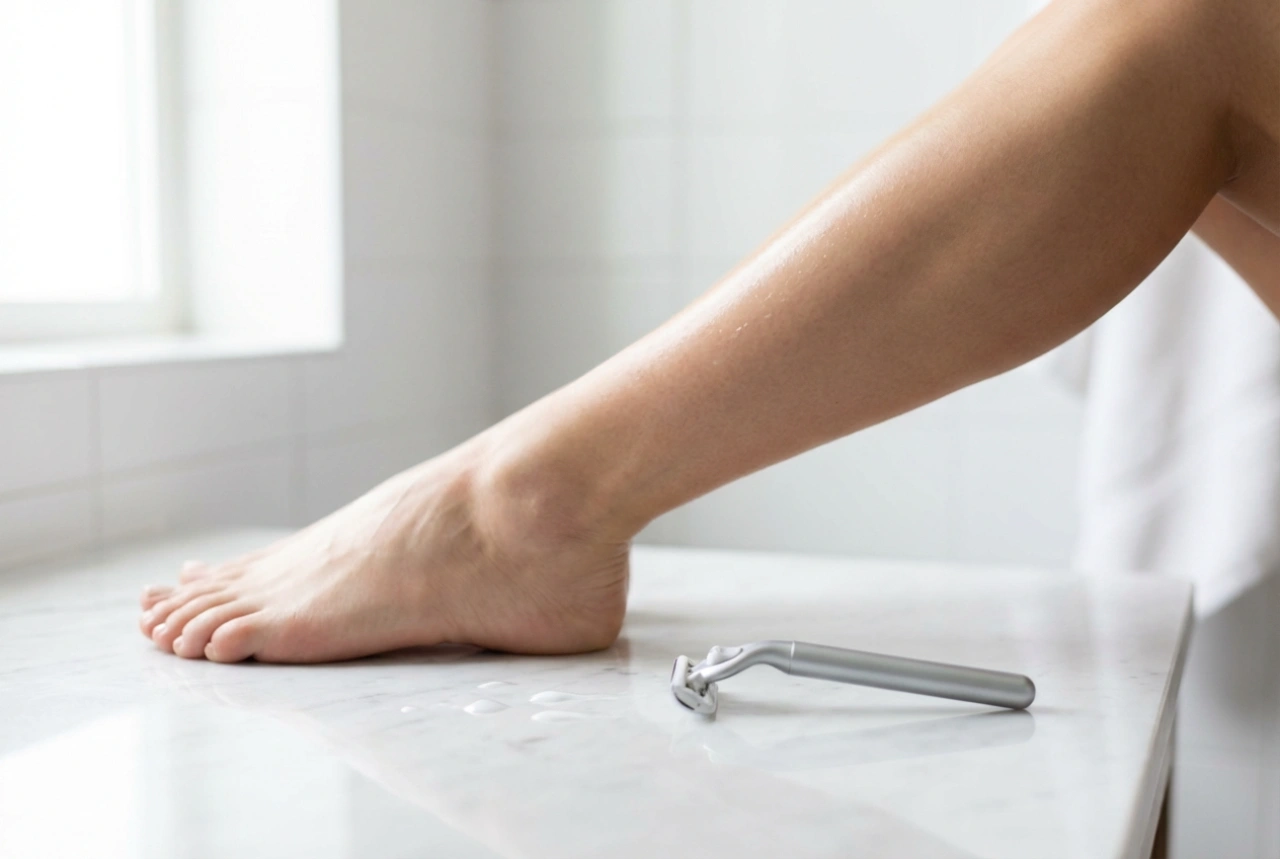
Shaving is one of the quickest and most accessible methods for bikini hair removal. It's painless when done correctly and ideal for a last-minute tidy-up. For best results, always use a sharp, clean razor specifically designed for sensitive areas or with multiple blades. Applying a shaving cream or gel is essential to provide lubrication and protect the skin from nicks and irritation. Shave in the direction of hair growth to minimise the risk of razor burn and ingrown hairs.
At-Home Waxing
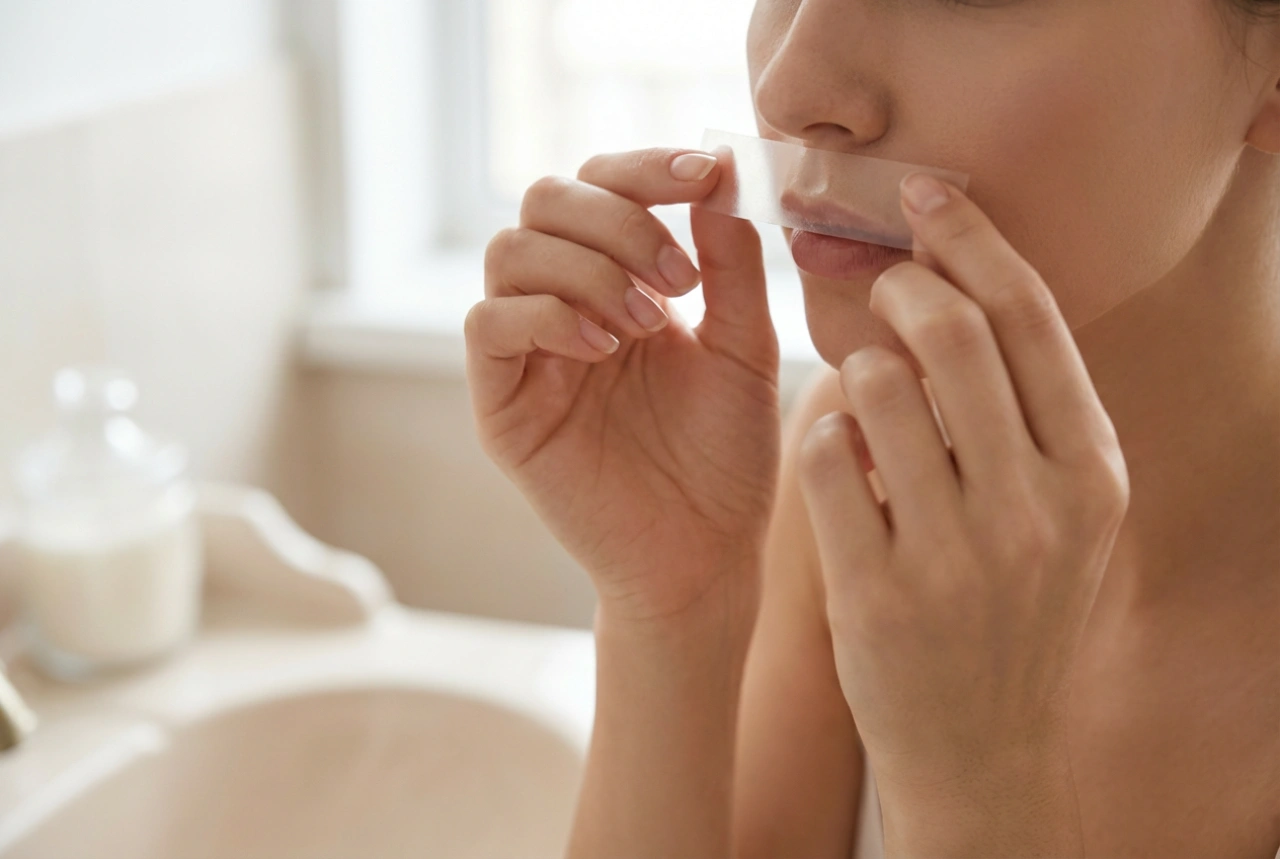
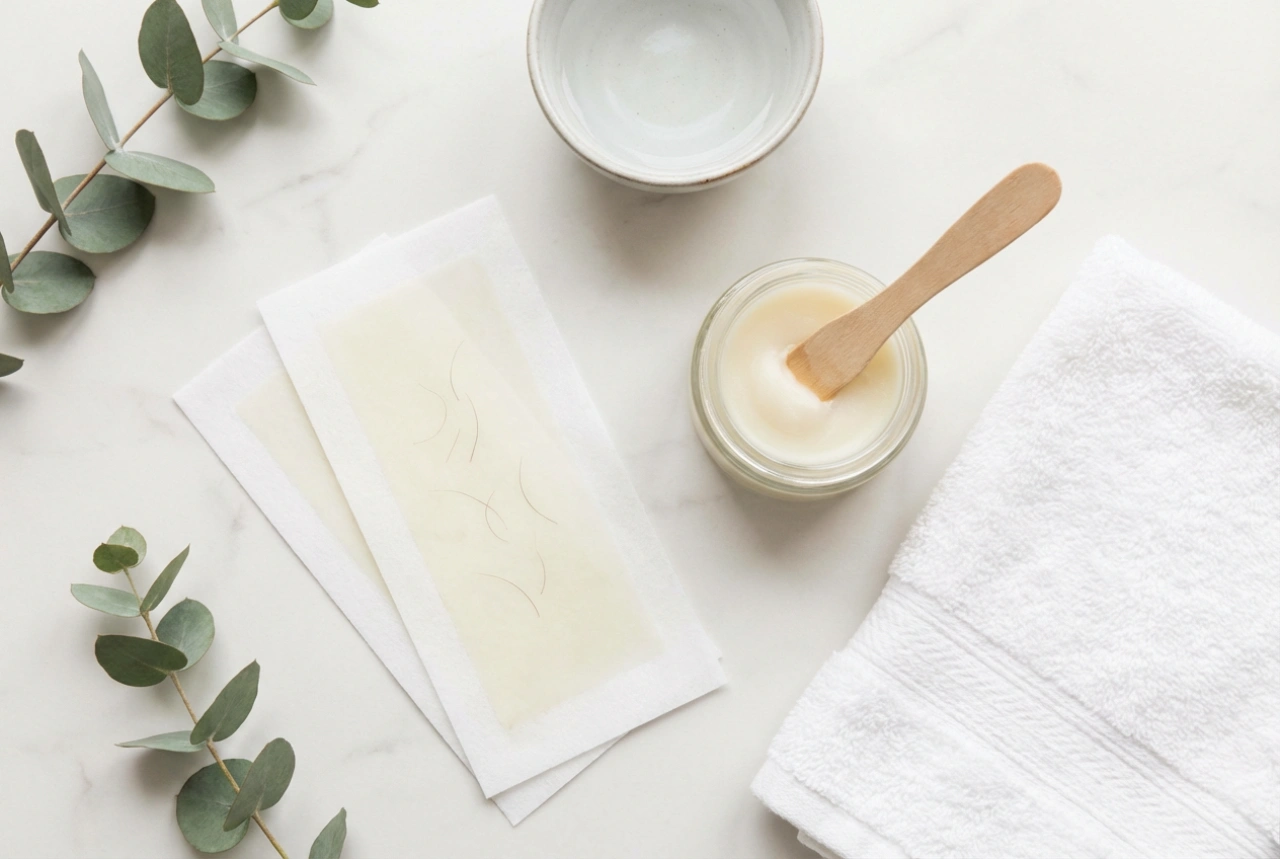
Waxing removes hair from the root, providing longer-lasting smoothness for several weeks. You can use pre-made wax strips or a warm wax kit. While effective, it can be uncomfortable, especially for beginners. The technique is crucial: apply wax in the direction of hair growth and pull the strip off quickly in the opposite direction, keeping the skin taut. Hair needs to be a certain length (around 0.6cm) for the wax to grip effectively.
Depilatory Creams
These creams work by using chemicals to dissolve hair at the skin's surface. They are generally painless and easy to use. Simply apply the cream, wait for the recommended time (usually 5-10 minutes), and then wipe or rinse it away along with the dissolved hair. Because they contain strong chemicals, it is absolutely crucial to perform a patch test on a small area of skin 24 hours before full application to check for any adverse reactions, especially in the delicate bikini area.
A Step-by-Step Guide to Bikini Hair Removal
Regardless of the method you choose, a consistent routine of preparation and aftercare will ensure the best possible results and help maintain healthy skin.
Step 1: Preparation
Proper prep is non-negotiable for a smooth outcome and minimising irritation. Start a day or two before you plan to remove hair.
- Trim longer hairs to about 0.6cm. This makes shaving easier and is necessary for wax to work effectively.
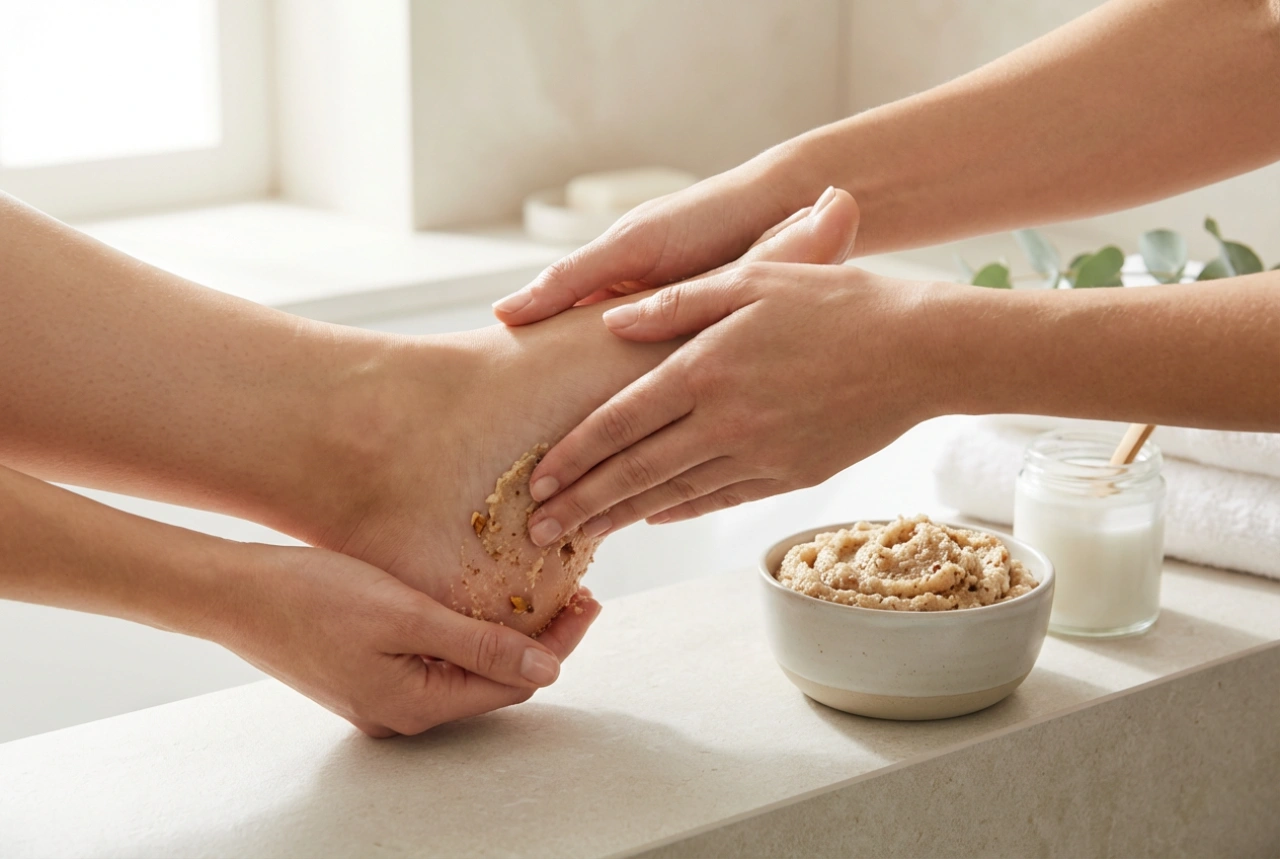
- Gently exfoliate the area 24-48 hours beforehand. Use a mild scrub or exfoliating mitt to remove dead skin cells, which helps prevent ingrown hairs.
- Just before you begin, cleanse the skin with warm water and a gentle, pH-balanced wash. The warmth helps to soften the hair and open up the pores.
Step 2: The Hair Removal Process
Create a comfortable, clean, and well-lit environment. Ensure you have all your tools ready.
- During the process, always hold the skin taut with your free hand. This creates a flat, firm surface, which leads to a closer shave or a more effective wax pull.
- Carefully follow the specific instructions provided with your chosen product, whether it's a razor, wax kit, or depilatory cream. Do not exceed the recommended time for creams.
Step 3: Essential Aftercare
What you do immediately after hair removal is just as important as the preparation.
- Rinse the area with cool water to help soothe the skin and close the pores.
- Gently pat the skin dry with a clean, soft towel. Avoid rubbing, as this can cause irritation.
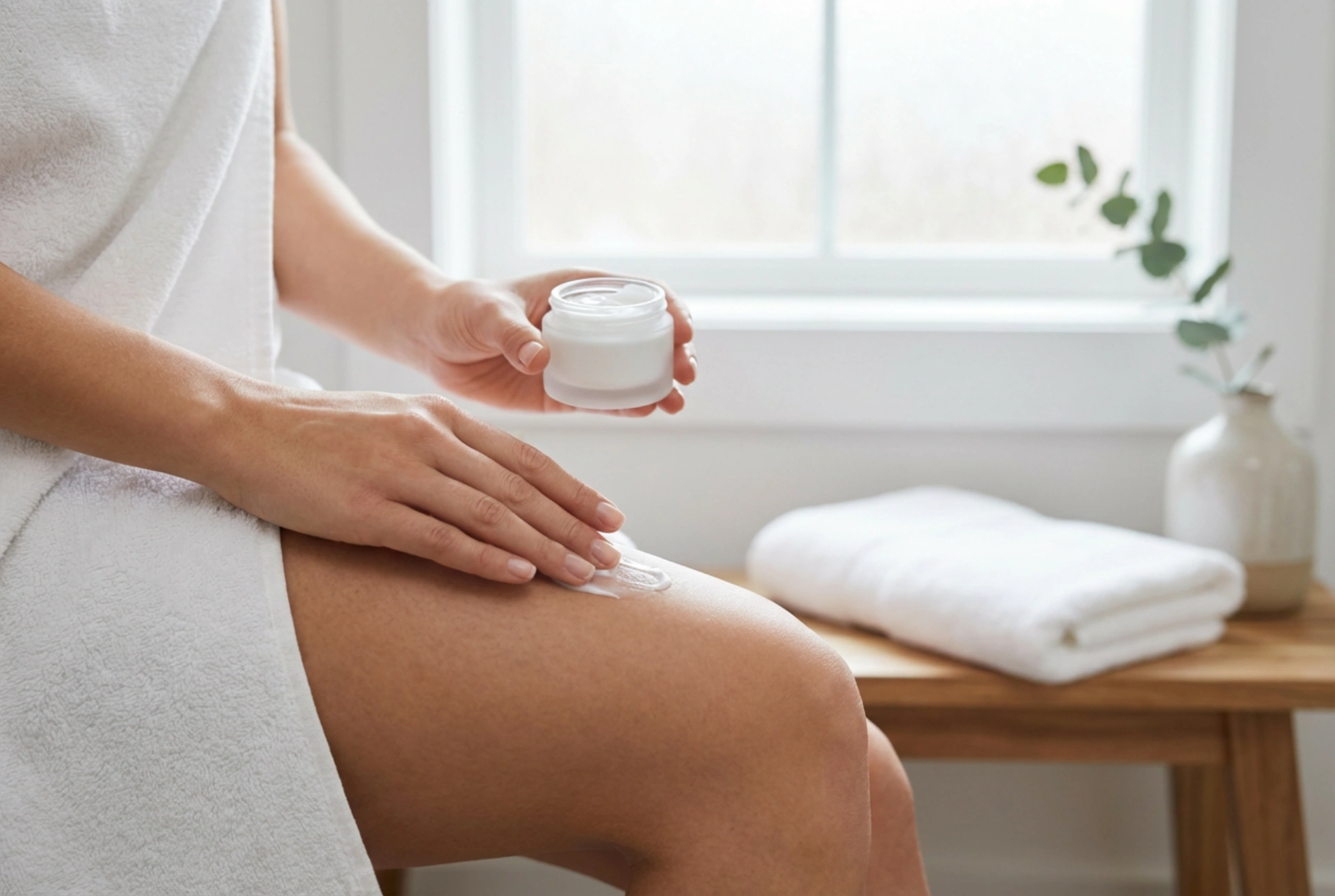
- Apply a fragrance-free, alcohol-free soothing lotion or moisturiser. Look for ingredients like aloe vera or chamomile to help calm the skin.
Common Mistakes to Avoid
Steering clear of these common errors can make a significant difference in your comfort and results.
- Using a dull or dirty razor: This is a leading cause of razor burn, bumps, and nicks. Always use a sharp, clean blade.
- Skipping a patch test: When using depilatory creams or new wax products, always test them on a small patch of skin first to rule out sensitivity or allergic reactions.
- Ignoring hair length for waxing: Waxing hair that is too short will be ineffective, while hair that is too long can make the process more painful. The ideal length is key.
- Neglecting exfoliation: A build-up of dead skin cells can trap hairs, leading to painful and unsightly ingrown hairs. Exfoliate regularly between hair removal sessions.
- Wearing tight clothing right after: Immediately after hair removal, the skin is sensitive. Tight, synthetic fabrics can cause friction and trap heat, leading to irritation. Opt for loose, cotton underwear and clothing for at least 24 hours.
Achieving a smooth bikini line at home is a matter of preparation, careful technique, and dedicated aftercare. By choosing a method that suits you and avoiding common pitfalls, you can ensure the process is as comfortable and effective as possible, leaving your skin feeling soft and cared for.