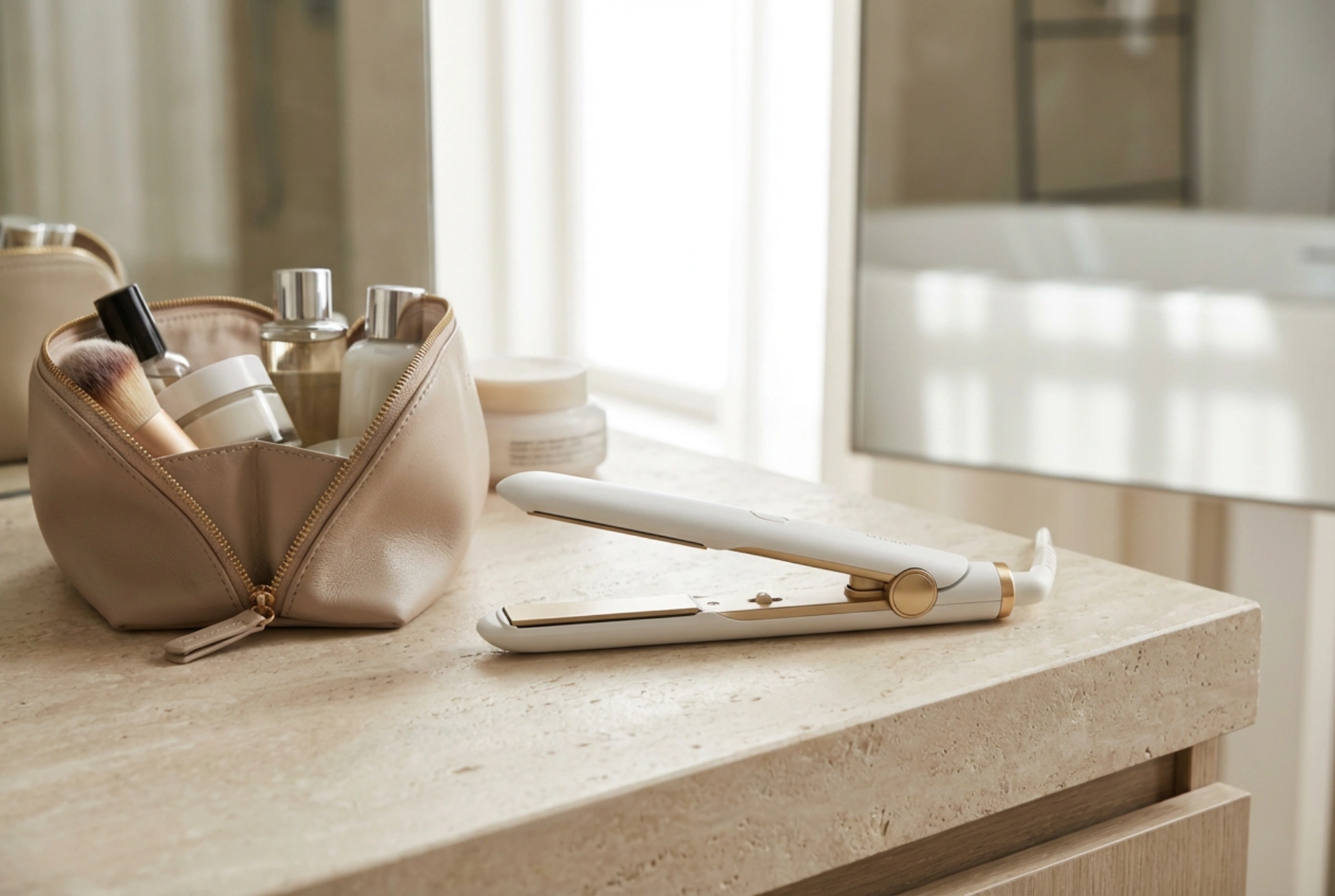


A compact hair straightener is a true game-changer for anyone who values precision styling and convenience, whether on holiday or simply needing a quick touch-up. Its small size makes it an indispensable tool, fitting perfectly into a cosmetic bag alongside other travel-sized essentials. It offers a practical solution for maintaining a polished look, especially for those with fringes or shorter hairstyles, proving that great style doesn't always require large, cumbersome tools.
Why Choose a Mini Straightener?
The primary advantage of a mini straightener is its portability. Its compact and lightweight design makes it ideal for travel, fitting easily into hand luggage, a gym bag, or even a desk drawer at the office for post-work freshening up. Beyond travel, these smaller tools offer unparalleled precision. They are perfectly suited for styling short hair, taming unruly cowlicks, or creating a perfectly shaped fringe, tasks where a full-sized straightener can be awkward and less effective. Their narrow plates allow you to get closer to the roots, providing more control over smaller sections of hair.
Key Features to Look For When Choosing
When selecting a mini straightener, several features can significantly impact its performance and suitability for your needs. Paying attention to these details will ensure you find a tool that is both effective and safe for your hair.
Plate Material and Size
The material of the plates is crucial for hair health. Ceramic plates are a popular choice as they provide even heat distribution, which helps to minimise heat damage. For those concerned with frizz, tourmaline-infused ceramic plates are an excellent option, as they emit negative ions that create a smoother, shinier finish. Titanium plates heat up very quickly and maintain a consistent temperature, making them a great choice for thicker, more resilient hair types. The plate width is also important; narrower plates (around 1-1.5 cm) offer the best precision for fringes and short hair.
Temperature and Voltage
Not all mini straighteners come with adjustable temperature settings. Many have a single, fixed heat setting designed to be suitable for most hair types. However, if you have very fine or colour-treated hair, a model with adjustable temperature controls is preferable, as it allows you to use a lower heat setting to prevent damage. For frequent travellers, dual voltage is a non-negotiable feature. A dual-voltage tool can be used worldwide with a simple plug adapter, eliminating the need for a bulky voltage converter.
How to Use a Mini Straightener Effectively
To get the best results from your mini straightener and protect your hair, it's important to use the correct technique. Proper preparation and application are key to achieving a flawless look.
Preparation is Key
Always begin with completely dry hair. Using a straightener on damp hair can cause significant damage. Before applying any heat, spray a heat protectant evenly throughout the sections you plan to style. This creates a protective barrier between your hair and the hot plates, reducing the risk of breakage and heat stress. Even if you are only styling a small area like your fringe, do not skip this step.
Techniques for Fringes and Touch-ups
For styling a fringe, section it off from the rest of your hair. Clamp the straightener near the roots and glide it down towards the ends in a single, smooth motion. To create a natural-looking curve, slightly bevel the straightener inwards as you reach the ends. Avoid holding the straightener in one spot for too long. For quick touch-ups, use the mini straightener to smooth flyaways around your hairline or to redefine the ends of layers. Its small size allows for targeted styling without having to redo your entire hairdo.
Care and Maintenance
Proper care will extend the life of your mini straightener and ensure it continues to perform well. Once the tool is completely cool and unplugged, wipe the plates with a soft, damp cloth to remove any product build-up. This prevents residue from transferring back onto your hair during the next use. Store your straightener in a heat-resistant pouch, which is especially useful for packing it away quickly while travelling. Avoid wrapping the cord tightly around the tool, as this can damage the internal wiring over time. Instead, loosely coil the cord next to the device.