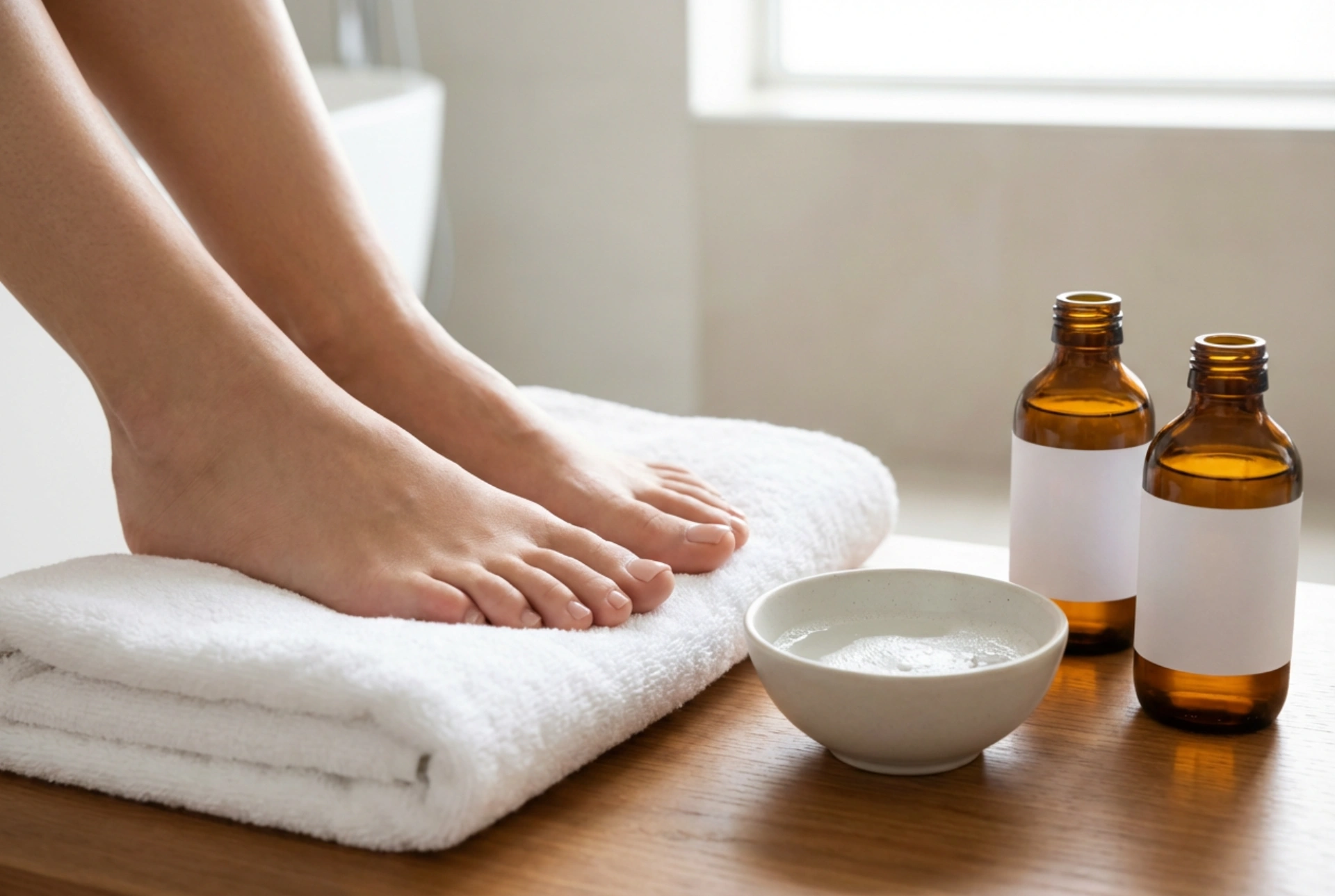


Taking care of our feet is an essential part of any self-care routine, yet they are often overlooked until they feel rough or uncomfortable. Achieving soft, smooth feet doesn't always require harsh scrubbing. Gentle chemical exfoliation using acid peels can effectively renew the skin's surface, revealing healthier-looking skin underneath. Understanding how these products work and how to use them correctly is key to enjoying their full benefits safely at home.
What Is an Acid Foot Peel?
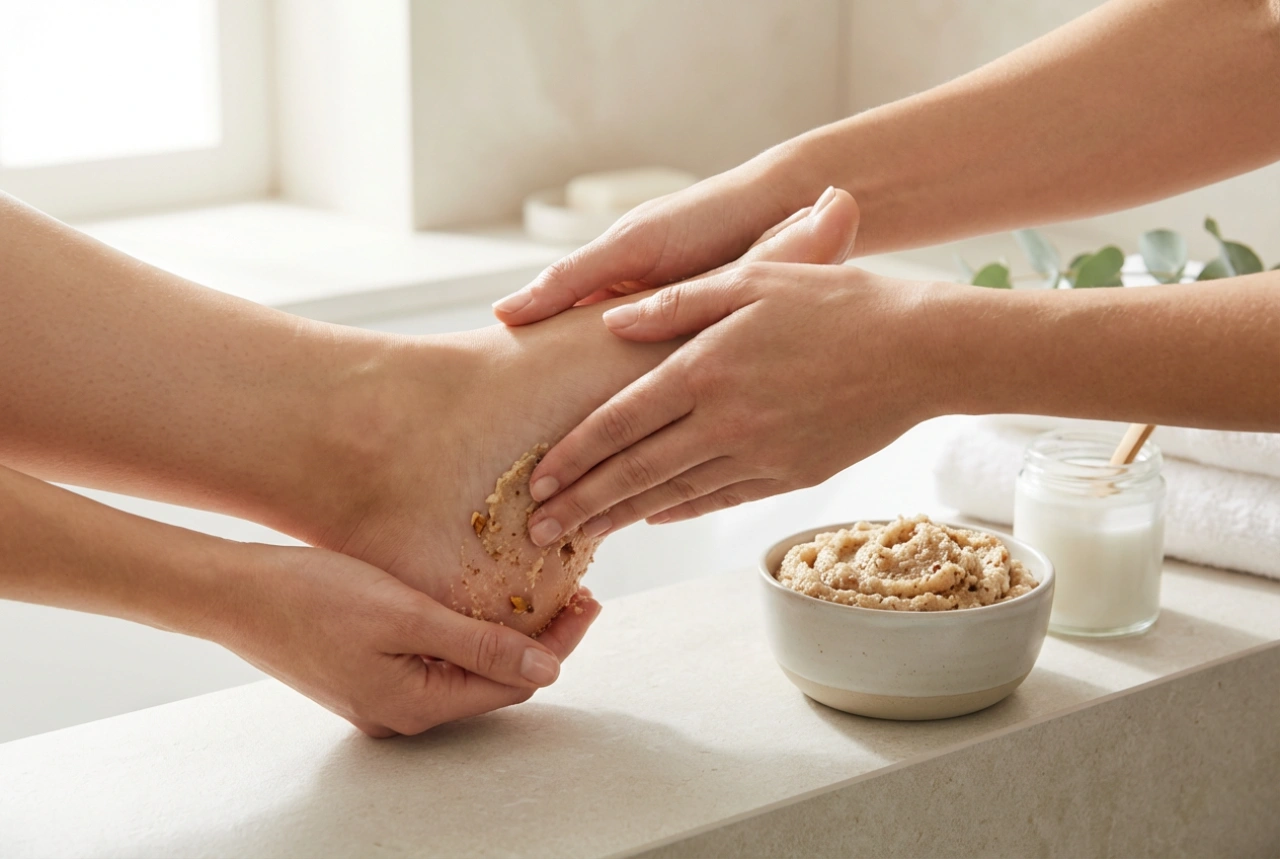
An acid foot peel is a cosmetic treatment that uses a solution of various acids to chemically exfoliate the skin. Unlike physical exfoliants like scrubs or pumice stones that manually slough away dead cells, acid peels dissolve the bonds that hold dead skin cells to the surface. This process encourages the shedding of the outermost layer of hardened, dry skin, which typically occurs over several days following the treatment. The result is noticeably softer and smoother skin, achieved without abrasive friction.
Common Acids in Foot Care Cosmetics
Foot peel formulas often contain a blend of different acids to provide comprehensive results. Each type has unique properties that contribute to the overall effectiveness of the treatment. It's helpful to recognise the most common ones to understand what a product offers.
Alpha-Hydroxy Acids (AHAs)
AHAs are water-soluble acids that work on the surface of the skin. They are excellent for improving skin texture and hydration. The most common AHAs in foot peels are:
- Glycolic Acid: With the smallest molecular size among AHAs, it penetrates the skin effectively to promote exfoliation.
- Lactic Acid: A gentler AHA that not only exfoliates but also has moisturising properties, helping to keep the skin hydrated.
Beta-Hydroxy Acids (BHAs)
BHAs are oil-soluble, which allows them to penetrate deeper into the pores. The primary BHA used in skincare is:
- Salicylic Acid: It is particularly effective at exfoliating within the pores and on the skin's surface. This makes it a valuable ingredient for thoroughly clarifying the skin on the feet, which can be prone to clogged pores and impurities.
Poly-Hydroxy Acids (PHAs)
PHAs are often considered the gentler cousins of AHAs. They have a larger molecular structure, which means they do not penetrate as deeply and tend to be less irritating.
- Gluconolactone & Lactobionic Acid: These PHAs provide gentle exfoliation while also offering hydrating and antioxidant benefits, making them suitable for those who find other acids too strong.
How to Safely Apply an Acid Foot Peel at Home
For a safe and effective at-home treatment, it's crucial to follow a structured process. Always read and adhere to the specific instructions provided with your chosen product, as formulations can vary.
- Perform a Patch Test: Before applying the peel to your entire foot, test a small, discreet area of skin (like the arch of the foot) 24-48 hours beforehand to check for any signs of irritation or adverse reaction.
- Prepare Your Feet: Start with clean, dry feet. Wash them with a mild soap and water, then pat them completely dry. Do not apply any lotions or creams.
- Apply the Product: Most foot peels come in the form of pre-soaked booties or a gel solution. If using booties, simply slip your feet inside and secure them. If using a gel, apply an even layer across the soles and other hardened areas, avoiding the delicate skin on the top of your feet.
- Wait Patiently: Leave the product on for the duration specified in the instructions, which is typically 60-90 minutes. Avoid walking around to prevent slipping and to ensure the solution stays in contact with the skin.
- Rinse Thoroughly: After the recommended time has passed, remove the booties or wash the gel off with lukewarm water and a gentle cleanser. Pat your feet dry. The peeling process will not start immediately but usually begins within 3-7 days.
Frequency and Aftercare
The frequency of using an acid foot peel depends on the product's strength and your skin's condition. It's generally a treatment to be used sparingly, not as part of a weekly routine. For most people, using a peel once every 2-3 months is sufficient to maintain soft feet. Over-exfoliation can strip the skin's protective barrier and lead to sensitivity.
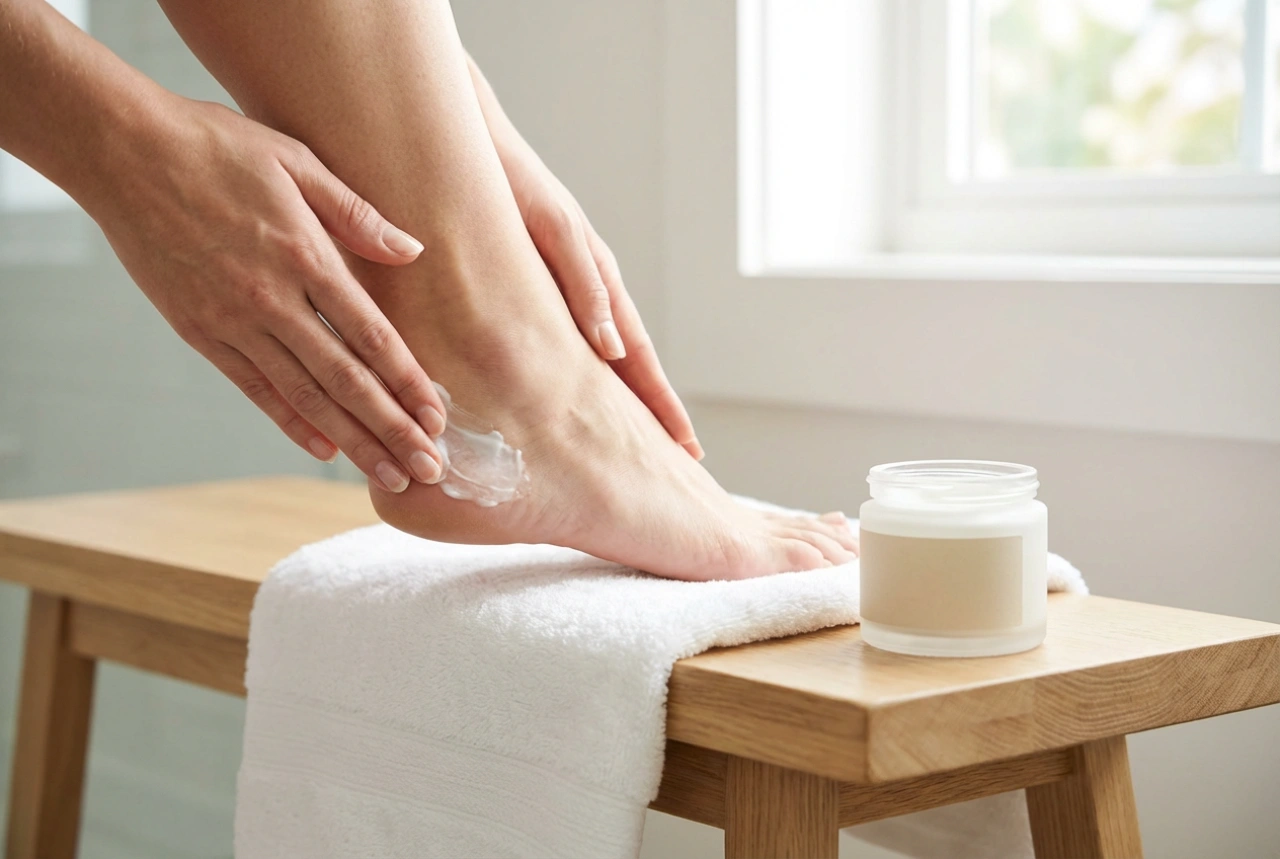
Aftercare is just as important as the application itself. In the days following the treatment, while the skin is peeling, it's best to let it shed naturally. Do not pull or pick at the peeling skin, as this can cause damage to the new skin underneath. Keep your feet well-hydrated by applying a rich, nourishing foot cream daily. This will help soothe the new skin and maintain its softness and moisture balance for longer.