

Our feet are the foundation of our daily activities, yet they are often the most neglected part of our beauty routine. Providing them with regular care not only improves their appearance but also contributes to our overall sense of well-being. Establishing a simple foot care ritual, incorporating daily habits and weekly treatments, can prevent common issues like dryness and fatigue, leaving your feet feeling soft, smooth, and revitalised.
Daily Habits for Healthy Feet
Consistency is key when it comes to foot care. Integrating a few simple steps into your daily routine can make a significant difference in the health and appearance of your feet. These foundational habits prevent common issues and create a perfect base for more intensive treatments.
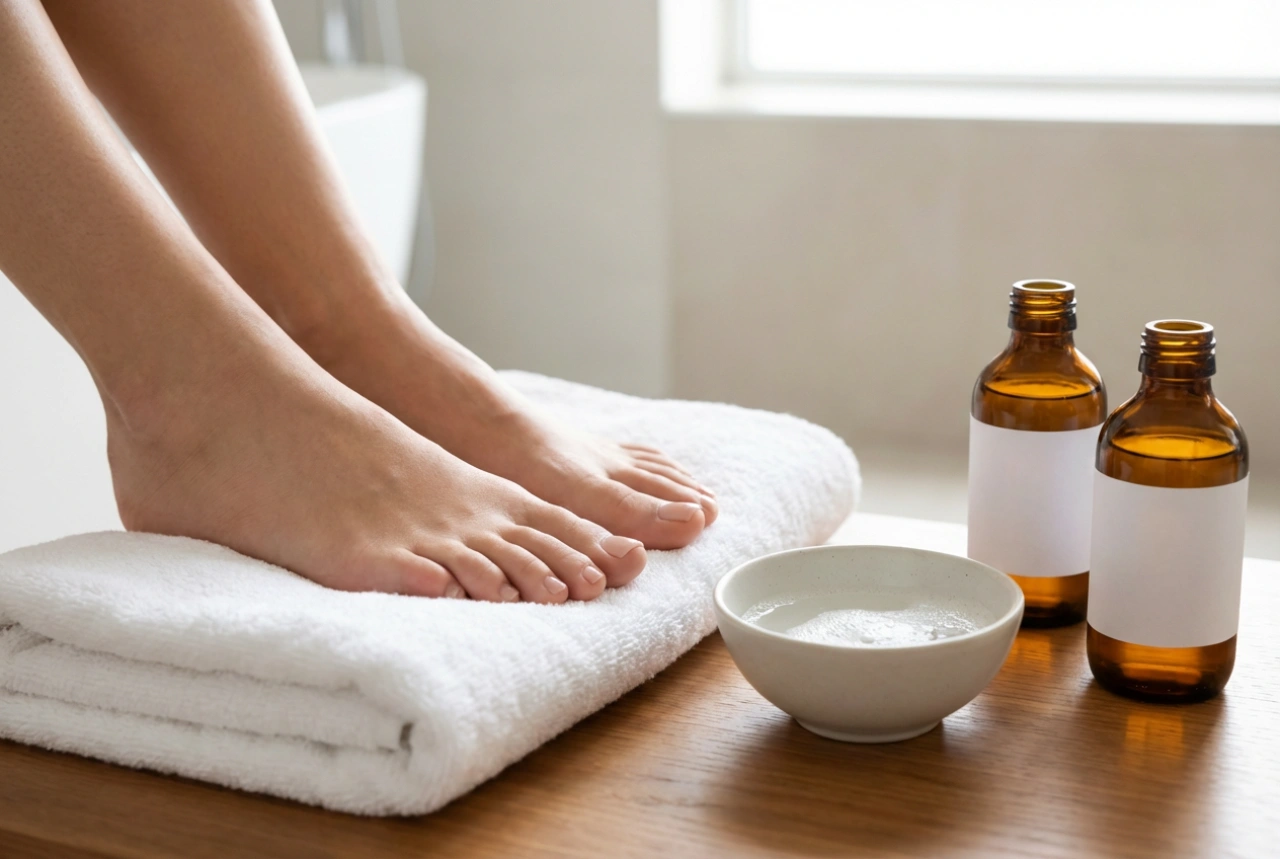
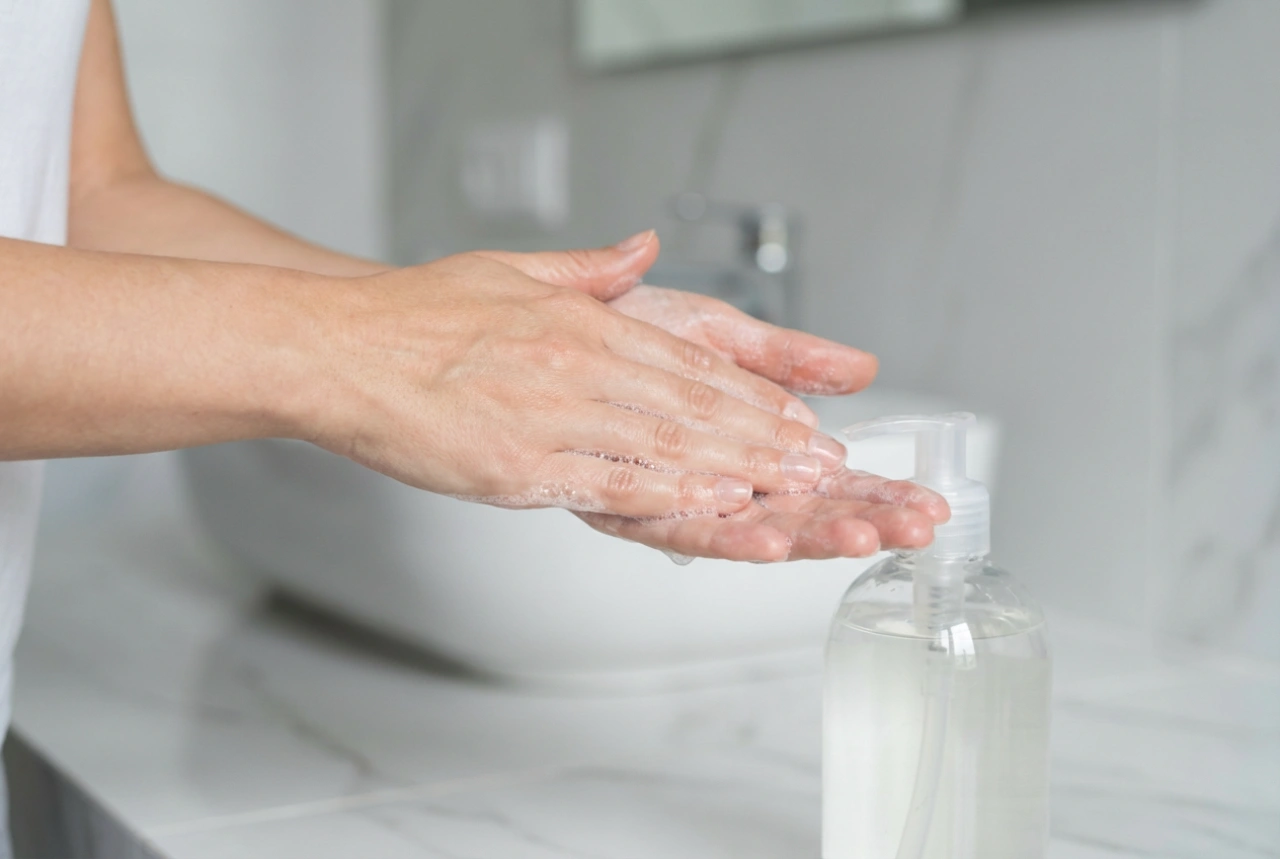
- Thorough Washing and Drying: Wash your feet every day with mild soap and warm water. Pay special attention to the areas between your toes. After washing, it is crucial to dry them completely, especially between the toes. Lingering moisture can create an environment where skin problems can develop. A soft, absorbent towel is ideal for this purpose.
- The Importance of Proper Footwear: The shoes you wear have a direct impact on the health of your feet. Opt for footwear made from breathable materials like leather or canvas to allow for air circulation. Ensure your shoes fit correctly—not too tight and not too loose—to prevent blisters, pressure points, and discomfort. Whenever possible at home, allow your feet to breathe by going barefoot or wearing open-toed slippers.
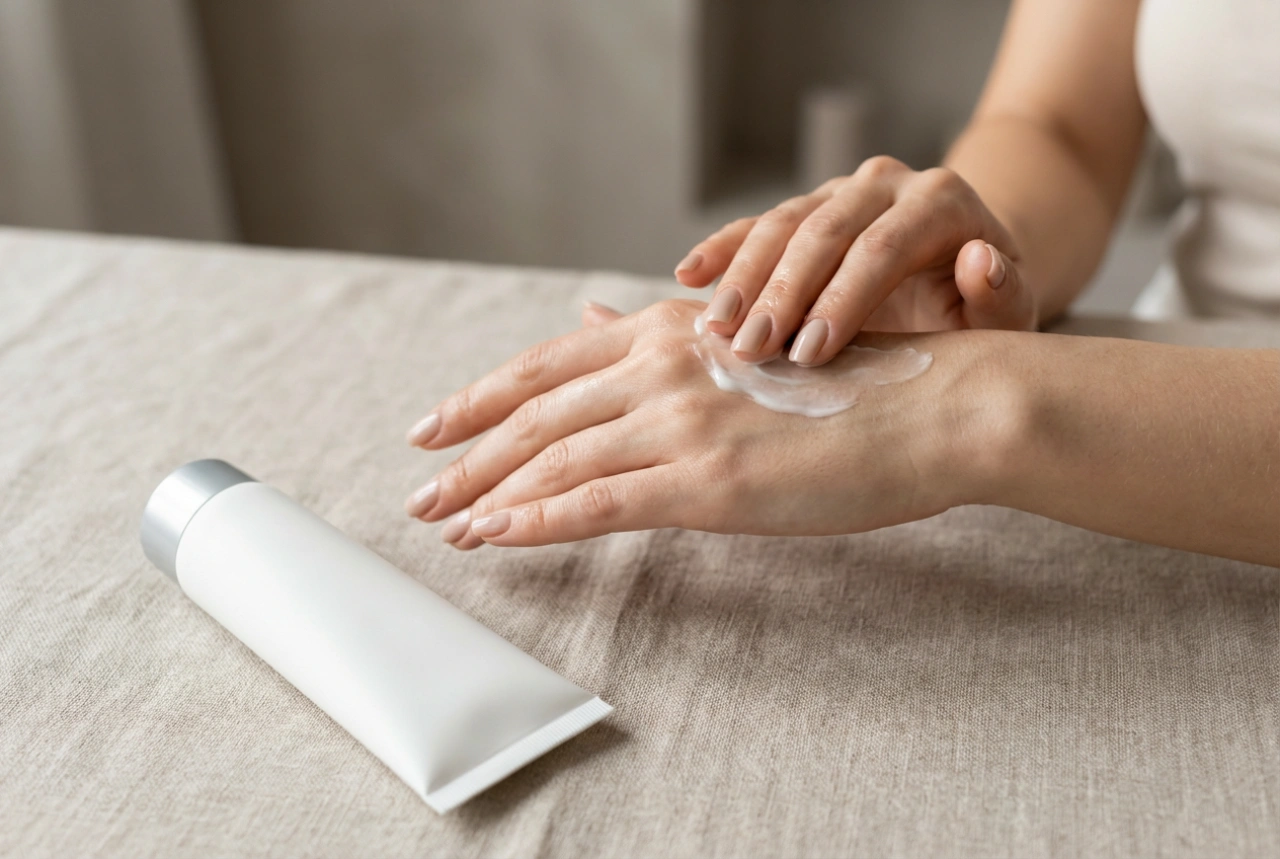
- Daily Moisturising: Just like the skin on your face and hands, the skin on your feet needs daily hydration. The skin on the soles is thicker and has fewer oil glands, making it prone to dryness, especially on the heels. Apply a dedicated foot cream every evening to keep the skin supple and prevent roughness.
Relaxing and Preparing with Foot Soaks
A warm foot soak is more than just a moment of relaxation; it's a preparatory step that enhances the effectiveness of your entire foot care routine. A weekly soak can help soothe tired muscles, soften hard skin, and cleanse your feet thoroughly.
Creating a Simple Home Foot Bath
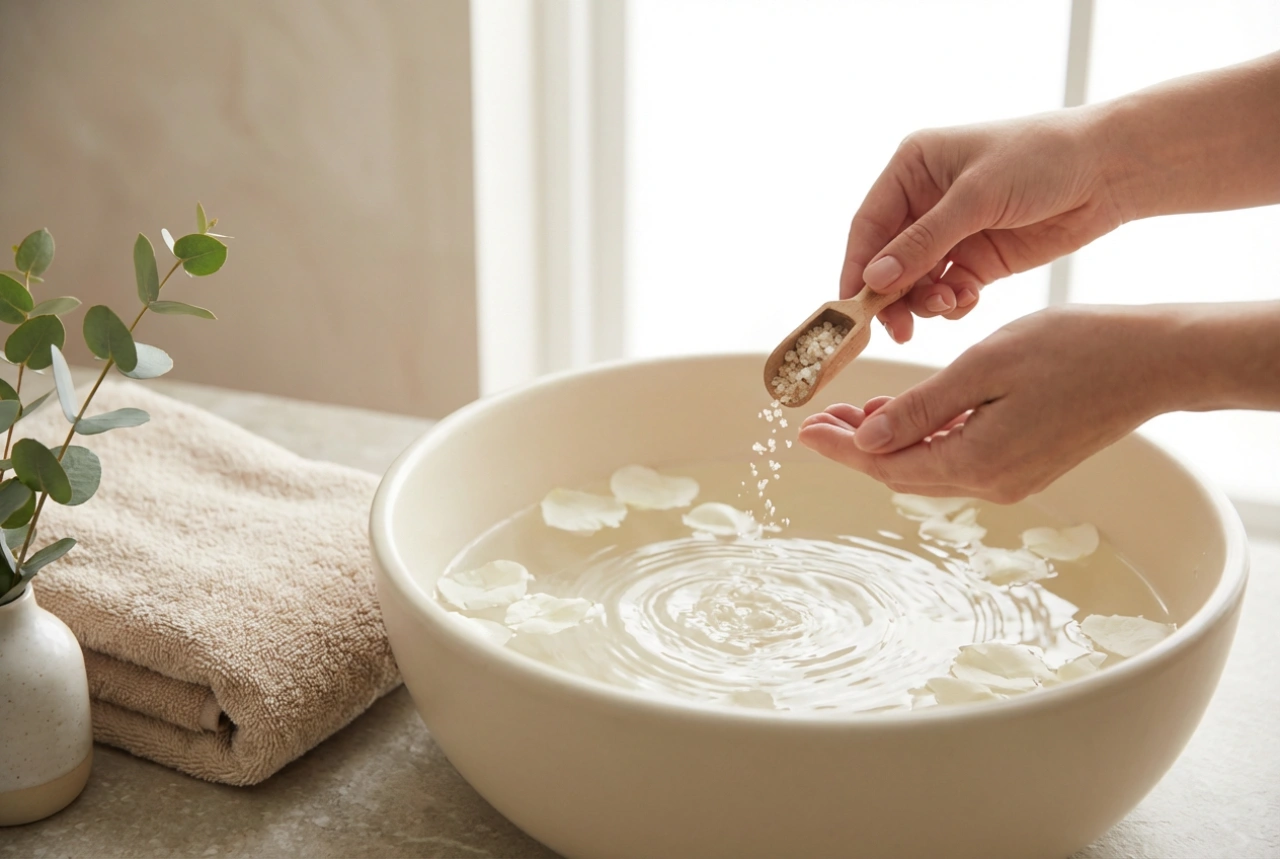
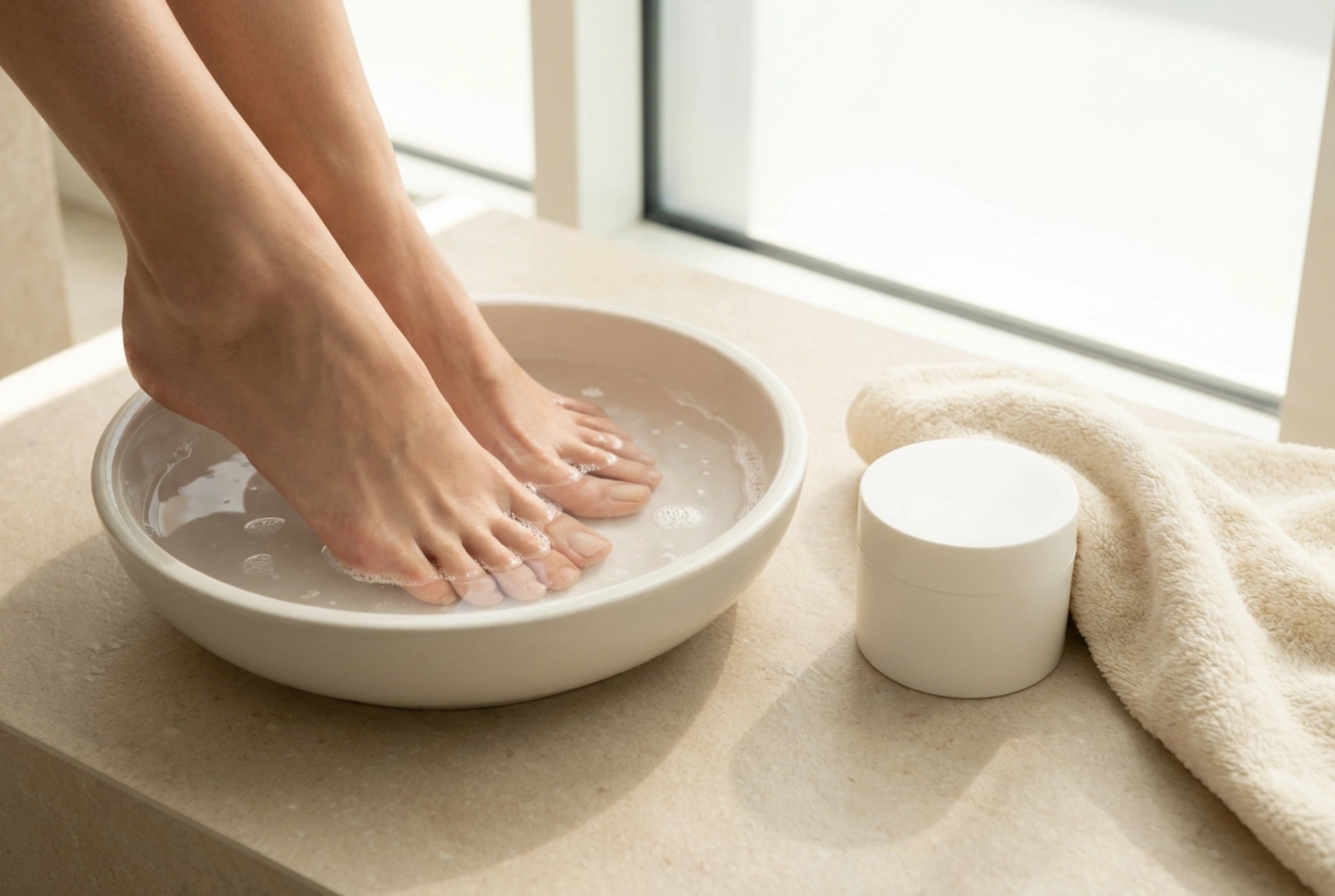
You don't need elaborate ingredients for an effective foot soak. Fill a basin with warm (not hot) water, enough to cover your ankles. You can add a handful of Epsom salts to help soothe aching feet or a few drops of a calming essential oil, such as lavender or peppermint, for an aromatic experience. Soak your feet for 10-15 minutes.
Benefits Beyond Relaxation
While the calming effect is undeniable, soaking your feet also helps to soften calluses and dead skin, making them easier to remove. It cleanses the skin and nails, preparing them for the next steps of your pedicure routine, such as exfoliation and moisturising.
Effective Exfoliation for Smoothness
Exfoliation is the process of removing dead skin cells from the surface, revealing the softer, smoother skin underneath. For feet, this is particularly important for managing calluses and rough patches.
Gentle Methods for Removing Dry Skin
After a foot soak, when the skin is softened, is the perfect time to exfoliate. Use a pumice stone or a gentle foot file on areas with thickened skin, like the heels and the balls of your feet. Move the tool in one direction with gentle pressure. Alternatively, you can use a specially formulated foot scrub with granular particles. Massage it over your feet in circular motions, then rinse thoroughly.
Frequency of Exfoliation
Avoid over-exfoliating, as this can irritate the skin. For most people, exfoliating once or twice a week is sufficient to maintain smooth feet. Listen to your skin; if it feels sensitive, reduce the frequency.
Choosing and Applying the Right Foot Cream
The final and most crucial step in any foot care routine is deep moisturisation. Using a good quality cream seals in moisture and protects the skin barrier.
What to Look for in a Foot Cream
Foot creams are typically richer and thicker than regular body lotions. Look for products containing highly effective hydrating and softening ingredients. Humectants like glycerin and urea draw moisture into the skin, while emollients such as shea butter, cocoa butter, or lanolin form a protective barrier to prevent moisture loss.
Application Technique for Maximum Benefit
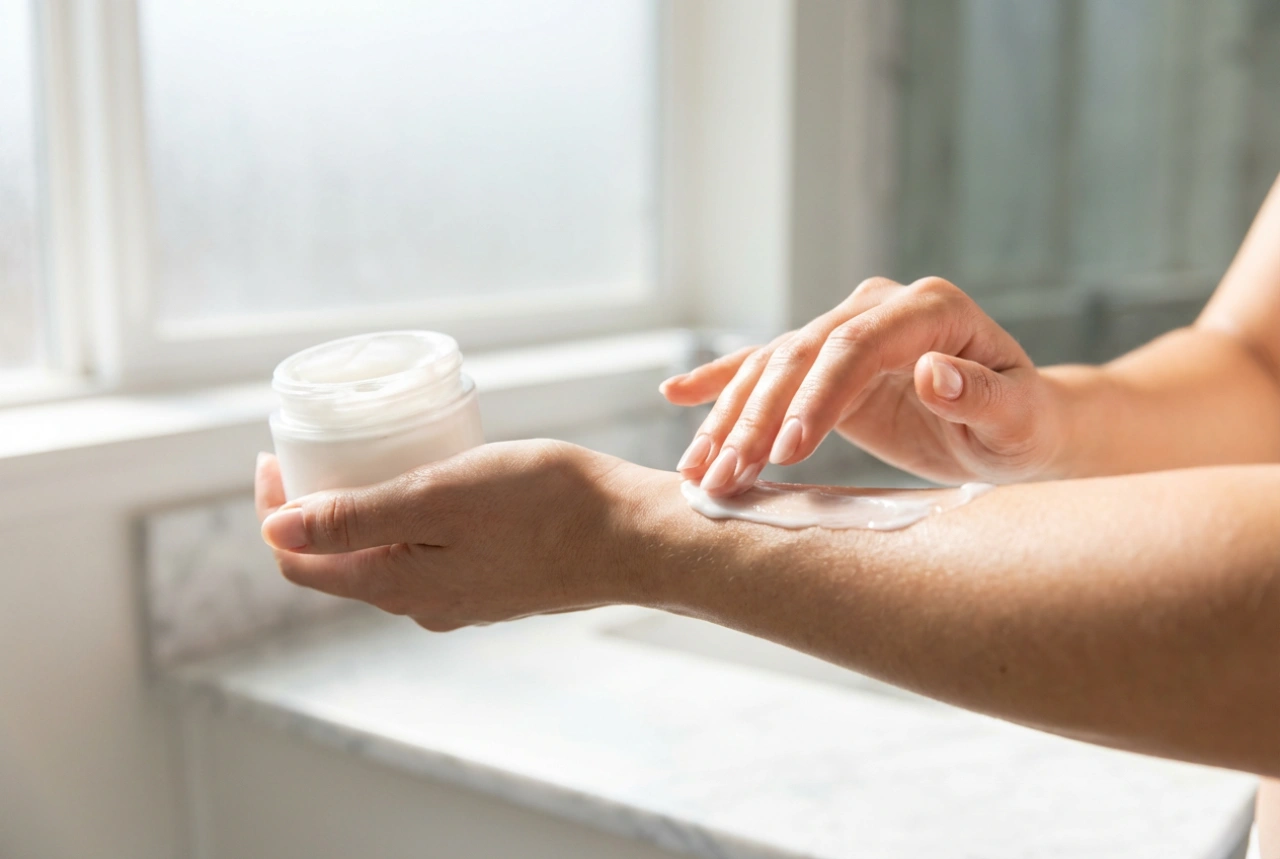
Take a generous amount of cream and warm it between your hands. Massage it thoroughly into your feet, paying extra attention to the heels and any other dry or calloused areas. A gentle massage not only helps the cream absorb but also stimulates circulation. Be sure to avoid applying cream between the toes to prevent excess moisture build-up.
Intensive Overnight Treatment
For an intensive hydrating treatment, apply a thick layer of your foot cream just before going to bed. Then, put on a pair of clean cotton socks. The socks will help the cream to penetrate deeply overnight, and you will wake up with noticeably softer and smoother feet.