

Well-cared-for hands are a true hallmark of personal grooming, yet the skin on our hands is exceptionally vulnerable to dryness and cracking. Daily exposure to various elements can compromise its delicate protective barrier, leading to discomfort and an unkempt appearance. Understanding how to properly use a hand cream is the first step towards restoring softness and hydration. It's not just about having a good product, but also about knowing how to apply it effectively to achieve the best results.
Why Does the Skin on Our Hands Become Dry and Cracked?
The skin on our hands has fewer sebaceous glands compared to other parts of the body, which means it produces less of the natural oils that keep it moisturised. This inherent characteristic makes it more susceptible to dryness. Several factors can exacerbate this condition:
- Weather Conditions: Cold wind, low humidity, and winter heating can strip the skin of its natural moisture.
- Frequent Hand Washing: While essential for hygiene, washing hands frequently, especially with hot water and harsh soaps, can disrupt the skin's protective lipid barrier.
- Contact with Chemicals: Household cleaning agents, detergents, and other chemical substances can irritate the skin and cause it to become excessively dry.
- Neglecting Care: Forgetting to apply a moisturising cream regularly leaves the hands defenceless against damaging external factors.
Key Ingredients in a Good Hand Cream
To effectively combat dryness, a hand cream should contain a balanced mix of ingredients that work together to hydrate, soften, and protect the skin. When choosing a product, look for these three types of substances:
- Humectants: These ingredients attract water from the air and the deeper layers of the skin, drawing it to the epidermis. Examples include glycerine, hyaluronic acid, and urea.
- Emollients: These substances fill in the gaps between skin cells, smoothing the surface and helping to repair the skin's barrier. Common emollients are shea butter, cocoa butter, ceramides, and fatty acids.
- Occlusives: These create a physical barrier on the skin's surface to prevent moisture from evaporating. Examples include petrolatum, lanolin, mineral oil, and silicones like dimethicone. A good cream for very dry hands will often contain occlusive ingredients to seal in hydration.
Proper Application for Maximum Effectiveness
Even the best cream won't work miracles if it's not used correctly. The frequency and method of application are crucial for restoring and maintaining healthy, hydrated hands.
How Often Should You Apply Hand Cream?
The key to preventing cracked hands is consistency. It is recommended to apply hand cream several times a day. Make it a habit to moisturise your hands every time after you wash them. This helps to immediately replenish the moisture and lipids that were washed away. Additionally, applying cream before going outside in cold weather and before bed is highly beneficial.
The Correct Application Technique
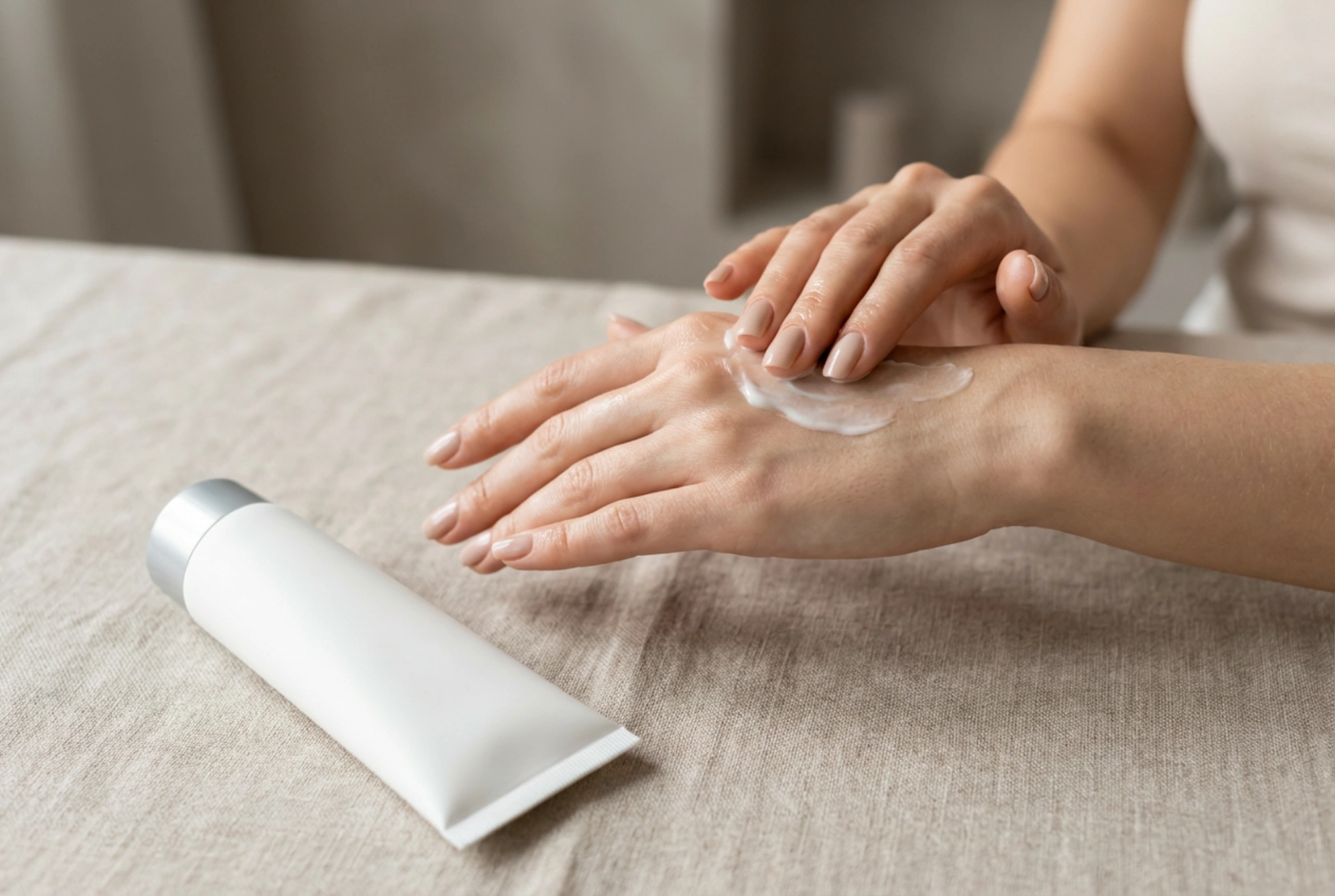
For optimal absorption, take a small, pea-sized amount of cream and warm it slightly between your palms. Begin by massaging the cream into the back of your hands, as this area is often the driest. Then, work it into your palms, between your fingers, and around your knuckles. Don't forget your cuticles and nails, as they also require hydration to stay healthy. Gentle, circular massage movements will not only help the cream to absorb but also improve circulation.
The Power of Occlusion: An Intensive Night Treatment
For severely dry and cracked hands, a simple application of cream may not be enough. In such cases, an intensive night treatment using occlusion can be incredibly effective. Occlusion involves creating a barrier that locks in a thick layer of moisturiser, allowing it to work deeply overnight.
How to Perform an Occlusive Treatment at Home
The process is simple and can be done before you go to sleep. First, wash your hands with a gentle cleanser and lukewarm water, then pat them dry gently, leaving them slightly damp. Next, apply a generous, thick layer of a rich, nourishing hand cream. Finally, put on a pair of soft cotton gloves and leave them on overnight. The gloves prevent the cream from rubbing off onto your bedding and create a warm, moist environment that enhances absorption. When you wake up, your hands will be noticeably softer, smoother, and more hydrated. This intensive treatment can be performed once or twice a week, or as needed, to restore comfort to very dry hands.