

Beautiful, healthy-looking nails are the ultimate symbol of effortless elegance. In a world dominated by gel polishes and heavy acrylic extensions, there is a growing appreciation for minimalist, natural beauty rituals. The Japanese manicure is the perfect embodiment of this philosophy, focusing on nourishment, deep restoration, and a clean, healthy nail aesthetic. By using natural ingredients to seal and polish the nail plate, this traditional technique creates a spectacular, glassy shine without a single drop of synthetic nail varnish. Perfect for an at-home beauty ritual, it allows you to transform weak, brittle nails into a picture of health and refinement.
What is a Japanese Manicure?
Dating back hundreds of years, this traditional method was once the secret of Japanese aristocrats who sought to achieve pink, pearlescent nails that looked naturally radiant. Unlike modern cosmetic treatments that mask imperfections with thick layers of synthetic polymer, the Japanese manicure works in harmony with the natural structure of the keratin plate. It infuses essential nutrients deep into the nail, sealing the surface to prevent splitting, peeling, and dryness. It is a highly restorative practice, especially recommended for those who want to give their nails a break from demanding treatments and recover their natural strength.
The Essential Home Kit
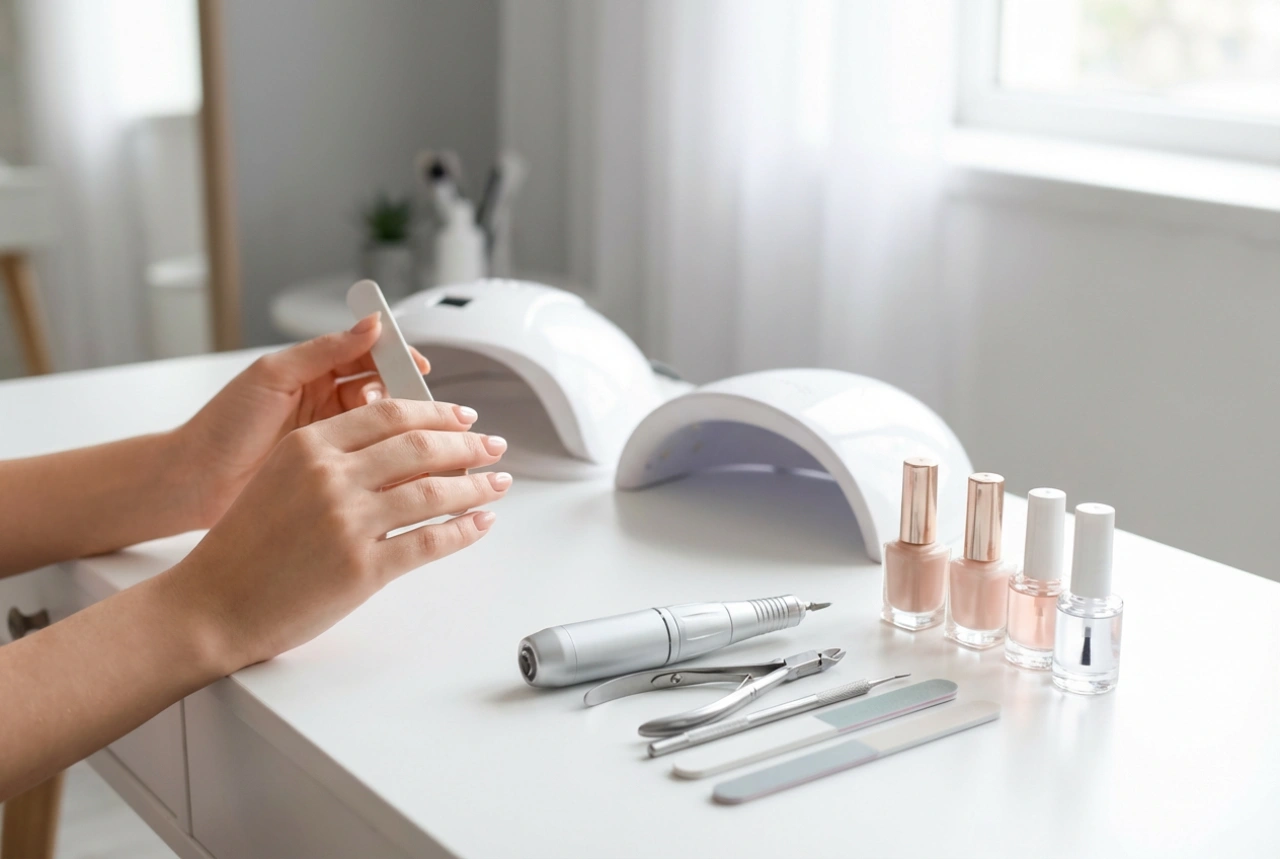
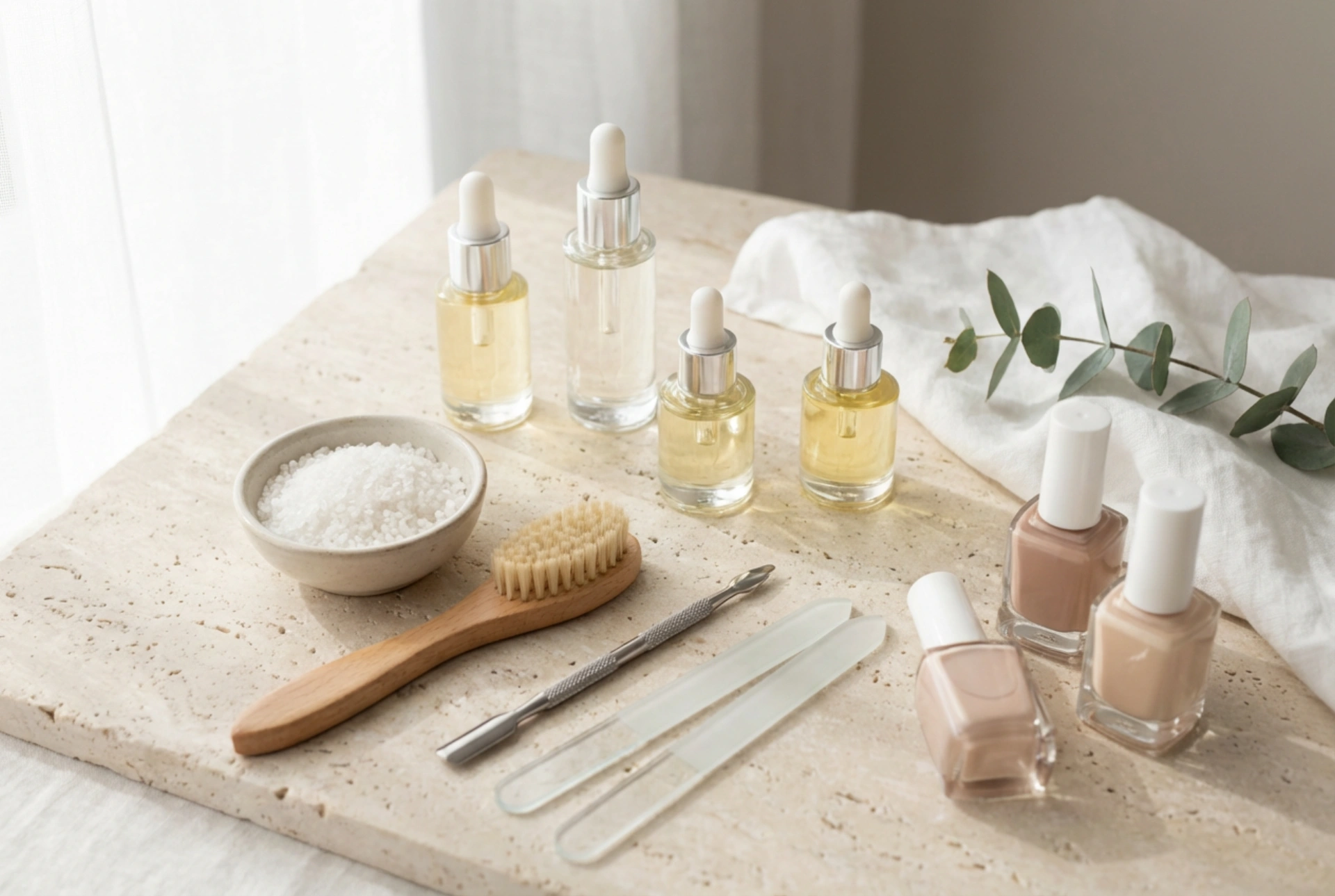
To perform this elegant ritual at home, you will need a specific set of simple, high-quality, and minimalist tools. A standard kit focuses entirely on natural substances and gentle physical actions rather than harsh chemicals. The primary components include:
- Nourishing Paste: Packed with active natural ingredients such as beeswax, royal jelly, diatomaceous earth, silica, and mineral clays. This thick paste fills in microscopic ridges, smooths out the surface, and feeds the nail plate with essential minerals.
- Polishing Powder: A fine, pinkish powder containing organic compounds that react with the paste to seal in the nutrients and lock in moisture. It is responsible for creating that signature, long-lasting protective shine.
- Suede Buffers: Usually, two different buffers covered in natural deer hide or high-grade suede are used. One is dedicated solely to pressing the paste into the nail, while the other is used exclusively with the powder. Using separate buffers prevents the contamination of the two products.
- Gentle Files and Spatulas: Wood or paper nail files to shape the edges and a small spatula to apply the products onto the nail plate.
Step-by-Step Technique at Home
Performing a Japanese manicure at home requires patience, precision, and a gentle touch. Follow these steps to achieve a professional-looking, healthy glow:
Step 1: Preparation
Begin by washing your hands thoroughly. The nails must be completely dry and free from any previous products, oils, or creams. Gently shape your nails using a wooden file, aiming for a smooth edge to prevent snagging. Carefully push back your cuticles using a wooden or plastic stick. Avoid cutting the cuticles to maintain a natural, protective barrier.
Step 2: Gentle Mattifying
Use a very fine-grit paper file or a dedicated buffing block to lightly mattify the surface of the nail plate. The goal is not to thin the nail, but to gently lift the keratin scales. This prepares the surface, ensuring the nourishing ingredients in the paste can penetrate deeply into the structure of the nail.
Step 3: Rubbing in the Paste
Apply a tiny amount of the green paste onto the nail plate. Take the suede buffer designated for the paste and rub it into the nail in one direction. Consistent, sweeping motions are key. You will quickly notice the paste absorbing, and the nail surface becoming exceptionally smooth and even.
Step 4: Sealing with the Powder
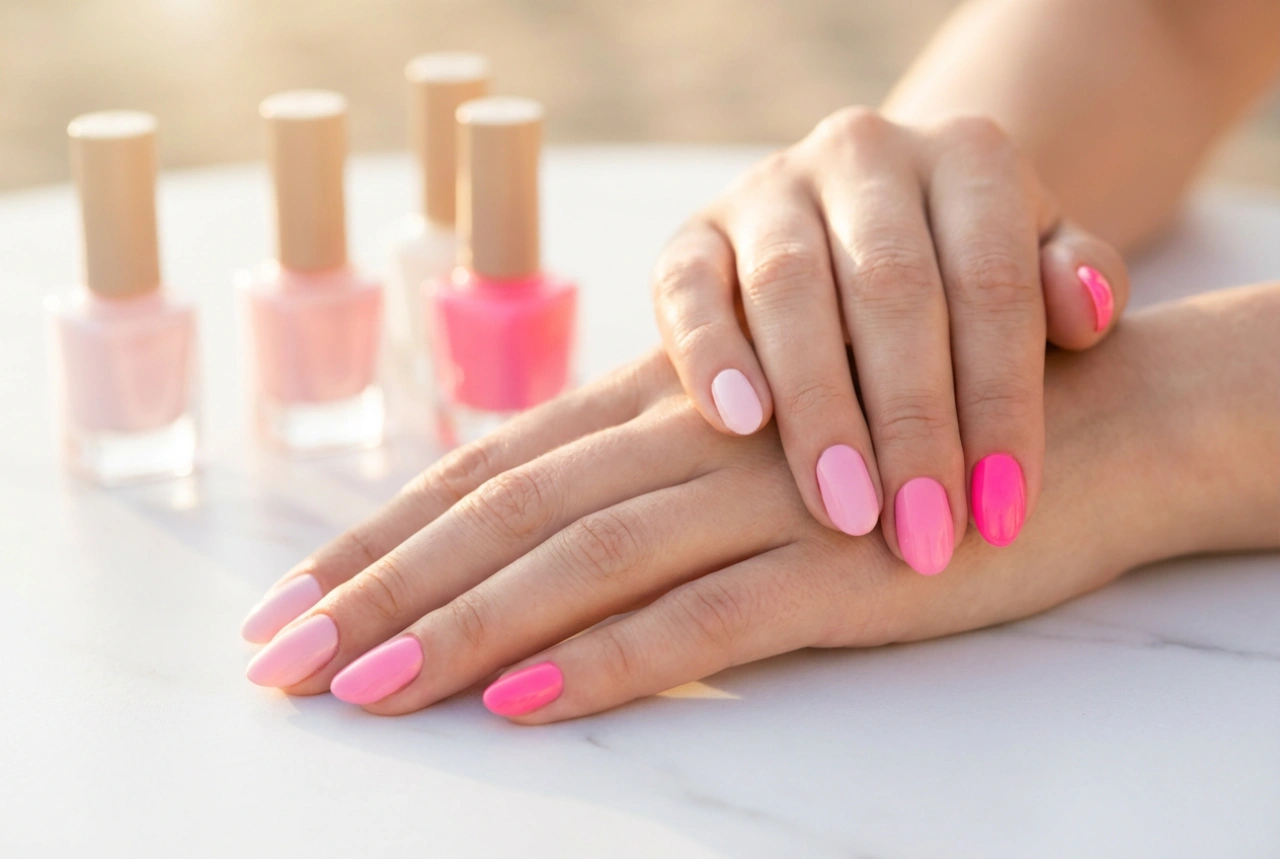
Next, apply a small amount of the polishing powder. Take the second suede buffer and polish the nail vigorously. The friction creates a gentle warmth that melts the beeswax from the paste and powder, creating a water-resistant, glassy protective seal. The nail will instantly acquire a spectacular, mirror-like lustre.
Step 5: Hand and Cuticle Care
Finish your home spa ritual by massaging a drop of nourishing natural oil into your cuticles and applying a rich, moisturising hand cream to keep your skin soft and hydrated.
The Key Benefits of This Natural Method
This traditional manicure offers unique advantages that set it apart from modern treatments. First and foremost, it relies entirely on safe, natural, and non-toxic components, making it ideal for sensitive individuals. It acts as an intensive treatment, reinforcing weak, peeling, and thin nails from within. The resulting shine is remarkably durable, typically lasting for up to two weeks, and does not chip or wear away like standard varnish. Additionally, the protective barrier created by the beeswax shields the nails from everyday external aggressors, such as water and household detergents, allowing them to grow stronger and healthier over time.
Maintenance and Best Practices
To maintain the health and beauty of your nails, it is recommended to repeat the Japanese manicure ritual every two to three weeks. Since the existing shine on the tips remains, you only need to focus the application of the paste and powder on the new nail growth near the matrix. It is important to note that you should not apply traditional nail polishes or gel overlays immediately after this treatment. The smooth, waxy surface created by the beeswax is highly water-resistant and will prevent regular polishes from adhering properly. Embrace this time to let your natural nails breathe and shine with their own healthy, minimalist beauty.