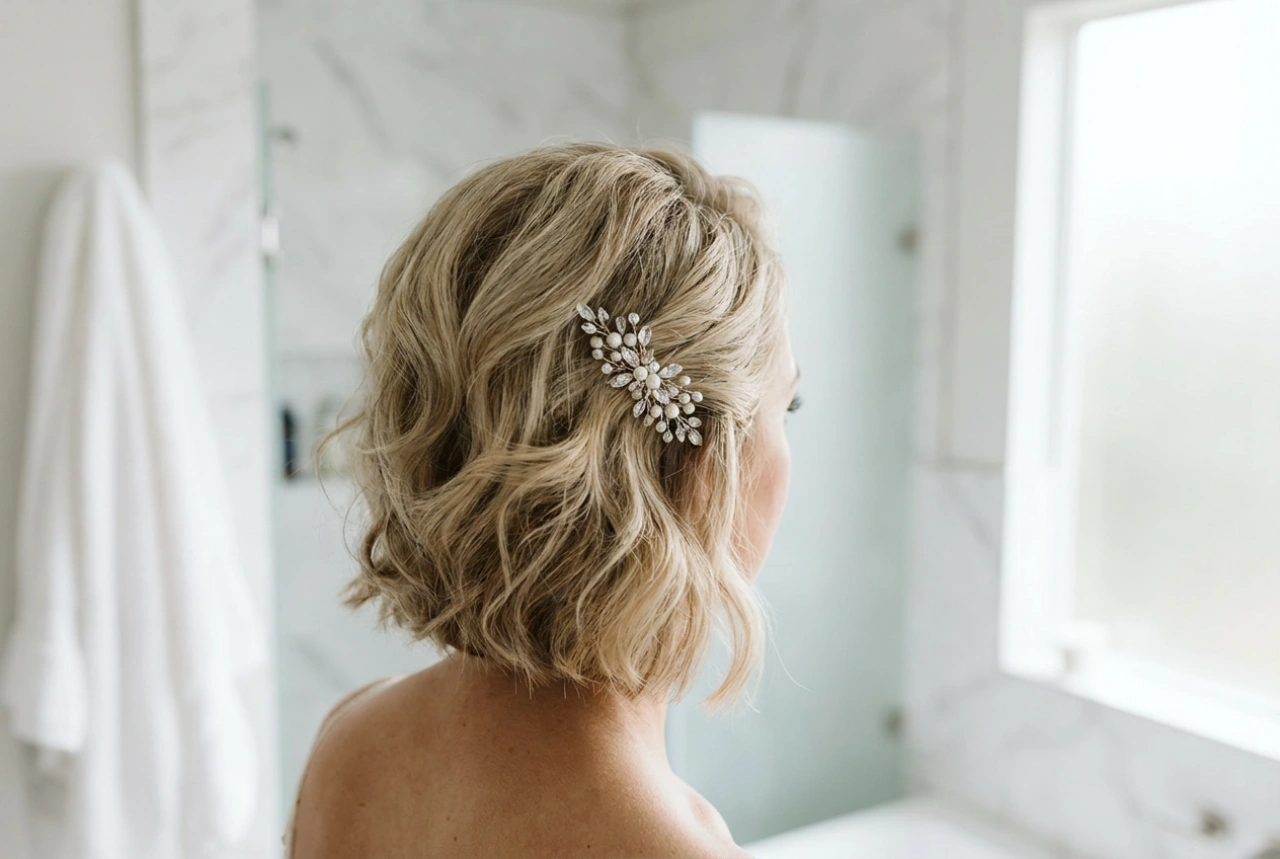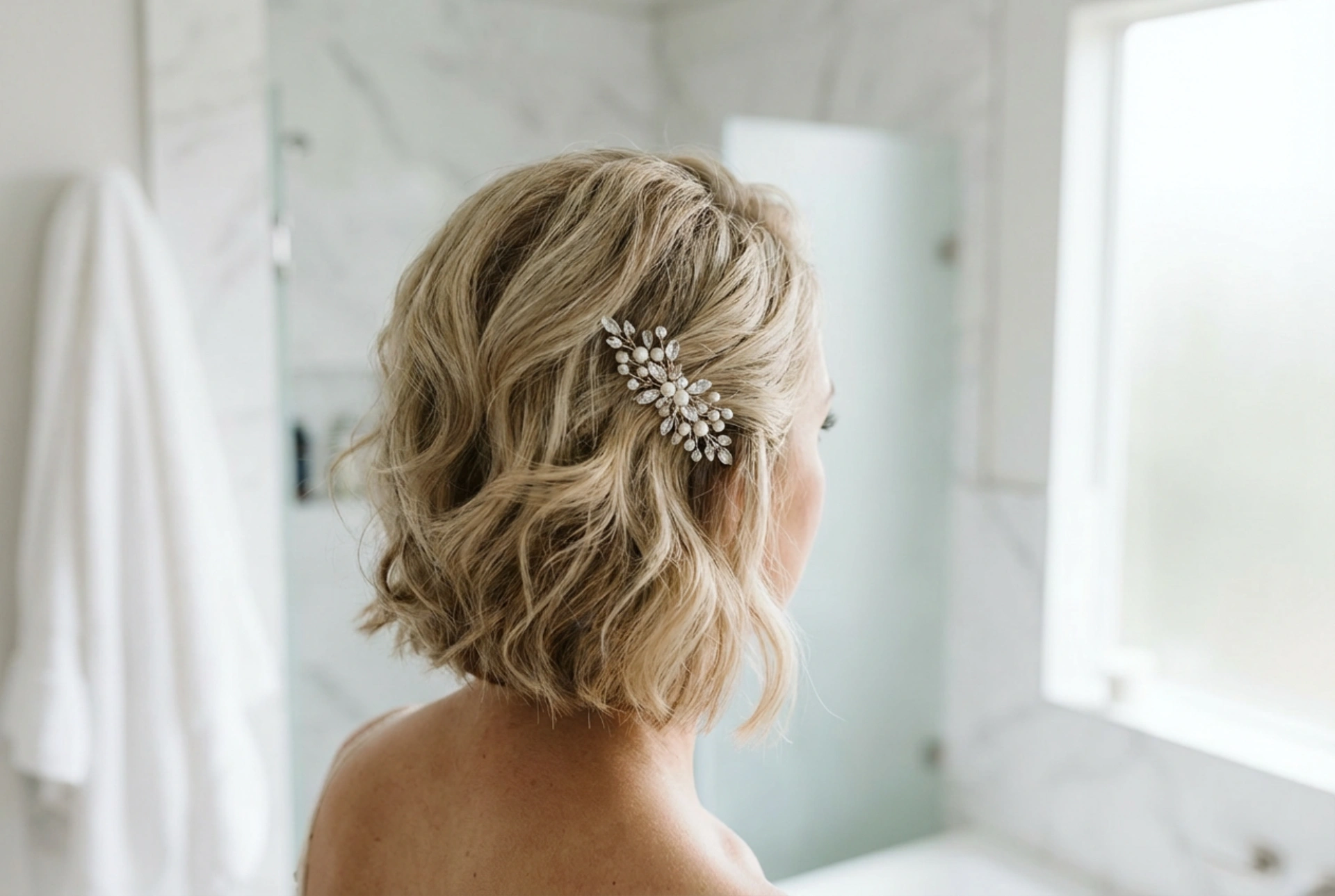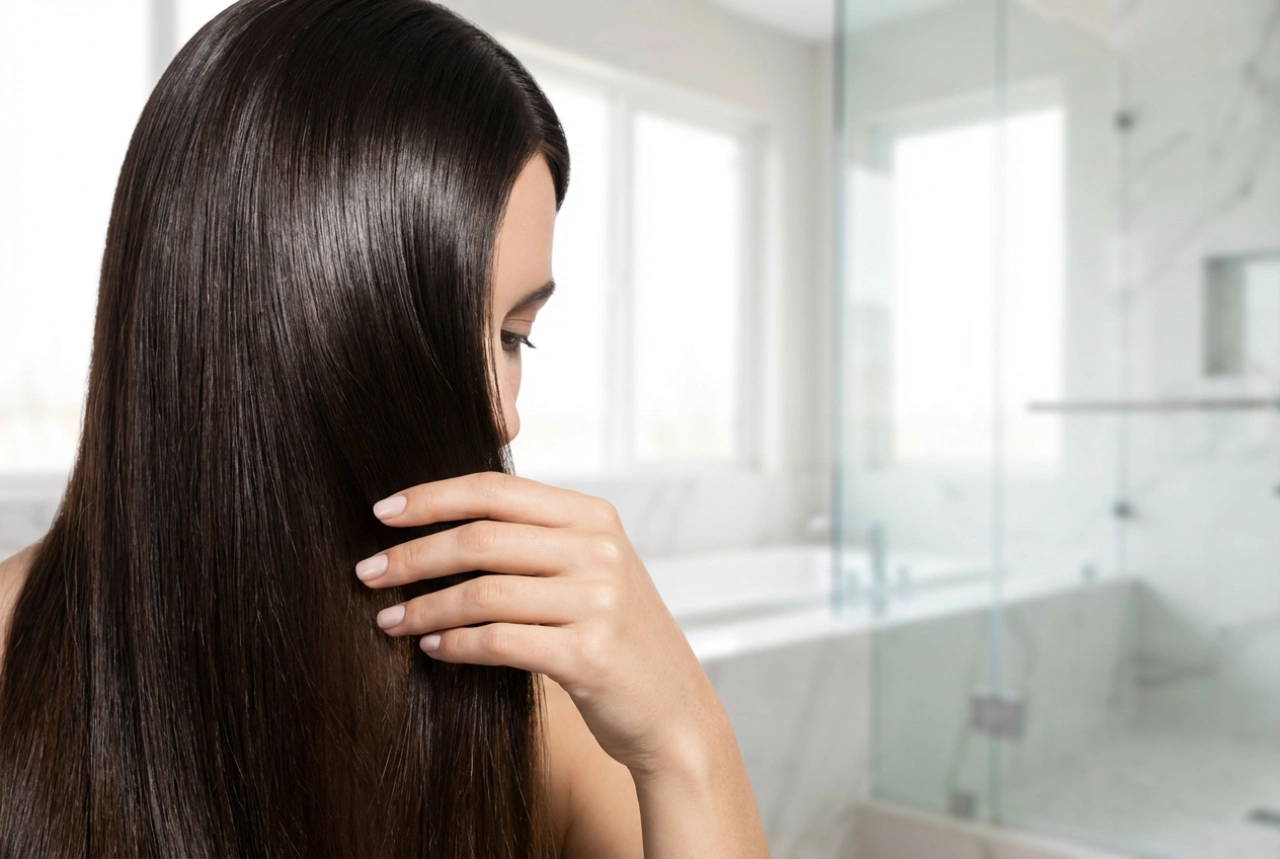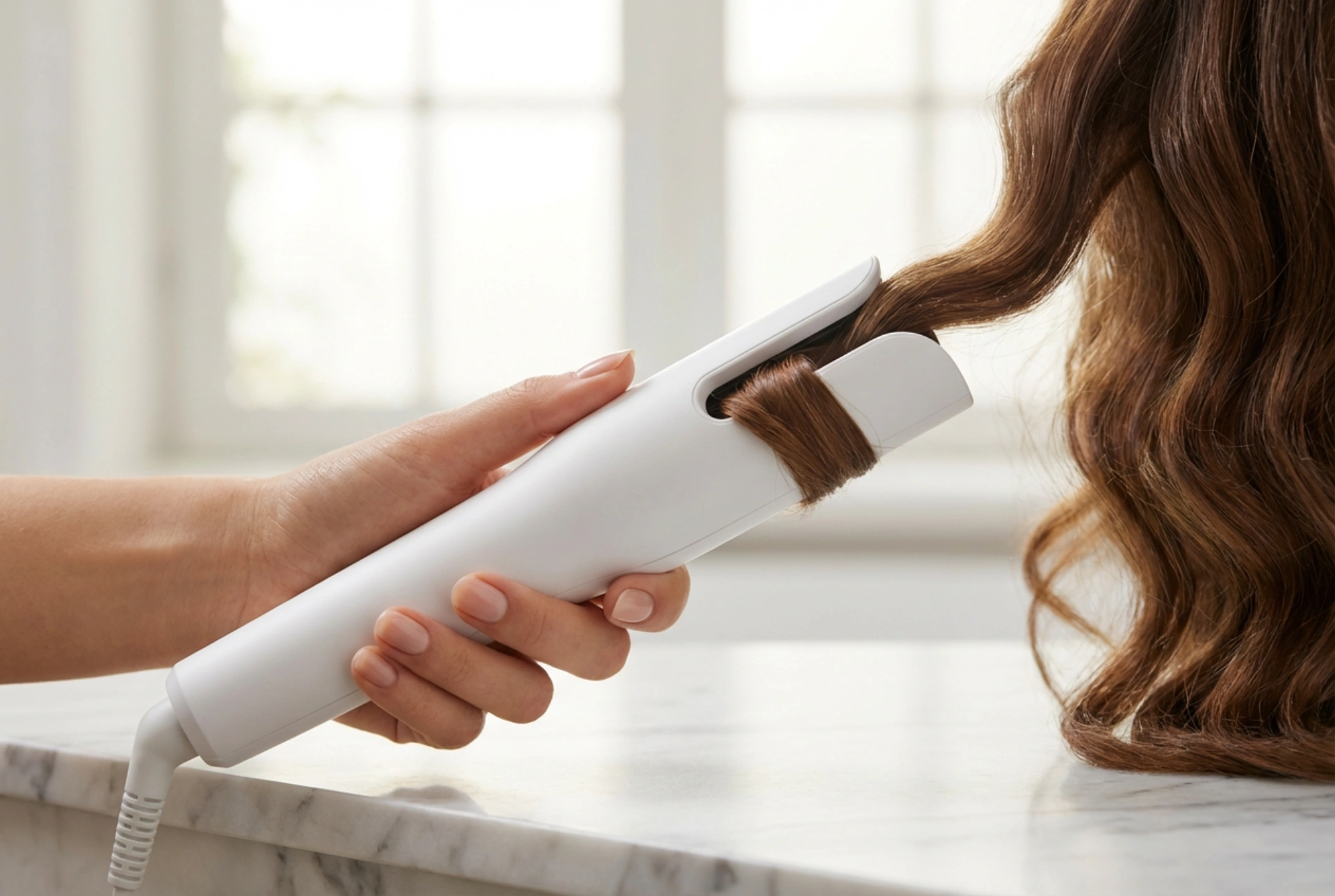


Achieving salon-worthy, flowing waves at home has become significantly easier with the advent of the modern automatic hair curler. Unlike traditional styling irons that require precise manual wrapping and perfect timing, an automatic curler gently guides a section of shiny, flowing hair into its curling chamber with minimal effort. This innovative tool promises effortless beauty and healthy-looking locks, but achieving the best results requires understanding how to configure the device, mastering basic techniques, and avoiding common styling errors.
Understanding the Settings of Your Automatic Curler
To get the most out of your styling tool, it is essential to familiarise yourself with its interface. Most high-quality automatic curlers offer customisable settings to suit various hair types and desired styles. Understanding these features prevents unnecessary heat damage and ensures your curls last all day.
Temperature Control
Selecting the correct temperature is the foundation of safe and effective heat styling. Fine, thin, or colour-treated hair is more delicate and should always be styled at lower temperatures, typically ranging from 150°C to 170°C. Medium to thick hair can withstand slightly higher temperatures between 180°C and 200°C. It is always recommended to start with the lowest temperature setting and gradually increase it only if your hair struggles to hold the curl.
Timer and Rotation Settings
The timer setting determines how long your hair remains inside the curling chamber. Shorter times (around 8 seconds) yield soft, natural waves, whereas longer times (12 to 15 seconds) produce more defined, bouncy curls. Additionally, the rotation direction setting allows you to curl hair either clockwise, anticlockwise, or in an alternating pattern. For a natural, modern look that frames the face beautifully, it is best to curl sections away from your face.
Preparation Steps for Perfect Waves
The secret to perfect, long-lasting waves lies in the preparation process. Working on unprepared hair can lead to frizzy results or uneven styling.
- Thorough drying: Never use an automatic curler on damp or wet hair. This can trap moisture in the heating chamber, causing rapid steam evaporation that severely damages the hair structure.
- Brushing: Detangle your hair completely before starting. Even minor knots can cause the automatic mechanism to snag or pause mid-styling.
- Heat protection: Apply a lightweight heat-protecting spray or serum evenly throughout your locks. This creates a defensive barrier that minimises moisture loss during the styling process.
Curling Techniques for Different Styles
Once your hair is prepared and the device is configured, the technique you use will define the final aesthetic. Creating a polished look is simple when you follow a structured approach.
Sectioning Your Hair
Divide your hair into neat, manageable sections. For an automatic curler, sections should be no wider than two to three centimetres. Taking sections that are too thick can overload the chamber, leading to uneven heat distribution or causing the device to stop automatically as a safety measure.
Guiding the Hair
Hold the device vertically or at a slight angle close to your head. Insert the selected section of hair into the designated slot, ensuring there are no stray strands. Press and hold the rotation button; the device will gently draw the hair in. Hold the button until the rotation stops, and wait for the indicator beep before gently releasing the curl.
Common Mistakes to Avoid
While automatic curlers are designed to simplify the styling process, certain missteps can lead to unsatisfactory results or styling frustration.
- Using too much hair: Overloading the heating chamber is the most frequent cause of tangles. Keep your sections small and uniform.
- Skipping the cooldown: Touching or pulling your curls immediately after releasing them will cause them to drop. Allow the waves to cool down completely before brushing through them.
- Incorrect device orientation: Always ensure the open side of the curling chamber is facing toward your head, as specified in your device instructions, to prevent tangles.