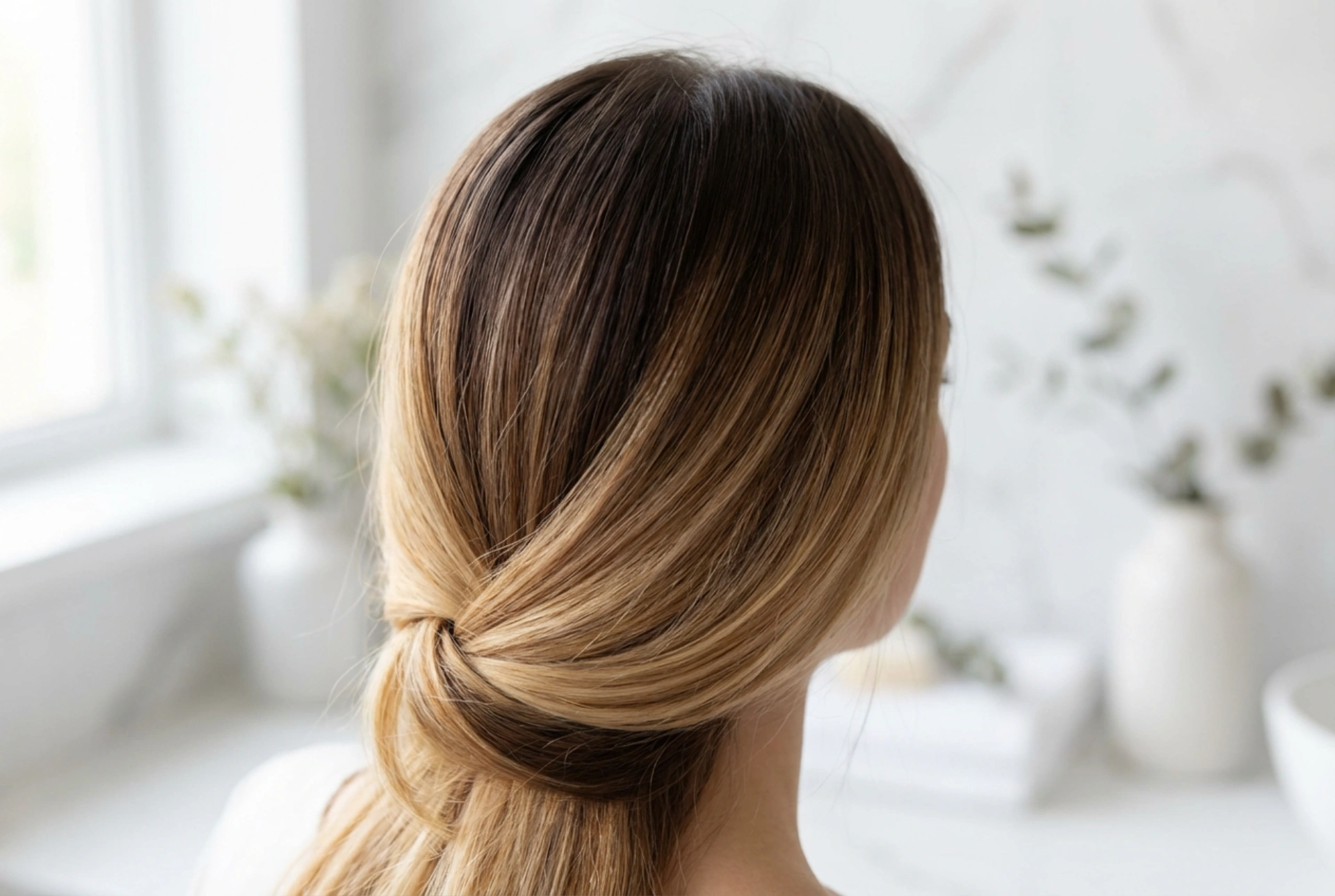


Achieving a perfectly blended ombre look is one of the most sought-after goals in modern hair styling. A beautiful ombre hairstyle features a smooth, gradual transition from deeper, natural roots to lighter, radiant ends. When executed correctly, the transition looks soft and luminous, catching the natural light to highlight the hair’s healthy texture and glossy lustre. Creating this seamless gradient requires a combination of precise technique, patience, and proper hair preparation. Whether you are planning a subtle refresh or a more noticeable shift, understanding how this transition is built can help you maintain a flawless, healthy-looking style.
The Art of the Seamless Blend
The secret to a stunning ombre lies in the absence of harsh, visible lines. Unlike traditional block colouring, ombre relies on a gradient effect where the colours melt into one another. To achieve this, the application process must be highly strategic. One of the most effective methods to soften the boundary between shades is the backcombing technique. By gently backcombing sections of hair before applying any product, you create a diffused pattern. When the hair is washed and brushed out, the colour transition appears completely soft and natural, avoiding any abrupt colour blocks.
Essential Steps for Achieving the Gradient
Success in creating a beautiful colour melt depends on several key practical steps that ensure the hair maintains its integrity and shine throughout the process:
- Strategic Sectioning: Dividing the hair into clean, manageable sections allows for even distribution. Working in thin diagonal sections usually yields the most natural-looking results.
- Vertical Application: Applying the product vertically rather than horizontally prevents harsh lines. Using the tip of the brush to hand-paint the colour onto the hair ensures a softer feathering effect where the two shades meet.
- Gradual Saturation: The tips of the hair should receive the highest concentration of product to ensure brightness, while the transition zone requires a very light, feathered touch.
Choosing the Right Shades for Your Hair
For the most natural-looking transition, it is wise to choose shades that are within two to three tones of your natural hair colour. This ensures that as your hair grows, the roots blend effortlessly with the rest of the style, reducing the need for frequent touch-ups. Cool skin tones generally pair beautifully with ash and beige hues, while warm skin tones are complemented by golden, caramel, or honey transitions. A well-chosen palette not only enhances the overall flow of the hairstyle but also highlights the hair’s natural movement and bounce.
Caring for Your Ombre to Maintain Its Gloss
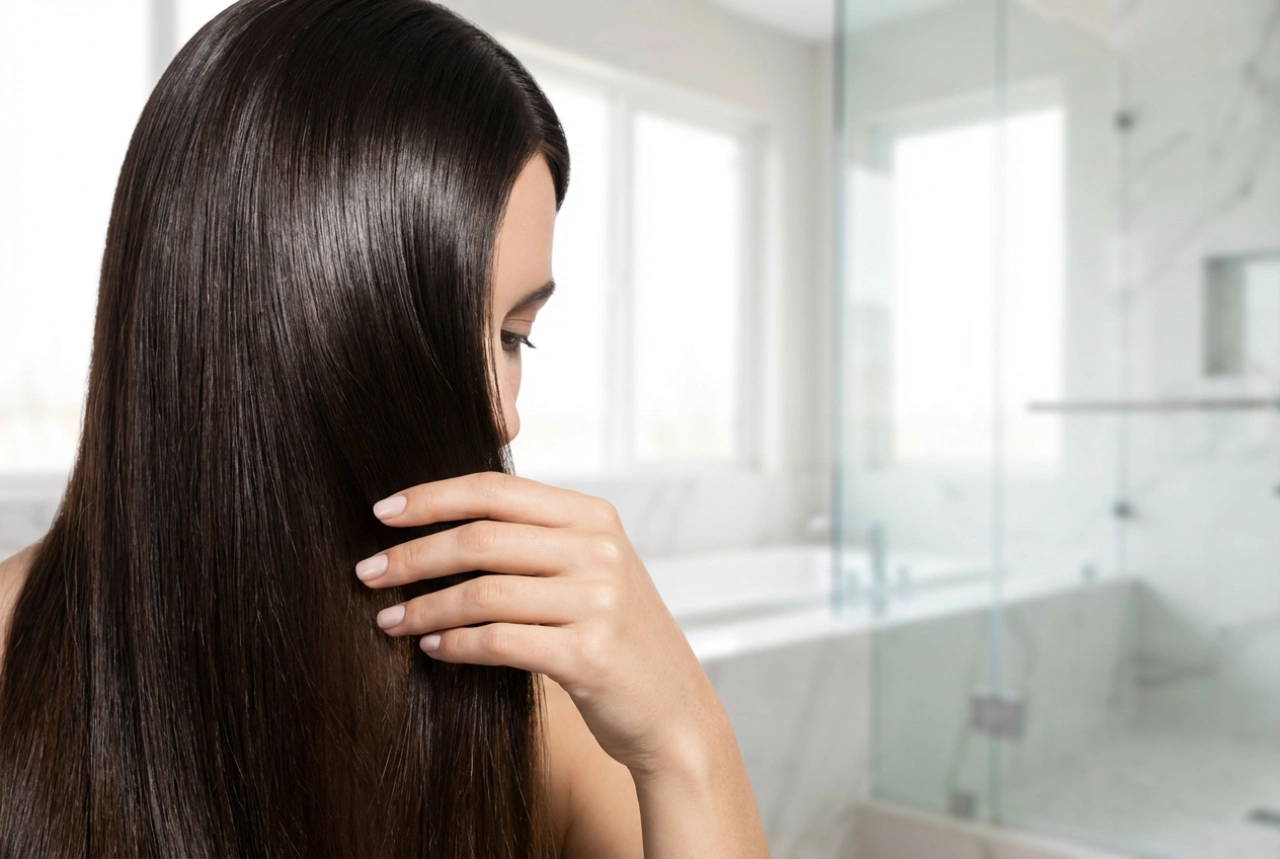
Once the perfect gradient is achieved, maintaining the smooth texture and vibrant shine of the hair is crucial. Because the lighter ends are more prone to dryness, a dedicated care routine is necessary to prevent a dull or straw-like appearance. A healthy-looking ombre should always look soft, hydrated, and reflective under natural light.
To preserve the glossy texture, integrate deeply nourishing treatments into your weekly routine. Focus conditioning masks primarily on the mid-lengths and ends, which need the most hydration. Additionally, protecting the hair from heat styling and environmental factors such as UV rays will keep the colour transition looking fresh and seamless. Regular trims are also highly recommended to keep the lighter ends free from split ends, ensuring the overall hairstyle retains its healthy, polished look.