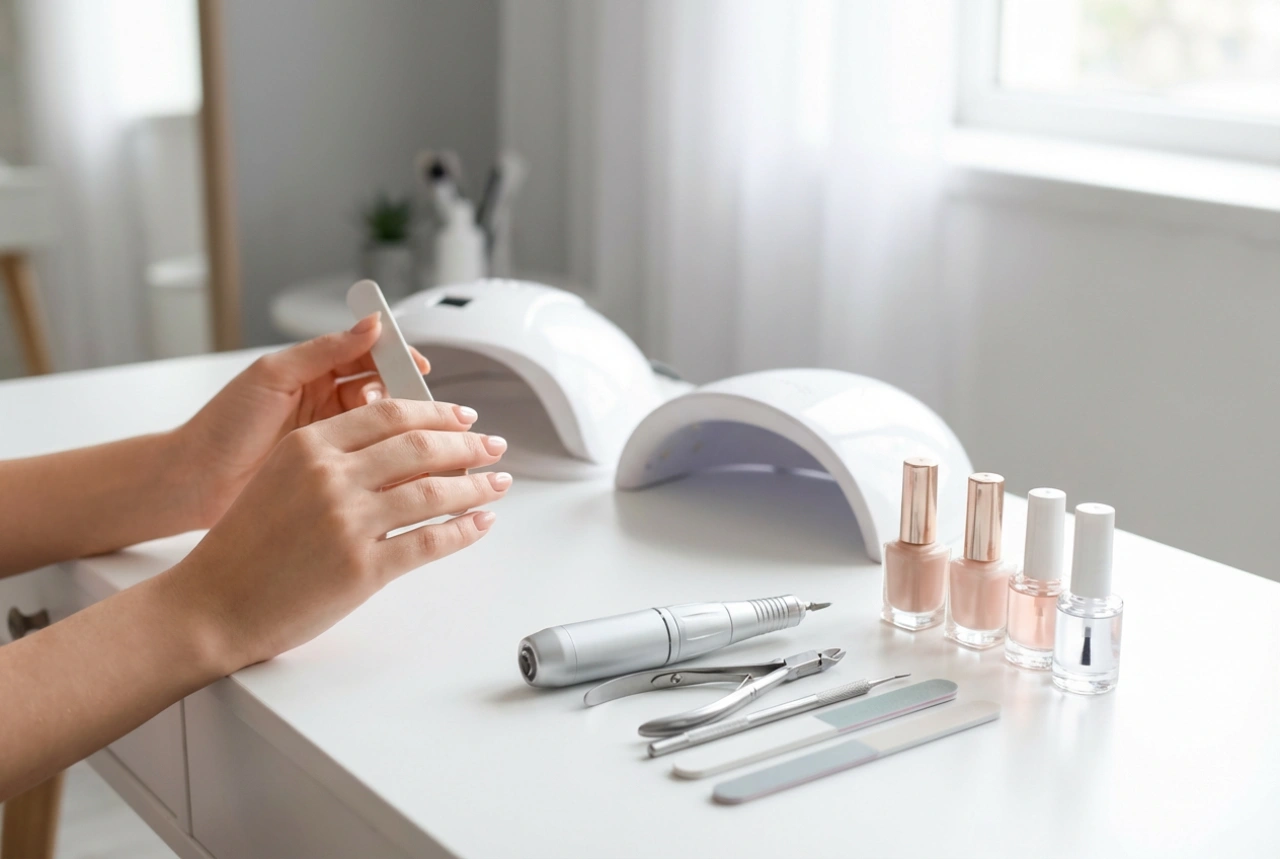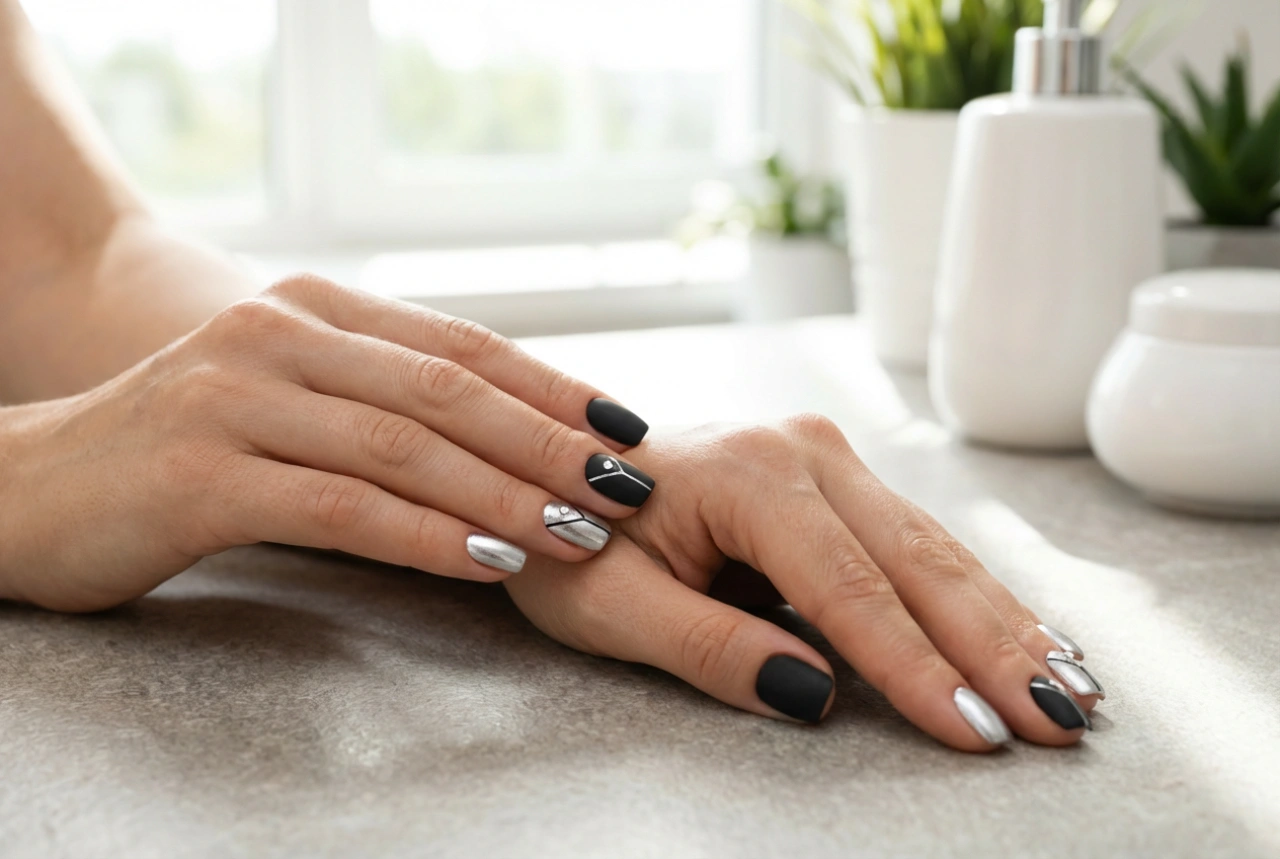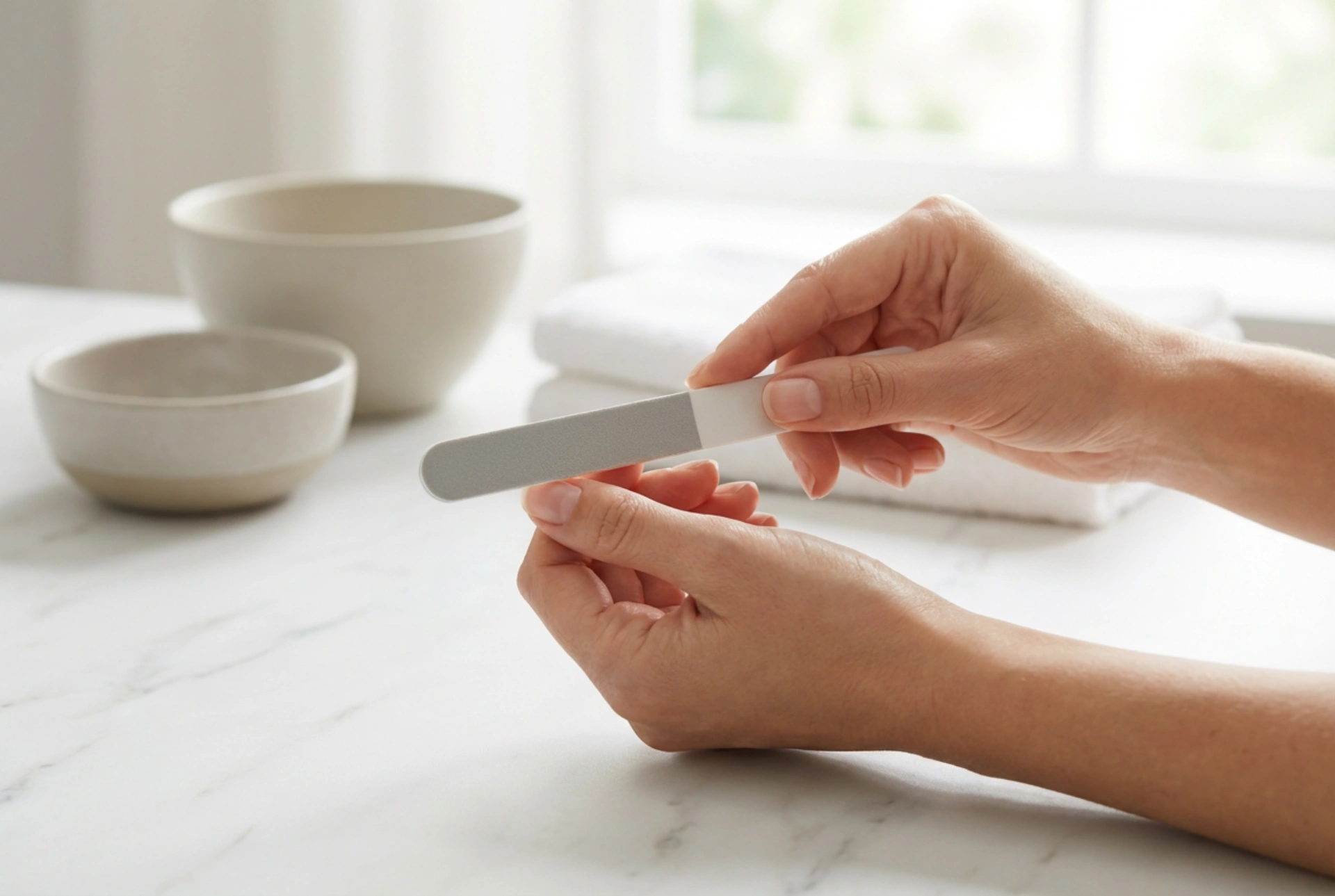


A flawless home manicure begins with the right preparation, and choosing the correct tools is essential for maintaining healthy, beautiful nails. The image of elegant, well-cared-for hands gently shaping a nail highlights how a simple, mindful beauty ritual can elevate your daily self-care. Among the various tools available, the 180/240 grit nail file stands out as a versatile, dual-sided essential. This specific combination of grits is perfect for both preparing the nail plate and finishing the surface to a smooth, uniform standard without causing damage to the delicate natural layers.
Understanding the Dual Grits: 180 vs. 240
To get the most out of your nail file, it is important to understand what the numbers actually mean. The grit number indicates the abrasiveness of the file surface; the higher the number, the finer and gentler the file is. A 180-grit surface is medium-coarse, making it highly effective for shortening natural nails, removing the shiny top layer of natural keratin, or blending tips during styling. The 240-grit side is much finer and is designed for smoothing, finishing, and gentle matting of the nail plate. Using these two sides in harmony ensures that the nail edge is sealed and the surface is perfectly prepped for subsequent steps.
Step-by-Step Guide to Matting the Nail Plate
Matting is a crucial step when you want to improve the adhesion of protective base coats or classic nail polishes. Start by washing and thoroughly drying your hands. Using the 240-grit side of your file, gently glide it across the nail surface in one direction. Avoid sawing back and forth, as this can generate heat and weaken the nail layers. The goal is to remove the natural oils and create a slightly textured, matte finish. Be sure to pay close attention to the areas near the cuticles and the side walls, ensuring the entire plate has a uniform, non-reflective appearance.
Smoothing and Shaping the Free Edge
Once the surface is prepared, you can turn your attention to shaping the free edge of the nail. For shortening and initial shaping, use the 180-grit side of the file. Hold the file at a 45-degree angle to the nail edge to prevent splitting. Work from the outer corners toward the centre in smooth, fluid strokes. After achieving the desired shape, switch to the finer 240-grit side to smooth out any rough micro-fibres left behind. This final smoothing step seals the keratin layers, preventing moisture from entering and causing the nail to peel or split over time.
Best Practices for Home Nail Care
To maintain the health of your natural nails, always handle your tools with care and gentleness. Over-filing can thin the nail plate, leading to sensitivity and breakage. A good rule of thumb is to mat the surface only when necessary, such as before a fresh manicure application, rather than during every routine tidy-up. Additionally, keep your nail files clean and dry. Gently brushing away dust after each use ensures the abrasive surface remains effective and hygienic for your next beauty ritual.