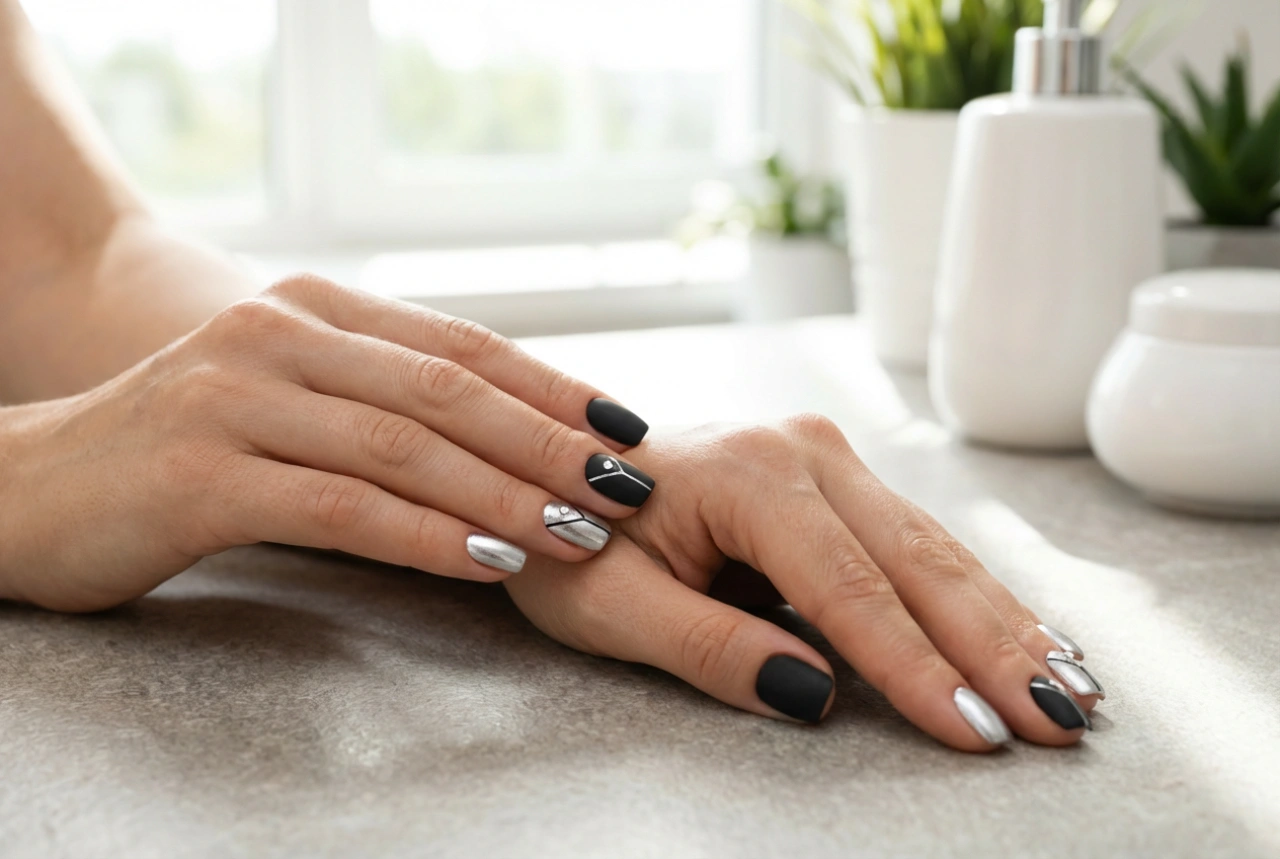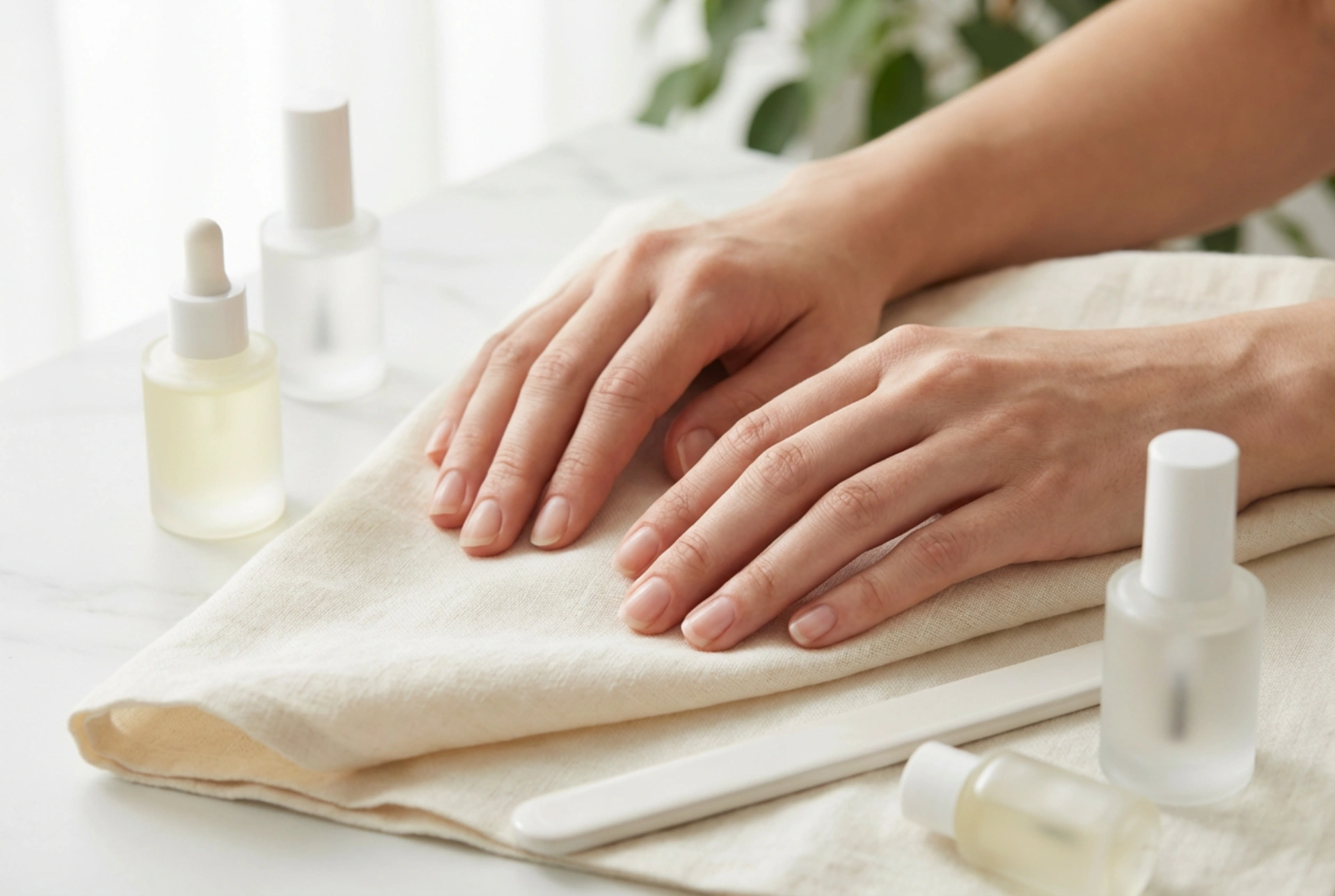


Beautiful, naturally healthy-looking hands are often considered a personal signature. However, many people struggle with fragile, brittle nails that split or chip at the slightest touch. Just like a delicate fabric, our nails require gentle handling, regular hydration, and protective habits to maintain their strength and natural shine. By adopting a thoughtful daily routine and using the right tools, you can easily transform weak nails into resilient, elegant assets.
Understanding Nail Fragility and Daily Protection
Our nails are made of layers of a protein called keratin, held together by natural lipids and moisture. When these protective barriers are compromised by external factors, the nails become dry, stiff, and prone to breaking. Daily activities play a significant role in this process. Exposure to water, household cleaning agents, and fluctuating temperatures can strip the nails of their natural oils.
To protect your hands during daily chores, consider the following simple habits:
- Always wear protective gloves when washing dishes or cleaning to avoid direct contact with harsh detergents.
- Limit prolonged exposure to hot water, which can soften the nail plate and make it more susceptible to peeling.
- Apply a rich hand cream after every wash, paying special attention to the skin around the nails.
The Power of Consistent Hydration and Nourishment
Dryness is the primary enemy of flexible, strong nails. While hand creams are excellent for general skin care, the nail plate and the surrounding cuticles benefit immensely from targeted nourishment. Incorporating a dedicated nail oil or a rich balm into your evening routine can make a noticeable difference over time.
Look for nourishing plant-based oils such as sweet almond oil, jojoba oil, or olive oil. These natural ingredients mimic the lipids naturally present in our skin and nails, helping to seal in moisture and improve elasticity. Simply massage a drop of oil into the base of each nail before bed to allow the nutrients to absorb thoroughly overnight.
Gentle Trimming and Shaping Techniques
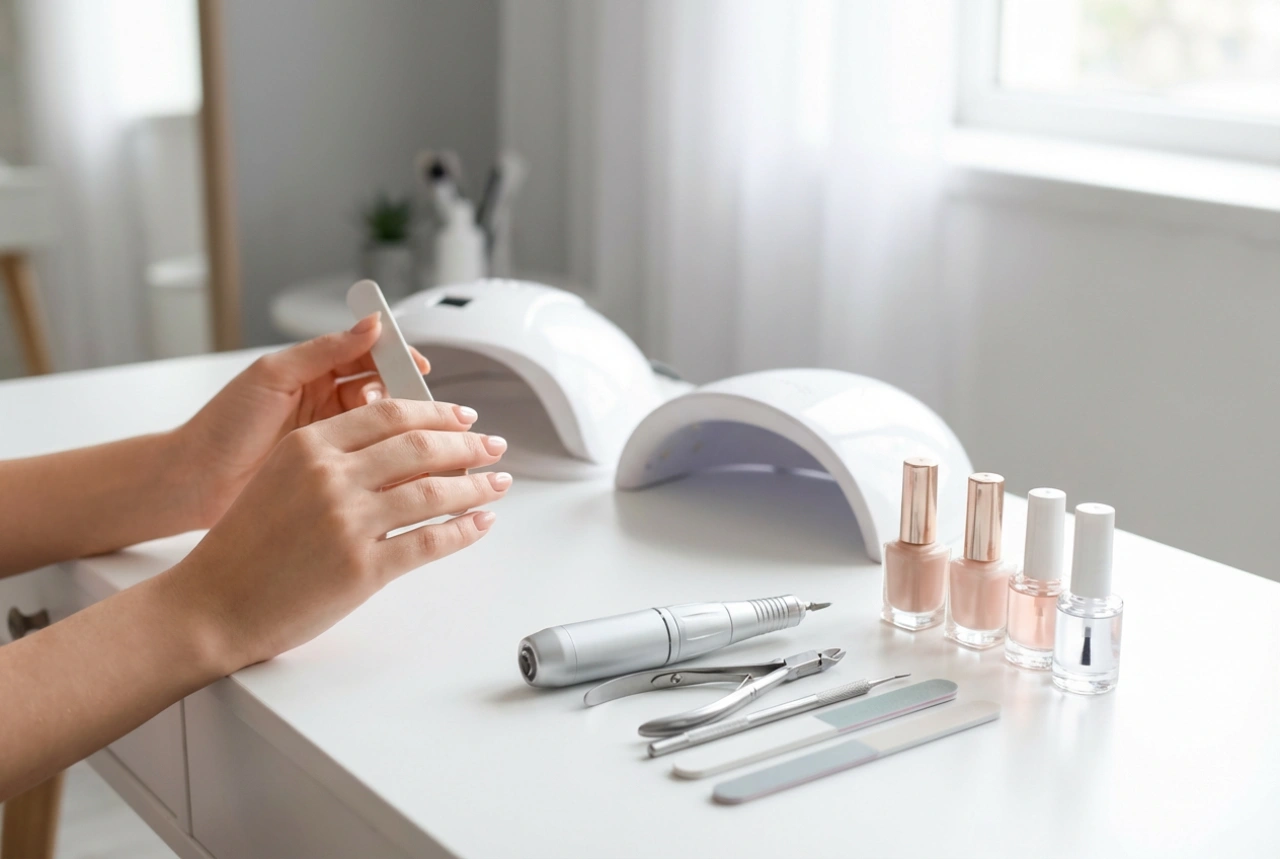
The way we shorten and shape our nails has a direct impact on their structural integrity. Traditional metal files or harsh clippers can create microscopic cracks in the nail plate, leading to splitting later on. Switching to modern, gentle tools is one of the easiest ways to prevent damage.
For optimal nail shaping, keep the following guidelines in mind:
- Use a glass or high-quality paper file instead of metal ones, as they glide smoothly without tearing the nail fibers.
- Always file in one direction rather than using a sawing back-and-forth motion, which weakens the edges.
- Keep the corners slightly rounded; excessively sharp or square shapes are more likely to catch on fabrics and break.
Maintaining Cuticle Health
The cuticle serves as a natural seal that protects the nail matrix, where new nail cells are formed. Cutting or trimming cuticles too aggressively can disrupt this barrier, leading to uneven nail growth. Instead of cutting them, apply a softening product and gently push them back with a soft wooden stick after a bath or shower when the skin is most pliable.
Creating a Minimalist, Protective Routine
Sometimes, less is more when it comes to fragile nails. Giving your nails a break from heavy styling and allowing them to breathe is highly beneficial. A simple, nourishing routine focusing on hydration, protective barriers, and careful shaping is often all it takes to restore their natural vitality. By treating your hands with the same care you would give to delicate skin, you ensure they remain healthy, strong, and timelessly elegant.