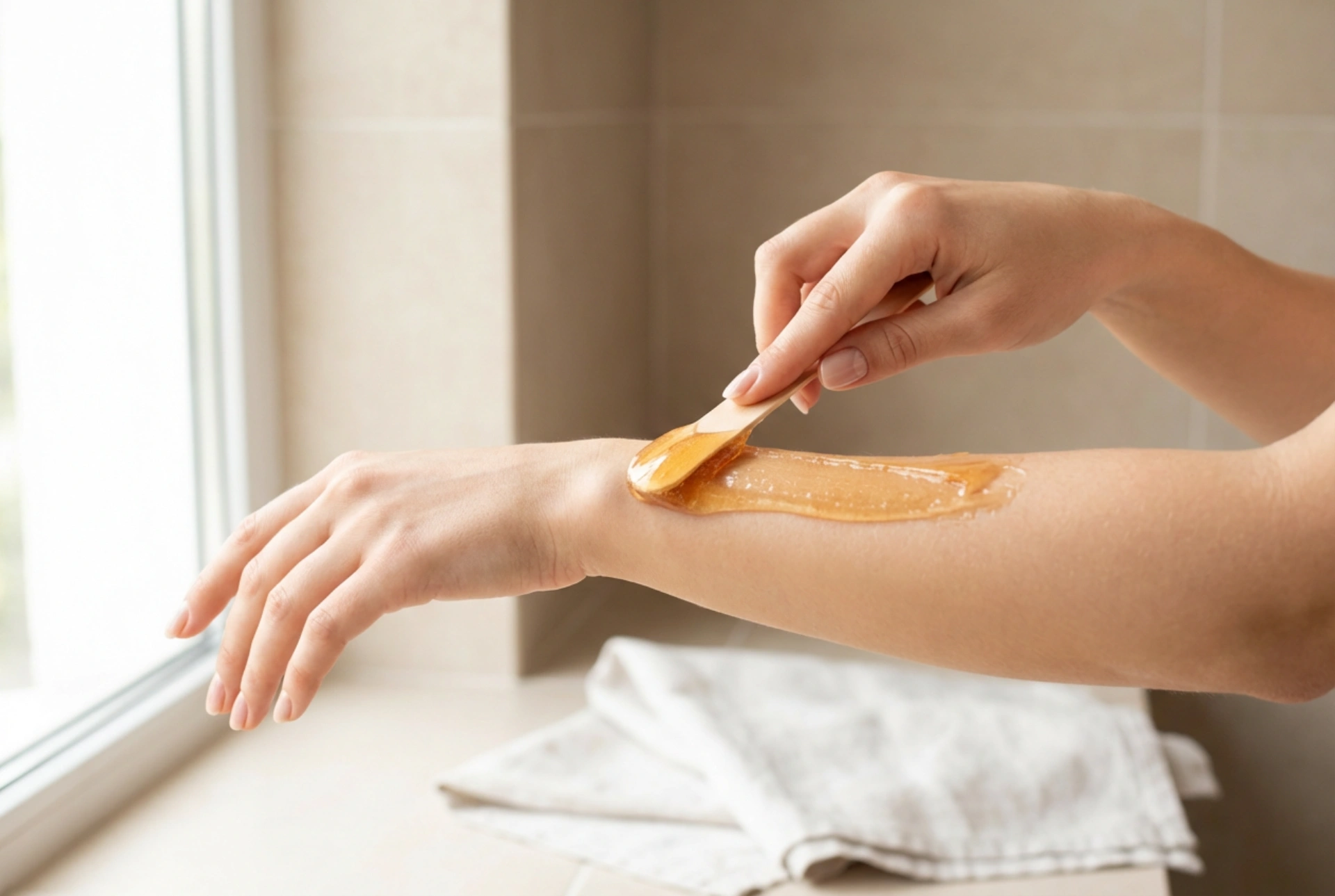


A gentle paste of golden, amber hue applied delicately to the skin is one of the oldest and most natural methods of hair removal. Derived from ancient beauty traditions, sugaring has regained immense popularity as an effective, skin-friendly alternative to traditional waxing. Using a simple mixture of sugar, water, and lemon juice, this method minimises discomfort and leaves the skin feeling exceptionally smooth. For those starting their journey with home hair removal, mastering the correct technique is key to achieving salon-like results without unnecessary irritation.
Understanding the basics of sugaring
Before applying the paste, it is essential to understand why sugaring is highly regarded in natural body care. Unlike hot wax, sugar paste adheres only to the hair and dead skin cells, rather than the living skin layers. This significantly reduces pain and prevents the redness often associated with other hair removal methods. Furthermore, the paste is used at room temperature or slightly warmed, eliminating the risk of burns. Since the ingredients are completely natural, the risk of allergic reactions is minimal, making it an excellent choice for sensitive areas.
Step-by-step application technique for beginners
Achieving success with sugaring relies heavily on the correct hand movement. Unlike waxing, sugar paste is applied against the direction of hair growth and pulled off in the natural direction of growth. This fundamental difference is what prevents hair breakage and ingrown hairs.
Preparing the skin
To begin, ensure the skin is completely clean, dry, and free of oils or moisturisers. Lightly dusting the area with a small amount of talc-free powder or cornstarch helps to absorb any residual moisture, allowing the paste to grip the hairs perfectly.
Working the paste
Take a small, walnut-sized piece of sugar paste. Knead it gently between your fingers until it becomes pliable, warm, and slightly opaque. If the paste is too firm, warming it gently in warm water for a few seconds can help.
The application and flick
Using your fingertips, slowly stretch the paste over the skin against the direction of hair growth. Apply moderate pressure to ensure the paste wraps around each hair. Glide over the same area two or three times to secure the grip. Hold the skin taut with your other hand, and with a quick, smooth flick of your wrist, pull the paste off parallel to the skin in the direction of hair growth.
Common mistakes to avoid
Many beginners experience initial difficulties, which are usually down to a few easily correctable habits. Knowing what to avoid will save time and ensure a comfortable experience.
- Pulling upwards instead of parallel: Yanking the paste upwards away from the skin causes bruising and fails to remove the hair from the root. Always flick parallel to the skin surface.
- Using the wrong temperature: If the paste is too hot, it becomes runny and sticky, making it impossible to flick. If it is too cold, it will pull the skin uncomfortably during application.
- Working on long hair: For the best and least painful results, hair should be about 3 to 5 millimetres long. If the hair is too long, the paste will tangle, causing discomfort.
- Overworking the same area: Applying the paste repeatedly to the same patch of skin can lead to temporary redness and irritation. If some hairs remain, it is best to remove them with tweezers.
Post-depilation care and skin recovery
After completing the process, any remaining residue can be easily washed away with lukewarm water, as sugar paste is entirely water-soluble. To soothe the skin, apply a light, non-comedogenic moisturiser or a natural soothing gel such as aloe vera. Avoid hot baths, saunas, heavy workouts, and direct sun exposure for at least 24 hours to allow the follicles to close and heal naturally. Regular gentle exfoliation a few days after the treatment will keep the skin soft and prevent any future ingrown hairs.