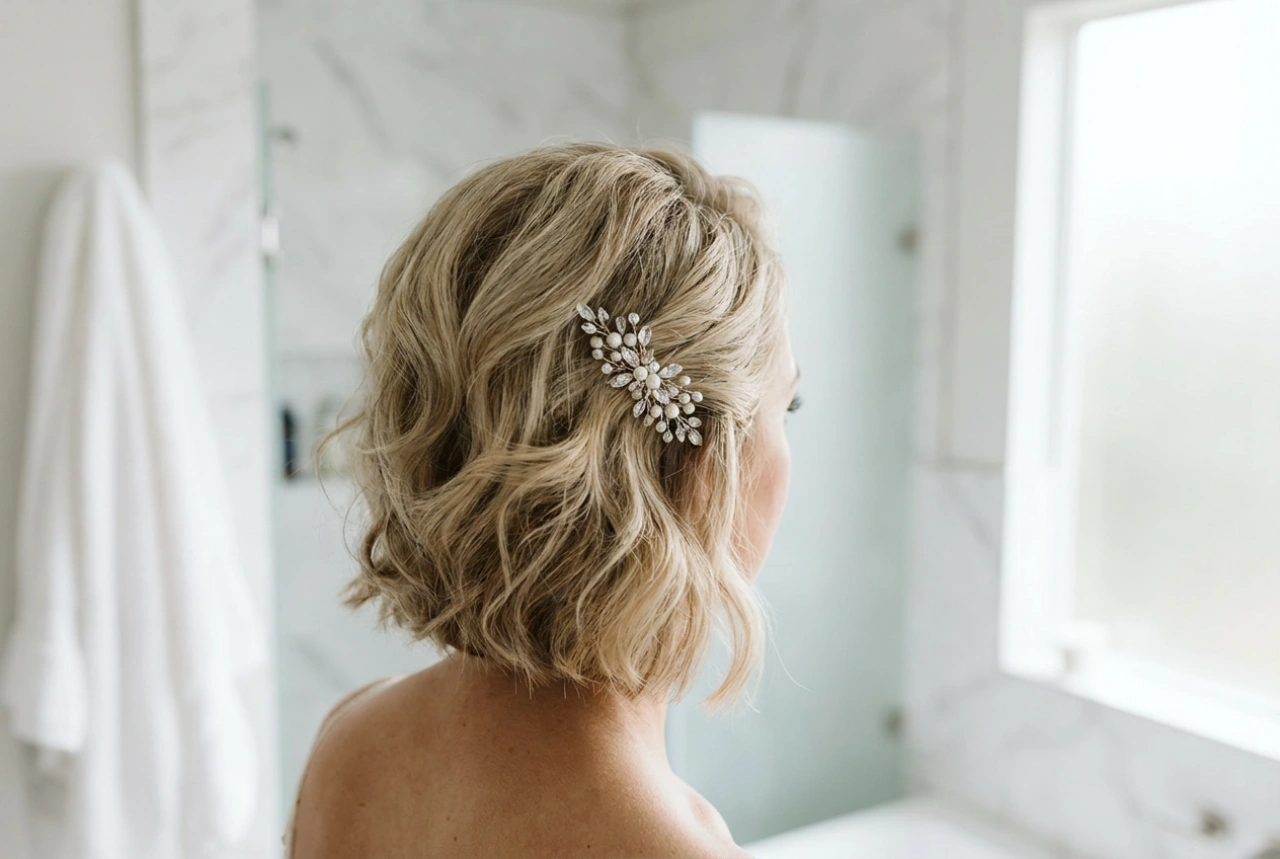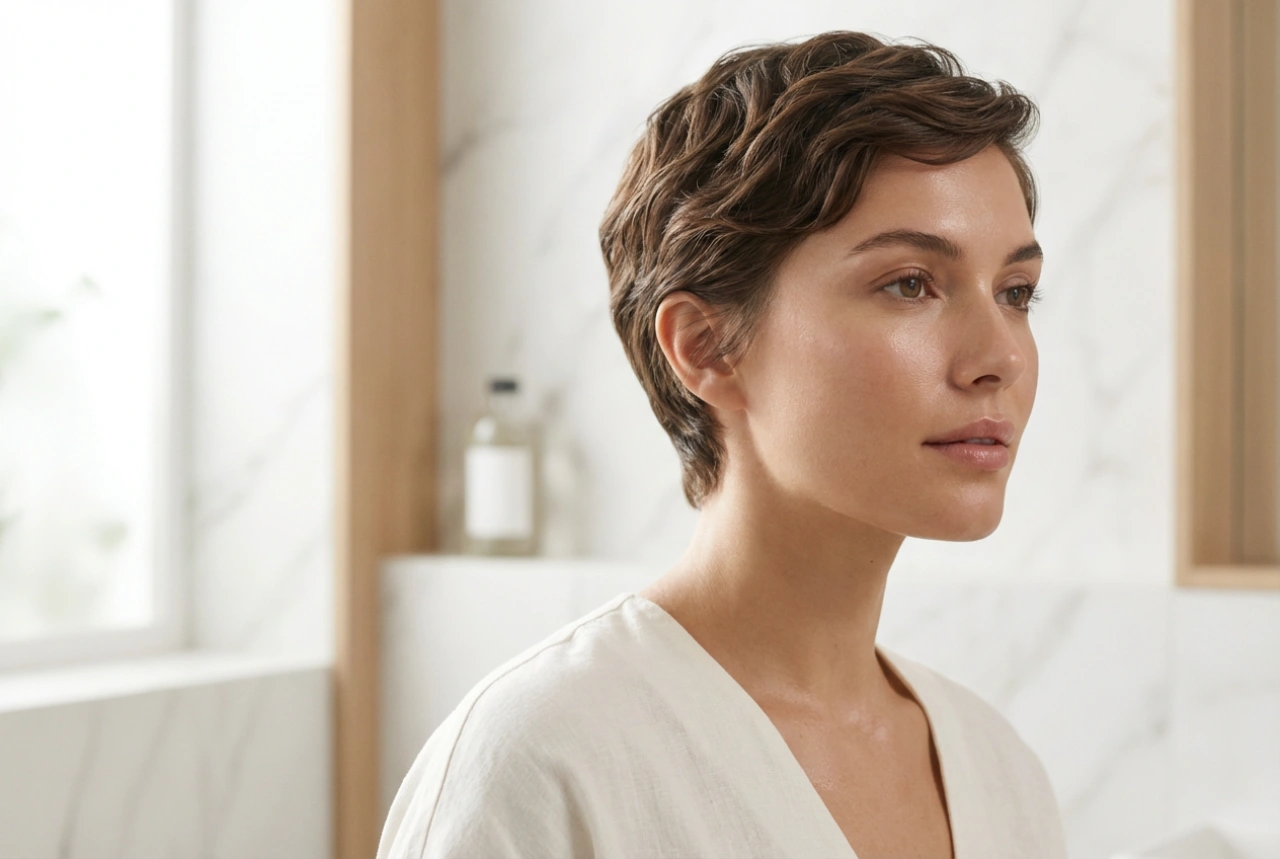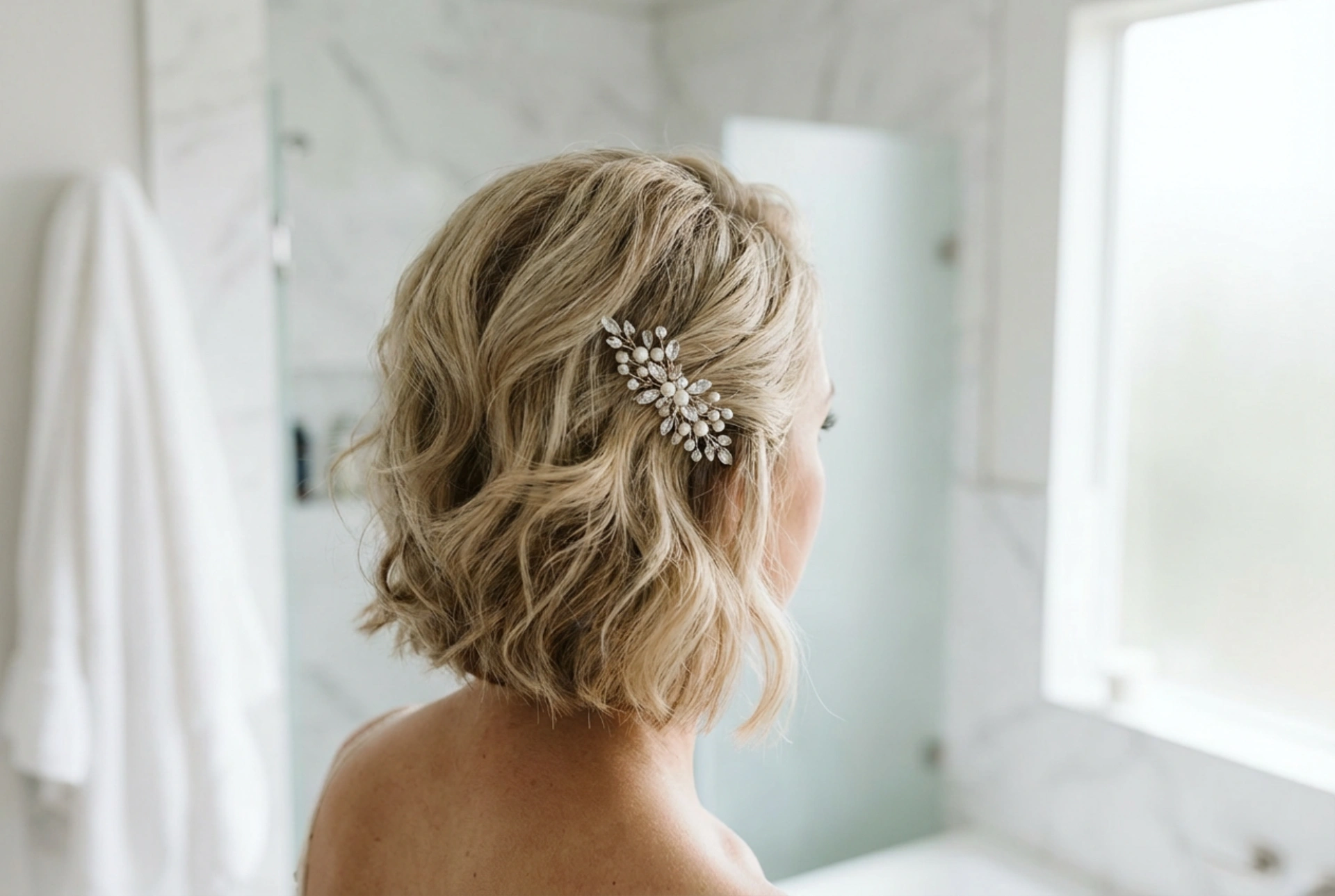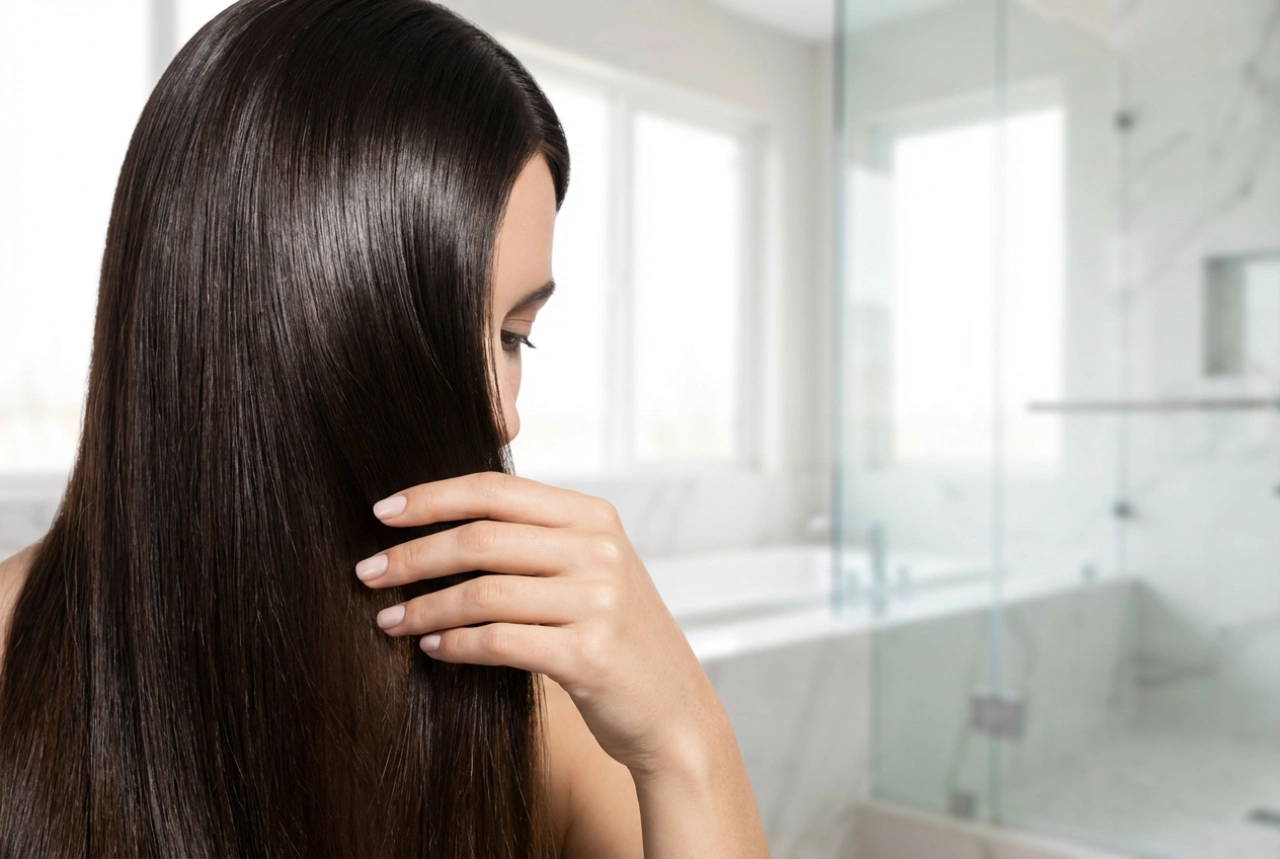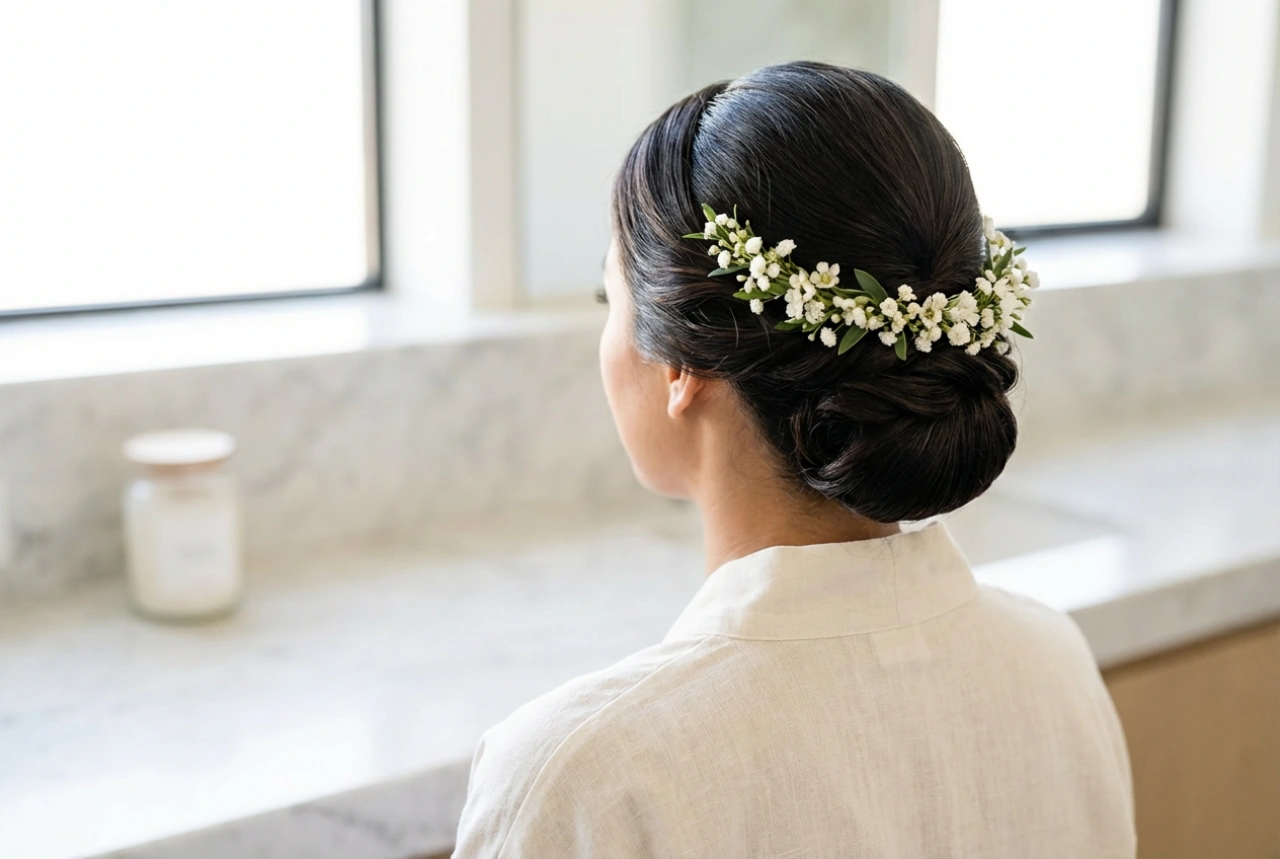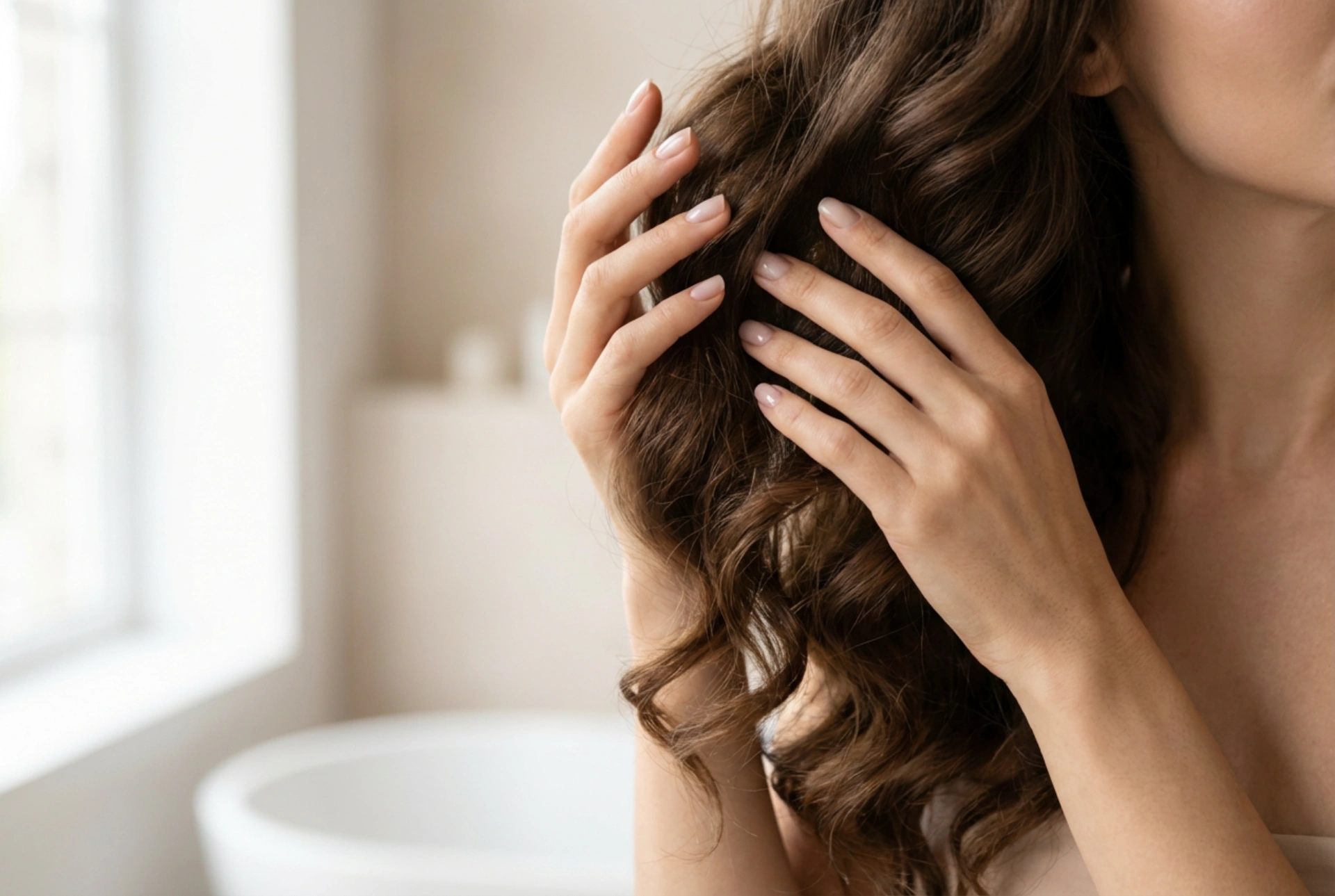


Embracing natural texture is one of the most rewarding steps in a personal care routine. Wavy hair possesses a unique charm, combining the volume of curls with the sleek elegance of straight strands. However, maintaining this balance requires a dedicated approach. In daily care, focusing on gentle handling and mindful styling is essential. Observing the natural pattern of the hair and learning how to support its structure can completely transform its appearance, turning undefined fluff into beautifully defined, soft waves.
The foundation of wave definition: gentle cleansing and moisture
The journey to perfect waves begins in the shower. Wavy hair is naturally more prone to dryness than straight hair, as natural oils from the scalp have a harder time travelling down the curved shaft. To prevent the hair from becoming parched and unruly, it is beneficial to look for mild, hydrating cleansing formulas. Avoiding harsh cleansing agents helps maintain the hair's natural moisture barrier, which is crucial for preventing unwanted frizz from the very start of your routine.
Conditioning is the next vital step. When applying conditioner, focus primarily on the mid-lengths and ends of the hair, where dryness is most prevalent. Using a wide-tooth comb while the conditioner is still in the hair can help detangle strands gently without causing breakage. This technique also ensures an even distribution of moisture, preparing the waves for the styling process.
How to enhance your natural wave pattern
To encourage waves to form beautifully, the styling technique is just as important as the products used. Applying styling products to soaking wet hair is highly effective for lock-in moisture and creating defined clumps of waves. Lightweight leave-in conditioners, creams, or gentle styling foams work wonders for this hair type without weighing it down.
- The scrunching technique: Cup your hair in your palms and gently squeeze upwards towards the scalp. This action encourages the natural wave memory and helps define the pattern.
- Micro-plopping: Use a soft microfiber towel or a clean cotton T-shirt to gently press out excess water from the ends upwards, which helps prevent frizz.
- Airing vs. diffusing: While air-drying is highly gentle, using a blow dryer with a diffuser attachment on a low heat and low speed setting can significantly boost volume and definition.
Effective strategies to combat frizz
Frizz often occurs when dry hair absorbs moisture from the air, causing the hair shaft to swell. The key to minimizing frizz is to seal the hair cuticle and maintain a proper balance of hydration. Applying a few drops of a lightweight natural oil to the ends of dry hair can create a protective barrier that seals in moisture and adds a subtle, healthy sheen.Your nighttime routine also plays a significant role in how your hair looks the next morning. Traditional cotton pillowcases can cause friction, which roughs up the hair cuticle and leads to tangles and frizz. Switching to a silk or satin pillowcase allows the hair to glide smoothly during sleep, preserving the wave structure and keeping the hair smooth and manageable.
Styling tips for daily wear
Maintaining wavy hair between wash days does not have to be complicated. Instead of washing your hair daily, which can lead to dryness, try refreshing your waves with a light mist of water mixed with a tiny amount of leave-in conditioner. Gently scrunch the damp strands to reactivate the styling products from the previous day. This simple routine keeps your waves looking fresh, voluminous, and beautifully defined with minimal effort.