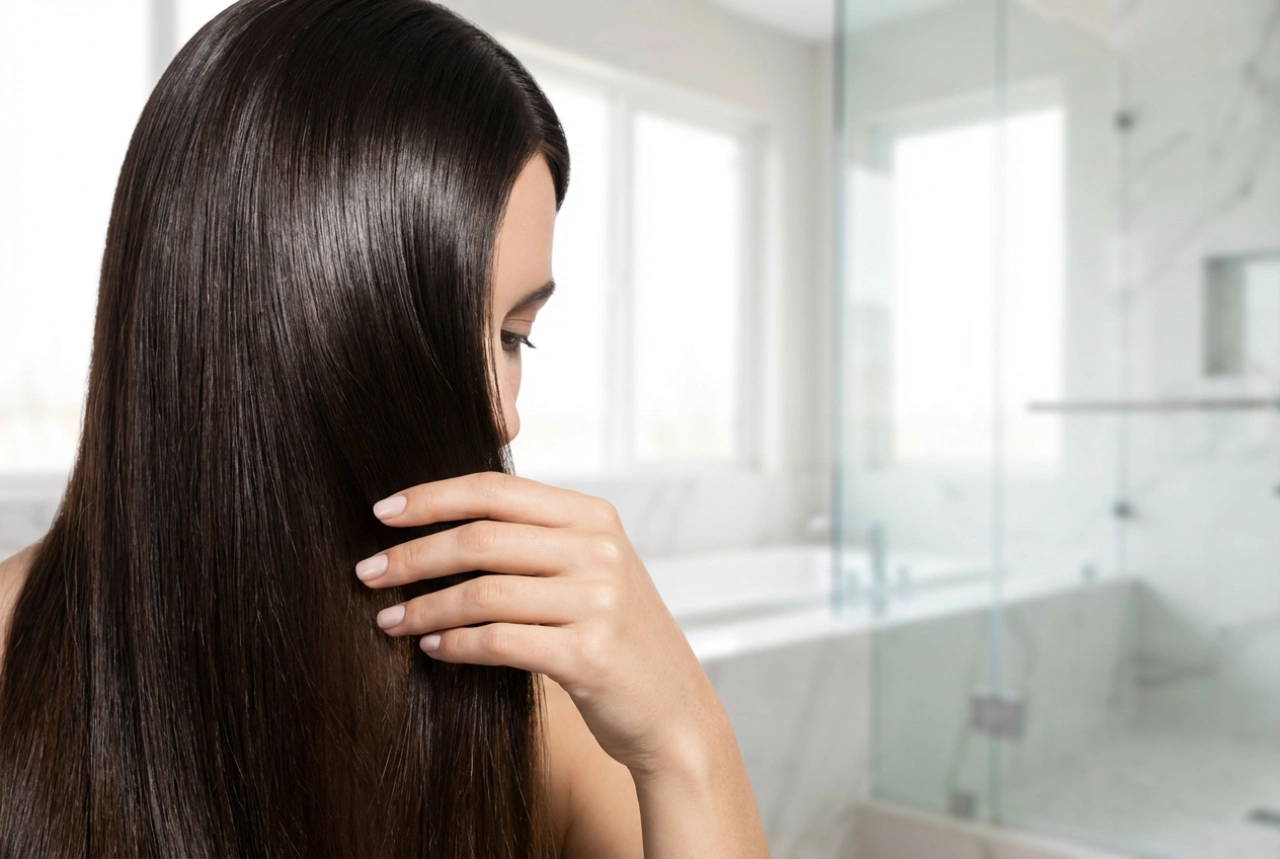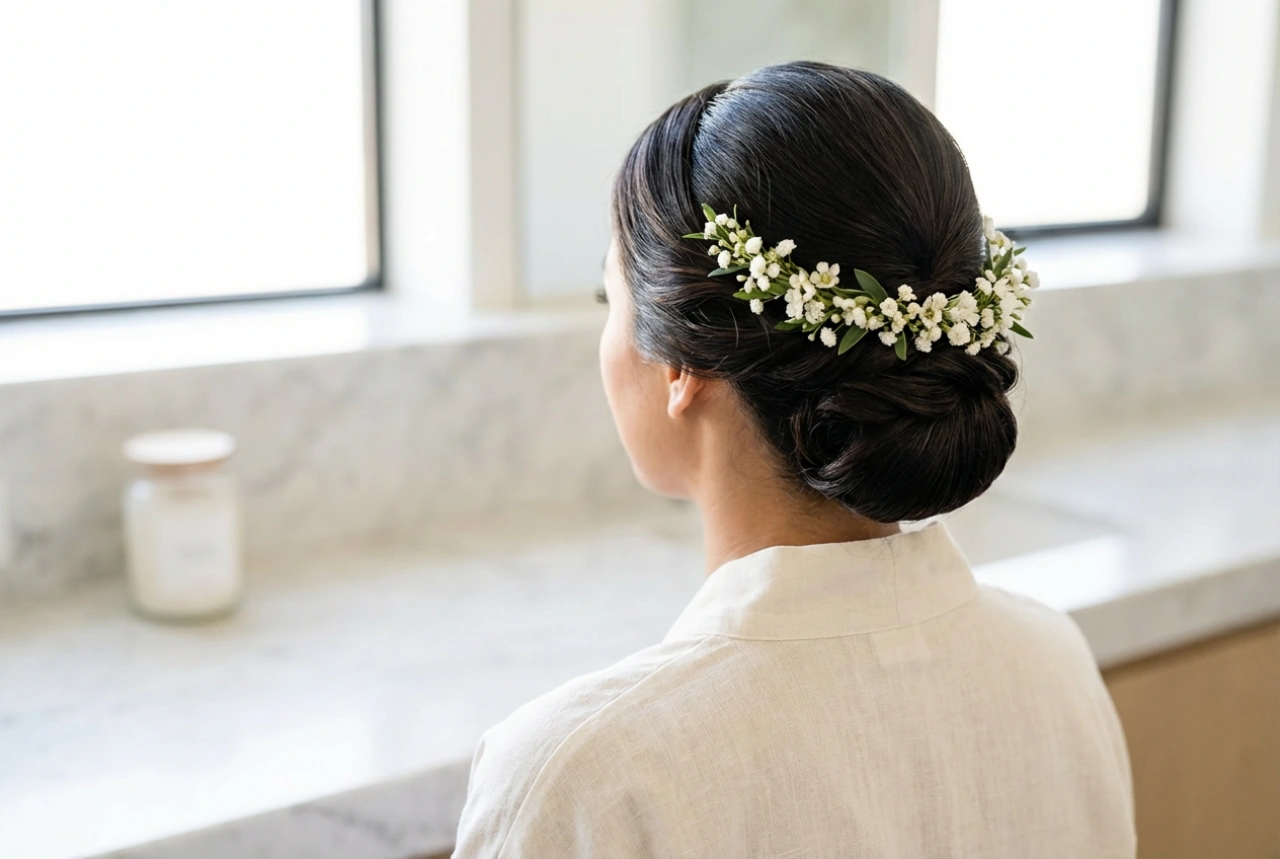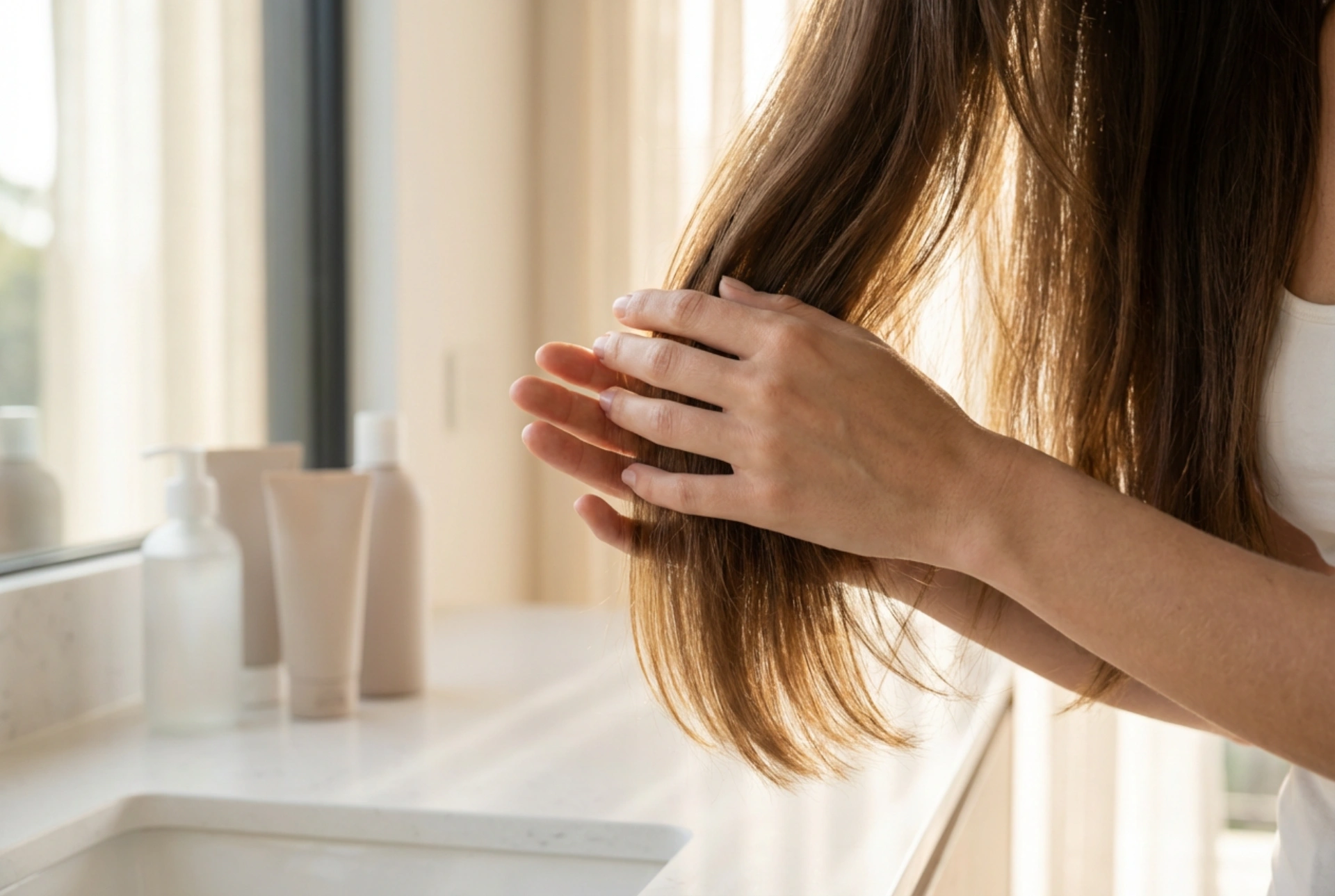


Long, lustrous hair is a timeless symbol of elegance and health, reflecting a dedicated daily care routine. When we observe the gentle touch of hands running through smooth, vibrant strands in the soft morning light, it becomes clear that maintaining such beauty requires consistency. Long hair is naturally exposed to more environmental stressors and mechanical friction than shorter cuts. To keep it looking its best from roots to ends, a balanced combination of proper washing, conditioning, and gentle styling is essential.
The foundation of daily care for long hair
The journey to healthy long hair begins in the shower, and the choice of daily products plays a vital role. Unlike short hair, the ends of long hair can be several years old, meaning they require significantly more nourishment and protection than the hair near the scalp. To maintain balance, it is best to focus shampoo application primarily on the scalp to remove excess sebum and impurities, while letting the rinse-off foam gently cleanse the lengths.
After every wash, the use of a conditioner is non-negotiable. This step seals the hair cuticle, locking in moisture and preventing tangling. When applying conditioning products, always concentrate on the mid-lengths to the ends, avoiding the scalp area to prevent the hair from weighing down or becoming greasy too quickly. Incorporating a rich, nourishing mask once or twice a week provides the deeper hydration that older parts of the hair need to stay resilient.
Effective detangling and drying techniques
Long hair is highly vulnerable to breakage when wet, as water temporarily weakens the hydrogen bonds within the hair structure. To prevent damage, follow these gentle steps:
- Use a wide-tooth comb or a brush designed specifically for wet hair, starting carefully from the ends and working your way up to the roots.
- Squeeze out excess water gently with a soft microfiber towel or a clean cotton t-shirt instead of rubbing the hair vigorously.
- Apply a lightweight leave-in conditioner or a few drops of a nourishing hair oil to the damp ends to facilitate smooth gliding and reduce friction.
- When blow-drying, use a medium or cool air setting and always point the nozzle downwards to keep the hair cuticles flat and shiny.
Daily styling that respects hair health
Achieving a polished look every day does not have to mean subjecting your hair to high heat or tight, damaging styles. Simple, heat-free styling methods can yield beautiful, bouncy results while preserving the integrity of your hair. For natural waves, consider braiding damp hair before sleep or using soft, fabric-covered rollers. These techniques create effortless texture without the dryness associated with curling irons.
If you prefer a sleek, straight look, a high-quality hair oil or smoothing serum can help tame flyaways and add a natural-looking gloss. When choosing hairstyles for active days, opt for loose buns or low ponytails. Tight hair ties can cause mechanical damage and tension on the scalp, which may lead to weakened strands over time. Replacing standard elastics with soft silk or satin scrunchies is a simple yet highly effective way to protect your hair from daily wear and tear.
The role of nighttime protection
What you do with your hair before going to bed significantly impacts its condition the next morning. Friction against a cotton pillowcase can rough up the hair cuticle, leading to frizz, tangles, and split ends. Creating a protective bedtime routine is a game-changer for long hair care.
Securing your hair in a loose, high braid or a soft bun at the crown of your head prevents it from being rubbed between your body and the mattress. Additionally, sleeping on a silk or satin pillowcase reduces friction dramatically, allowing your hair to glide smoothly throughout the night. This small adjustment not only preserves your hairstyle for the next day but also maintains the natural shine and smoothness of your locks.