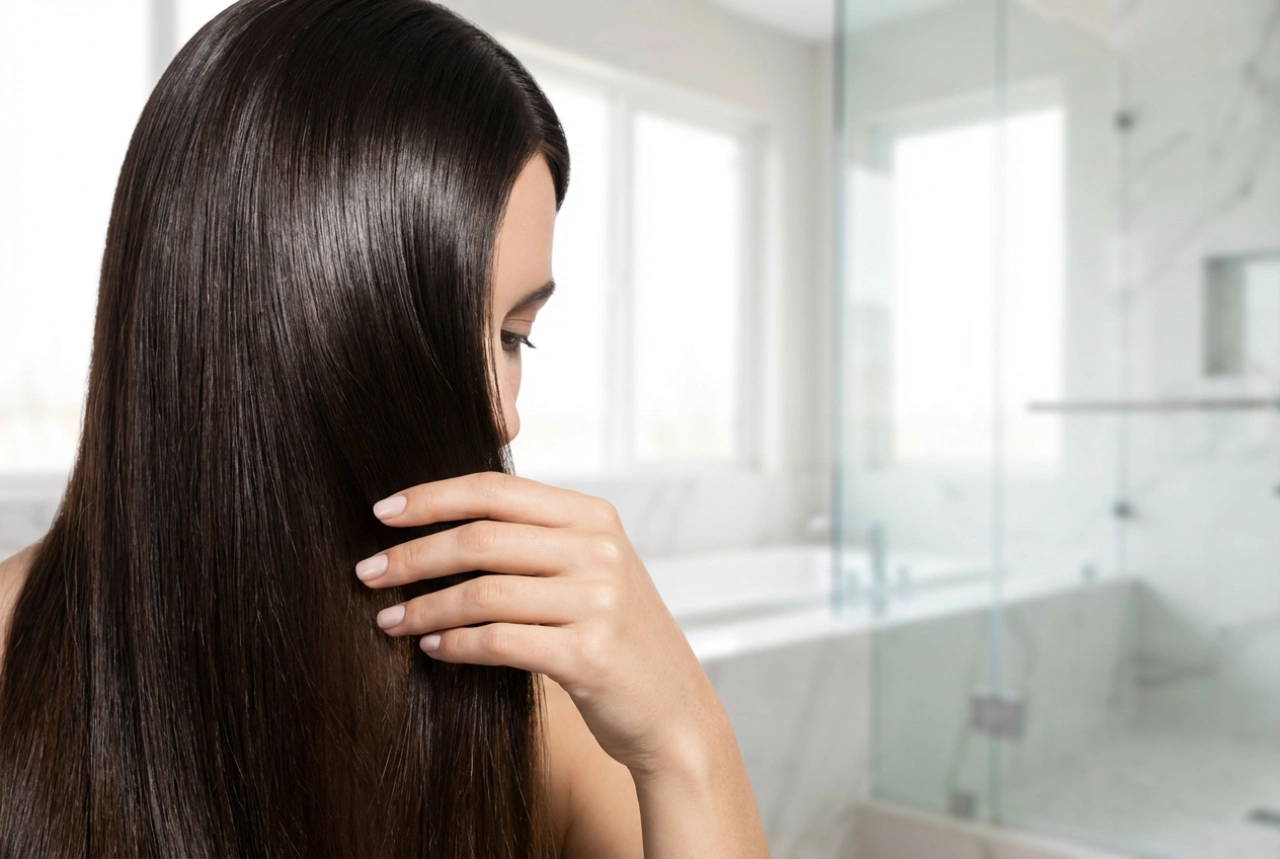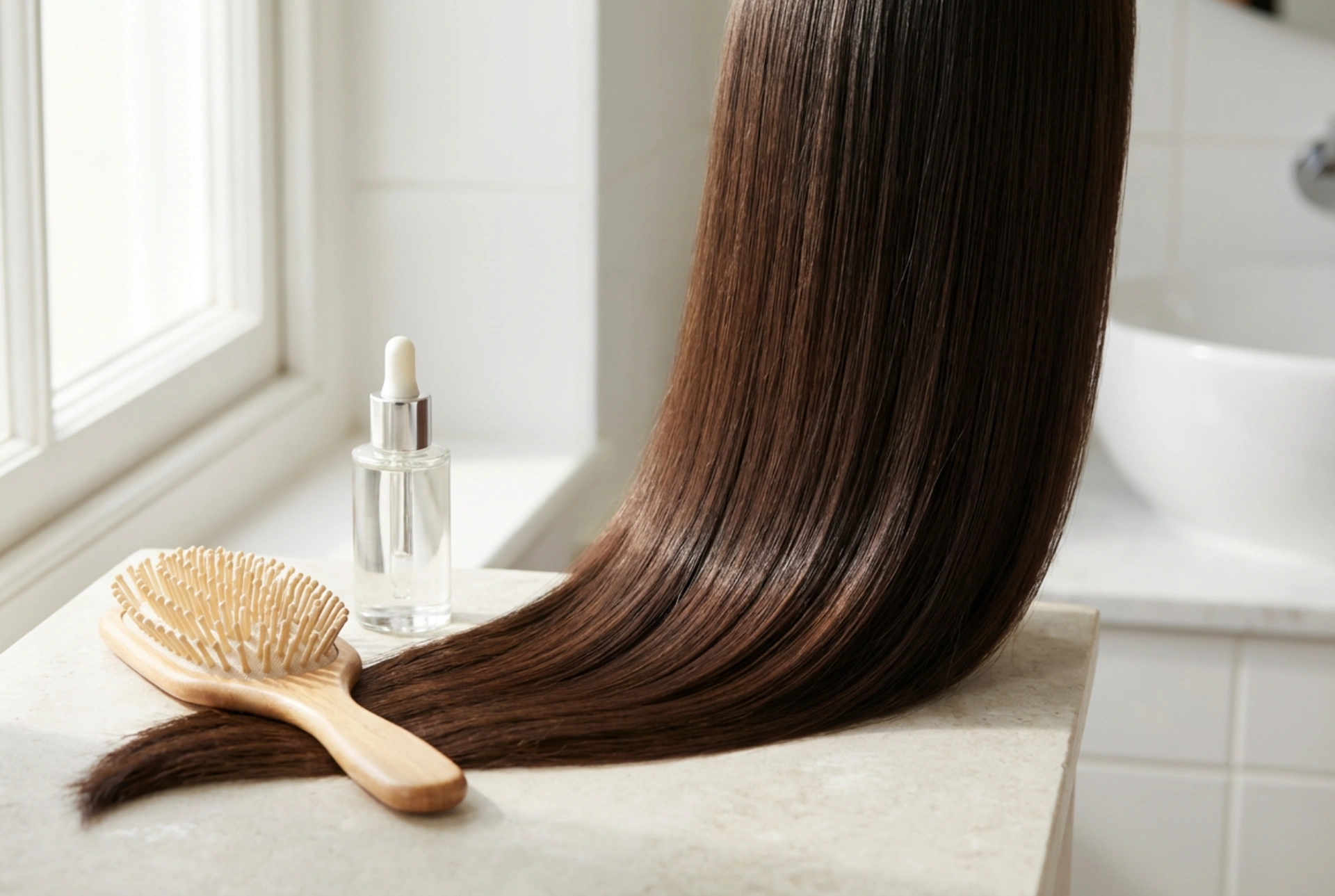


Achieving perfectly straightened, lustrous hair that looks exceptionally smooth and frizz-free under natural light is a common beauty goal. However, the process of straightening often comes with an annoying side effect: static. When hair strands fly away and cling to your face or clothes, it ruins the polished look of a fresh style. Fortunately, with the right preparation, tools, and aftercare, you can achieve a sleek, static-free finish using simple home styling routines.
Why Does Hair Get Static During Straightening?
To tackle static hair, it is helpful to understand why it occurs. Static electricity is created when friction occurs between two different materials, causing electrons to transfer from one to the other. In the context of hair styling, passing a straightener, a plastic comb, or a synthetic brush through your hair strips away moisture and builds up an electrical charge. When individual hair strands carry the same charge, they repel each other, resulting in flyaways and frizz.
Dryness is the primary catalyst for static. Hair that lacks moisture is much more prone to holding an electrical charge. Environmental factors, such as dry indoor heating in winter or low humidity levels, can exacerbate this issue. Therefore, the secret to static-free straight hair lies in maintaining optimal hydration and reducing friction throughout your styling process.
Preparing the Hair: The Foundation of Smoothness
A successful, static-free straightening routine begins long before you turn on your styling iron. Proper preparation in the shower is essential to infuse your strands with the moisture they need to resist static charges.
- Hydrating Wash: Start with a gentle, moisturising shampoo and a rich conditioner. Look for formulations designed to smooth the hair cuticle and lock in hydration. When applying conditioner, focus primarily on the mid-lengths and ends, where hair is naturally drier.
- Gentle Drying: Avoid rubbing your hair vigorously with a traditional cotton towel, as this creates immense friction and roughs up the hair cuticle, making static more likely. Instead, gently squeeze out excess water using a soft microfiber towel or a clean cotton t-shirt.
- Leave-in Conditioning: Before blow-drying, apply a lightweight leave-in conditioner or a smoothing cream. This creates a protective barrier that seals in moisture and shields the hair from the drying effects of heat tools.
The Role of Styling Tools and Techniques
The tools you choose and the way you use them play a critical role in preventing static electricity. Making a few simple adjustments to your styling technique can make a world of difference.
Choosing the Right Brush
Plastic combs and brushes are notorious for generating static. To prevent this, opt for a high-quality paddle brush made with natural boar bristles or anti-static wooden pins. Boar bristles help to distribute your hair's natural oils from the scalp down to the ends, providing natural lubrication and reducing friction. A wide-toothed wooden comb is also an excellent option for detangling damp hair without building up static charges.
Optimising Your Blow-Drying Technique
Never straighten hair when it is even slightly damp, as this can cause severe heat damage and intense static. When blow-drying, always point the nozzle of the dryer downwards, from the roots to the tips. This technique helps to flatten the hair cuticles, ensuring a smoother surface that is less prone to friction. Using a hair dryer with ionic technology can also help, as it emits negative ions that neutralise the positive static charges in dry hair.
Adjusting the Temperature of Your Straightener
Excessive heat strips the hair of its natural moisture, leaving it dry and highly susceptible to static. Adjust your straightening iron to a moderate temperature setting. Fine or damaged hair requires much less heat than thick or coarse hair. Additionally, try to glide the straightener slowly and smoothly down each section of hair in a single pass rather than running it over the same section multiple times. Fewer passes mean less friction and less static build-up.
Post-Styling Care: Locking in the Smoothness
Once your hair is beautifully straight, the final step is to lock in the style and protect it from external elements that might trigger static later in the day.
A generic, elegantly designed hair serum or a lightweight hair oil is your best ally at this stage. Dispense a tiny, pea-sized amount of serum into your palms and rub your hands together to warm the product. Gently smooth your hands over the surface of your hair, paying special attention to the ends and any flyaways. This not only adds a beautiful, lustrous shine but also creates a barrier that keeps humidity out and moisture in, effectively grounding any electrical charges.
If you find yourself on the go and notice static starting to develop, a simple home trick is to lightly mist a clean makeup brush with a tiny amount of alcohol-free hairspray and gently sweep it over the flyaways. This tames the hair without making it greasy or stiff.
Simple Lifestyle Adjustments to Prevent Static
In addition to your styling routine, a few lifestyle tweaks can help keep static hair at bay. Since dry air is a major culprit, consider using a humidifier in your home, especially during the colder months when indoor heating dries out the air. Replacing synthetic pillowcases with silk or satin alternatives can also reduce friction on your hair while you sleep, ensuring you wake up with smoother, more manageable strands. By combining proper hydration, gentle tools, and mindful styling habits, you can enjoy perfectly straightened, sleek, and static-free hair every single day.