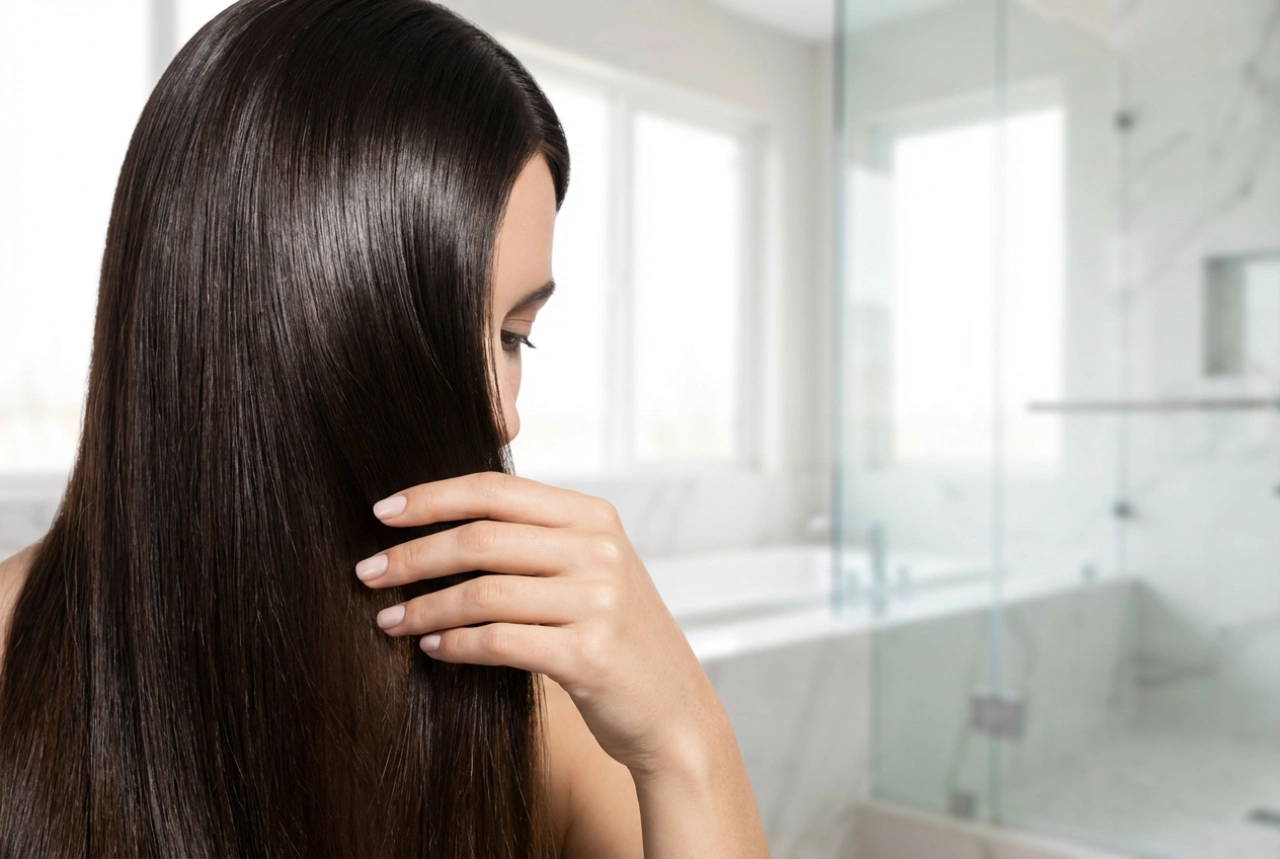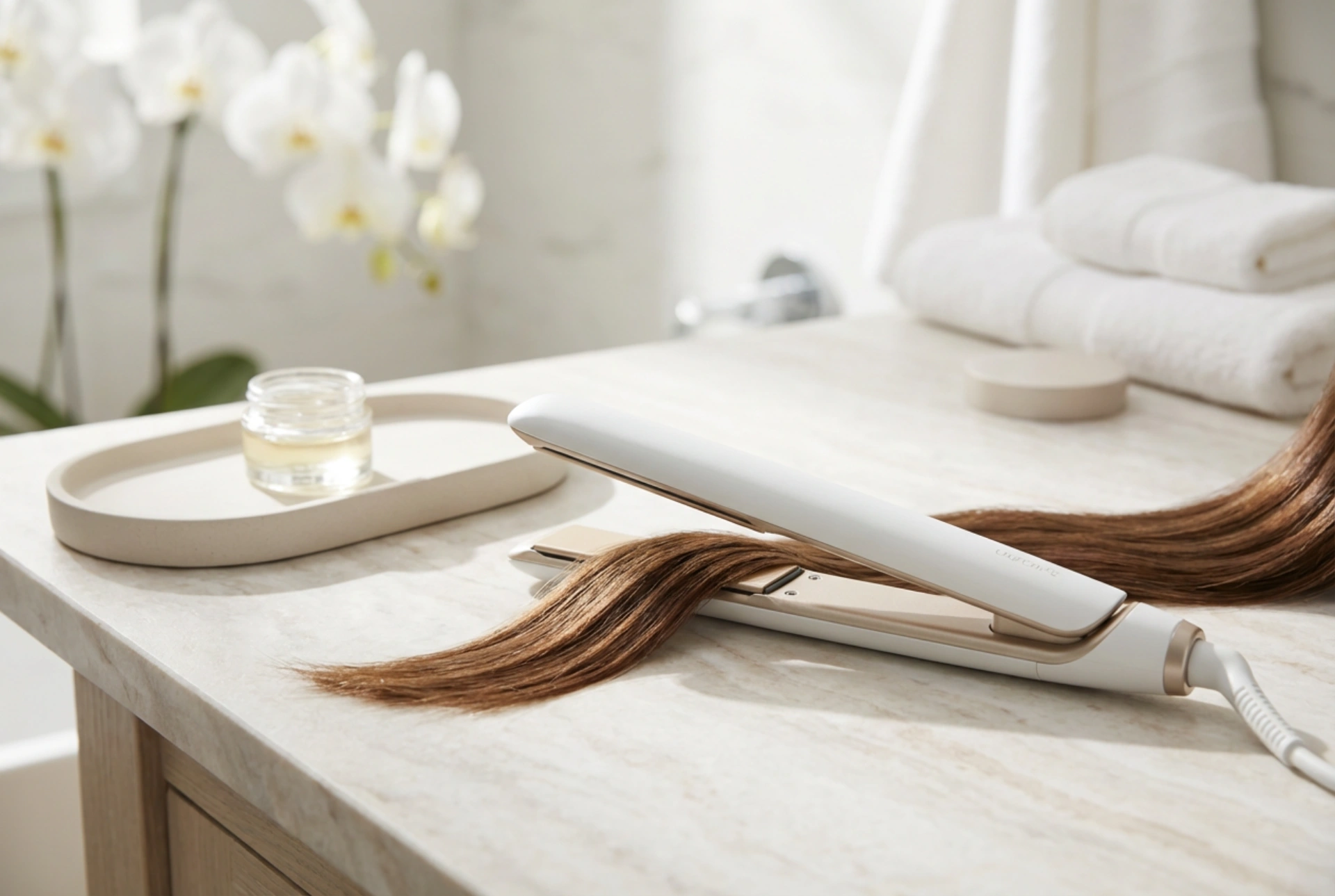


Achieving perfectly sleek, straight hair with a mirror-like shine is a timeless styling goal that can easily be accomplished at home. A modern vanity table, adorned with a sleek, elegant hair straightener, represents more than just a beauty routine; it symbolises a thoughtful approach to personal grooming. While styling tools have become an essential part of our daily lives, selecting the right device and using it properly is key to maintaining the natural vitality of your hair. Understanding the technology behind these tools and mastering safe styling techniques allows you to enjoy beautiful, smooth locks without compromising their long-term health.
Understanding Plate Materials and Technologies
The foundation of any high-quality hair straightener lies in its plates. Different materials distribute heat in unique ways, affecting how the tool glides through your hair and how much protection it offers against heat damage. Choosing the right material depends heavily on your specific hair type and styling needs.
Ceramic Plates for Gentle and Even Heat
Ceramic is the most common and popular choice for everyday hair styling. Ceramic plates are highly valued for their ability to heat up quickly and distribute warmth evenly across the entire surface. This prevents hot spots, which are areas of intense heat that can scorch individual strands. When gliding ceramic plates through your hair, friction is minimised, allowing for a smooth experience that leaves the hair cuticle relatively undisturbed. This material is particularly suited for fine, normal, or slightly wavy hair types.
Tourmaline Plates for Natural Moisture Retention
Tourmaline is a semi-precious mineral that is often crushed and infused into ceramic plates. Its main advantage is its natural ability to emit negative ions when heated. These negative ions counteract the positive ions present in dry or damaged hair, effectively sealing the hair cuticle and locking in natural moisture. The result is a frizz-free, exceptionally shiny finish. Tourmaline straighteners are ideal for individuals with coarse, thick, or frizzy hair that is prone to static electricity.
Titanium Plates for Maximum Heat Efficiency
Titanium is a lightweight metal that heats up almost instantly and retains high temperatures exceptionally well. It is highly durable and resistant to corrosion, making it a long-lasting investment. Because titanium transfers heat much faster than ceramic, it requires fewer passes to straighten tough curls. However, due to its high efficiency, it requires careful handling. It is best suited for thick, coarse, and highly textured hair types that resist styling with gentler tools.
Key Features to Consider Before Purchasing
When selecting a straightener to complement your beauty routine, looking beyond the plate material is essential. Several adjustable features can greatly enhance both the safety and convenience of your styling sessions.
- Adjustable Temperature Settings: This is arguably the most critical feature. A fixed temperature setting can be too hot for delicate hair or insufficient for thick hair. Look for a device that offers a wide digital temperature range, allowing you to tailor the heat to your hair's current condition.
- Plate Width and Shape: Narrow plates (around one inch or less) are highly versatile, making them excellent for short hair, styling fringes, or even creating soft waves. Wider plates are perfect for long, thick hair, as they cover more surface area and significantly reduce styling time. Bevelled edges on the plates also make it easier to glide the tool without creating harsh creases.
- Automatic Shut-Off: For peace of mind, an automatic safety switch-off function is highly recommended. This ensures that the device turns itself off after a set period of inactivity, preventing potential home hazards and saving energy.
- Swivel Cord: A 360-degree swivel cord prevents tangling and allows for greater freedom of movement, making the styling process far more comfortable and efficient.
Step-by-Step Guide to Safe and Effective Straightening
Even the most advanced tool can cause dryness if used incorrectly. Adopting a mindful approach to hair styling ensures that you achieve that sleek, elegant look while preserving your hair's natural resilience.
Always Start with Completely Dry Hair
Applying high heat to damp or wet hair can cause moisture inside the hair shaft to turn into steam instantly, expanding rapidly and causing structural damage. This process weakens the hair fibres and leads to breakage. Always ensure your hair is thoroughly dry, either by air-drying or using a hairdryer on a gentle setting, before using a straightener.
The Essential Role of Heat Protection
Never skip the application of a heat protectant. This simple step creates a lightweight barrier over the hair cuticle, slowing down the conduction of heat and distributing it more evenly. Heat protectants are available in various formats, such as sprays, creams, or serums. Apply the product evenly through your damp or dry hair prior to styling to minimise thermal impact.
Sectioning and the Single-Pass Technique
For the best results, divide your hair into small, manageable sections. Attempting to straighten large clumps of hair at once leads to uneven heat distribution, forcing you to go over the same section multiple times. Instead, work with thin sections, starting from the roots and gliding the tool smoothly down to the ends. Aim for a single, controlled pass per section. This reduces the overall time your hair is exposed to heat, keeping it healthier and more vibrant.
Maintenance and Longevity of Your Device
To ensure your styling tool continues to perform beautifully, regular maintenance is required. Over time, styling products, heat protectants, and natural hair oils can build up on the plates, creating a sticky residue. This residue can cause the plates to drag, leading to uneven heat distribution and hair breakage. To clean your straightener, wait for it to cool down completely, then gently wipe the plates with a damp, soft microfibre cloth. Avoid using harsh chemical cleaners or abrasive pads, as these can scratch and damage the protective coating of the plates.