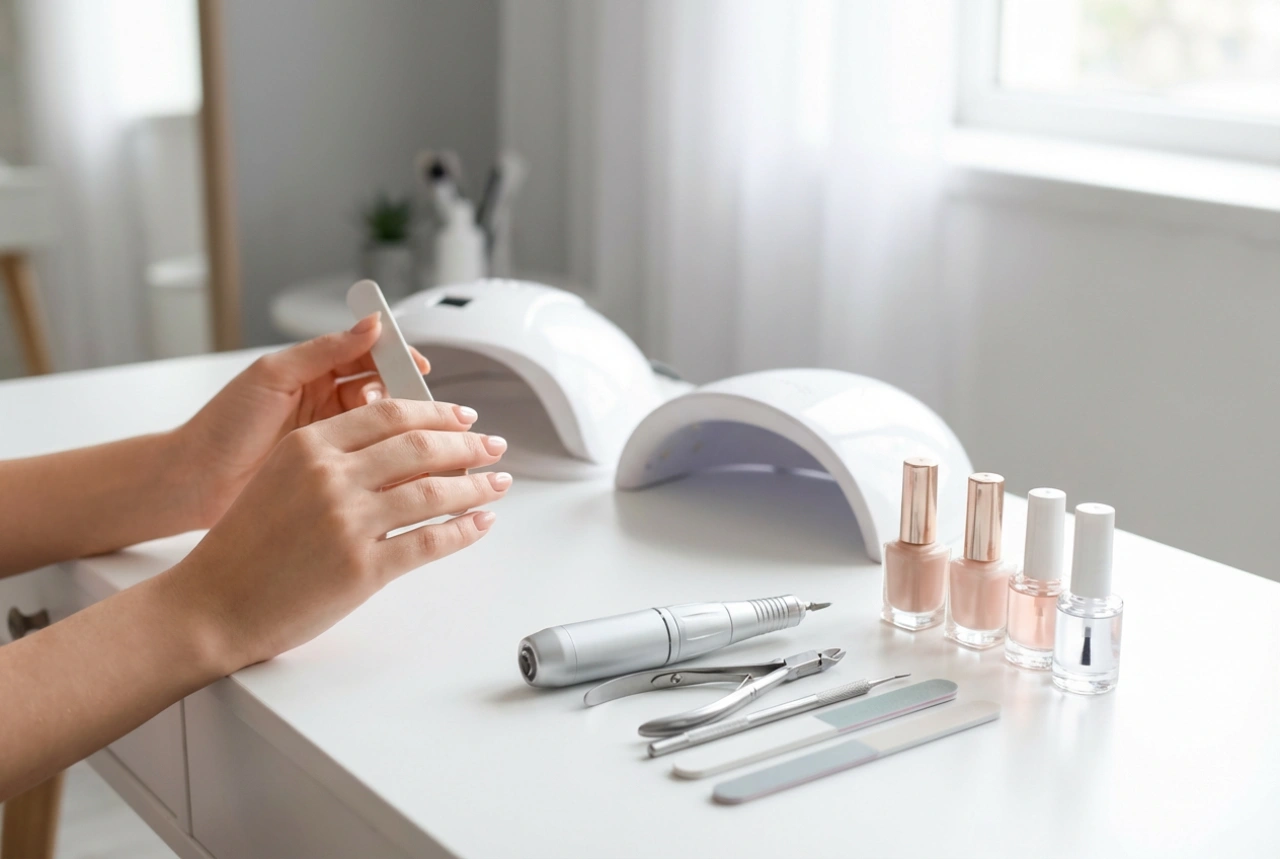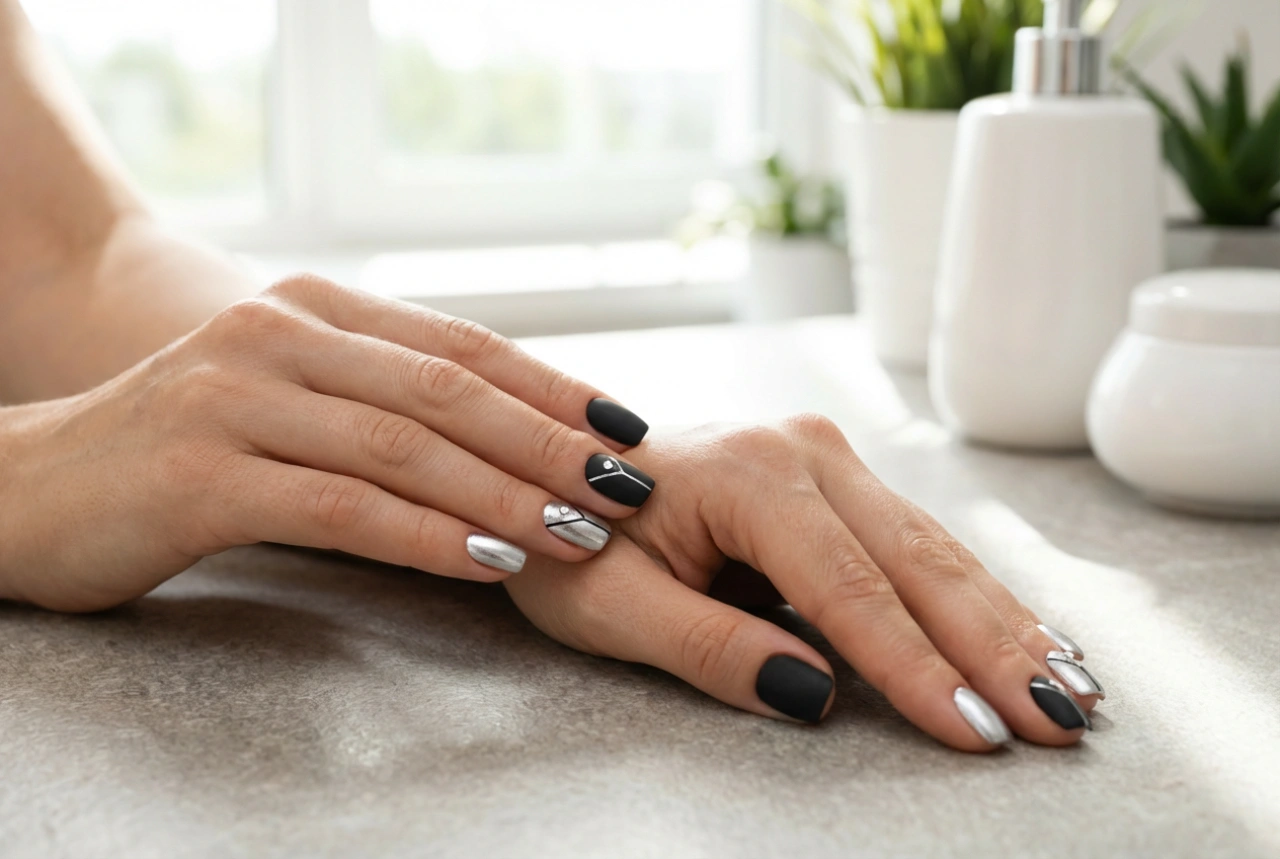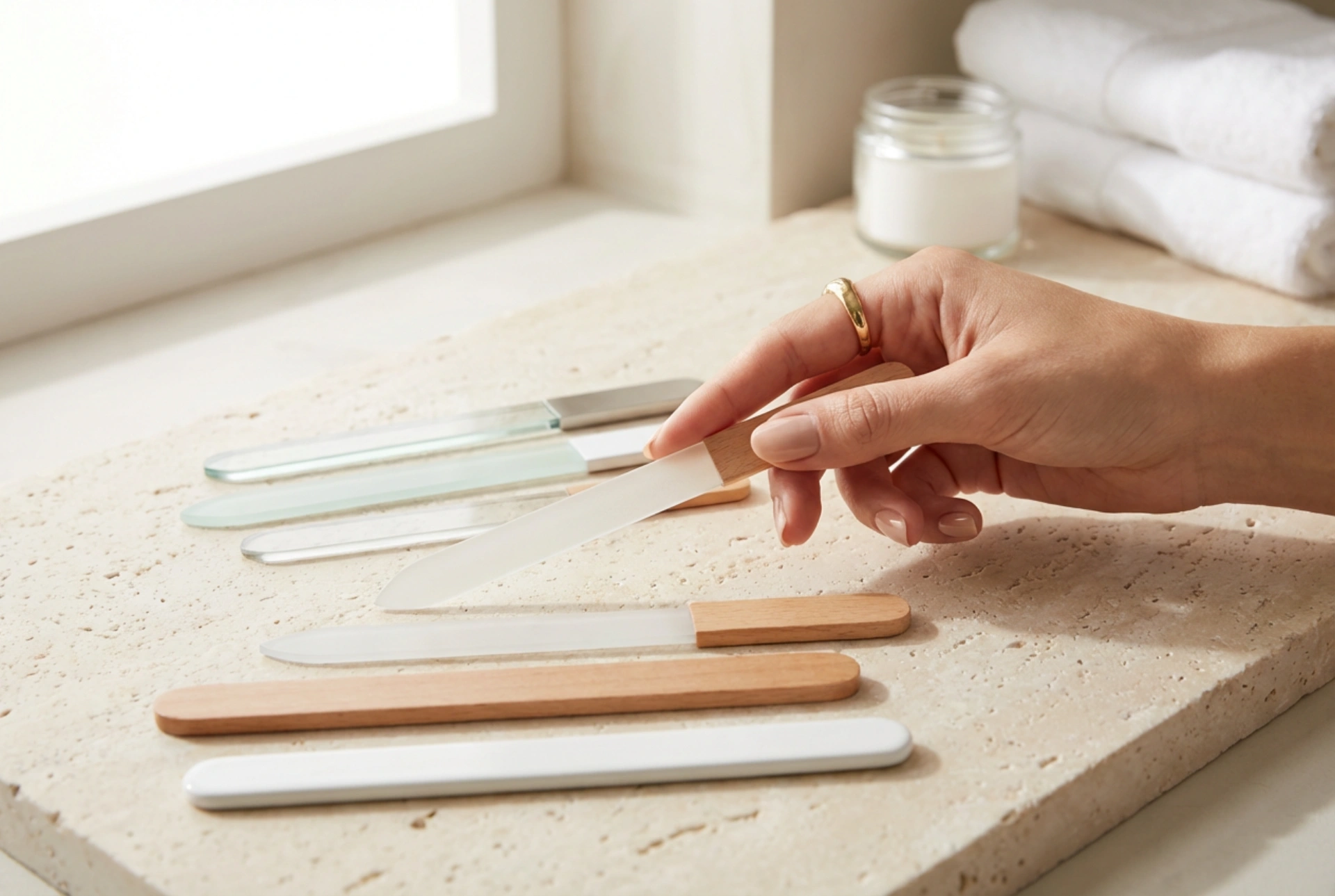


A beautifully organised manicure set is the foundation of any successful home hand care routine. When looking at a curated selection of nail files, with their various textures and elegant contours, it becomes clear that nail shaping is both an art and a science. Choosing the correct tool and mastering the proper technique can transform your regular beauty ritual, ensuring your nails remain strong, resilient, and beautifully styled. Navigating the world of nail files requires a basic understanding of grits, shapes, and materials to achieve professional-looking results at home.
Demystifying Nail File Grits
The term 'grit' refers to the roughness of the file’s surface, determined by the number of abrasive particles per square inch. The general rule is simple: the lower the grit number, the coarser the file; the higher the number, the gentler the surface. Understanding these numbers is essential to prevent accidental damage to your natural nails.
- 80 to 100 Grit (Coarse): These files are highly abrasive and are not recommended for natural nails. They are designed almost exclusively for shaping and shortening thick artificial extensions or overlays. Using them on natural nails can cause immediate splitting and peeling.
- 150 to 180 Grit (Medium): A versatile range that should be used with care. The 180-grit side is often used for shaping slightly thicker natural toenails or gently smoothing the free edge of healthy fingernails, but it requires a light touch.
- 240 Grit (Fine): This is the golden standard for natural nail care. A 240-grit file is gentle enough to shape the free edge of natural fingernails without causing micro-tears in the delicate layers of keratin. It is ideal for regular maintenance and preventing snags.
- 400 Grit and Above (Buffer): These ultra-fine surfaces are not meant for shaping. Instead, they are used to smooth out ridges on the nail plate and polish the surface to a natural, high-gloss shine. Buffing should always be done sparingly to avoid thinning the nail.
Exploring Shapes and Ergonomics
The shape of a nail file is not merely an aesthetic choice; it dictates the precision and control you have during the filing process. Different shapes cater to different angles and parts of the nail contour.
The Straight File
This is the classic, traditional shape. It is highly versatile and excellent for shortening nails and creating clean, straight edges, such as those needed for square or squoval nail shapes. The straight edge provides a reliable guide for keeping your filing lines symmetrical.
The Curved or Banana File
Featuring a gentle arch, the curved file is designed to fit comfortably in the hand and follow the natural curve of the nail bed and cuticle area. It is particularly useful for smoothing the edges near the sidewalls without accidentally scraping the surrounding skin.
The Half-Moon File
Combining the best of both worlds, the half-moon shape has one straight edge and one curved edge. This hybrid design allows you to switch between straight, precise shaping and ergonomic, rounded smoothing without changing tools, making it a favourite for home manicures.
Choosing the Right Material
Beyond grit and shape, the material of the file plays a crucial role in maintaining nail health. Modern beauty routines offer several excellent options, each with distinct benefits.
Emery Boards: Typically made of cardboard coated with abrasive paper, these are lightweight, inexpensive, and highly accessible. While they are not designed to last forever, they are gentle on natural nails and easy to pack for travel.
Glass and Crystal Files: Widely considered the finest choice for natural nails, glass files feature an extremely fine, chemically etched surface. They file the nail edge smoothly, effectively sealing the keratin layers together to prevent splitting. Furthermore, they are incredibly durable and easy to sanitise.
Metal Files: While durable, traditional metal files are often too harsh for natural nails. The rigid metal ridges can cause micro-fractures along the nail edge, leading to peeling and breakage over time. It is generally recommended to swap metal files for glass or high-quality emery boards.
The Correct Filing Technique
Even with the perfect file, technique is key to preventing damage. Following a few simple steps ensures your nails remain strong and healthy.
First, always ensure your nails are completely dry before filing. Wet nails are soft and pliable, making them highly susceptible to tearing and peeling under the friction of a file.
When filing, avoid the common temptation to saw back and forth. This back-and-forth motion destabilises the nail layers and causes splitting. Instead, file in one fluid direction, moving from the outer corner of the nail toward the centre. Lift the file slightly between strokes to reset.
Hold the file at a slight angle rather than flat against the nail edge. This helps you see the shape as it develops and prevents you from filing away the supportive underside of the nail. Use light, controlled strokes, letting the abrasive surface do the work rather than applying heavy pressure.
Maintaining Your Tools
To keep your files performing at their best and to ensure proper hygiene, regular maintenance is required. Cardboard emery boards should be kept dry and replaced once the grit begins to wear down. Glass files, on the other hand, can be washed with warm soapy water and dried thoroughly after each use, ensuring they remain hygienic and effective for years to come.