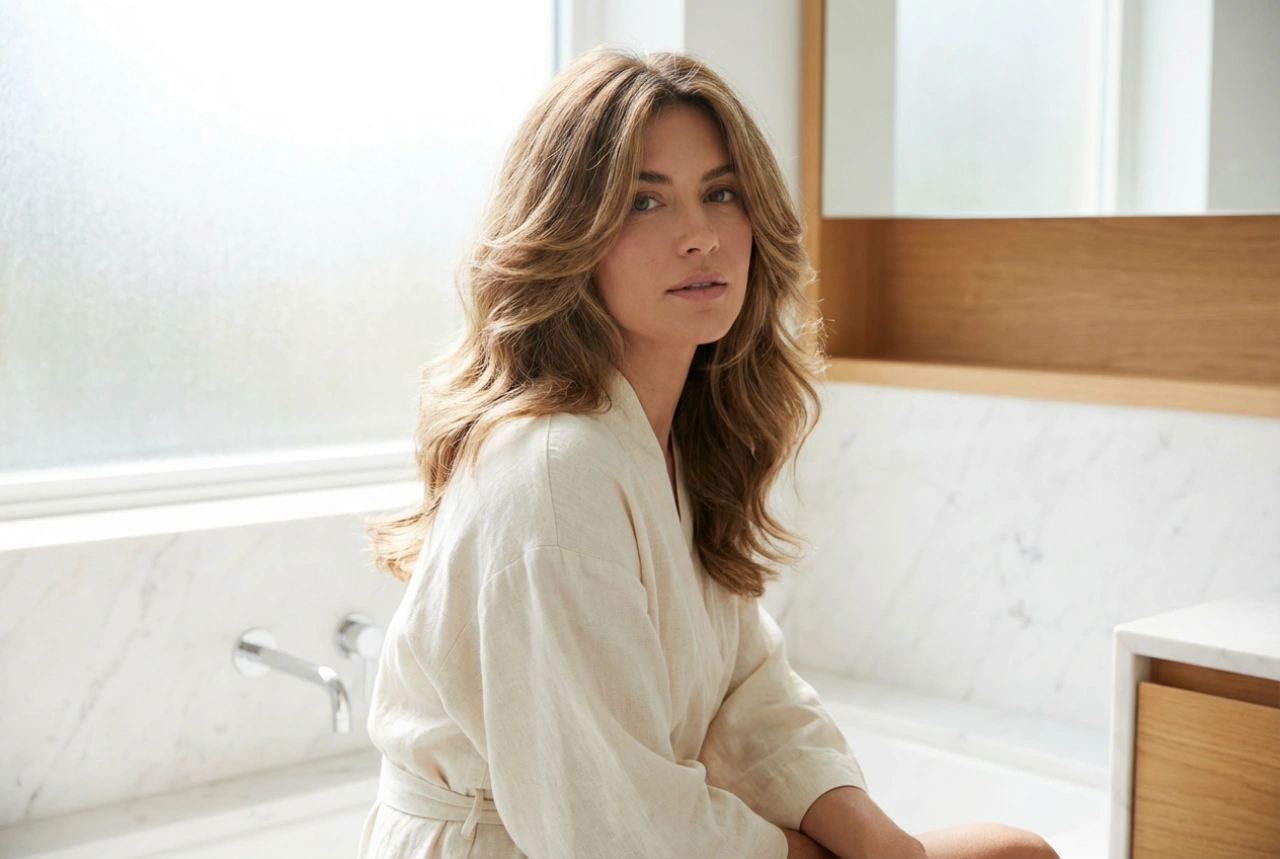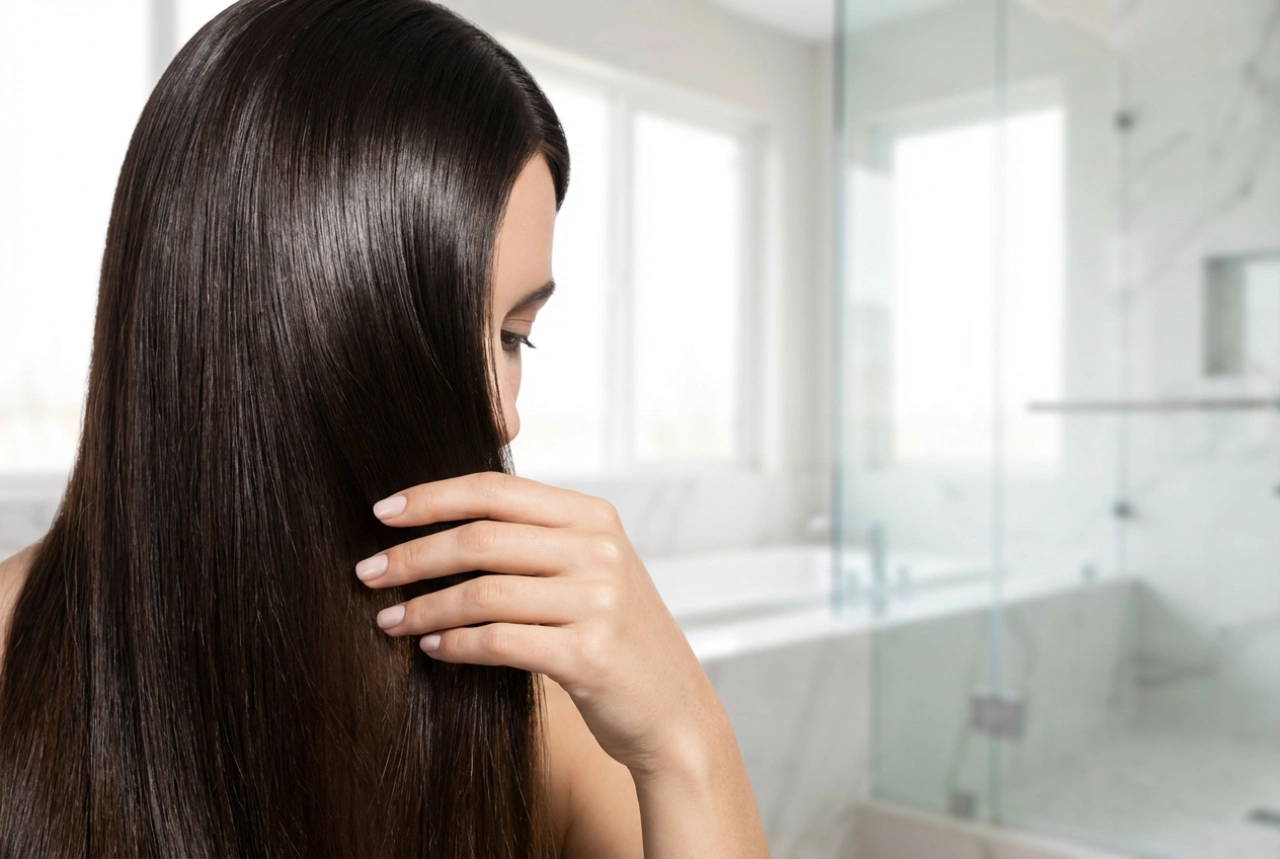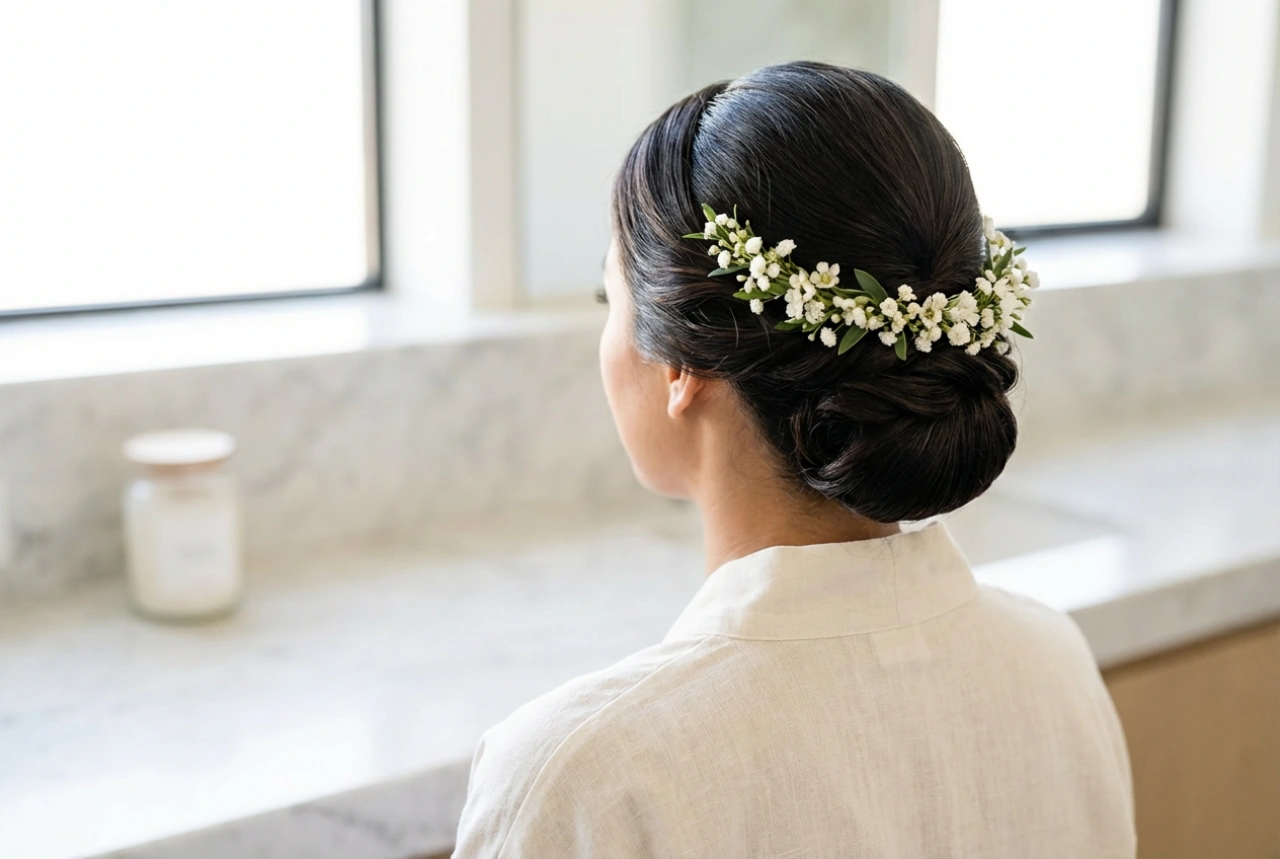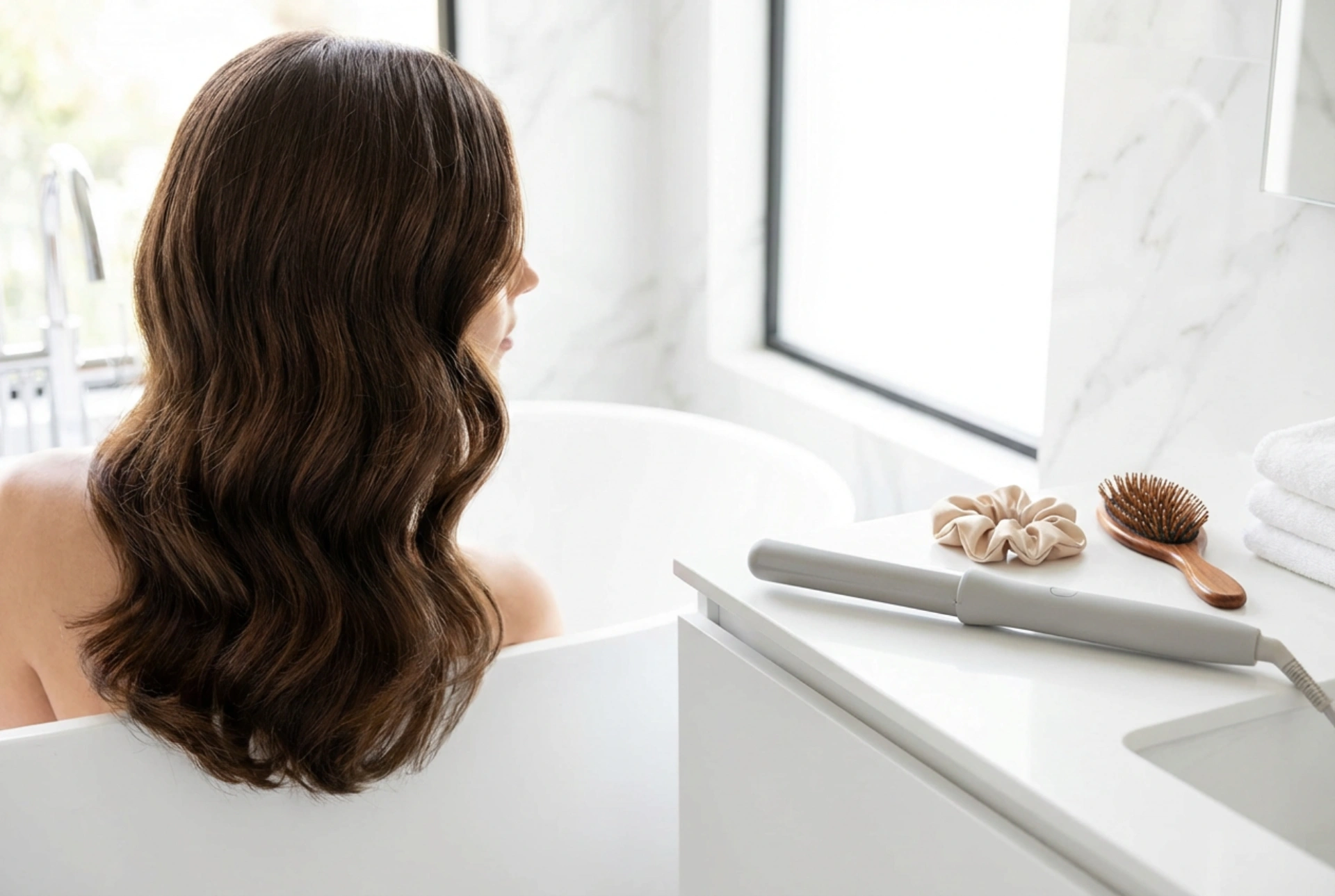


Long, lustrous hair styled into voluminous, soft waves reflecting natural light is a timeless look that exudes elegance. Whether you prefer the polished structure of heat-styled curls or the effortless texture of heat-free techniques, long hair offers a versatile canvas for beautiful movement. On a clean, modern vanity, styling tools like curling wands rest alongside gentle accessories like satin scrunchies and elegant brushes, representing the diverse pathways to achieving the perfect wave. Choosing the right method depends on your hair type, lifestyle, and how much time you have to dedicate to your beauty routine.
The Art of Heat Styling: Precision and Definition
For those seeking defined, long-lasting waves, heat styling remains a popular and highly effective choice. Modern styling tools make it possible to create a variety of patterns, from tight curls to loose, beachy waves. To achieve a natural look, the key lies in the technique. Instead of wrapping the entire strand of hair around the curling wand, many stylists recommend leaving the last inch or two of the ends straight. This creates a more relaxed, modern silhouette rather than a traditional ringlet.
When working with heat, preparing the hair is of paramount importance. Long hair is older at the ends and more susceptible to environmental stressors, making protective measures essential. Applying a lightweight, heat-protective spray or serum evenly through dry hair before styling helps create a barrier against high temperatures. Additionally, working in sections ensures that heat is distributed evenly, preventing the need to pass over the same section of hair multiple times, which preserves the hair's natural elasticity and shine.
Choosing the Right Tool for the Desired Wave
The diameter of your styling wand or tong dictates the size and shape of the wave. A wider barrel is ideal for creating voluminous, soft waves that look brushed out and effortless. Conversely, a tapered wand allows for more natural variance, mimics natural textures, and adds volume near the roots while keeping the ends loose. Alternating the direction of the curls—winding one section away from the face and the next towards it—prevents the waves from clumping together, resulting in a fuller, more textured appearance.
Heat-Free Methods: Gentle and Protective Styling
If you prefer to minimise thermal exposure to maintain the ultimate health and moisture of your hair, heat-free waving methods are an excellent alternative. These techniques utilise time and the hair’s natural drying process to set the hair into beautiful, soft shapes. One of the most popular and simple methods involves using a satin headband or a set of satin scrunchies. By wrapping slightly damp hair around a plush headband overnight, you can wake up to smooth, frizz-free waves with minimal effort.
Another classic technique is braiding. Creating two loose French or Dutch braids on damp hair results in crimped, bohemian-style waves once dry. For softer, rounder waves, twisting the hair into low buns secured with satin scrunchies is highly effective. Satin is particularly beneficial as a material because it reduces friction, preventing hair breakage and static electricity, while preserving the natural gloss of the hair cuticles.
The Benefits of Heatless Styling
Opting for heat-free methods is incredibly gentle on long hair, which is more prone to dryness and split ends. Because these methods do not strip the hair of its natural moisture, the resulting waves often look remarkably healthy and feel incredibly soft to the touch. It is also an excellent time-saving strategy for busy mornings; by preparing your hair the night before, your morning routine is reduced to simply undoing the wraps and gently shaking out the waves.
Essential Tips for Maintaining Wave Definition
Regardless of whether you used heat or went heatless, the way you finish and maintain your style determines how long the waves will last. Once your hair has fully cooled down from heat styling, or once you have unravelled your heatless wraps, avoid rushing in with a fine-tooth comb. Instead, use your fingers or a wide-tooth comb to gently break up the waves. This maintains the volume and prevents the pattern from turning into frizz.
An elegant, soft-bristle brush can also be used to blend the waves into a seamless, voluminous canopy. Brushing gently from the mid-lengths down helps distribute the hair’s natural oils, adding a lustrous sheen to the finished look. If your hair is naturally straight or heavy, a light mist of a dry texturising spray or a flexible-hold hairspray can provide the necessary grip to keep the waves from dropping throughout the day.
Night-time Care and Preserving Your Style
To enjoy your voluminous waves for a second or even third day, protective night-time care is essential. Friction from standard cotton pillowcases can rough up the hair cuticle, leading to tangles and frizz that ruin the wave pattern. Swapping your pillowcase for a silk or satin alternative is a simple luxury that makes a significant difference. The smooth surface allows the hair to glide effortlessly as you move in your sleep.
Additionally, you can loosely gather your hair at the very top of your head in a style often referred to as a pineapple, securing it loosely with a satin scrunchie. This keeps the waves from being crushed beneath your head and shoulders, preserving the volume at the roots and the soft bounce through the lengths. In the morning, simply release the scrunchie, let the hair fall naturally, and apply a drop of lightweight hair oil to the ends to restore any lost moisture and shine.