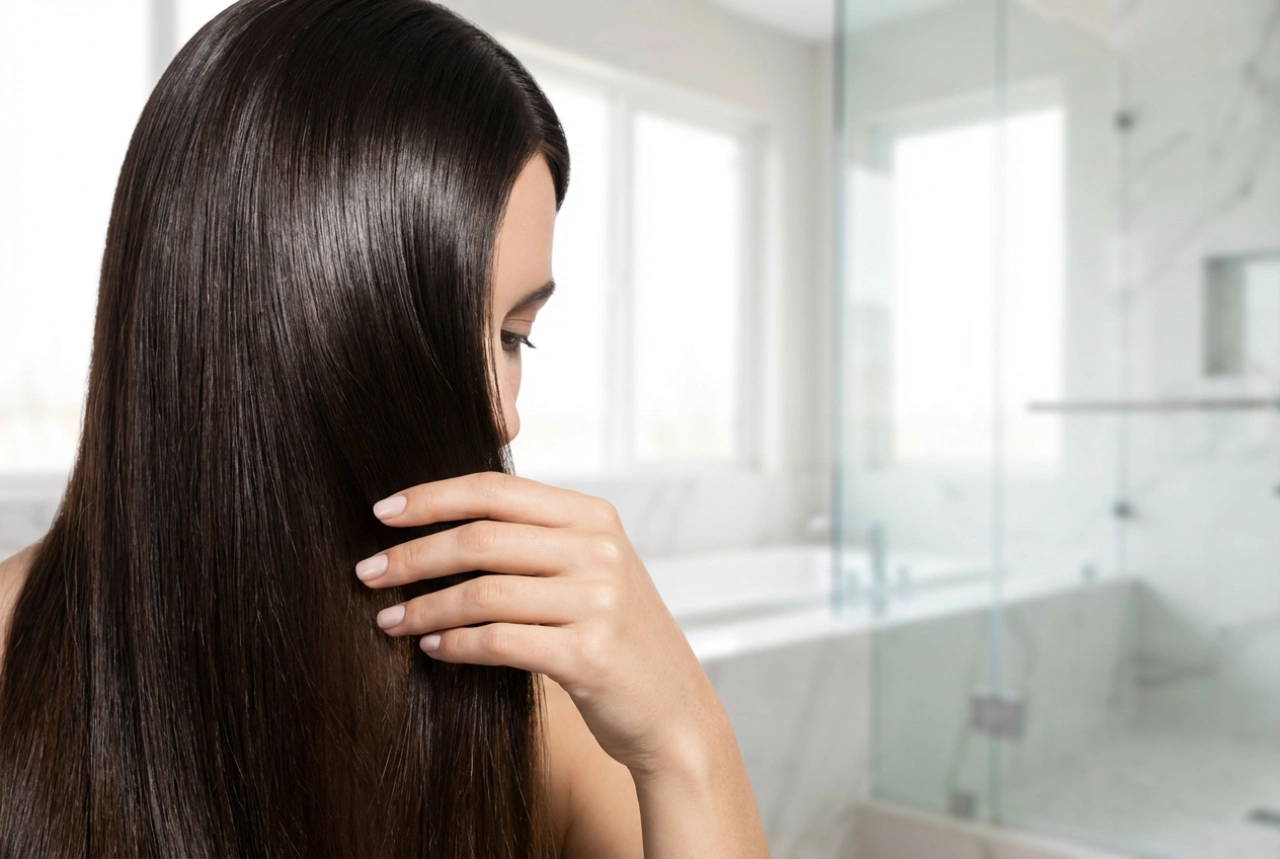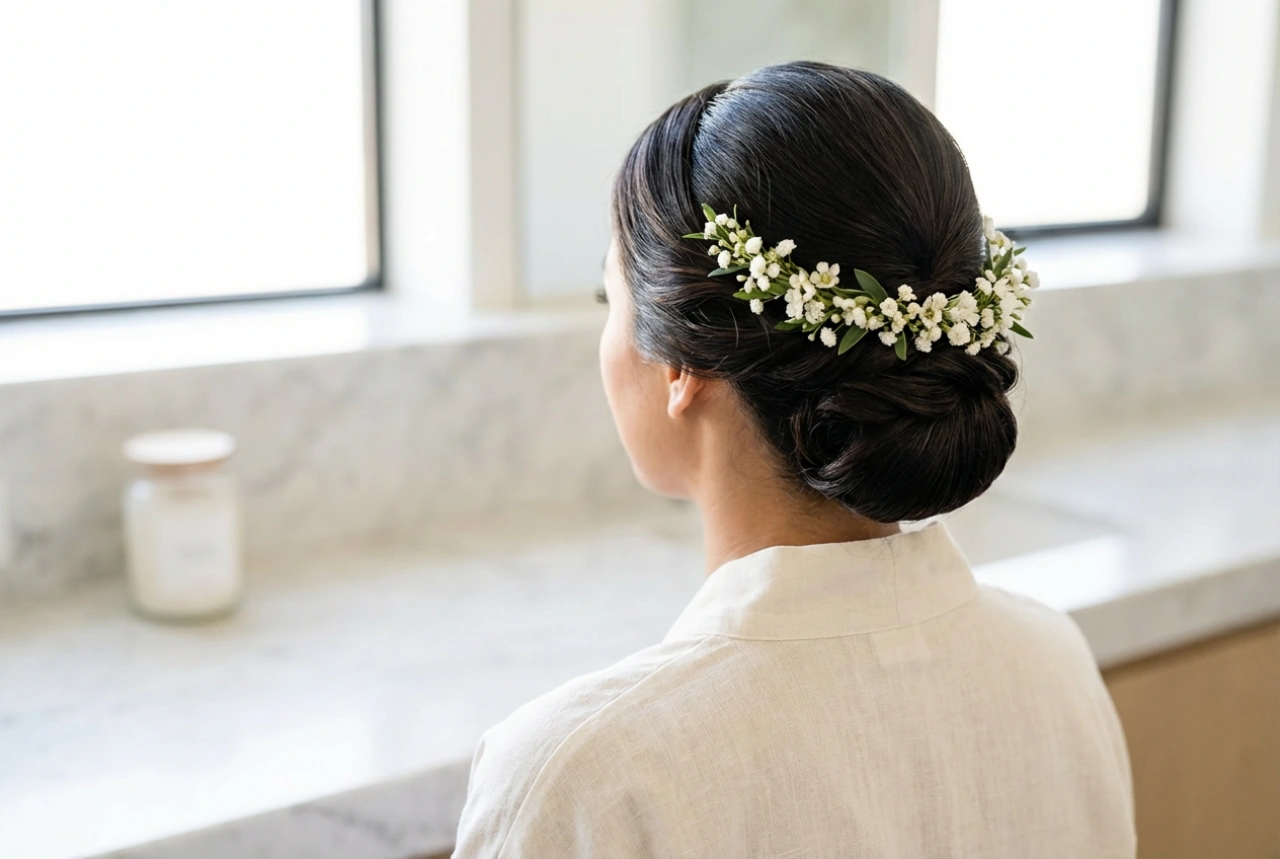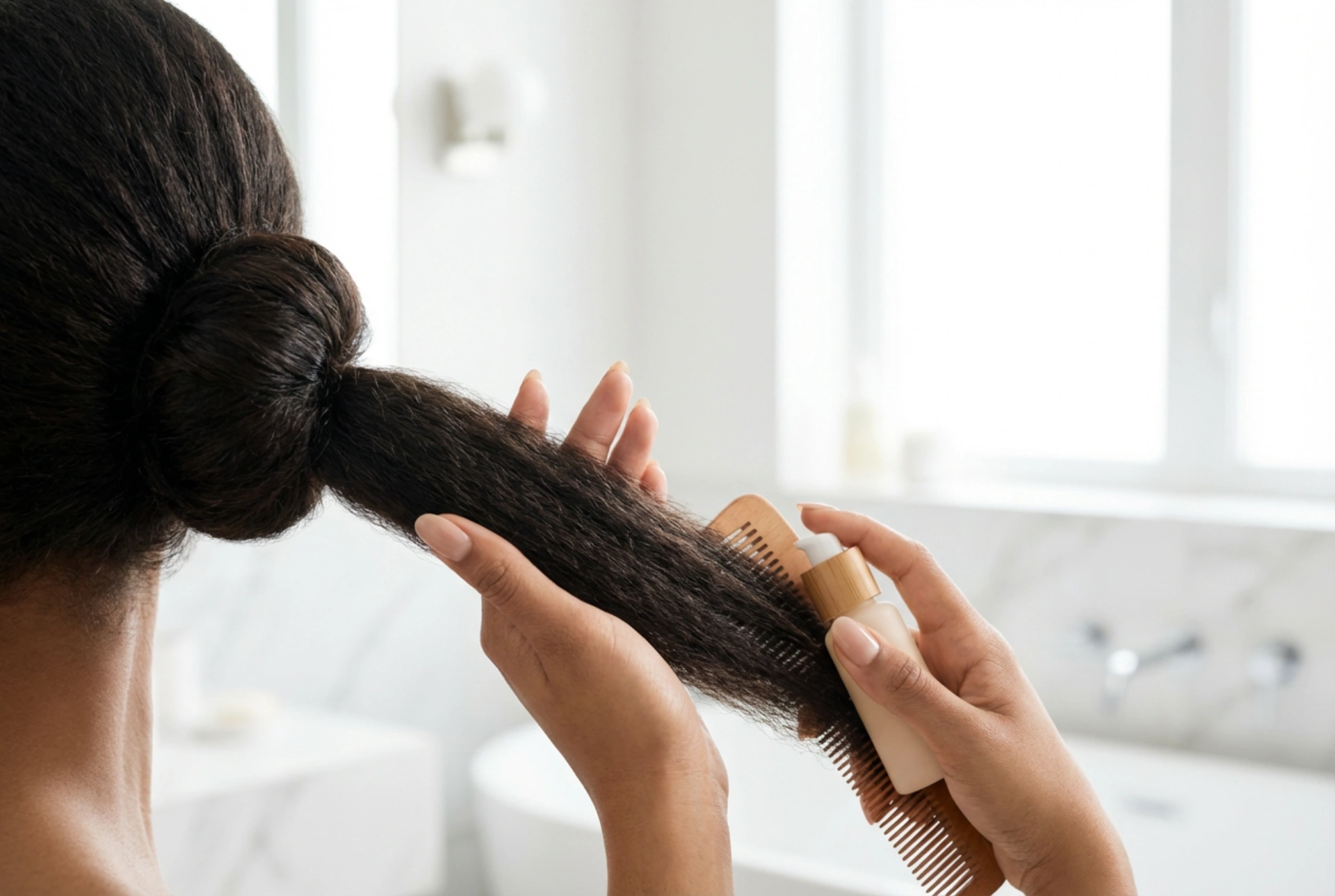


Having thick, robust hair that naturally resists styling can be both a blessing and a challenge. While these coarse strands boast incredible natural volume and strength, they often require a delicate touch and mindful styling to transform them into a smooth, elegant coiffure. Achieving that refined finish, as seen when elegant hands gently guide and style textured, robust strands under soft natural light, begins with understanding how to work with the natural structure of your hair. Instead of fighting the stiffness, the key lies in adopting techniques that soften, control, and enhance the innate beauty of thick tresses.
Understanding the Nature of Stiff and Coarse Hair
Before diving into styling, it is important to understand why certain hair types feel rigid or stiff. Unlike fine hair, coarse hair has a wider diameter, which means each individual strand contains more protein and a thicker cuticle layer. This robust structure makes the hair exceptionally resilient, but it also means it lacks the natural flexibility of finer hair types. Consequently, it tends to hold its shape stubbornly, resisting movement and easily becoming unruly or dry if not properly hydrated.
Environmental factors can also play a major role. Humidity, hard water, and temperature changes can cause the outer cuticle layer of thick hair to lift, leading to a rough texture and unwanted volume. By focusing on moisture retention and closing the hair cuticles, you can naturally encourage your strands to become softer, more pliable, and easier to manage on a daily basis.
The Best Haircuts for Managing Rigid Strands
The foundation of any great hairstyle for stiff hair is the haircut itself. The right shape can significantly reduce excess bulk, distribute weight evenly, and introduce natural movement to otherwise lifeless strands. Here are some of the most effective cuts for this hair type:
Long, Soft Layers
Blunt cuts on thick, stiff hair can result in a heavy, bottom-heavy look often referred to as the "triangle effect". Long, carefully blended layers help to remove bulk from the mid-lengths and ends, allowing the hair to fall in a more fluid, elegant shape.
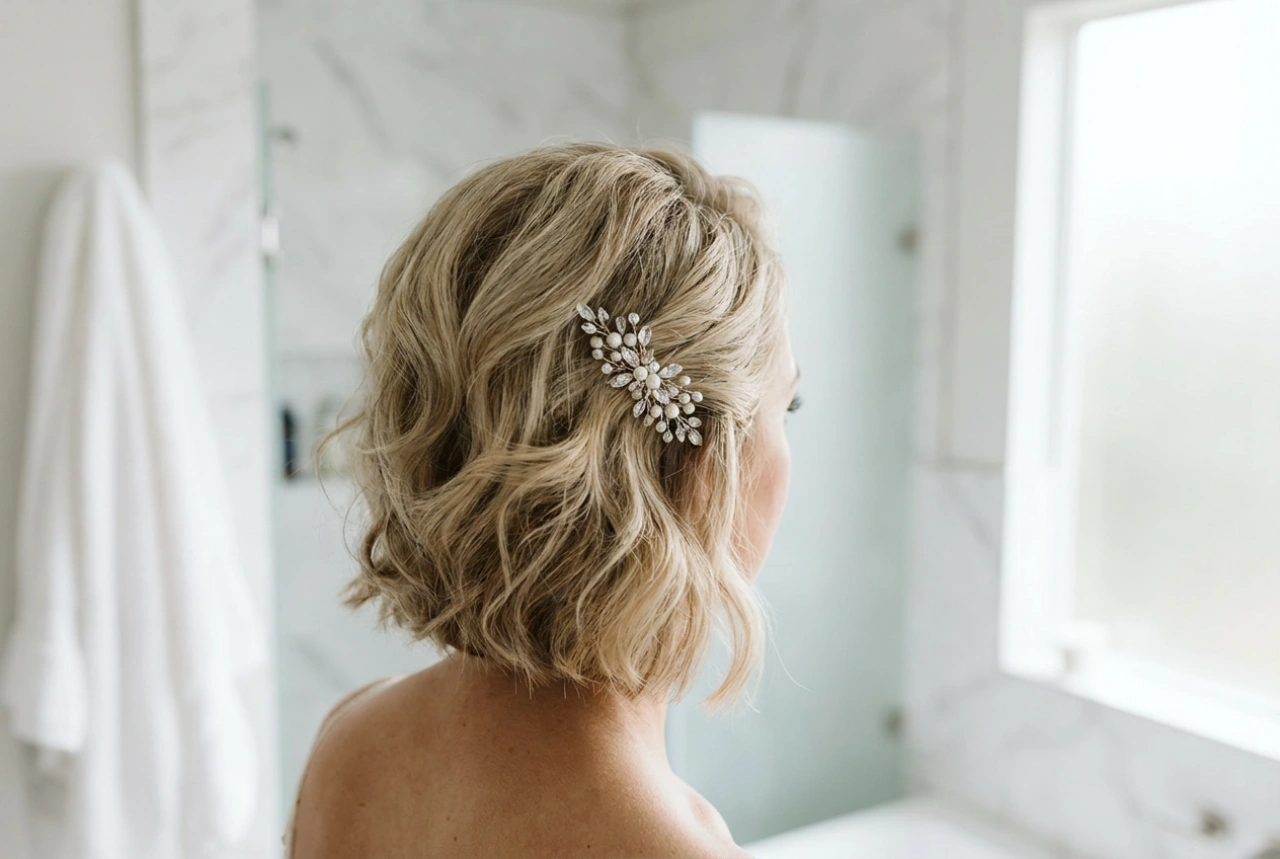
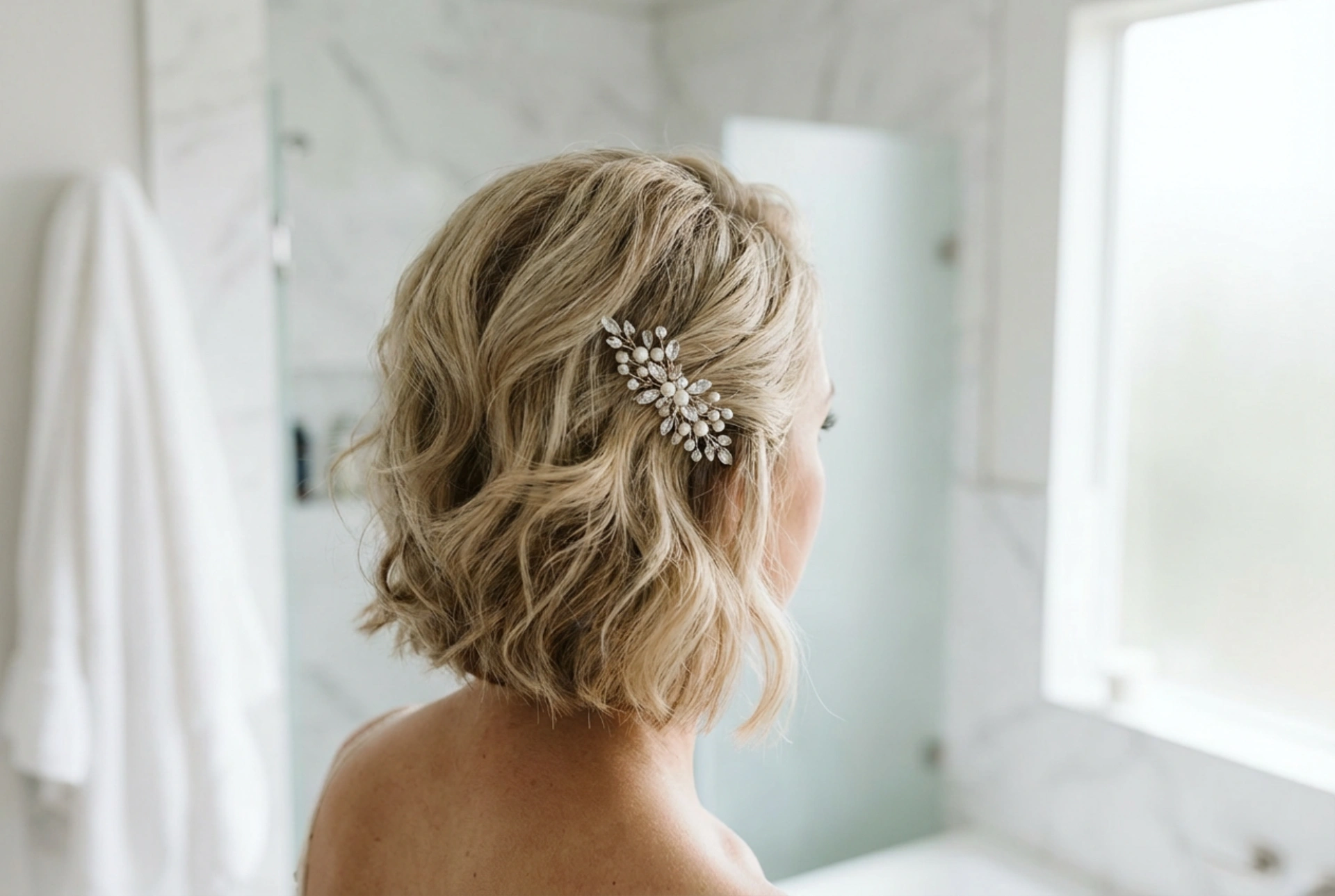
The Textured Lob (Long Bob)
A lob that sits just above the shoulders is highly flattering for robust hair. By texturising the ends rather than thinning them out too aggressively, the hair gains a modern, structured movement that feels light and sophisticated.
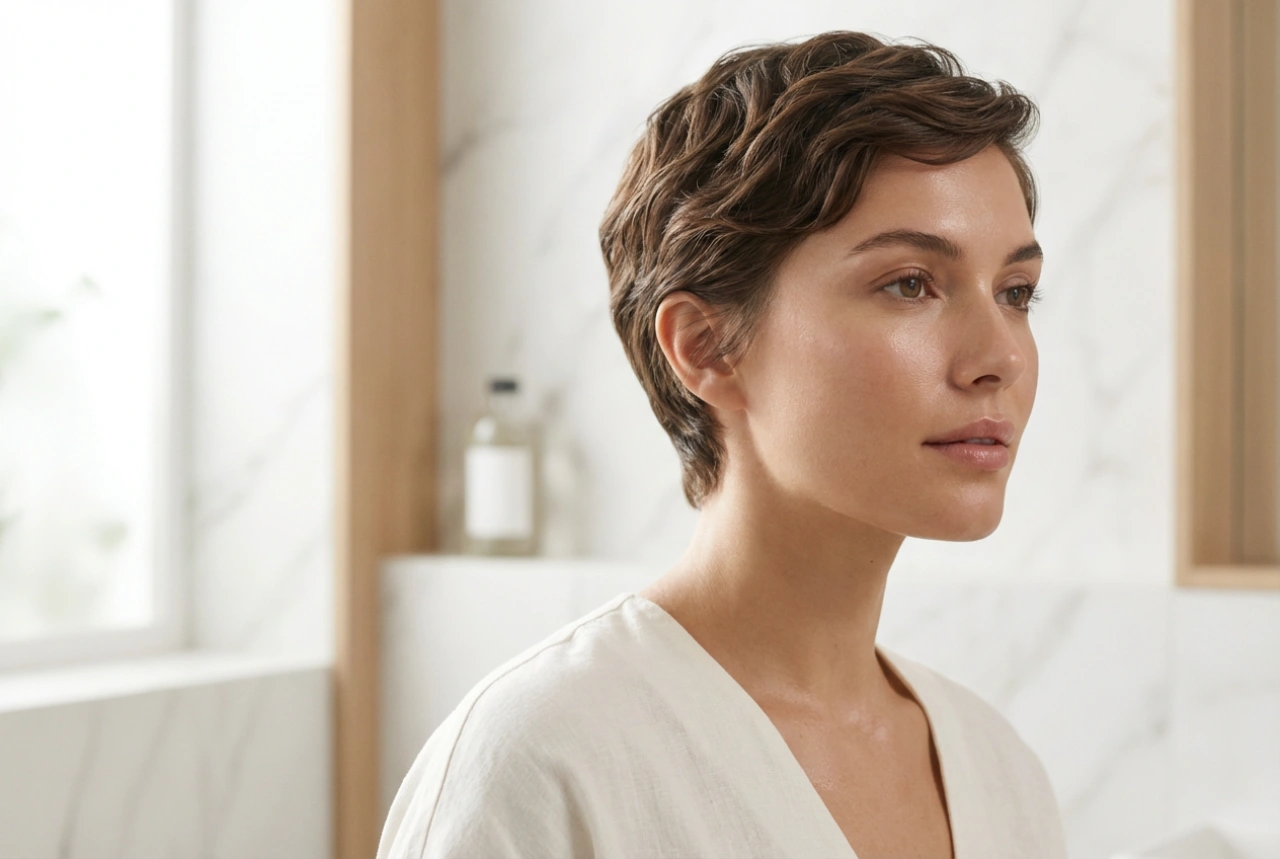
The Tapered Pixie
If you prefer short hair, a tapered pixie cut works wonders. Keeping the sides and back short while leaving slightly more length on top allows you to utilise the hair's natural volume to create a chic, structured style that requires minimal daily effort.
Gentle Styling Techniques for a Polished Finish
When styling naturally stiff hair, the goal is to encourage flexibility and smooth the hair shaft without causing unnecessary heat damage. Start by incorporating a high-quality microfibre towel into your post-wash routine. Instead of vigorously rubbing the hair, gently squeeze out excess moisture to prevent ruffling the cuticles, which can exacerbate stiffness.
When blow-drying, always use a nozzle attachment directed downwards from the roots to the tips. This technique encourages the hair cuticles to lie flat, resulting in a smoother, shinier appearance. To set your style and add an extra layer of control, finish your blow-drying session with a blast of cool air, which helps lock in the shape and reduce flyaways.
Heatless styling is another fantastic option for coarse hair. Braiding damp hair into loose plaits or twisting it into a soft, high bun overnight allows the hair to dry in a controlled pattern. This natural method helps to smooth out rigid strands, leaving you with soft, manageable waves by morning.
Daily Hydration and Home Care Habits
Proper hydration is the ultimate secret to softening stiff hair. Because the natural oils produced by the scalp have a harder time travelling down thick, coarse strands, the ends of the hair can often feel dry and wire-like. Incorporating deeply nourishing, plant-based oils—such as argan, jojoba, or sweet almond oil—into your daily routine can make a significant difference. Applying a few drops of oil to the damp mid-lengths and ends of your hair helps to lock in moisture and create a protective barrier against external elements.
Additionally, pay attention to how you wash your hair. Rinsing your hair with lukewarm or cool water at the end of your shower helps to seal the cuticles, enhancing natural shine and softness. Pair this with a rich, cream-based leave-in conditioner to provide your strands with ongoing hydration throughout the day, ensuring they remain touchably soft, flexible, and beautifully polished.
Choosing the right sleep accessories can also play a major role in preserving the softness of your hair. Swapping standard cotton pillowcases for silk or satin alternatives minimises friction while you sleep, preventing the hair cuticles from roughening up overnight. By combining protective nighttime habits with structured styling and rich hydration, you can effortlessly tame even the most stubborn, robust strands into a beautifully controlled, radiant finish.