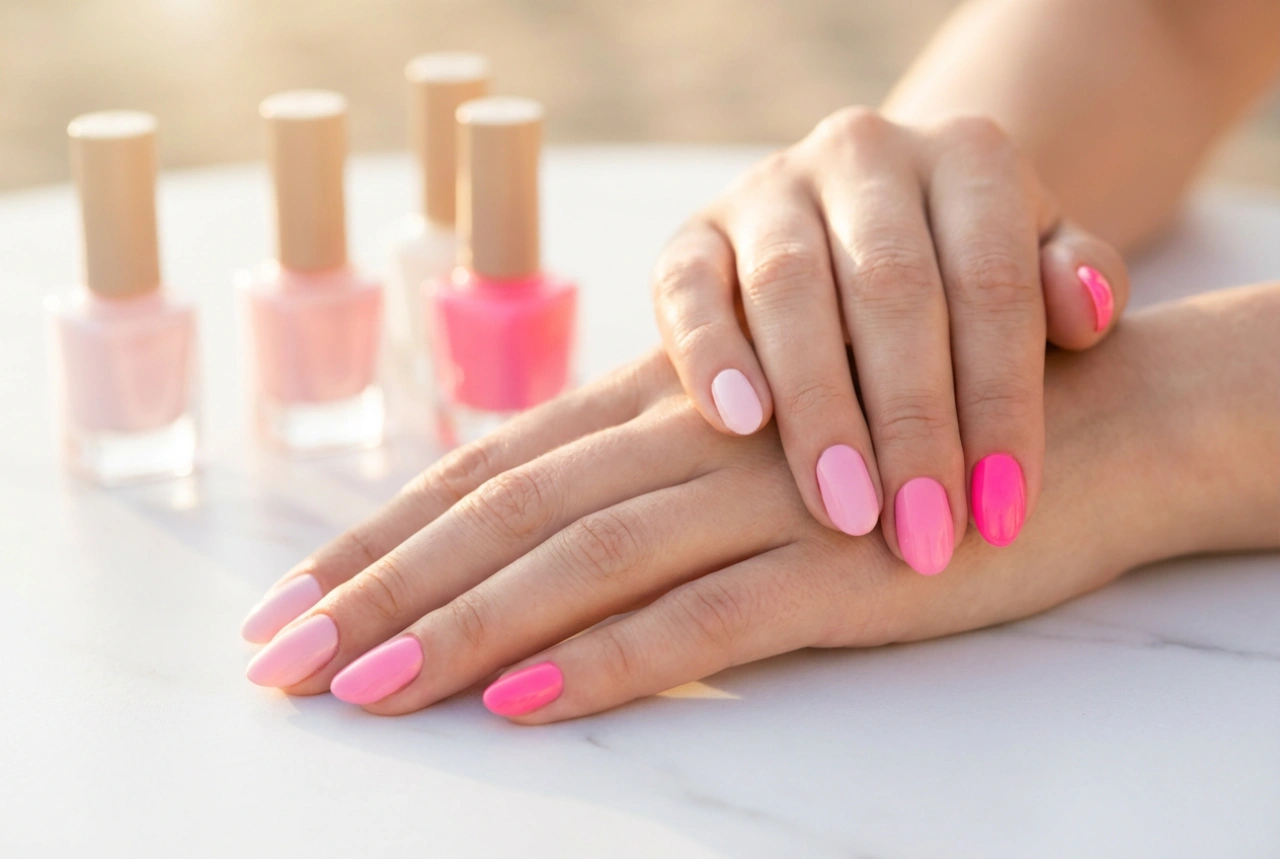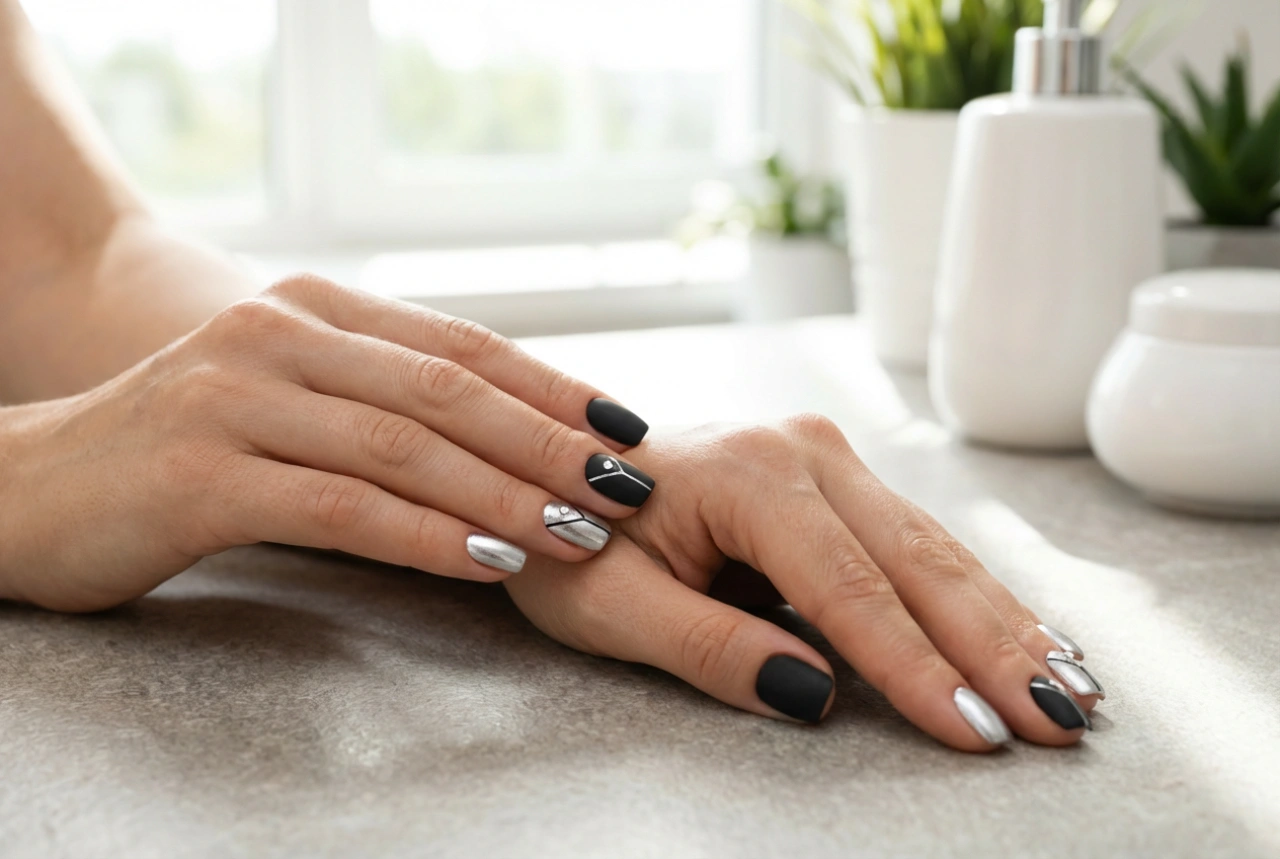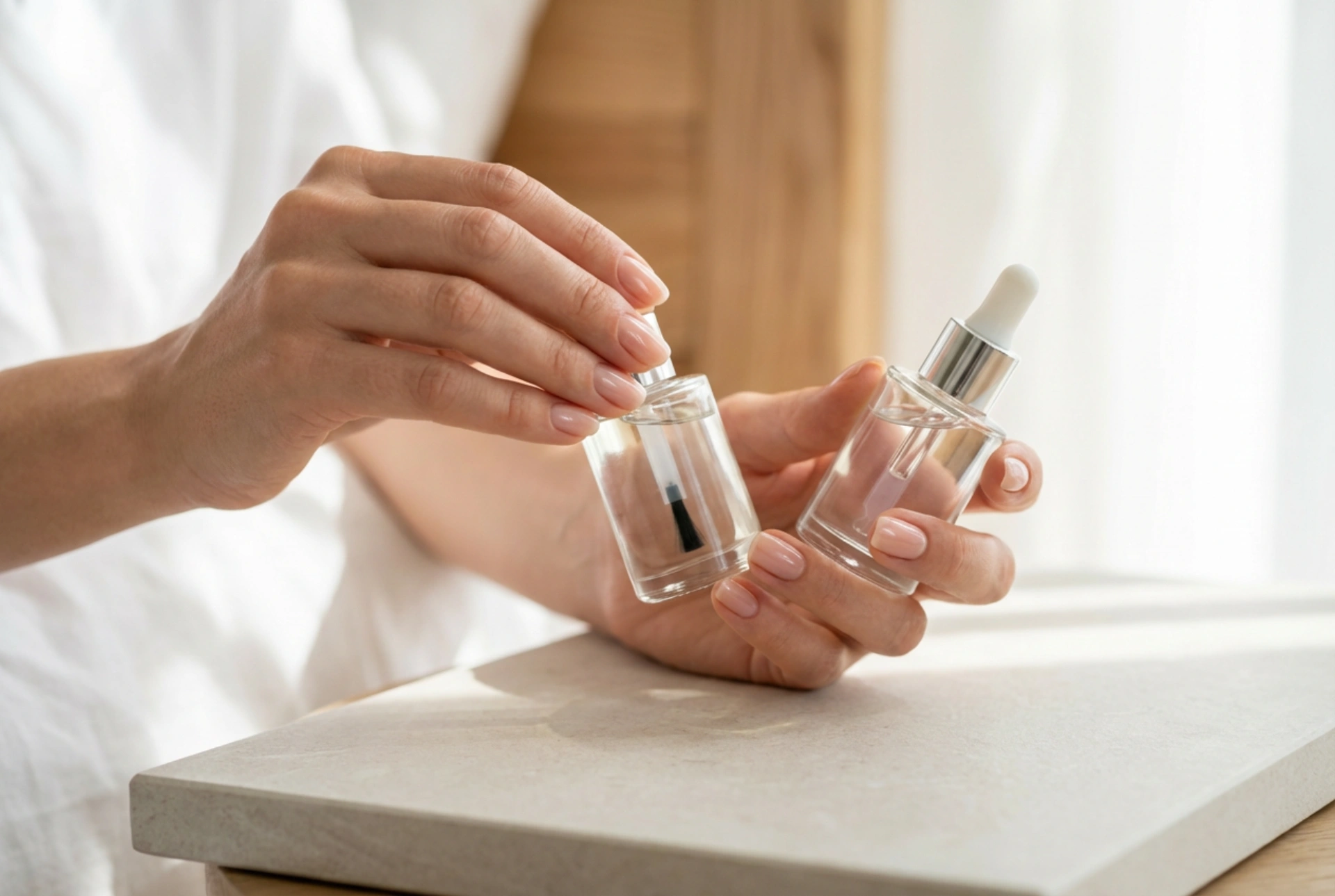


Elegant, well-manicured hands are often considered a personal calling card, reflecting our attention to self-care and detail. However, maintaining the beauty and strength of our nails can sometimes feel like an uphill battle, especially when they become brittle, prone to splitting, or weak. Achieving that natural, healthy sheen seen in professional hand care photography relies on a consistent, gentle routine. By incorporating nourishing nail serums and cuticle oils into our daily habits, we can shield our hands from environmental stressors and restore the natural resilience of the nail plate.
The Anatomy of Nail Fragility
To effectively care for our nails, it is crucial to understand what causes them to lose their strength. The nail plate is composed of layers of a protective protein called keratin, held together by natural lipids and moisture. When these natural barriers are disrupted, the nails become dehydrated, leading to peeling, chipping, and breaking. Common daily activities, such as frequent handwashing, exposure to cleaning detergents, and even seasonal changes in temperature, can strip the nail plate of its essential oils. Recognizing these triggers is the first step toward building a protective routine that keeps the hands looking elegant and refined.
Daily Protection and Defence Mechanisms
One of the simplest yet most overlooked ways to protect fragile nails is to shield them from excessive water exposure. While water might seem hydrating, constant wetting and drying cycles actually cause the nail cells to expand and contract, weakening their structure over time. Here are some easy habits to incorporate into your daily routine:
- Wear protective gloves: Always wear rubber gloves when washing dishes, cleaning, or gardening to block harsh household chemicals and prolonged water contact.
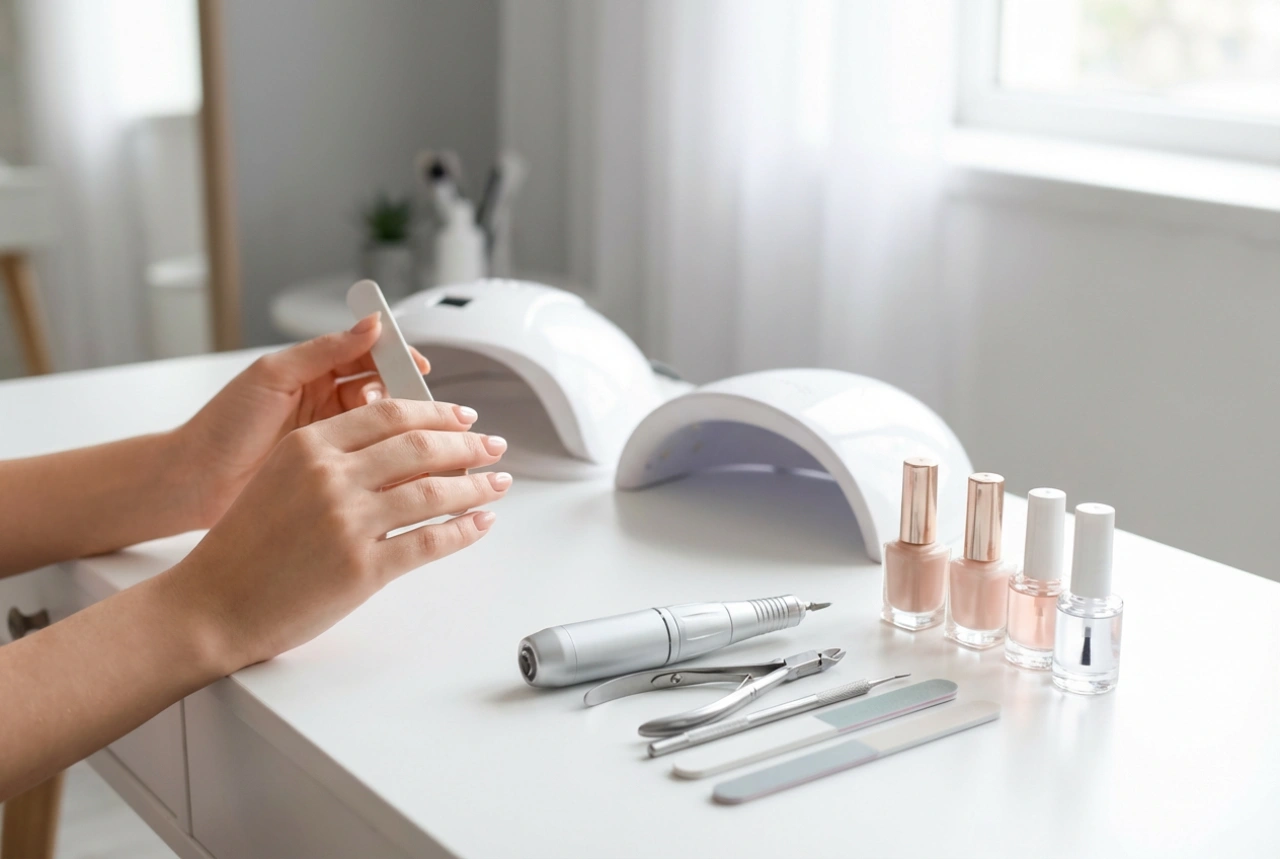
- Choose gentle nail care tools: Replace harsh metal files with glass or high-quality emery boards to prevent micro-tears along the free edge of the nail.
- File in one direction: Avoid sawing back and forth, as this separates the keratin layers and increases the risk of splitting.
Nourishing the Nail Plate from Outside
Just as we moisturise our face and body, the nail plate and surrounding skin require dedicated external nourishment to stay elastic and strong. A rich cuticle oil or a specialized strengthening serum should be a staple on every vanity table. These products work by deeply penetrating the layers of the nail plate, providing the essential lipids needed to seal the structure and prevent moisture loss.
When selecting a nourishing formula, look for natural ingredients known for their emollient properties. Sweet almond oil, jojoba oil, and avocado oil are exceptionally close to the skin's natural sebum, making them highly effective at softening dry cuticles and conditioning the nail plate. Regularly massaging a drop of oil into the base of each nail stimulates local circulation, which in turn supports healthy, robust nail growth.
Gentle Grooming and Safe Practices
Achieving healthy-looking nails does not require complex or invasive salon procedures. In fact, a minimalist approach is often the safest path to recovery for damaged nail plates. Avoiding aggressive scraping, harsh gel removal techniques, and metal cuticle pushers can prevent long-term damage to the delicate nail matrix where new nail cells are formed.
The Power of Rest Periods
If you regularly wear nail polish, giving your nails occasional rest periods is highly beneficial. Allowing the nail plate to remain bare for a week or two lets you apply strengthening serums directly to the surface, maximizing their absorption and efficacy. During these breaks, focus entirely on hydration and gentle buffing to maintain a natural, subtle sheen without the need for synthetic coatings.
A Holistic Approach to Hand Beauty
While topical treatments are indispensable, the overall health of our hands and nails also reflects our internal well-being and daily habits. Ensuring adequate hydration by drinking plenty of water throughout the day helps maintain moisture levels in all keratinized tissues, including the nails and hair. Additionally, incorporating nutrient-dense foods rich in healthy fats, vitamins, and minerals supports the body's natural building blocks, ensuring that new nail growth emerges stronger and more resilient from the very beginning.