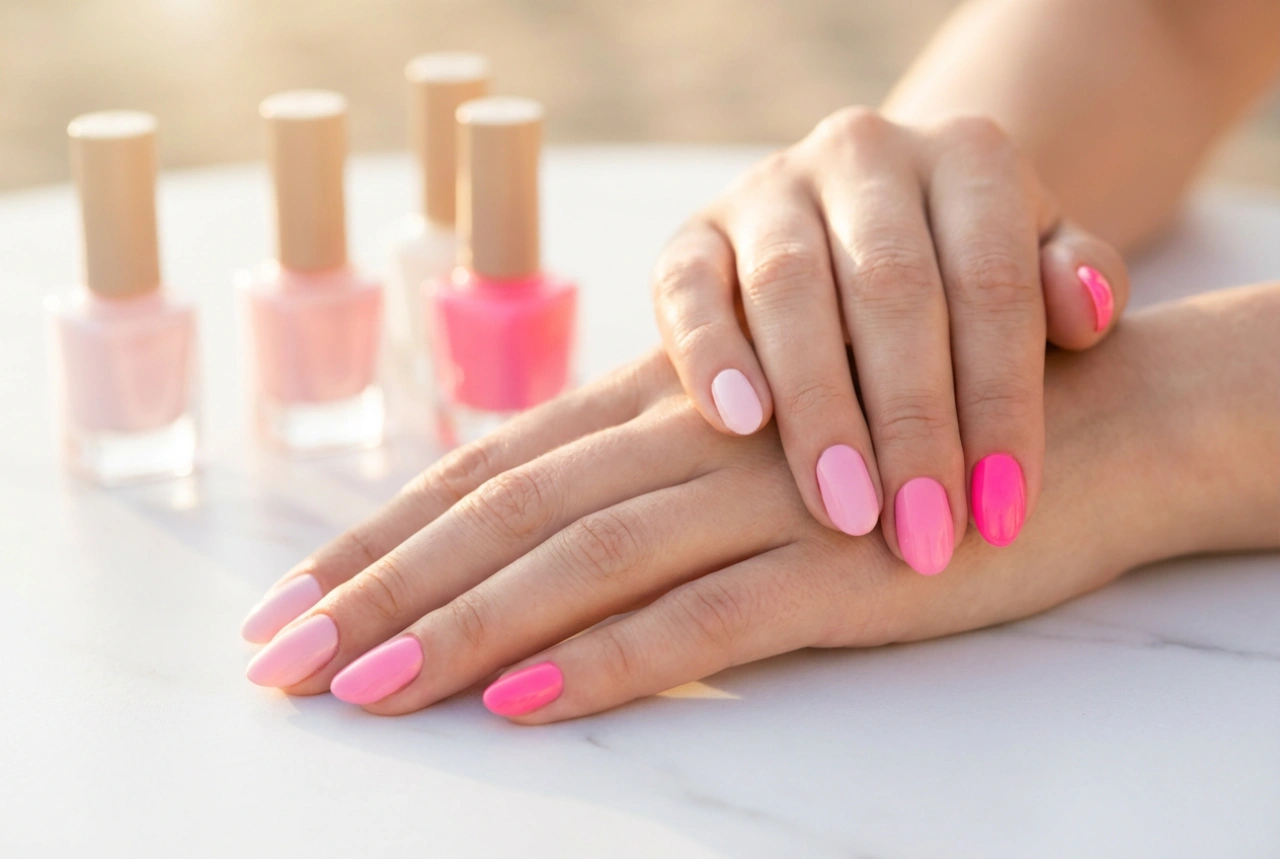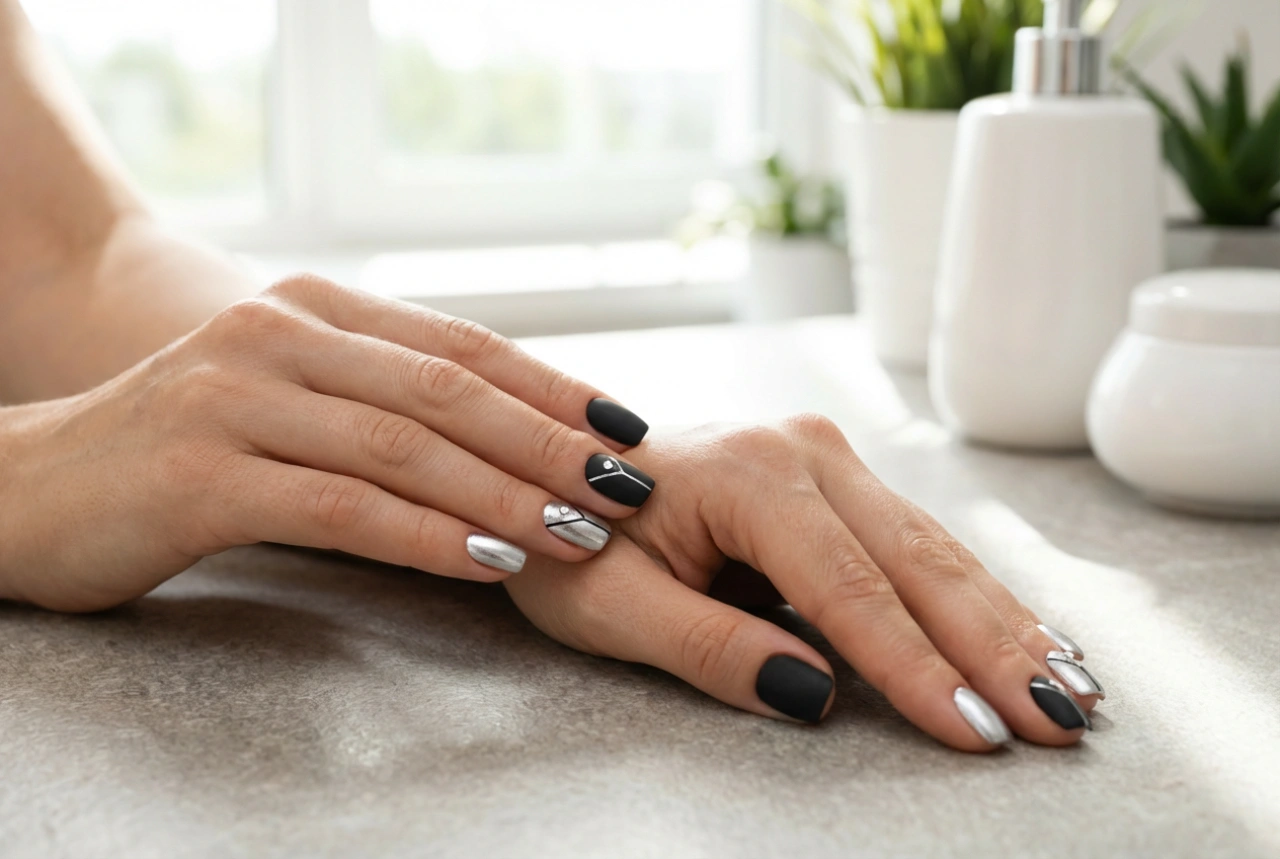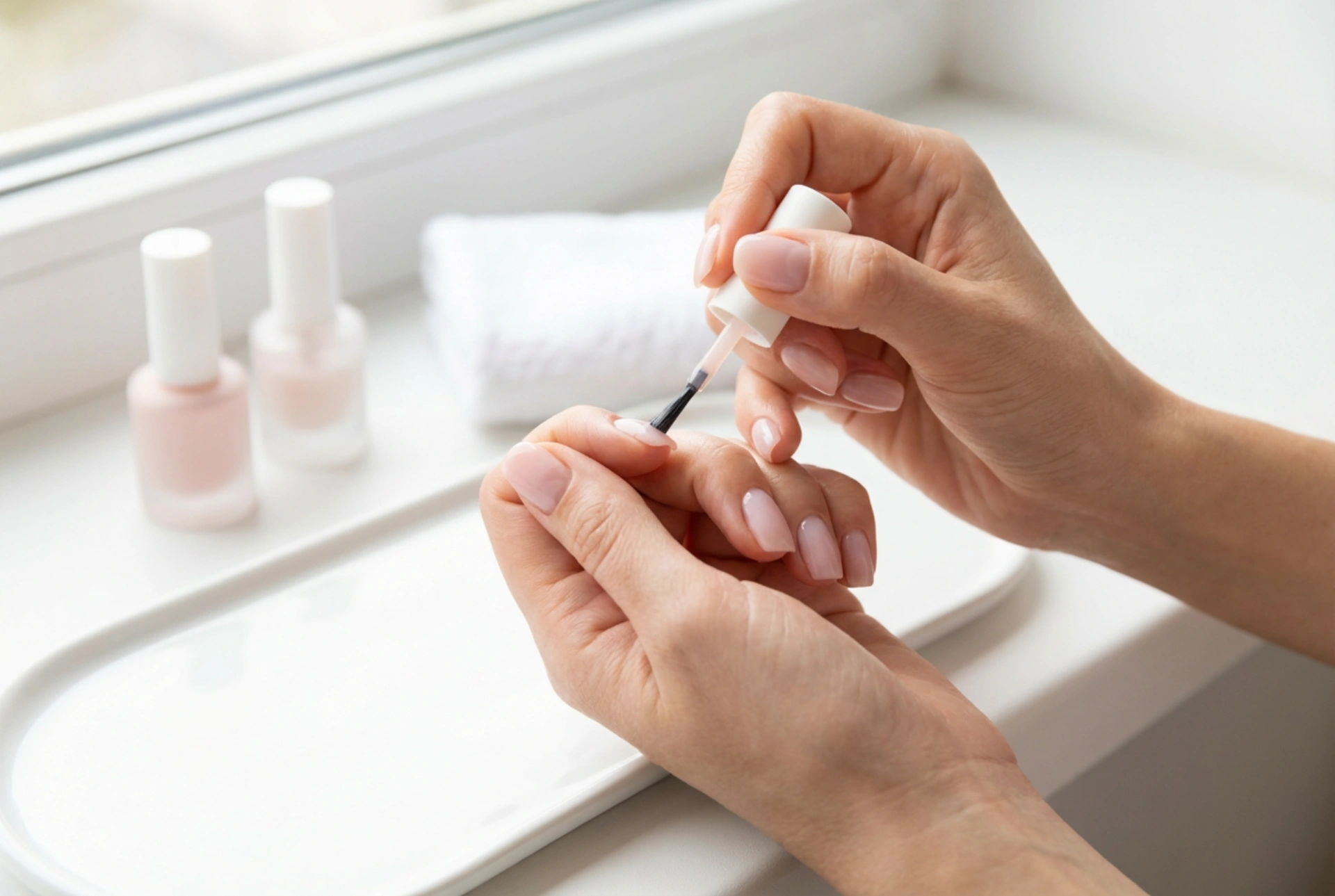


An elegant, minimalist manicure is a timeless symbol of self-care. When applying a clear or pale pink hybrid nail polish, the focus often shifts to the gentle nature of the products we use. For those with highly sensitive skin or a tendency towards irritation, choosing the right nail products is crucial. The modern beauty market has responded to this need by introducing formulations designed to minimise the risk of adverse reactions, allowing everyone to enjoy long-lasting, beautiful nails without compromising comfort.
What Makes a Hybrid Polish Suitable for Sensitive Nails?
Traditional gel and hybrid polishes contain specific monomers that ensure durability and a high-gloss finish. However, some of these compounds can be sensitising when they come into contact with the skin. When searching for gentler alternatives, it is essential to understand what to look for on the ingredient list.
The HEMA-Free Revolution
HEMA (2-hydroxyethyl methacrylate) and Di-HEMA are common bonding agents used in nail products to help the polish adhere to the natural nail plate. While highly effective, they are also among the most common triggers for skin irritation and redness. HEMA-free formulas are specifically developed to replace these compounds with gentler alternatives that still provide excellent adhesion and longevity without triggering sensitivity.
The Power of "Free" Labels
You may often see terms like "9-free", "12-free", or even "15-free" on modern hybrid nail polishes. These designations indicate that the product is formulated without potentially harsh substances such as formaldehyde, toluene, dibutyl phthalate (DBP), xylene, and camphor. Opting for these cleaner formulas helps maintain the natural strength of your nails and protects the delicate surrounding skin.
A Step-by-Step Guide to Gentle Application
Even with the mildest formulas, correct application technique is paramount to preventing irritation. Proper preparation and precision during painting ensure that the product remains only on the nail plate and does not trigger sensitivity on the surrounding cuticle area.
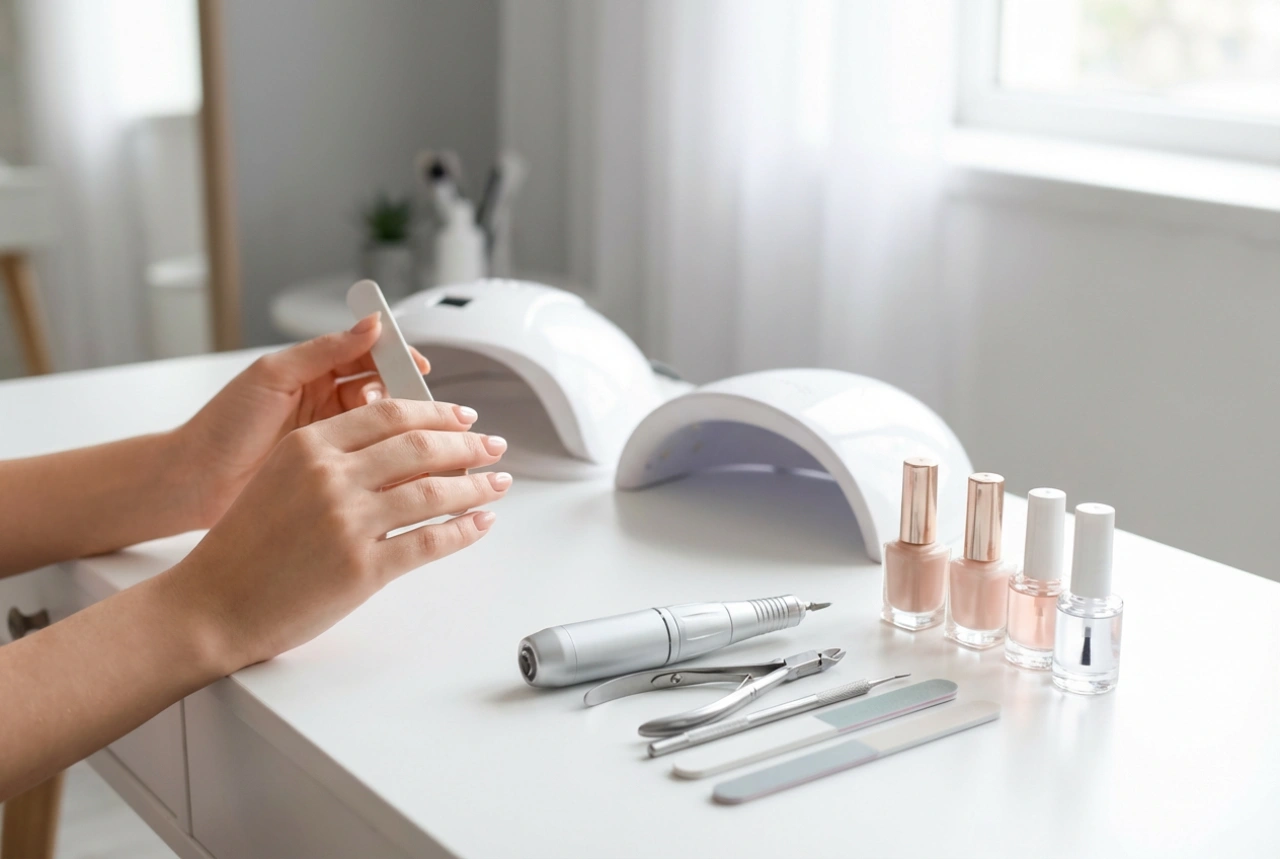
- Preparation: Begin by gently shaping the nails with a fine-grit file. Instead of aggressive buffing, lightly smooth the nail surface to ensure the base coat can grip effectively. Cleanse the plate with a mild dehydrating solution rather than harsh acetone-based cleaners.
- Cuticle Protection: Carefully push back the cuticles using a wooden stick. Avoid cutting them excessively, as the cuticle acts as a natural protective barrier against external irritants. Applying a protective barrier cream around the nail bed before painting can also prevent accidental skin contact.
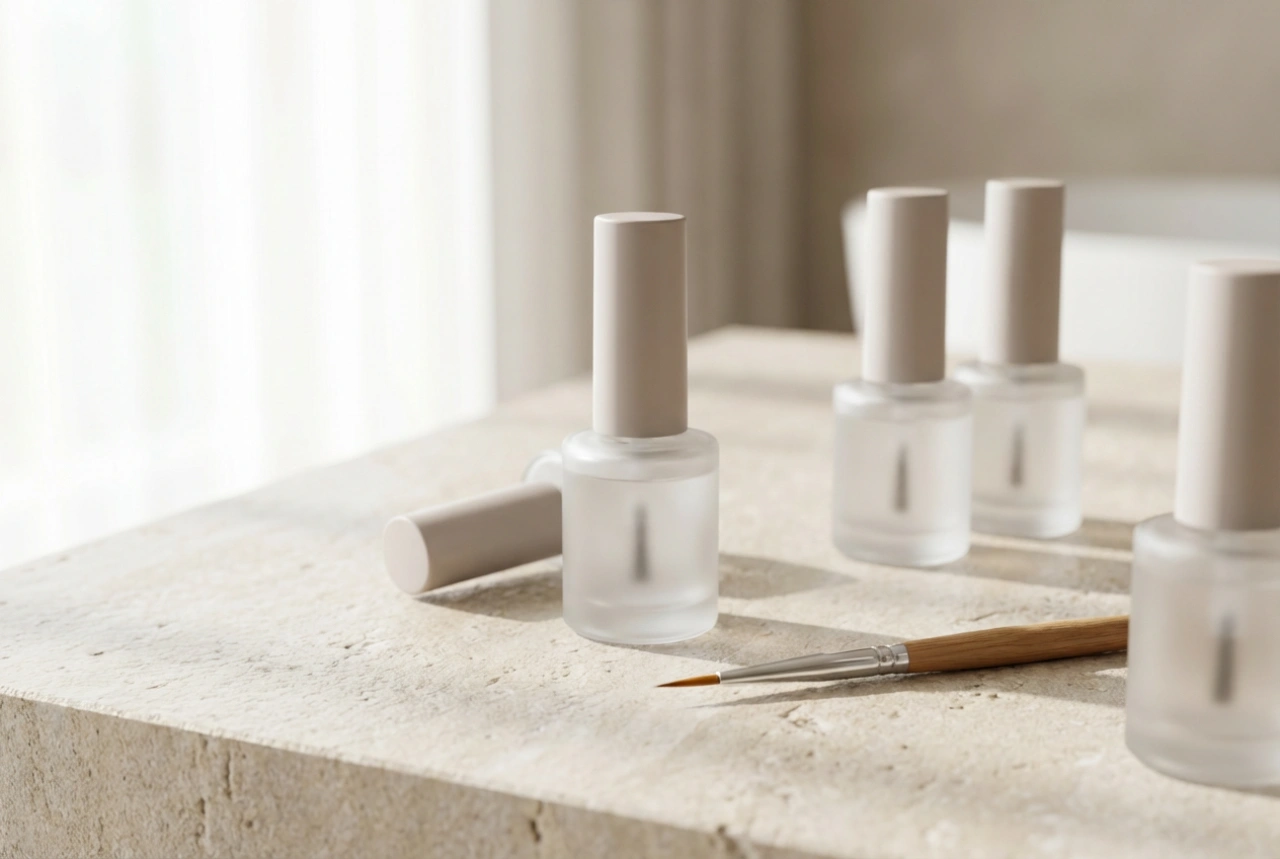
- Thin, Precise Layers: When applying the base, colour, and top coat, always wipe excess product off the brush. Apply extremely thin layers. This not only ensures a perfect, even cure under the lamp but also minimises the risk of the product shrinking or touching the lateral nail folds.
- The Curing Process: Ensure your LED or UV lamp is clean and functioning at the correct wavelength. Incomplete curing is a primary cause of nail sensitivity, as uncured gel monomers can easily penetrate the nail bed. Always cure for the full recommended time.
Safe Removal and Post-Manicure Care
The way you remove your hybrid manicure is just as important as how you apply it. Rough removal methods can strip the natural layers of the nail plate, leaving them thin, weak, and highly susceptible to irritation from future manicures.
Avoiding Aggressive Scraping
Never scrape or peel off hybrid polish, as this causes microscopic tears in the nail plate. Instead, use a gentle filing technique or soak a cotton pad in a mild remover, placing it carefully only on the nail plate. Wrapping the fingertips in foil for a few minutes will soften the polish, allowing it to slide off effortlessly with a wooden manicure stick.
Restoring Moisture and Strength
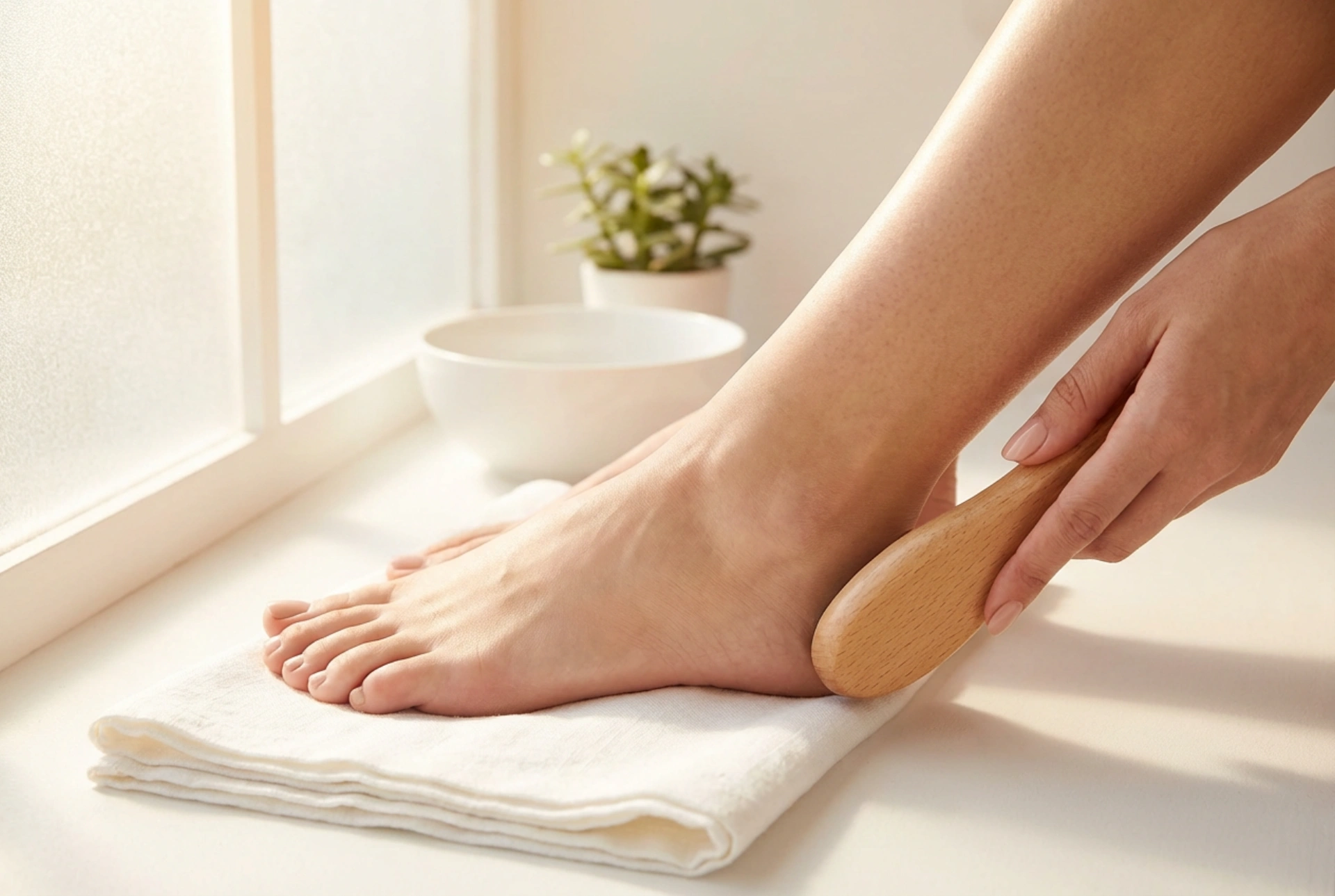
Once the polish is removed, focus heavily on restoring hydration. Use natural, nourishing oils rich in vitamins E and A to massage the cuticles and nail beds. Regularly applying a rich, fragrance-free hand cream will reinforce the skin’s natural lipid barrier, keeping your hands looking youthful, soft, and healthy.