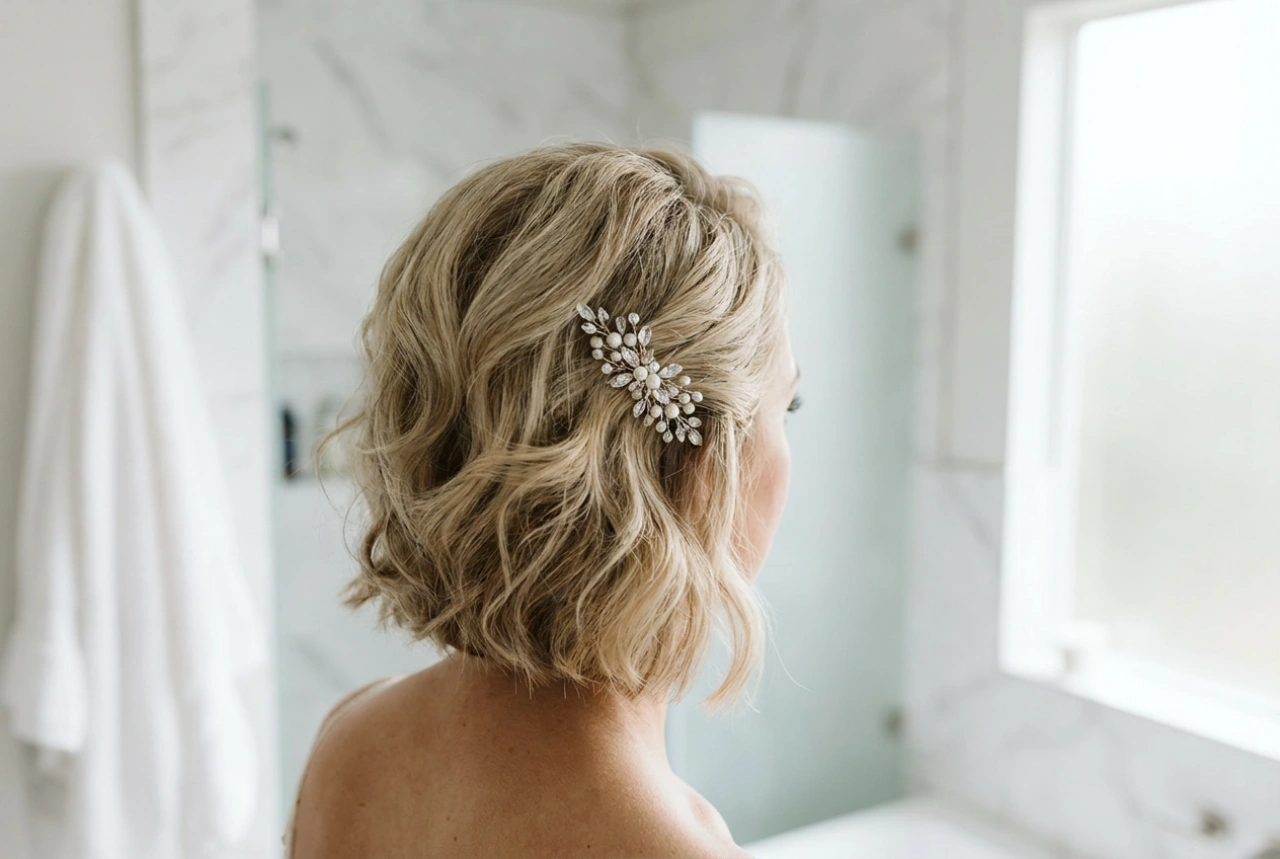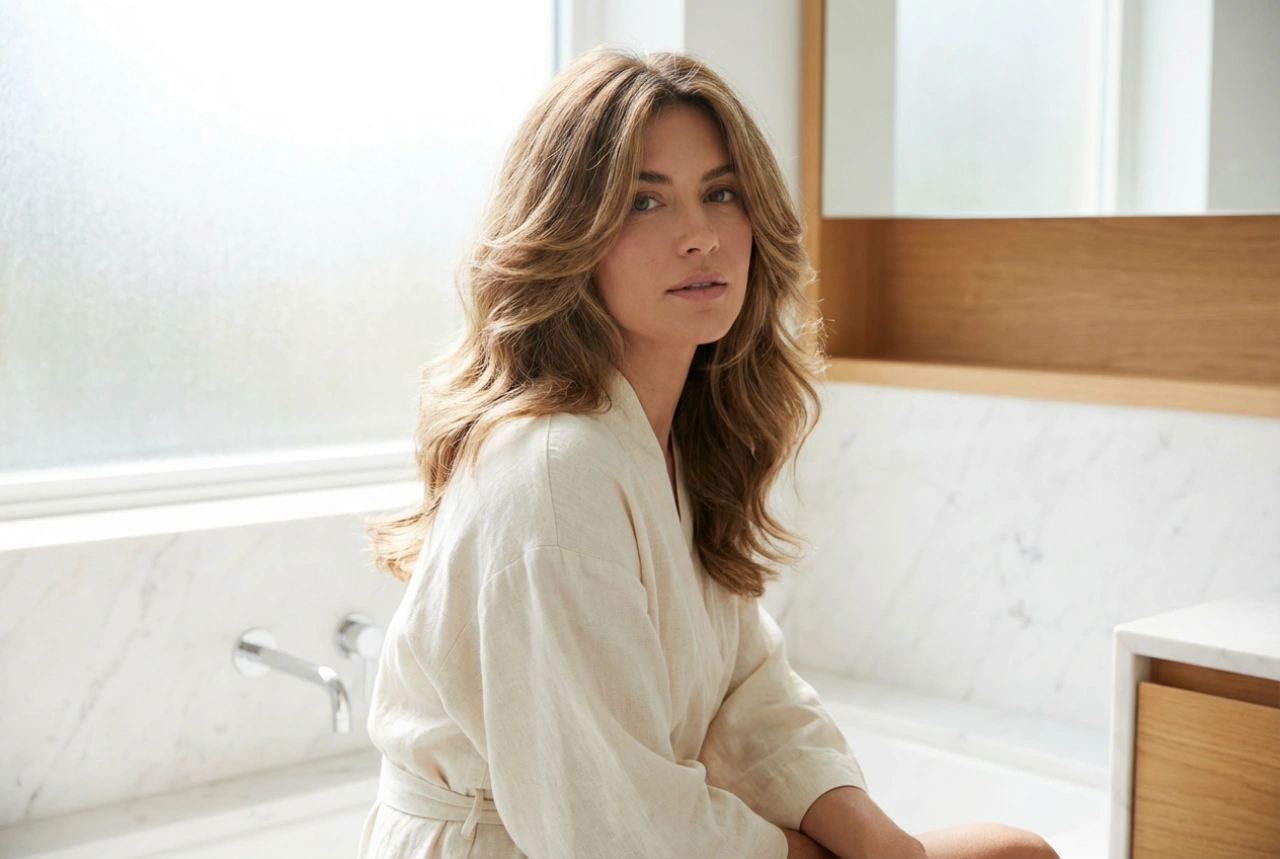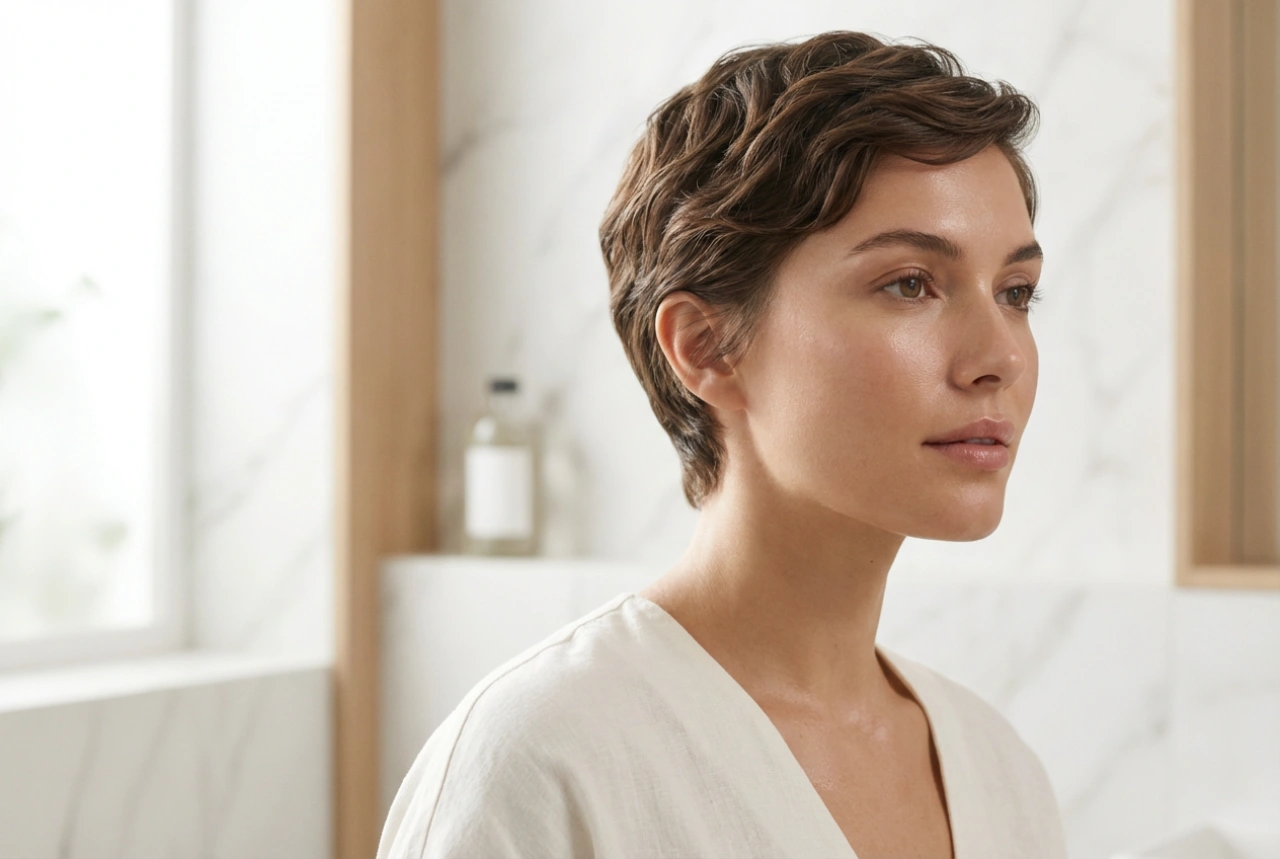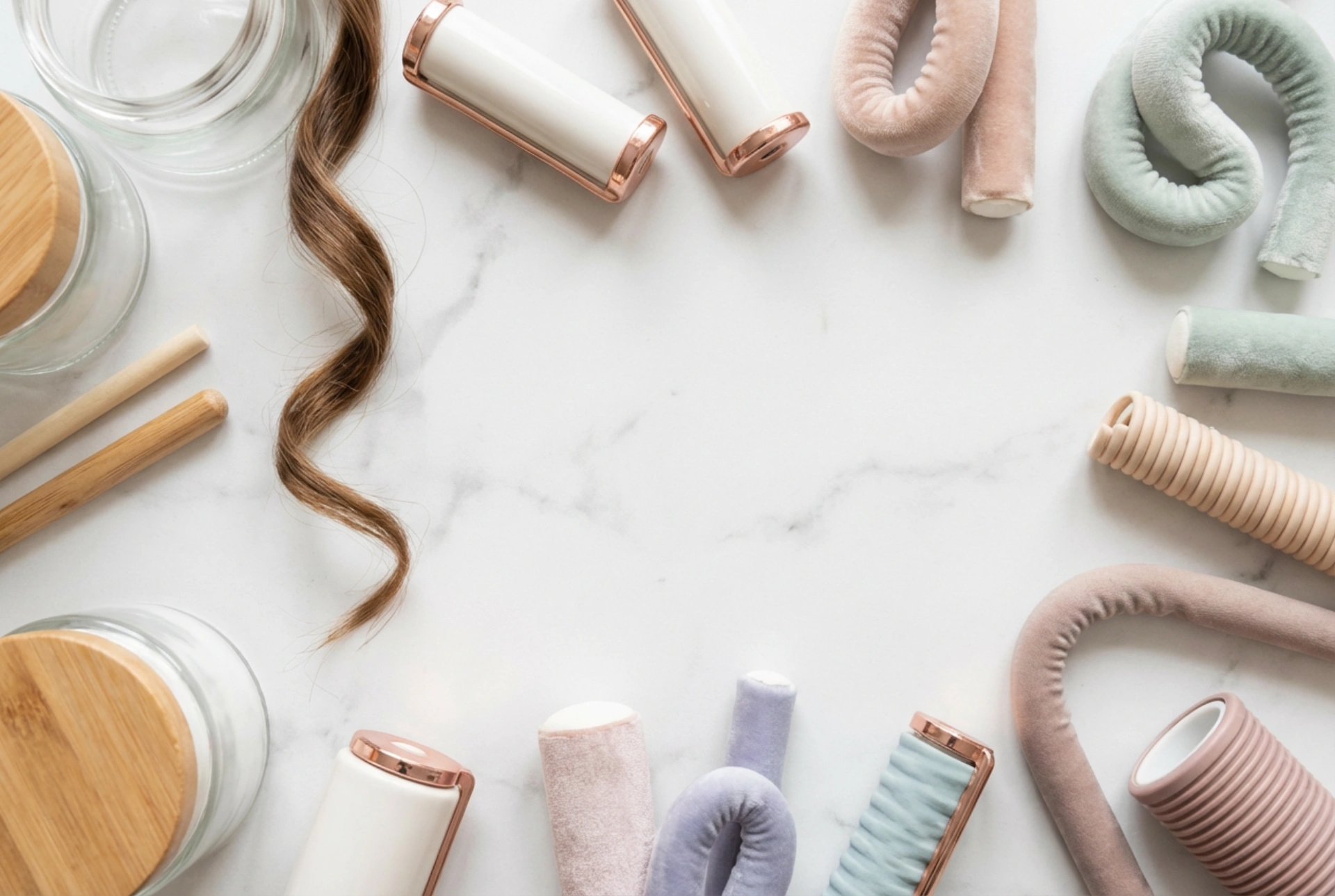


Creating the perfect curls is an art form that relies heavily on using the right tools and techniques. When observing an elegant collection of modern styling devices, from slender rollers to robust curling irons arranged on a sleek, minimalist surface, it becomes clear that there is no one-size-fits-all solution for beautiful hair. Achieving the desired bounce, texture, and wave pattern is a science that involves selecting the correct diameter, understanding the physical properties of the materials used in the heating elements, and mastering the physical motion of wrapping the hair. This comprehensive guide will explore how these different factors interact to help you style your hair safely and effectively at home, ensuring beautiful results while preserving your hair's natural health.
Choosing the Right Diameter for Your Desired Look
The thickness of your curling tong or roller determines the shape, size, and longevity of your curls. Selecting the appropriate barrel size is the first step in achieving your desired aesthetic, whether you prefer tight, springy coils or relaxed, voluminous beach waves.
Small Barrels (9 mm to 19 mm)
Slender curling irons are designed for creating tight, defined ringlets and corkscrew curls. These smaller diameters are excellent for enhancing natural curls, adding definition to specific sections, or styling shorter hair lengths. Because the hair is wrapped tightly around a smaller surface area, the heat penetrates quickly and evenly, resulting in highly resilient curls that tend to last much longer throughout the day without dropping. They are also perfect for achieving retro-inspired hairstyles.
Medium Barrels (25 mm)
The 25 mm barrel is widely considered the most versatile size in the beauty world. It is the gold standard for creating classic, bouncy curls on medium to long hair. With this size, you can easily transition from structured curls to soft waves simply by altering how you brush them out. It provides enough surface area to handle medium sections of hair while still delivering excellent hold and movement, making it a staple in any home styling routine.
Large Barrels (32 mm to 38 mm)
For those seeking loose, romantic waves or a salon-style blowout effect, larger barrels are the perfect choice. These wide cylinders do not create tight curls; instead, they bend the hair gently to add incredible volume, movement, and soft texture. They work best on longer hair lengths, as shorter strands may not be long enough to wrap around the barrel even once. It is worth noting that larger curls tend to drop faster, making proper preparation and setting techniques essential.
Heated Rollers and Extra-Large Diameters
When the goal is maximum volume at the roots rather than defined curls, heated rollers and extra-large barrels come into play. These tools are ideal for creating a classic, polished look with rounded ends and significant lift. By leaving rollers in the hair until they cool completely, you allow the style to set naturally over a longer period, which can provide superior hold for fine hair types that usually struggle to retain curl.
Understanding Heating Plate Materials and Their Benefits
The material of your curling device plays a vital role in heat distribution, hair health, and the overall smoothness of your styled look. Different hair types respond uniquely to various surfaces, making the material choice crucial for minimizing potential heat damage.
Ceramic Surfaces
Ceramic is highly valued for its ability to distribute heat evenly across the entire surface of the barrel. This eliminates hot spots that could burn specific sections of your hair. Ceramic barrels emit infrared heat, which gently warms the hair shaft from the inside out, preserving natural moisture and maintaining a healthy shine. It is an excellent, safe choice for fine, delicate, or slightly dry hair types that need gentle styling.
Tourmaline Technology
Tourmaline is a semi-precious mineral that is often crushed and infused into ceramic plates. Its main advantage is that it naturally emits negative ions when heated. These negative ions counteract the positive ions present in dry or damaged hair, effectively sealing the hair cuticle, locking in moisture, and neutralizing static. This results in incredibly smooth, shiny curls with minimal frizz, making it ideal for those with coarse, thick, or rebellious hair.
Titanium Barrels
Titanium is a lightweight, highly durable metal that transfers heat exceptionally fast. It can maintain high, consistent temperatures even when styling thick, coarse, or highly resilient hair. Because it heats up almost instantly and retains that heat efficiently, it allows for faster styling sessions. However, due to its intense heat conduction, it requires careful handling and is best suited for experienced users or those with stubborn hair that resists curling.
Mastering the Best Curling Techniques
Once you have selected the ideal tool, your technique will determine the final texture and flow of your hairstyle. Simple adjustments in how you hold the device and wrap your hair can produce completely different results.
Optimal Temperature Settings
Before you begin wrapping your hair, it is crucial to select the correct temperature. Fine, damaged, or chemically treated hair should never be styled at high temperatures; a range of 120 to 150 degrees Celsius is usually sufficient. Normal or medium-textured hair can handle temperatures between 150 and 180 degrees Celsius, while thick, coarse, or resistant hair may require up to 200 degrees Celsius to hold a curl. Always start with the lowest possible temperature and increase it only if necessary.
Flat Wrapping versus Twist Wrapping
How you wrap each strand around the heated barrel changes the structure of the curl. For a classic, uniform, and voluminous curl, use the flat wrap technique. Keep the hair section flat and smooth against the barrel without twisting it. If you prefer a more natural, textured, or bohemian look, use the twist wrap method. Twist the strand of hair slightly as you wind it around the iron. This creates a multidirectional wave with less uniform bounce, mimicking natural hair textures.
Choosing the Direction of the Curl
For a flattering, face-framing effect, always curl the sections of hair closest to your face outwards, away from your features. As you move towards the back of your head, you can choose to curl all sections in the same direction for a polished, vintage Hollywood wave, or alternate the direction of each curl to create a modern, dishevelled beach look that prevents the curls from clumping together into one single wave.
How to Cool and Set Curls for All-Day Hold
The secret to long-lasting styling lies in the cooling process. When hair is heated, its hydrogen bonds are temporarily broken, allowing it to take on a new shape. These bonds reform and lock the new shape into place only after the hair has completely cooled down.
- Do not touch the curls immediately: After releasing a strand from the curling barrel, let it drop gently into your palm. Hold the warm curl in your hand for a few seconds, or pin it to your head with a clip to cool down in its curled shape.
- Avoid early brushing: Running a brush or comb through warm hair will instantly pull the curl out, causing it to go flat. Wait until your entire head is completely cool to the touch.
- Gentle detangling: Once cooled, use your fingers or a wide-tooth comb to gently break up the curls for a natural, soft appearance. Finish with a light styling spray if desired to provide flexible hold without weighing the hair down.