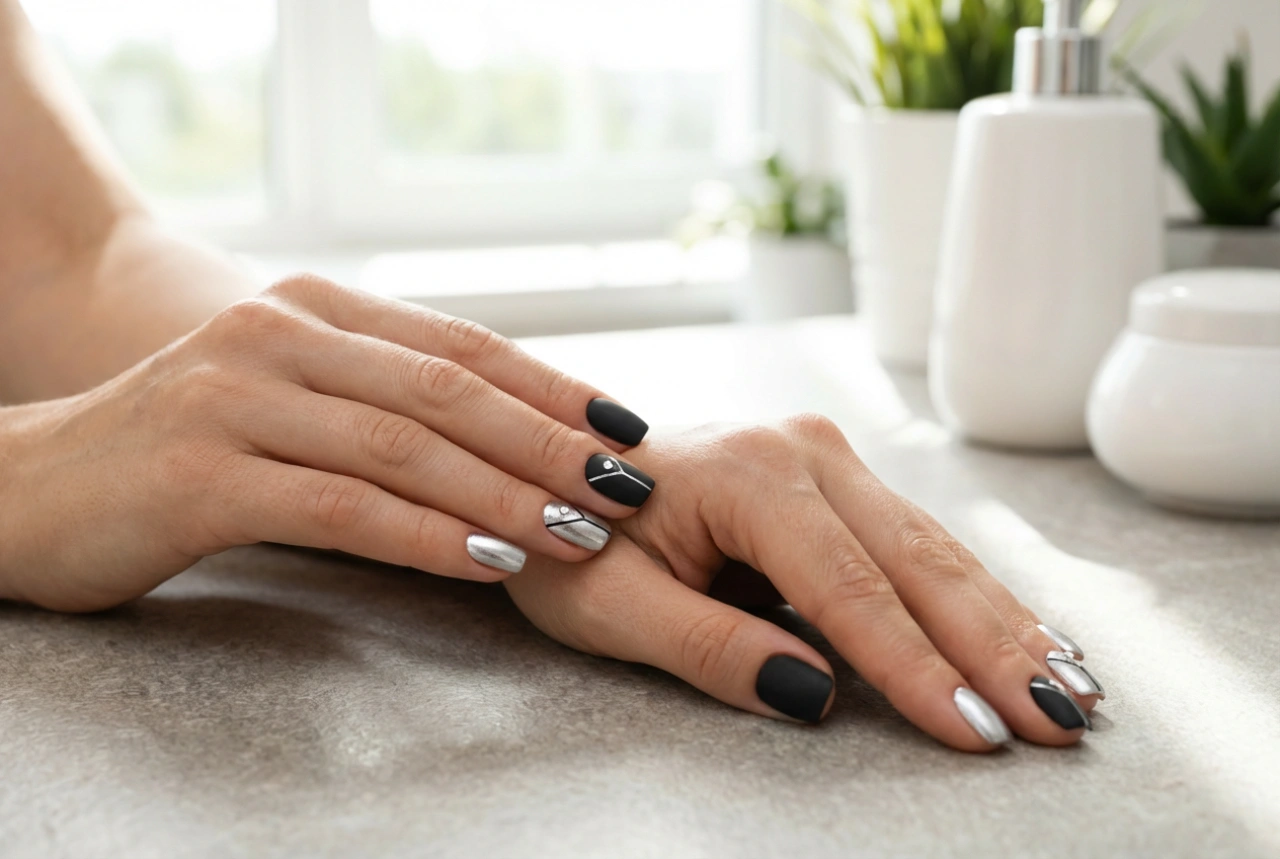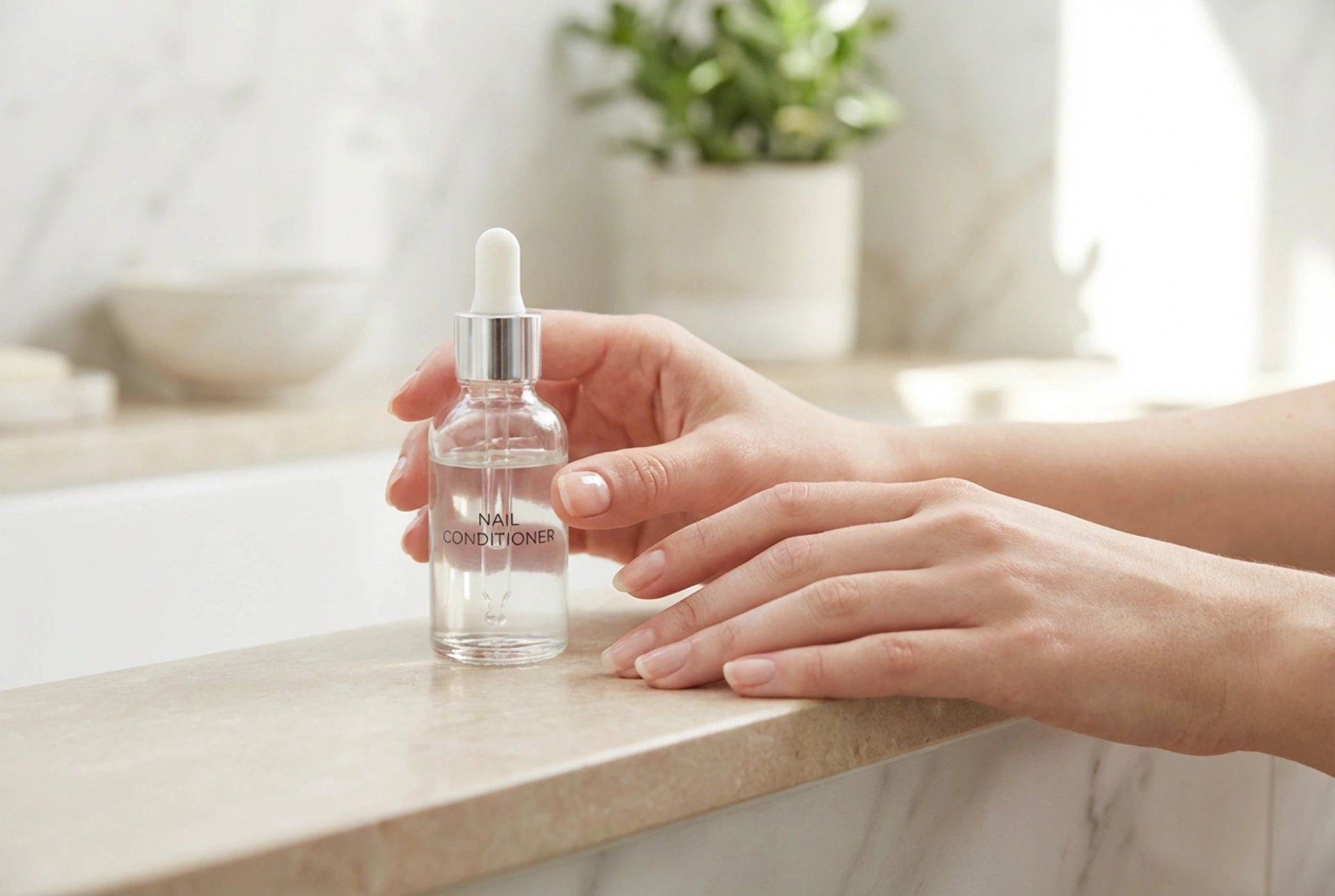


Delicate, beautifully manicured hands with naturally healthy, polished nails are the ultimate symbol of a refined and well-groomed look. Achieving this state of natural elegance often begins with a quiet, peaceful at-home care ritual, where a simple bottle of clear nail conditioner plays the leading role. Caring for your hands does not require advanced salon procedures; instead, it is about understanding your nails' unique needs and establishing a consistent, nurturing routine in the comfort of your own home.
Understanding Your Nail Type and Needs
Before selecting any product, it is essential to observe the current condition of your nails. Just like your skin or hair, nails can exhibit different characteristics depending on environmental factors, hydration levels, and daily habits. Identifying these traits allows you to choose a formula that addresses your specific concerns effectively.
- Dry and Brittle Nails: These nails lack flexibility and tend to snap or chip easily when subjected to pressure. They often look dull and feel rough to the touch. This condition is usually caused by frequent exposure to water, cleaning agents, or dry air. These nails require deep hydration and emollient-rich formulas.
- Soft and Splitting Nails: If your nails bend easily or peel in layers at the free edge, they lack structural strength. This issue is frequently linked to a lack of keratin or excessive moisture exposure without protective barriers. For this type, strengthening and hardening formulas are ideal.
- Slow-Growing and Thin Nails: Nails that seem to grow at a sluggish pace or appear thin and fragile benefit from revitalising formulations packed with vitamins and essential nutrients to support their natural growth cycle.
Key Cosmetic Ingredients to Look For
The efficacy of a nail conditioner depends entirely on its formulation. To make an informed choice, it is helpful to look for key ingredients that promote strength, elasticity, and overall nail health. Opting for nourishing, non-invasive cosmetic agents ensures safe and gradual improvement.
Proteins and Keratin
Nails are primarily composed of keratin, a fibrous protein. Conditioners containing keratin or wheat and silk proteins help to temporarily fill in micro-damaged areas on the nail plate, creating a smooth, reinforced surface that is less prone to splitting.
Vitamins E and B5 (Panthenol)
Vitamin E is a powerful antioxidant that helps protect the nail plate from environmental stressors while moisturising the surrounding cuticle area. Panthenol, or Vitamin B5, is highly effective at binding moisture, which prevents nails from becoming excessively dry and brittle.
Natural Oils and Butter
Ingredients such as sweet almond oil, jojoba oil, and shea butter are excellent for restoring the lipid barrier of the nail and cuticle. They provide the necessary nourishment to keep the nail plate flexible, preventing it from snapping under pressure.
Calcium and Minerals
Calcium-infused conditioners are highly favoured for thin and soft nails. Calcium helps to support the natural structural integrity of the nail plate, making it feel thicker and more resilient over time.
A Step-by-Step Guide to Applying Nail Conditioner
To maximise the benefits of your chosen product, the application process must be done carefully and consistently. Creating a dedicated weekly ritual not only improves the appearance of your hands but also offers a moment of relaxation.
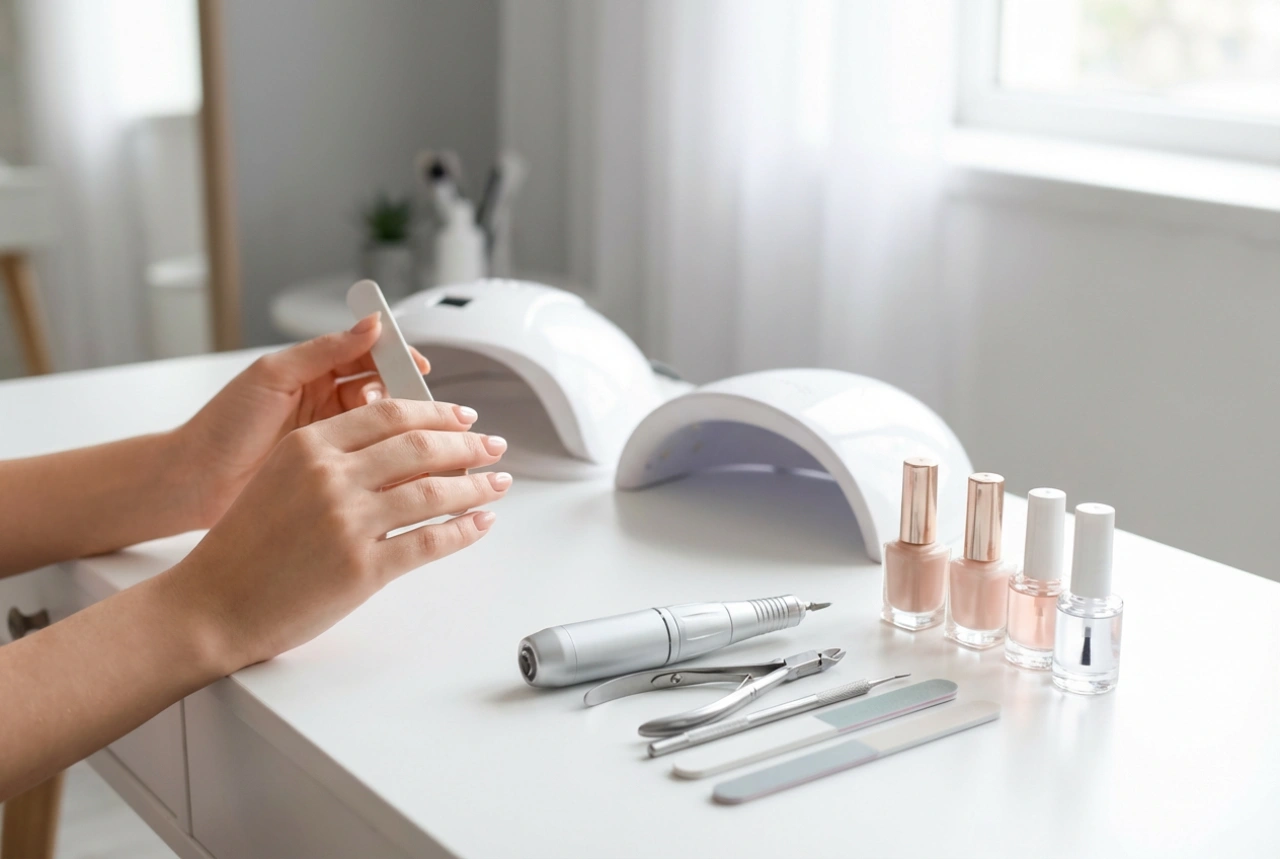
First, prepare the canvas. Ensure your nails are completely clean and free from any previous polish or oil residue. Use a gentle, acetone-free remover if necessary. Gently shape your nails with a fine-grit glass or cardboard file, moving in one direction only to prevent microscopic tears at the edge.
Second, apply the conditioner in thin, even strokes. Start from the base of the nail, near the cuticle (but without touching the skin), and swipe upwards to the tip. Be sure to seal the free edge of the nail with a light horizontal swipe; this prevents water from seeping under the product and lifting it.
Third, follow the specific instructions of your product. Most general conditioners are designed to be applied in a fresh layer daily for three to four days, after which the entire product is gently removed, and the cycle begins anew. This continuous layer-building technique ensures ongoing protection against physical impacts and moisture loss.
Complementary Habits for Hand and Nail Care
While a quality nail conditioner is an excellent tool, healthy nails are the result of a holistic approach to hand care. Small adjustments to your daily routine can yield significant long-term benefits.
- Protect Your Hands: Always wear protective gloves when doing household chores, washing dishes, or working in the garden. Water and household detergents can strip the natural oils from your skin and nails, causing them to weaken rapidly.
- Moisturise the Cuticles: Healthy nails grow from a healthy matrix, which is located just beneath the cuticle. Massaging a drop of nourishing oil or rich hand cream into your cuticles every evening stimulates circulation and keeps the growth zone well-nourished.
- Avoid Using Nails as Tools: It can be tempting to use your nails to open cans, peel off labels, or scratch surfaces. This physical stress creates micro-fractures in the nail plate that eventually lead to peeling and breaks.
Common Mistakes in At-Home Nail Care
Even with the best intentions, certain habits can hinder your progress. One common error is applying conditioner over dirty or oily nails, which prevents the product from adhering properly, leading to peeling. Another mistake is using metal nail files, which create rough edges and cause the nail layers to separate. Lastly, patience is key; expecting instant results can lead to disappointment. Natural nails take time to grow, and a consistent care routine typically reveals its true benefits after several weeks of diligent application.