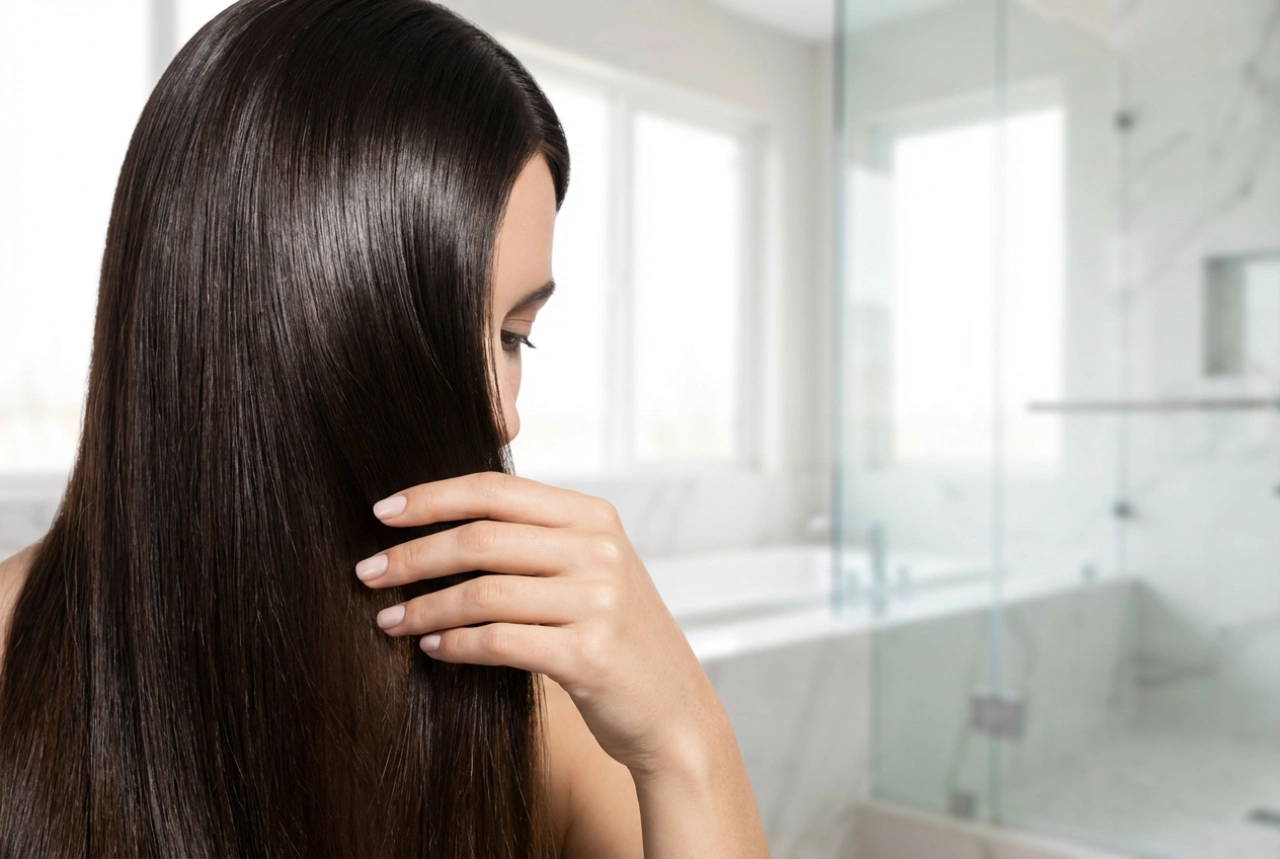


Achieving a sleek, glass-like finish on dark, glossy hair requires more than just high heat. It demands a mindful styling approach that respects the delicate structure of each strand. When styling at home, gently guiding a high-quality straightener over smooth sections of hair can yield professional-looking results without compromising its natural health. The secret to this immaculate, shiny finish lies in choosing the right tool, setting the correct temperature, and mastering the physical technique of gliding the plates from root to tip. By understanding the science behind your styling tools, you can transform your daily beauty ritual into a safe, nourishing practice.
Understanding Straightener Plate Materials
The plates are the heart of any straightening tool. Different materials distribute heat in unique ways, directly affecting how smoothly the device glides and how much moisture is retained within the hair shaft. Selecting the right plate material is the first step toward preventing unnecessary friction and snagging.
Ceramic Plates
Ceramic is the most common and versatile plate material. It is highly valued for its ability to distribute heat evenly across the entire surface, which minimises the risk of hot spots that can scorch individual strands. Ceramic plates release gentle infrared heat, making them an excellent choice for fine, normal, or slightly sensitised hair. They glide smoothly, sealing the cuticle and leaving a soft, natural finish.
Titanium Plates
Titanium is a lightweight, highly durable metal that transfers heat exceptionally fast. These plates reach the desired temperature almost instantly and maintain a highly consistent level of heat throughout the styling process. Because they are highly efficient, titanium plates are ideal for thick, coarse, or stubborn hair textures that require quick, effective styling. However, because they heat up so rapidly, they require a careful hand to avoid over-exposure.
Tourmaline Plates
Tourmaline is a semi-precious mineral that is typically crushed and infused into ceramic plates. It naturally produces a high volume of negative ions when heated. These negative ions neutralise the positive ions found in dry or damaged hair, effectively locking in moisture, reducing static, and calming frizz. Tourmaline plates are perfect for anyone struggling with dry, dull, or static-prone hair, as they provide a brilliant boost of shine.
Matching Temperature to Hair Texture
Using the highest temperature setting might seem like the quickest path to straight hair, but it is often unnecessary and can lead to thermal damage. Customising the heat level to your specific hair type ensures efficient styling while preserving the integrity of the hair fibres.
- Fine, Delicate, or Lightened Hair (130°C to 160°C): Fine strands have a thinner cortex and are highly susceptible to heat damage. Keep the temperature low to gently smooth the cuticle without degrading the delicate protein structure.
- Normal, Wavy, or Medium-Textured Hair (160°C to 190°C): This hair type can withstand moderate heat. A setting in this range is typically sufficient to achieve a sleek finish in a single pass.
- Thick, Coarse, or Highly Coily Hair (190°C to 210°C): Coarser strands require more heat to temporarily break and reform the hydrogen bonds responsible for the natural curl pattern. Always ensure the hair is thoroughly prepped before styling at these higher temperatures.
Master the Glide: Safe Styling Techniques
How you move the straightener through your hair is just as important as the temperature you select. A rushed or uneven technique can lead to heat concentration in one spot, causing damage, while pulling too hard can snap fragile ends. To achieve a perfectly polished look, follow a structured and gentle approach.
First, always ensure your hair is completely dry before styling. Applying hot plates to damp hair causes the moisture inside the strand to boil rapidly and turn to steam, which can rupture the hair cuticle. Once dry, work in small, manageable sections no wider than the plates of your straightener. This ensures even heat distribution across the entire section, eliminating the need to run the tool over the same piece of hair multiple times.
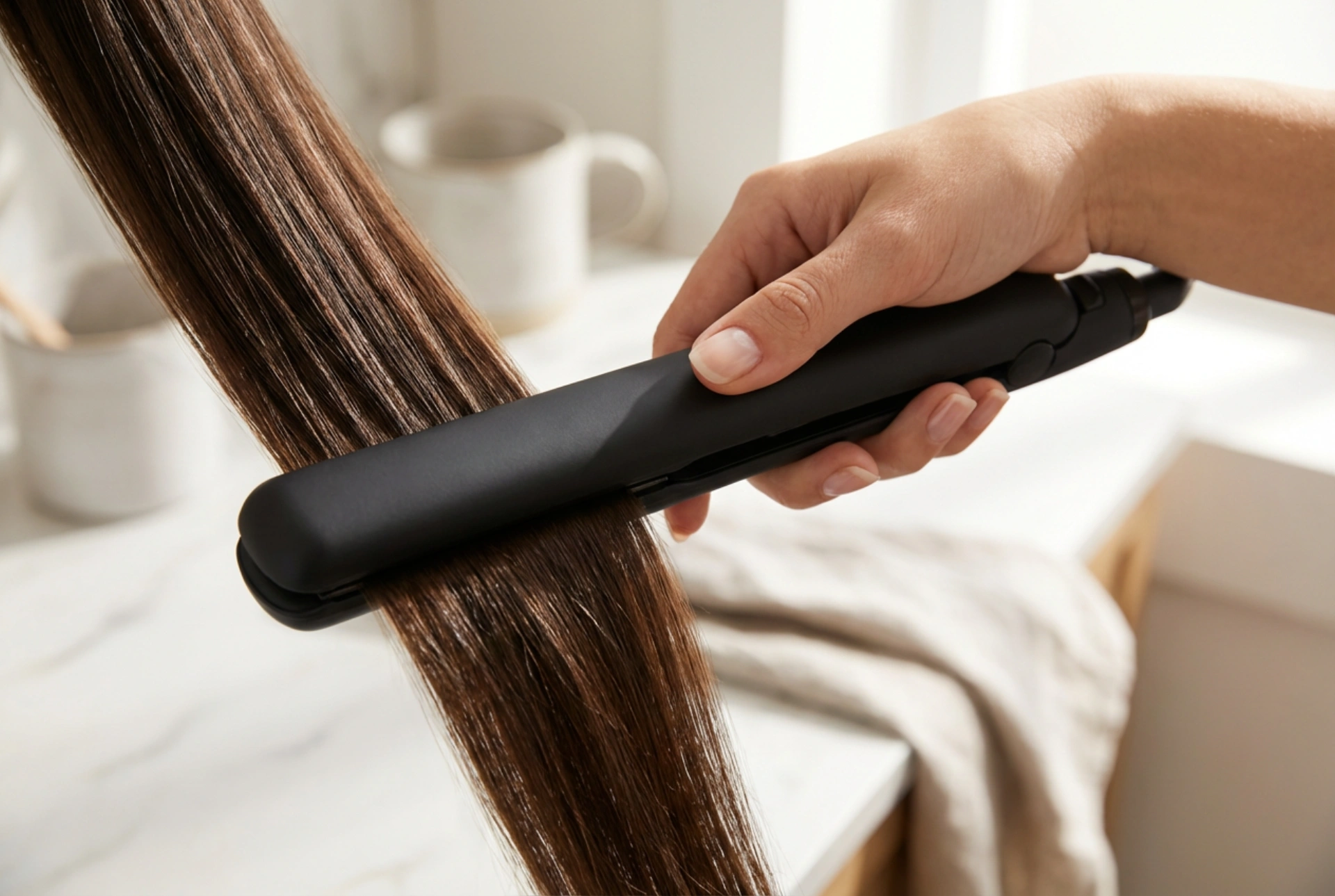
When guiding the plates, maintain a steady, slow, and continuous motion from the roots to the ends. Avoid stopping or pausing at any point along the hair shaft, as this creates a line of heat damage. Use a fine-tooth comb placed just in front of the straightener to guide the hair, ensuring every strand is aligned and smooth before the heat makes contact. Keep your grip firm but gentle; there is no need to squeeze the plates tightly, as modern plates are designed to float and adapt to the thickness of the hair section.
Essential Care Tips for Long-Lasting Shine
Maintaining the health of your styled hair goes beyond the styling session itself. Regular maintenance of your tools and hair care routine will keep your locks looking radiant. Clean your straightener plates regularly with a damp, soft cloth when the device is completely cool to remove any styling residue that could cause drag or uneven heating. Finally, incorporate nourishing, lightweight hair oils or serums into your post-styling routine to seal the ends and lock in moisture, keeping your hair looking vibrant, smooth, and full of natural movement.