

Finding the perfect hairstyle is all about understanding the unique geometry of your face. An elegant, elongated face shape possesses a refined, classic aesthetic that naturally draws attention to the eyes and cheekbones. When choosing a haircut or style, the primary goal is not to mask these elegant proportions, but to complement them by introducing a sense of horizontal balance. By strategically adding volume and movement to the sides of the face, you can create a harmonious framing effect that beautifully softens the overall silhouette, just like a soft wave catching natural light.
Understanding the Proportions of an Oblong Face
An oblong or rectangular face shape is typically characterized by being noticeably longer than it is wide. The forehead, cheekbones, and jawline are often of a similar width, creating a sleek, vertical line. While this shape is incredibly versatile and photogenic, certain hairstyles can inadvertently accentuate the length, making the face appear narrower than it actually is.
To achieve a balanced look, the focus should shift from verticality to width. By introducing fullness around the cheekbones and ears, you visually break up the long vertical line of the face. This creates the illusion of an oval shape, which is widely considered the standard for structural symmetry. Understanding this core principle allows you to experiment with various cuts and styling techniques with complete confidence.
The Power of Layers and Waves
One of the most effective ways to introduce volume where it is needed most is through layers. Face-framing layers that begin around the cheekbones or jawline are particularly flattering for elongated face shapes. These layers break up the solid frame of hair, drawing the eye outward rather than downward.
- Soft Waves: Incorporating gentle waves adds texture and movement, which naturally expands the silhouette of your hair. This lateral volume counteracts the vertical length of the face.
- Textured Ends: Avoid blunt, heavy ends that pull the gaze downward. Texturised ends keep the hairstyle light, airy, and full of life.
- Graduated Layers: Layers that start higher up help to build body around the mid-face area, which is crucial for establishing balance.
The Role of Fringes and Partings
A well-chosen fringe can work wonders for an oblong face shape by visually shortening its length. By covering a portion of the forehead, a fringe instantly shifts the proportions of the face, making the lower half appear more balanced.
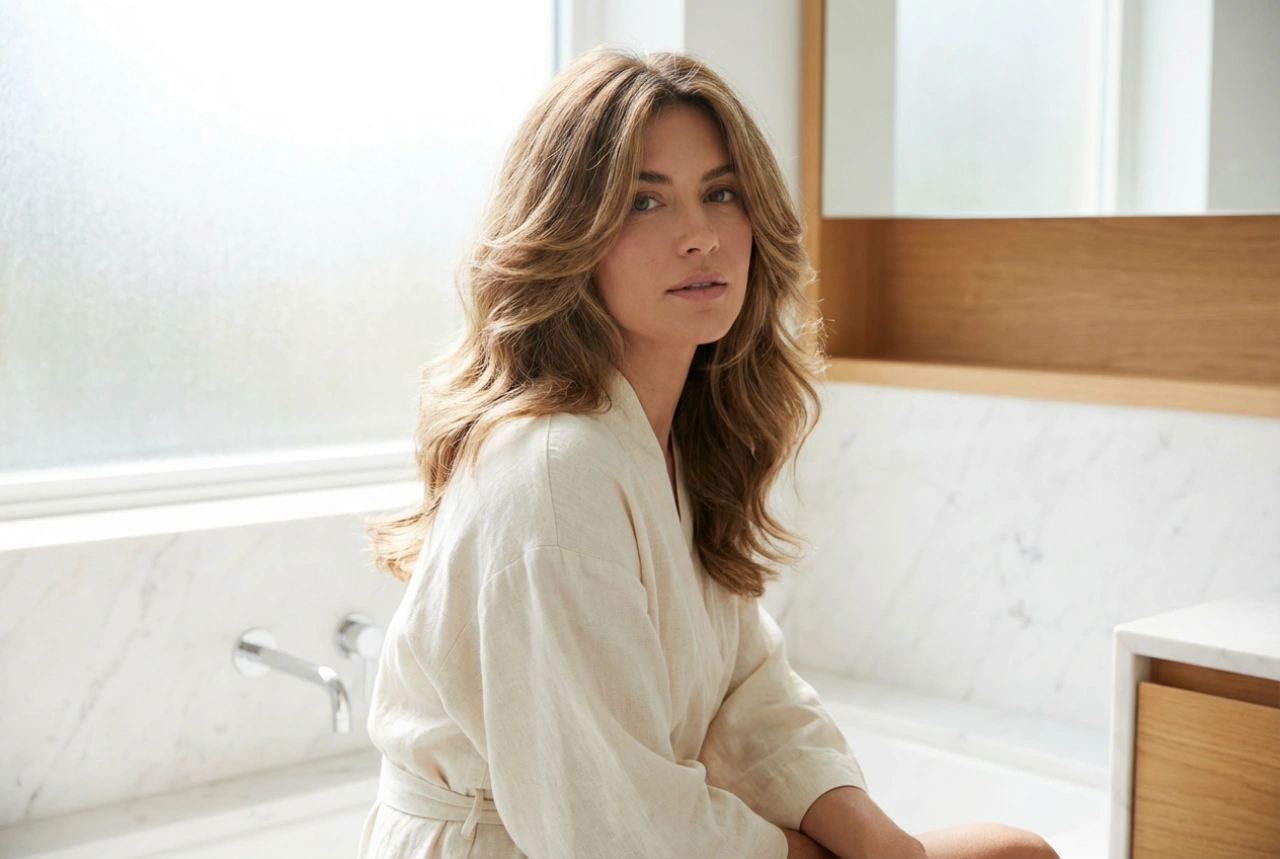
Curtain bangs are an exceptional choice for this face shape. They drape elegantly to the sides, framing the eyes and adding immediate width at the temples. Classic straight-across fringes also work beautifully, as they create a strong horizontal line that breaks the verticality. If you prefer a side parting, a deep side part can add a flattering asymmetrical volume on one side, which disrupts the long, narrow line of the face. Conversely, a strict center parting with completely flat hair should generally be avoided, as it tends to elongate the features further.
Ideal Lengths: From Bobs to Mid-Length Cuts
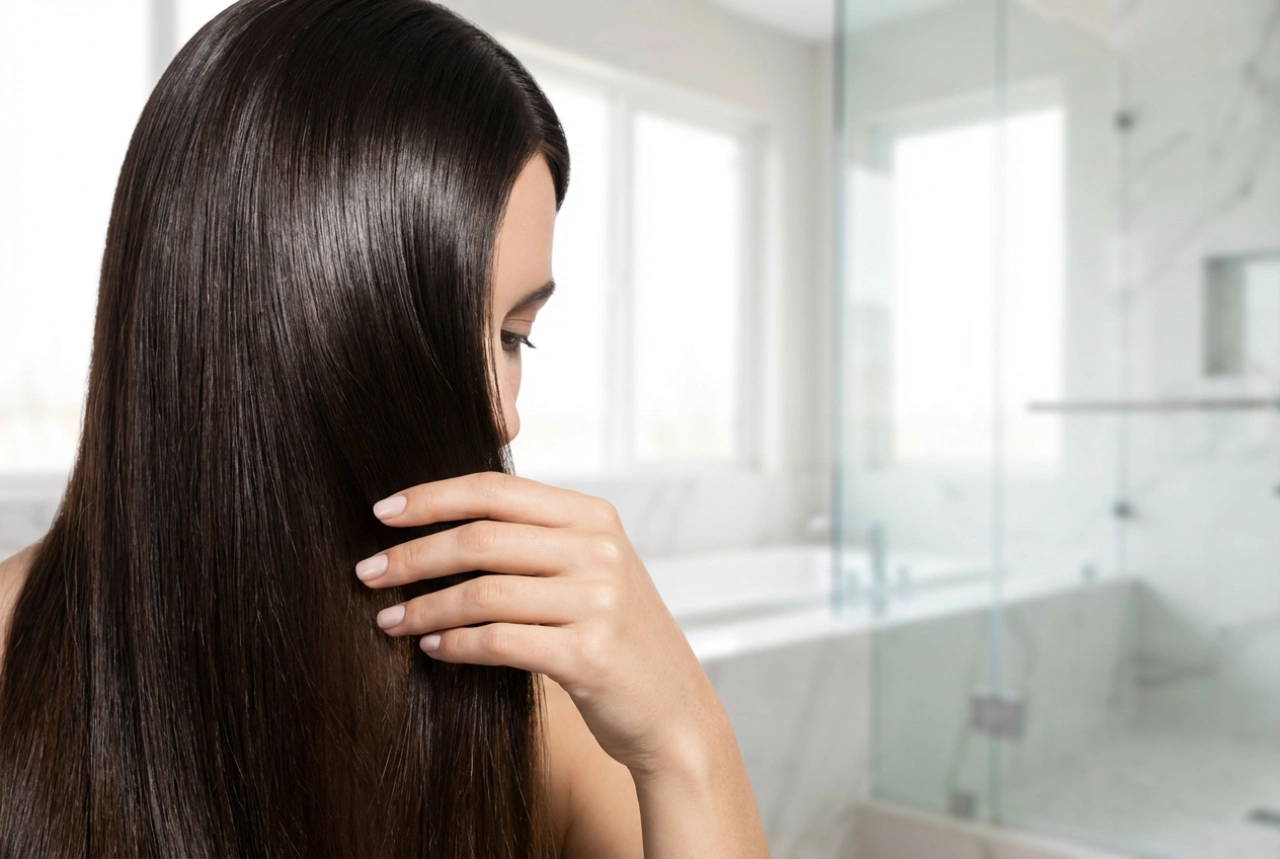
While personal style always comes first, certain hair lengths are naturally more harmonious with elongated features. Extremely long, straight hair can drag the features down, whereas shorter to medium-length cuts tend to lift and brighten the face.
The Classic Bob and Lob
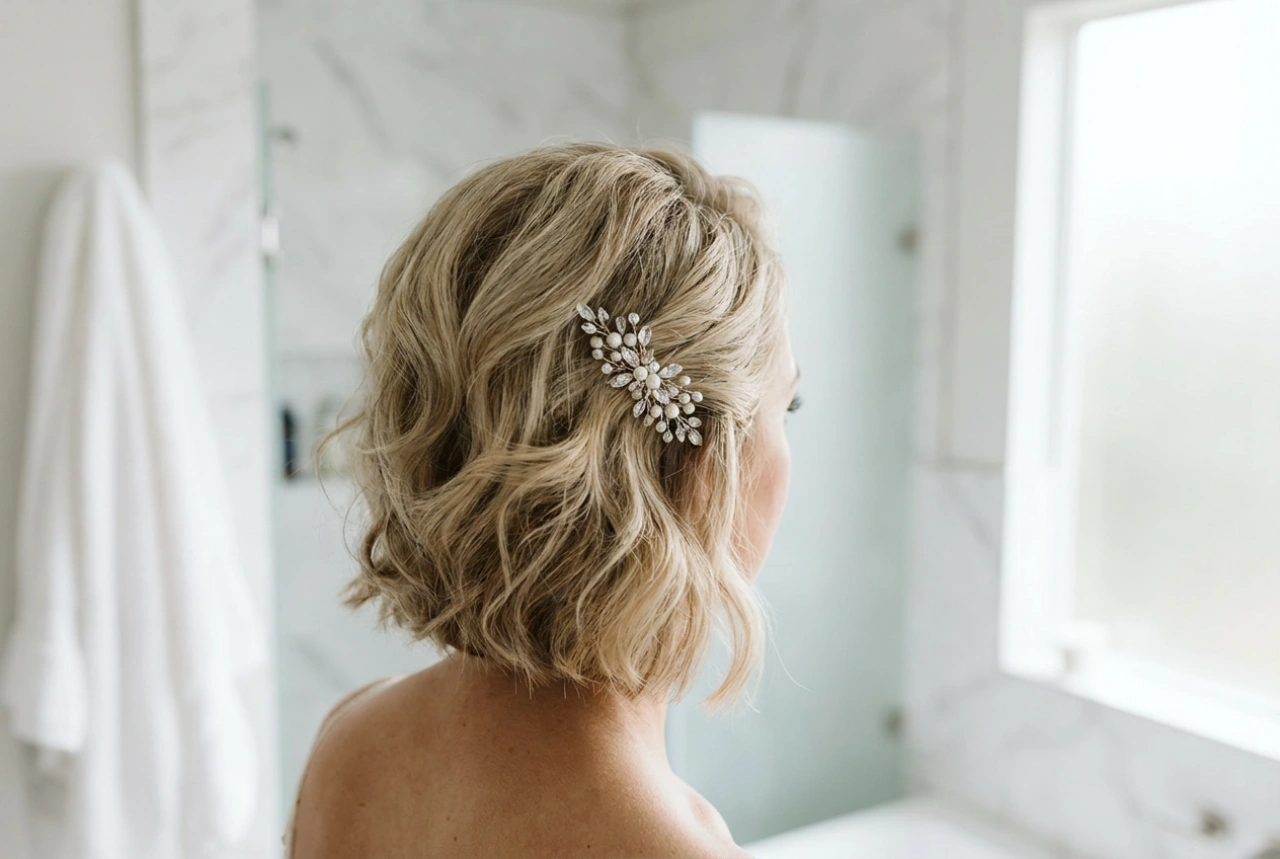
A chin-length bob is arguably one of the most flattering cuts for a long face. Ending right at the jawline, it creates a strong horizontal boundary that visually cuts the length of the face. If a short bob feels too daring, a "lob" (long bob) that rests just above the shoulders is an excellent alternative. When styled with loose waves, the lob provides the perfect amount of side volume to balance your features.
Mid-Length Shags and Pixies
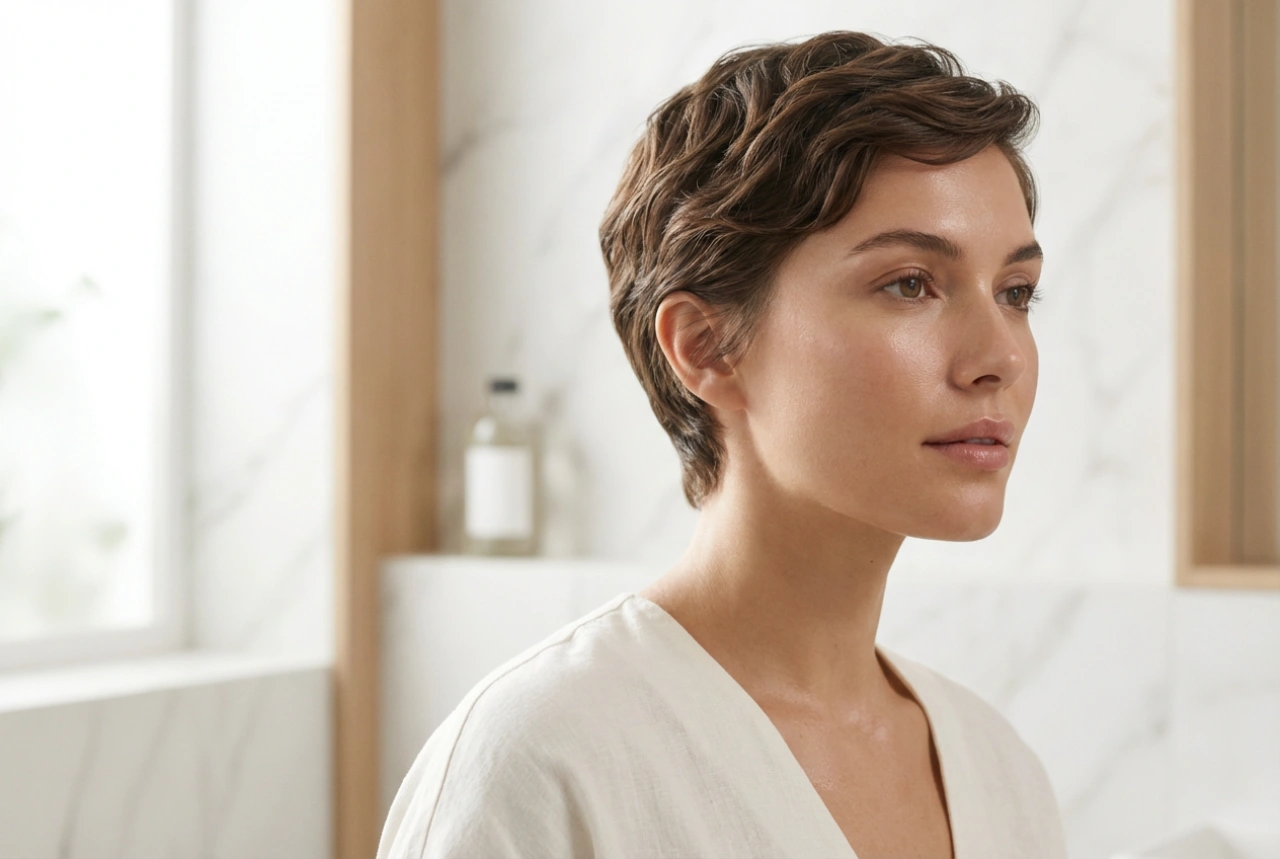
A modern shag cut, characterized by its abundant layers and textured crown, is another fantastic option. The choppy layers naturally create volume at the sides, while the accompanying fringe frames the forehead. For those who prefer shorter hair, a pixie cut with plenty of volume on the sides and textured pieces around the ears can also look incredibly chic and balanced.
Practical Home Styling Tips for Maximum Volume
Creating balance does not always require a trip to the salon; how you style your hair at home plays a significant role in the final result. Focus on techniques that lift the roots and build body along the mid-lengths of your hair.
- Blow-drying Techniques: When drying your hair, use a round brush to lift the roots away from the scalp. Focus on directing the air flow upward and outward to build volume at the sides.
- Using Rollers: Velcro rollers are a safe and heat-free way to achieve bouncy, long-lasting volume. Place them at the crown and sides of your head for a soft, structured lift.
- Embracing Natural Texture: If your hair has a natural wave or curl, encourage it. Avoid over-straightening your hair, as keeping its natural texture is the easiest way to maintain a balanced, volumised shape.