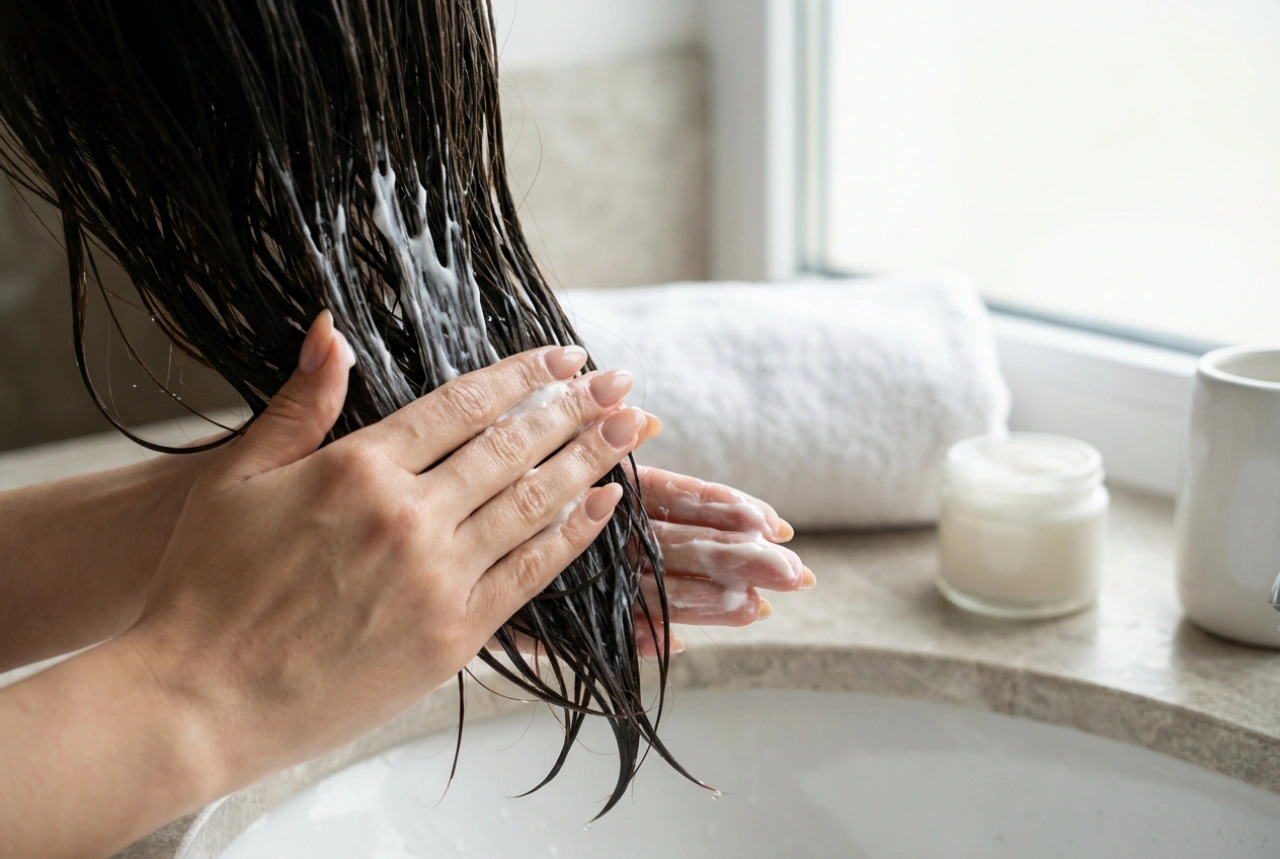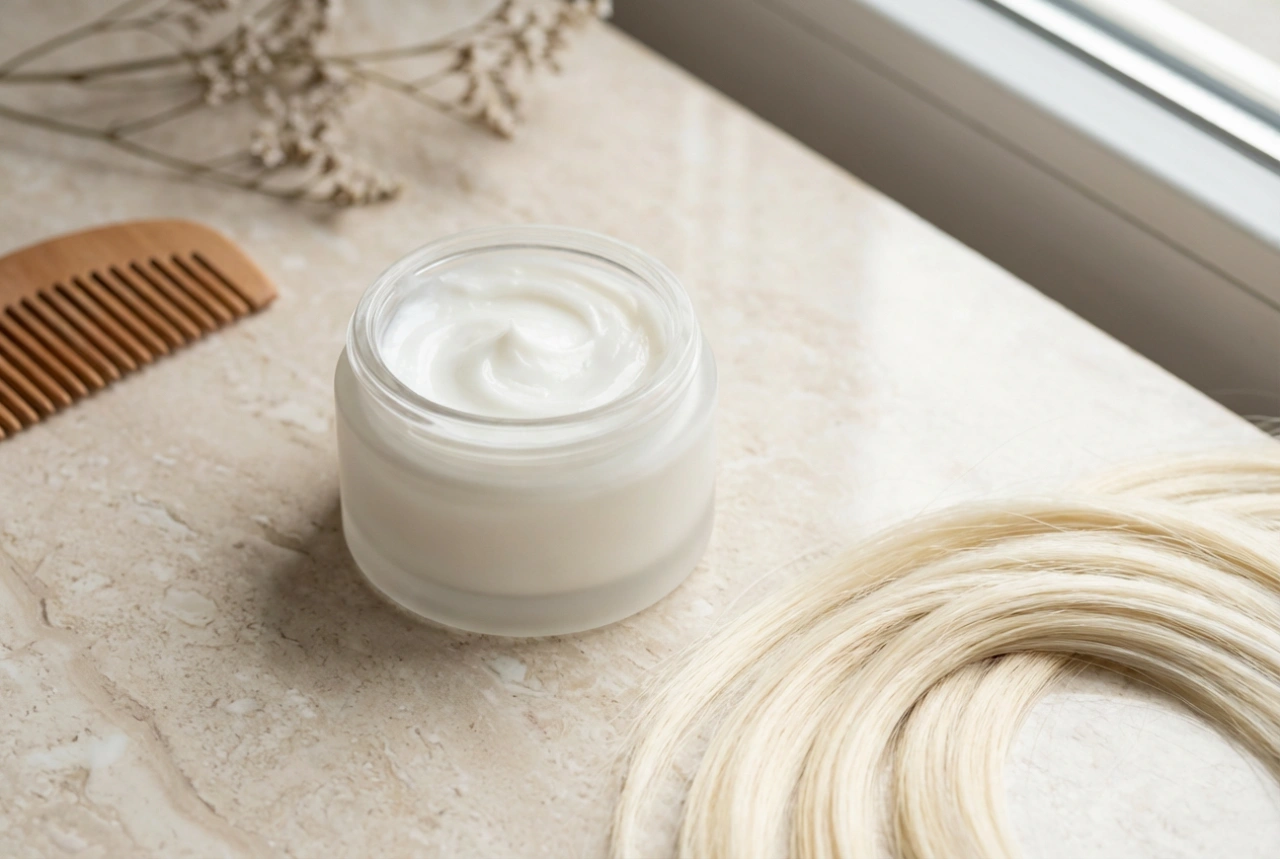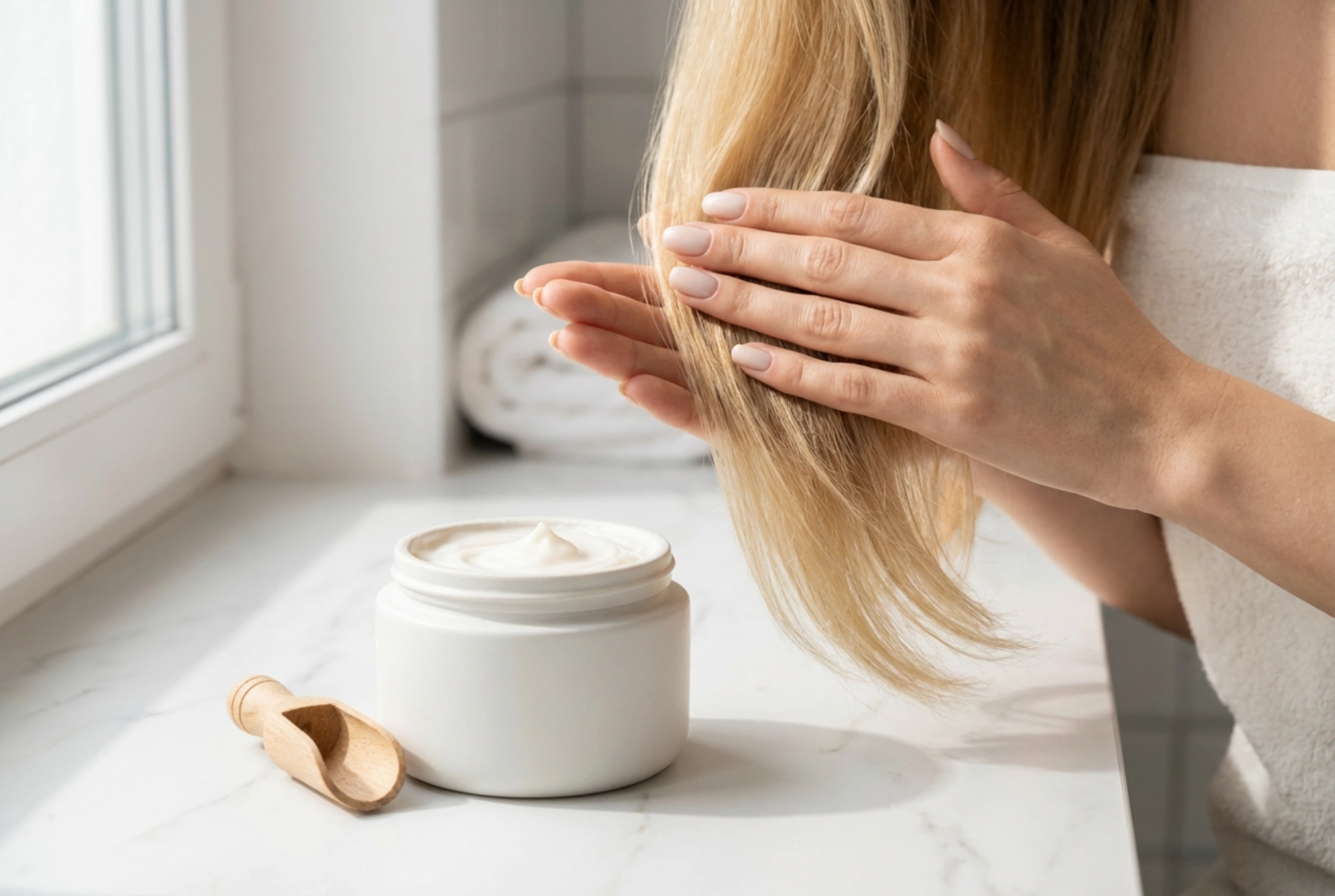


The visual of elegant hands gently working a rich, creamy hair mask into lustrous, light blonde hair strands evokes a deep sense of peaceful, nurturing self-care. Bleached hair, while stunningly beautiful, requires this level of meticulous and attentive nurturing. The process of lightening the hair alters its internal structure, often leaving the strands porous, dry, and in need of deep restoration. To maintain that sought-after radiance and smooth texture, establishing a dedicated, highly effective weekly conditioning routine is essential. Understanding the unique requirements of lightened locks and mastering the art of product application can transform dry, brittle strands into a crown of healthy, flowing silk.
Understanding the Unique Needs of Bleached Hair
Bleaching is a cosmetic process that lifts the natural pigments from the hair shaft. During this transformation, the protective outer cuticle layer is raised to allow the lightening agents to penetrate the cortex. While this achieves beautiful blonde shades, it also leaves the hair structure more vulnerable to external elements, moisture loss, and physical breakage.
Because the cuticle remains slightly open, bleached hair becomes highly porous. This means it absorbs water quickly but loses it just as fast, leading to chronic dryness, frizz, and a lack of natural shine. To counteract this, the hair requires external support in the form of intensive treatments. These treatments must perform two primary functions: delivering deep hydration to the inner cortex and sealing the outer cuticle to lock that moisture in. Without regular intervention, lightened hair can lose its elasticity, leading to split ends and a rough texture.
In addition to increased porosity, the chemical process of bleaching strips away the hair's natural protective lipid barrier. This lipid layer is responsible for giving healthy hair its natural hydrophobicity, meaning it naturally repels excess environmental moisture while retaining its own internal hydration. When this barrier is depleted, the hair becomes highly sensitive to humidity, leading to swelling and frizz, whilst also feeling excessively dry in arid conditions. Restoring this delicate balance is a gradual process that requires consistent, nutrient-rich care designed to mimic and replenish these lost lipids.
The Anatomy of a Restorative Hair Mask
When selecting a treatment to restore and maintain lightened locks, the formula is key. A high-quality mask designed for treated hair should offer a balanced blend of three essential cosmetic components: humectants, emollients, and proteins. Together, these elements mimic the hair's natural composition and work synergistically to repair daily wear.
- Humectants: Ingredients such as glycerin, panthenol, and hyaluronic acid are excellent for drawing moisture from the surrounding environment deep into the hair shaft, providing immediate hydration.
- Emollients: Natural plant oils and butters—such as shea butter, argan oil, and avocado oil—act as protective sealants. They smooth down the lifted cuticles, trap the hydration inside, and impart a healthy, natural lustre to the hair surface.
- Hydrolysed Proteins: Since the hair is largely composed of keratin, incorporating small, hydrolysed plant proteins (like wheat, soy, or oat proteins) helps to temporarily fill in the structural gaps along the damaged hair shaft, improving overall strength and elasticity.
Step-by-Step Mask Application for Maximum Benefits
The way you apply a hair mask is just as important as the formula itself. To ensure your hair absorbs every drop of nourishment, follow this refined application method that maximises the efficiency of your conditioning routine.
Step 1: Thorough Cleasing
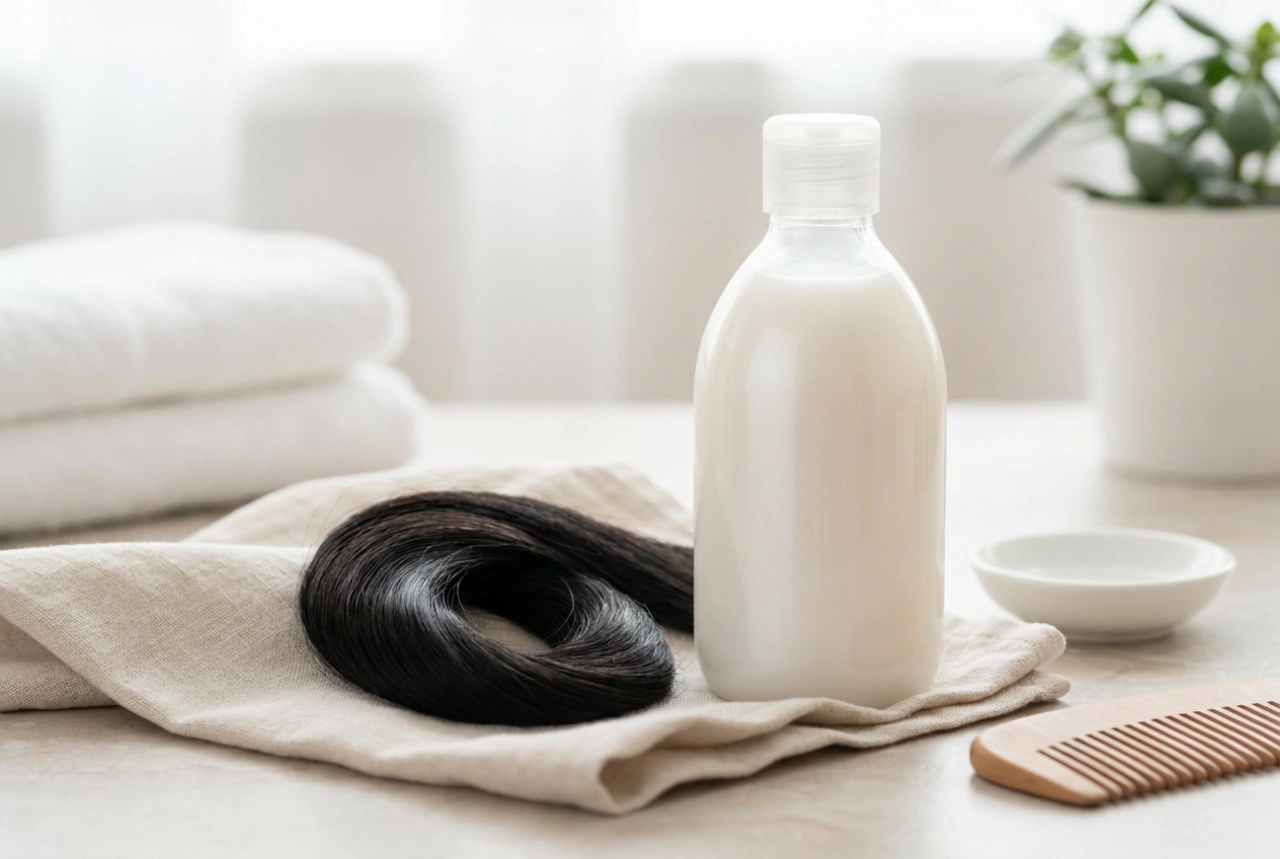
Begin by washing your hair with a gentle, moisturising shampoo. This removes dirt, sebum, and styling build-up, preparing the cuticle to receive the active ingredients of the mask. Rinse thoroughly with lukewarm water, as hot water can further dry out sensitive blonde strands.
Step 2: Removing Excess Water
Applying a rich cream to soaking wet hair is a common mistake. Excess water dilutes the product and causes it to slide off the hair strands before it can penetrate. Gently squeeze your hair with a soft microfibre towel or an old cotton t-shirt. Avoid rubbing, which can cause friction and damage the delicate wet cuticles.
Step 3: Precise Application
Scoop a generous amount of the creamy mask from its container. Start applying the product from the mid-lengths down to the ends, focusing on the areas that suffer the most dryness. Gently work the mask into the strands using a downward smoothing motion, mimicking the natural direction of the cuticles. Avoid applying heavy masks directly to the scalp to prevent weighing down your roots.
Step 4: Gentle Detangling
To ensure even distribution, use your fingers or a wide-toothed comb to gently detangle the hair while the mask is still on. This ensures that every single strand is coated in the protective formula. Always start detangling from the tips and gradually work your way up to prevent breakage.
Enhancing the Treatment: Warmth and Timing
To elevate your home treatment to a spa-like experience, you can introduce gentle warmth. Heat helps to gently open the hair cuticles, allowing the nourishing oils and proteins to penetrate even deeper into the hair cortex. After applying the mask, gather your hair gently and cover it with a warm, damp towel or a soft shower cap. Leave the treatment on for fifteen to twenty minutes. This dedicated time allows the emollients to thoroughly smooth the hair surface.
When rinsing, always use cool or lukewarm water. The cooler temperature helps to close the hair cuticles, locking the beneficial nutrients and moisture inside the shaft. This simple step instantly boosts the natural shine and smoothness of your blonde hair once it dries.
Daily Practices to Preserve Hair Integrity
While a weekly mask is the cornerstone of blonde hair restoration, daily habits play a vital role in keeping your hair healthy. Protect your delicate strands by limiting the use of high-heat styling tools, always applying a heat-protectant barrier beforehand. When sleeping, consider switching to a silk or satin pillowcase to reduce friction, which prevents tangles and mechanical damage overnight.
Additionally, how you handle your hair when it is wet is crucial. Wet hair is in its most elastic and fragile state, making it highly susceptible to snapping. Always use a gentle leave-in conditioning spray or a lightweight hair oil after washing to provide slip, making the combing process effortless. Regular trims, even just removing a few millimetres every couple of months, are also essential to prevent split ends from travelling up the hair shaft and causing further damage. With consistency and patience, your hair will regain its natural elasticity and vitality.