

Achieving silky, smooth hair that flows gracefully is a common beauty goal, yet dry and frizzy locks often present a daily challenge. Just like the elegant simplicity of a refined beauty routine, finding the right conditioner can transform dull, unruly strands into hydrated, lustrous tresses. Frizz and dryness are closely related, usually stemming from a lack of moisture and a disrupted hair cuticle. By choosing a dedicated conditioning product and mastering its application, you can restore natural shine and manageability to your hair at home.
Understanding the Causes of Dryness and Frizz
To effectively address frizzy hair, it is essential to understand why it occurs. The outer layer of each hair strand, known as the cuticle, consists of overlapping scales. In healthy, hydrated hair, these scales lie flat, creating a smooth surface that reflects light and seals in moisture. However, when hair becomes dry, the cuticle lifts, allowing external humidity to penetrate the shaft. This causes the hair to swell and frizz, leading to an unruly texture.
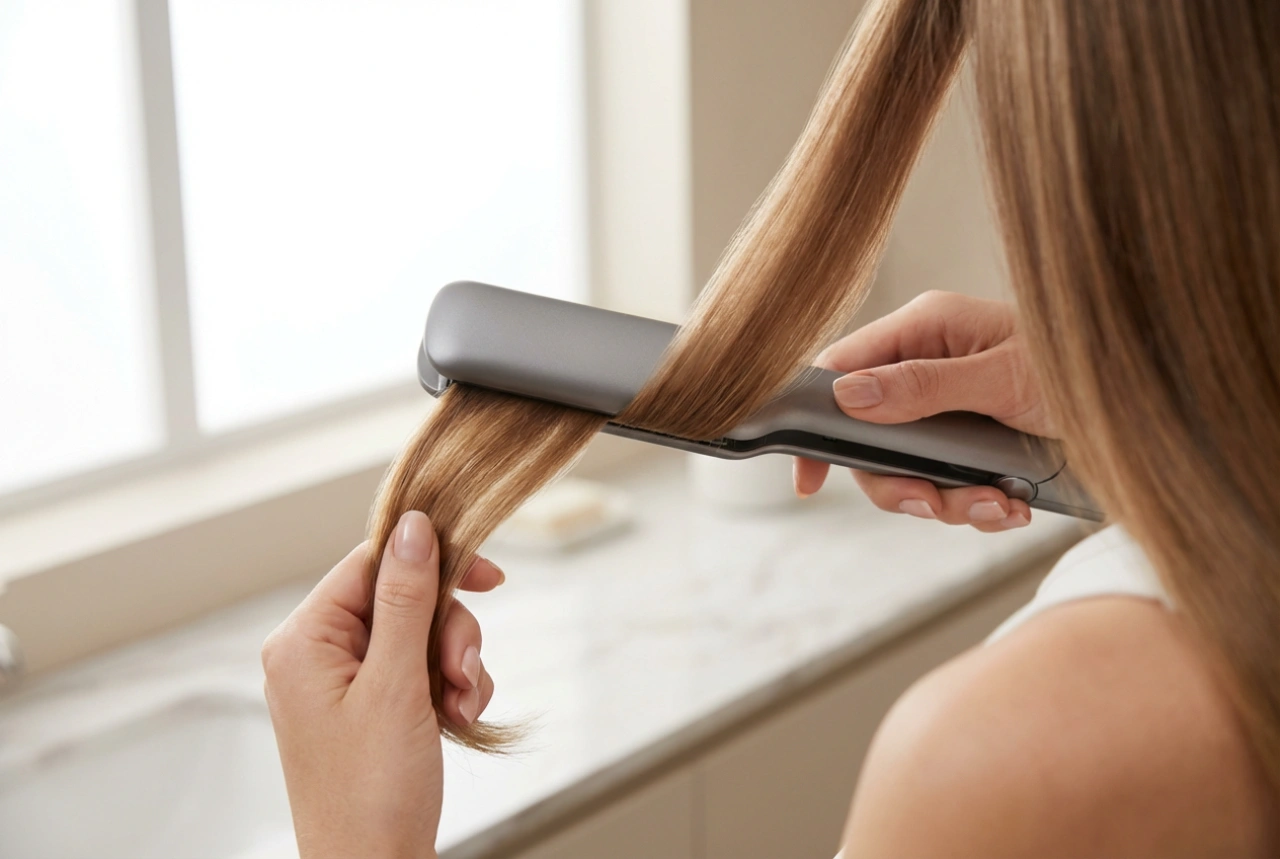
Dryness can be triggered by various environmental and lifestyle factors. Frequent heat styling, exposure to dry indoor air, and using harsh cleansing products can strip the hair of its natural sebum. Without this protective lipid barrier, moisture evaporates rapidly. A high-quality conditioner acts as a shield, smoothing down the raised cuticles and replenishing the essential lipids needed to keep the hair soft and resilient.
Essential Ingredients for Hydration and Frizz Control
When selecting a conditioner for dry and frizzy hair, reading the ingredient list is key to finding a formula that delivers deep nourishment. Effective conditioners rely on a balanced blend of three main types of ingredients: humectants, emollients, and rebuilding agents.
- Humectants: These ingredients attract water molecules from the surrounding environment into the hair shaft. Common examples include plant-based glycerin, aloe vera juice, and hyaluronic acid. They provide the initial wave of hydration that dry hair desperately needs.
- Emollients: To prevent the attracted moisture from evaporating, emollients are crucial. They coat the hair strand, sealing the cuticle and adding a beautiful gloss. Look for nourishing plant oils such as argan oil, jojoba oil, sweet almond oil, and rich natural butters like shea butter or avocado butter.
- Proteins and Amino Acids: Frizzy hair often has micro-gaps in its structure. Gentle plant proteins, such as hydrolysed wheat or silk proteins, help temporarily patch these gaps, reinforcing the hair shaft and improving its overall elasticity.
How to Choose the Right Type of Conditioner
Not all conditioners are created equal, and matching the product type to your hair's specific texture is vital for the best results. Depending on your routine and hair thickness, you may want to incorporate different formulas into your weekly care regimen.
Classic Rinse-Out Conditioners
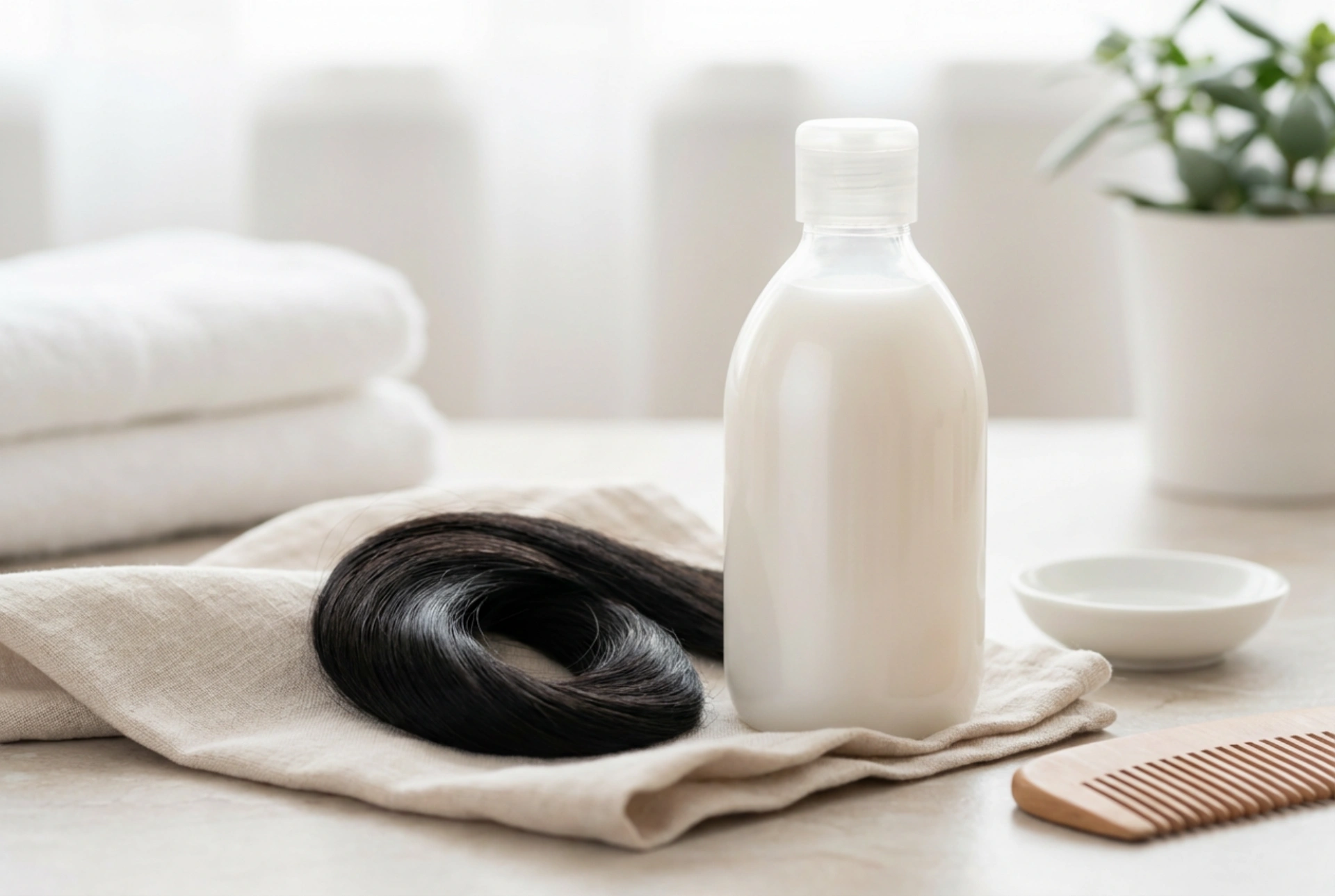
This is the cornerstone of daily hair care. A classic rinse-out conditioner should be applied after every wash. For dry and frizzy hair, opt for a creamy, rich texture that provides immediate slip, making detangling easy and preventing breakage while washing.
Leave-In Conditioners and Creams
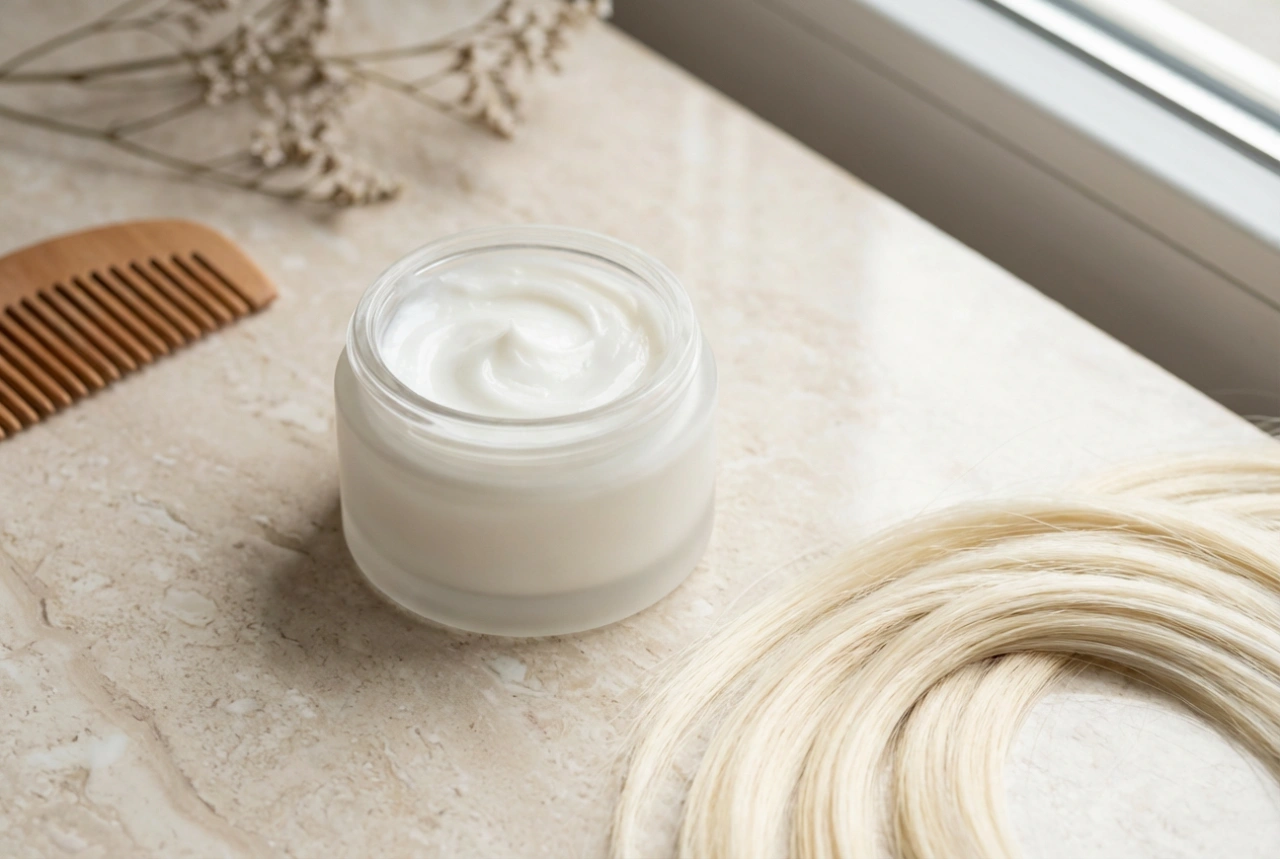
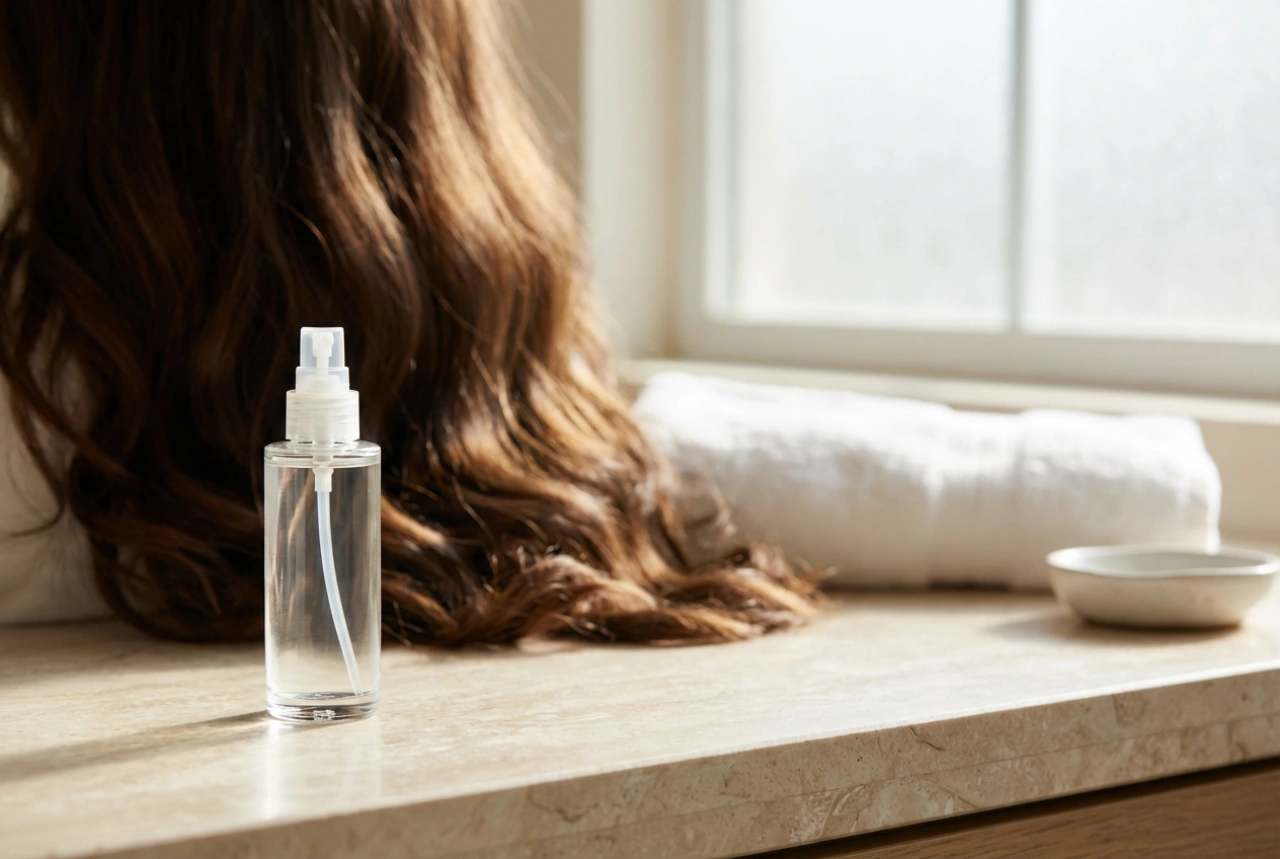
For hair that requires continuous moisture throughout the day, a leave-in conditioner is an excellent addition. These lightweight formulas are applied to damp hair after washing and are not rinsed out. They provide an ongoing barrier against environmental humidity, keeping frizz at bay from morning until night.
Deep Conditioning Masks
Once or twice a week, replace your regular conditioner with an intensive deep conditioning treatment. These products contain higher concentrations of oils and active ingredients. Leaving a mask on for fifteen to twenty minutes allows the nourishing ingredients to penetrate deeper, offering a profound moisture boost.
The Step-by-Step Guide to Correct Application
Even the most luxurious conditioner will not perform optimally if applied incorrectly. To maximise the benefits of your product and achieve that sleek, salon-like finish, follow these practical steps during your washing routine.
First, ensure you rinse your shampoo out thoroughly. Before applying any conditioner, gently squeeze excess water from your hair. Excessively wet hair will cause the product to slide off, diluting its active ingredients and reducing its effectiveness. Ideally, your hair should be damp rather than soaking wet.
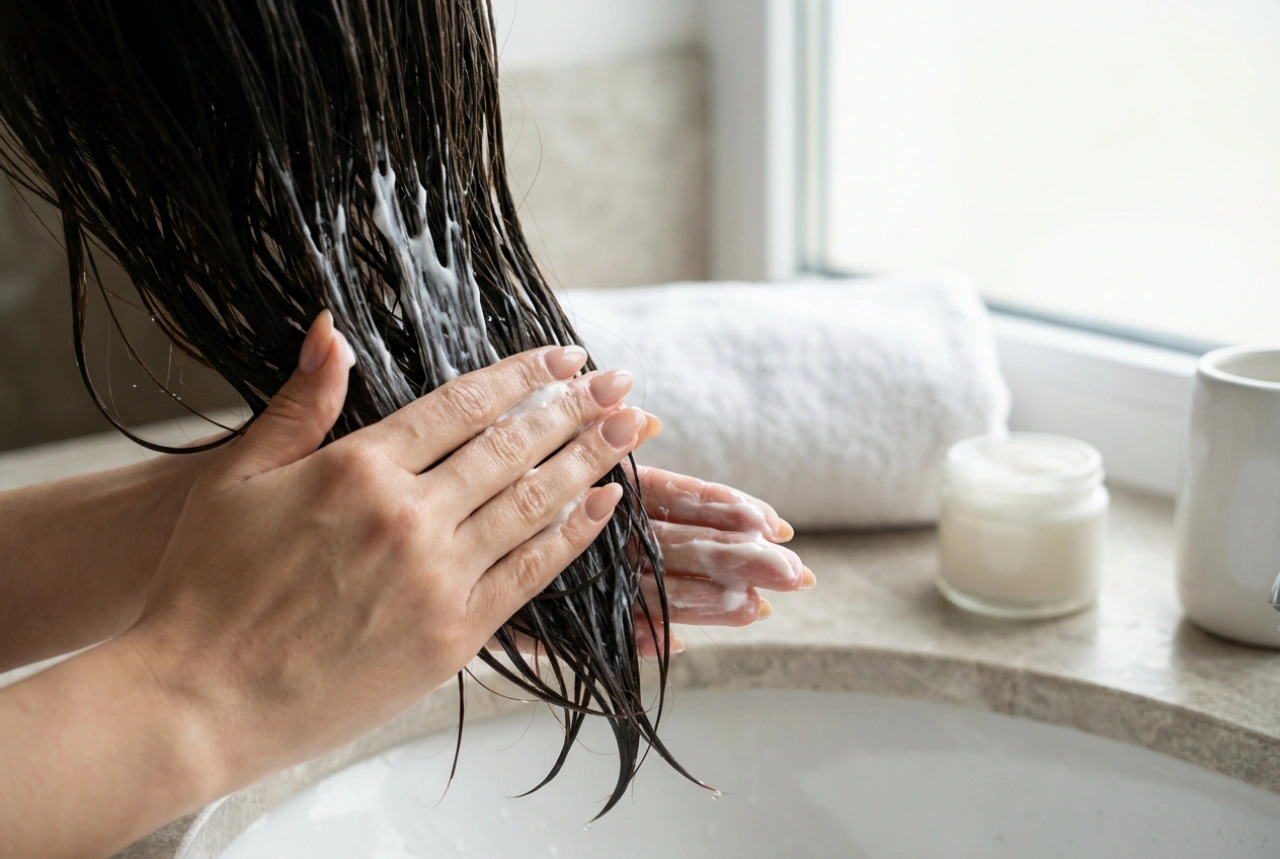
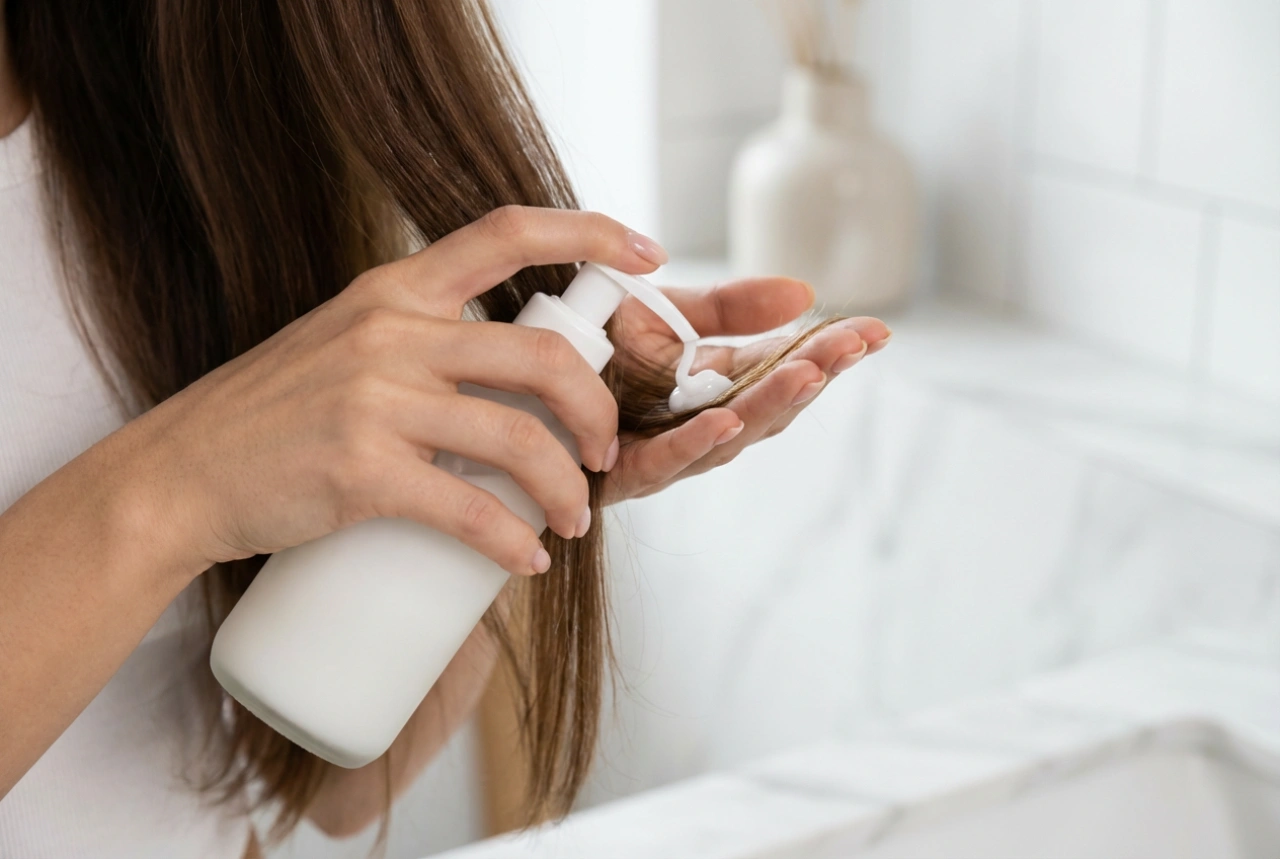
Next, dispense an appropriate amount of conditioner into your palms. Start applying the product from the mid-lengths down to the ends, focusing on the areas that are most prone to dryness. Avoid applying conditioner directly to the scalp or roots, as this can weigh down the hair and lead to a greasy appearance.
To distribute the product evenly, use your fingers or a wide-tooth comb to gently detangle your hair while the conditioner is still on. This ensures every strand is coated. Leave the product on for the recommended time—usually two to five minutes for standard conditioners—before rinsing thoroughly with cool or lukewarm water. A cooler rinse helps seal the cuticles, enhancing shine and further reducing frizz.
Complementary Habits for Smooth, Healthy Hair
While a great conditioner is your primary weapon against dryness, your daily habits play a significant role in maintaining smooth hair. Making a few simple adjustments to your post-wash routine can dramatically enhance the effects of your conditioning products.
Avoid rubbing your wet hair vigorously with a traditional cotton towel, as the rough texture can raise the cuticles and cause instant frizz. Instead, gently blot your hair with a soft microfibre towel or an old cotton t-shirt. When blow-drying, always use a nozzle attachment pointing downwards from roots to ends to encourage the cuticles to lie flat, and try to use a medium or cool air setting. Finally, sleeping on a silk or satin pillowcase reduces friction overnight, preventing tangles and preserving your hair's natural moisture.