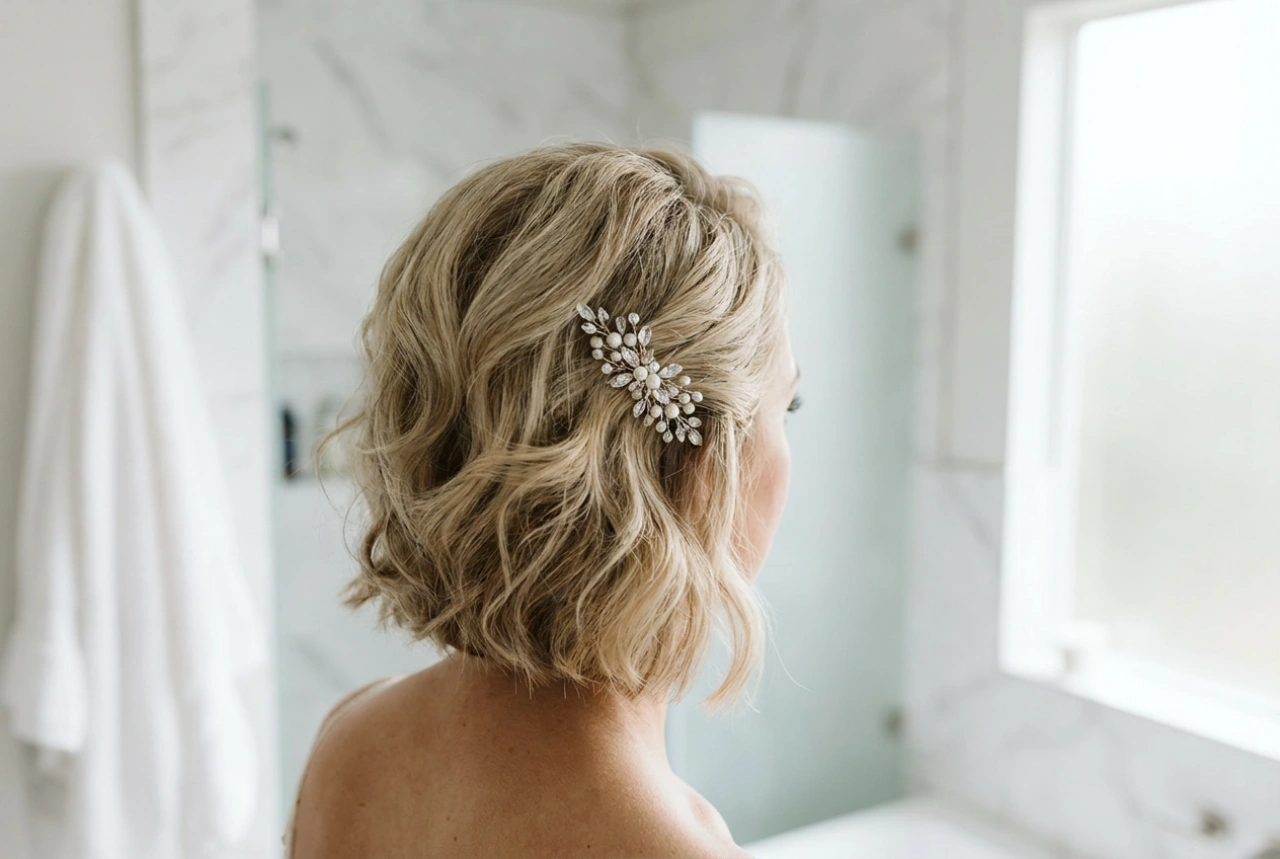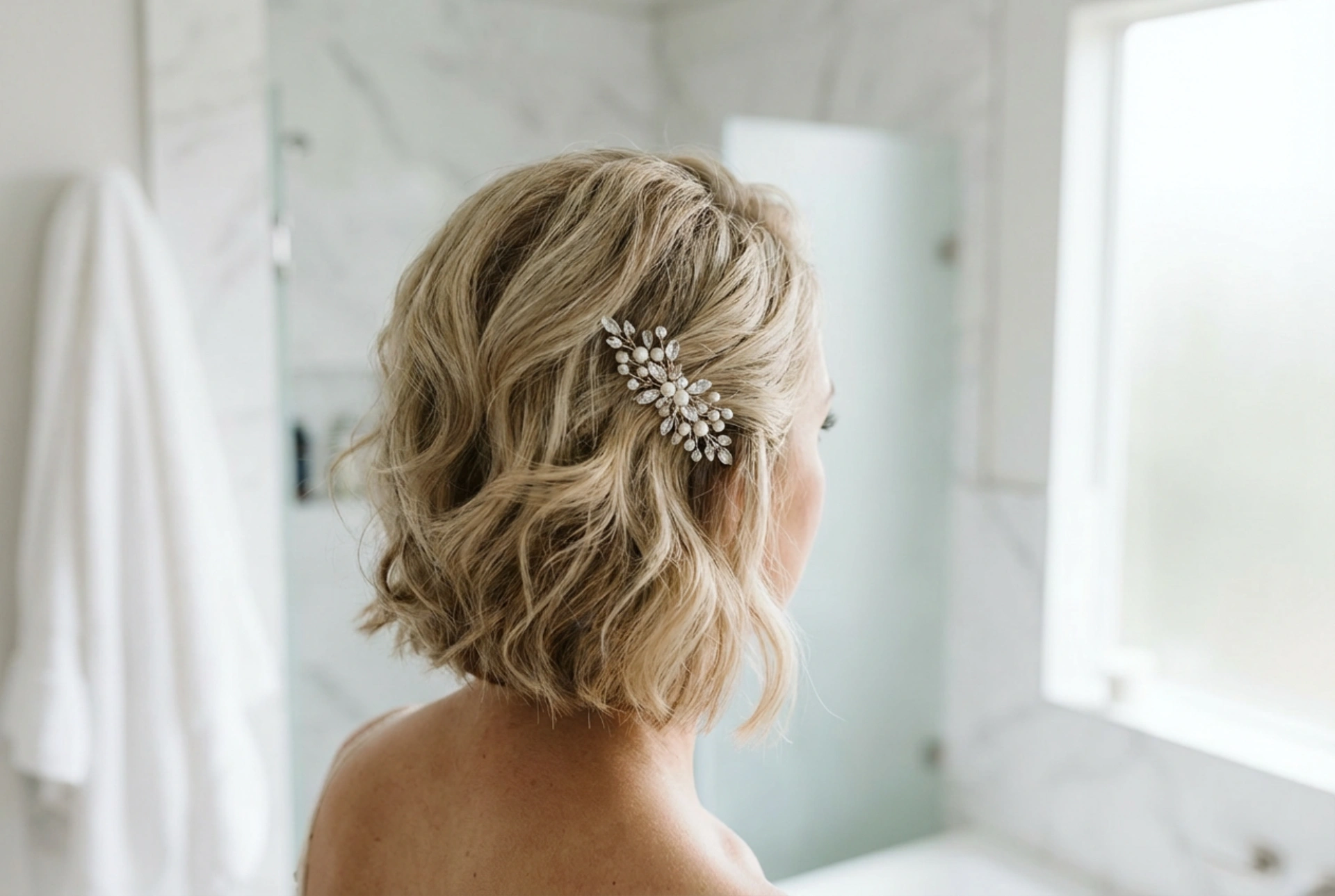


A beautifully styled, shoulder-length haircut with a soft fringe represents a timeless approach to modern beauty. This elegant, editorial look is celebrated for its versatility, offering a frame that accentuates facial features while retaining enough length for various styling options. Achieving that effortless, healthy appearance requires a combination of deliberate routine care and the right styling techniques. With the gentle touch of a styling tool and a focus on natural texture, maintaining a fresh and sophisticated look at home becomes a seamless part of your daily self-care ritual.
The Appeal of the Mid-Length Cut with a Fringe
Shoulder-length hair is often considered the ideal compromise between the ease of shorter styles and the styling possibilities of longer locks. When paired with a fringe, this haircut gains instant character and structure. Whether you prefer a soft, wispy fringe, a bold straight-cut style, or curtain bangs that gently frame the cheekbones, the combination creates a balanced silhouette. The key to making this style work lies in understanding how the fringe interacts with the rest of your hair and your face shape.
A well-maintained fringe acts as a focal point, drawing attention to the eyes and balancing facial proportions. However, because the fringe sits directly against the forehead, it is exposed to natural skin oils, moisture, and frequent touching, meaning it often requires a slightly different care and styling approach than the rest of your hair. Embracing a mindful daily routine ensures that both your fringe and your shoulder-length locks remain vibrant, shiny, and full of natural movement.
Mastering Fringe Styling Techniques
Styling a fringe can sometimes feel like an art form, but with a few simple techniques, you can achieve a polished finish every morning. The secret often lies in how you handle the hair immediately after washing, as the fringe dries much faster than the longer sections of your hair.
The Directional Blow-Dry
To avoid a split in the middle of your fringe or unwanted cowlicks, it is best to style it while it is still damp. Using a hair dryer on a medium-heat setting, direct the airflow from above. Use a flat brush or a small round brush to gently sweep the fringe to one side, then to the other, and finally straight down. This directional drying technique relaxes the roots and ensures the fringe falls smoothly and evenly across the forehead without excessive volume or stiffness.
Using Heated Tools with Care
If you prefer using a straightener or a curling wand to refine your look, always opt for a low to medium temperature setting. Because the hair around the face is typically finer and more delicate, it is highly susceptible to heat damage. Gently glide the tool through the fringe in a soft, downward curve to create a natural bend rather than a harsh, flat line. Incorporating a heat protection spray before styling is a vital step to preserve the cuticle and maintain healthy, light-reflecting shine.
Choosing the Right Styling Products
Instead of heavy creams or waxes, opt for lightweight styling mists or light-hold hairsprays. Apply these by spraying them onto a comb first, then running the comb through the fringe. This technique distributes the product evenly without creating sticky clumps, ensuring your fringe remains touchably soft, airy, and full of natural bounce throughout the day.
Customising Your Fringe to Your Hair Type
Different hair textures require tailored approaches to ensure the fringe complements your natural pattern rather than fighting against it.
Fine Hair
If you have fine hair, a heavy, blunt fringe can sometimes make the rest of your hair look thinner. Instead, a wispy or textured fringe works beautifully, adding movement and the illusion of thickness. Avoid heavy silicones that can weigh fine hair down, opting instead for volumising mists applied lightly at the roots.
Wavy and Curly Hair
For those with natural waves or curls, a fringe can add an incredibly chic, bohemian vibe. Rather than trying to straighten it flat, embrace your natural texture. Diffuse the hair on a low heat setting, using your fingers to shape the curls softly around your face. Hydration is key here, as curly fringes need extra moisture to prevent frizz and maintain their shape.
Daily Care and Maintenance of the Fringe
Maintaining a fresh look throughout the day involves managing excess moisture and oils. Because the fringe is in constant contact with your forehead, it tends to lose its freshness faster than the lengths of your hair. Implementing a few practical habits can significantly extend the life of your style.
- Avoid touching your hair: It can be tempting to adjust your fringe throughout the day, but transferring oils from your hands to your hair will quickly make it look heavy and flat.
- Isolate the wash: If you do not wish to wash your entire head of hair every day, you can easily wash just the fringe over the sink. A tiny drop of gentle shampoo, followed by a quick blow-dry, can instantly revive your entire hairstyle.
- Protect your skin: When applying moisturisers, sunscreens, or makeup to your forehead, allow these products to absorb fully into the skin before letting your fringe fall back into place. This prevents the hair from absorbing excess cosmetic oils.
Nurturing Shoulder-Length Texture
While the fringe requires specific attention, the remaining shoulder-length hair must not be overlooked. Keeping the ends hydrated and healthy ensures that the overall hairstyle looks cohesive and elegant. The ends of shoulder-length hair often brush against your shoulders, causing friction that can lead to split ends and frizz over time.
Hydration and Conditioning
Using a lightweight, hydrating conditioner after every wash is essential. Focus the product on the mid-lengths and ends, keeping it away from the roots and the fringe to prevent weighing them down. Once a week, replace your regular conditioner with a deeply nourishing hair mask to restore moisture and elasticity to the strands. Look for formulations containing natural oils and plant extracts that smooth the hair cuticle and enhance natural shine.
Trimming and Protection
Regular trims are crucial for keeping both the fringe and the shoulder-length cut in perfect shape. While a fringe may need a quick trim every few weeks to maintain its length and keep it out of your eyes, the rest of your hair should be trimmed every six to eight weeks. This consistent maintenance prevents split ends from travelling up the hair shaft, ensuring your locks always look thick, healthy, and beautifully structured.
Nighttime Protection for Lasting Style
How you care for your hair during the night directly impacts how much styling is required the next morning. Friction against traditional cotton pillowcases can cause tangles, frizz, and moisture loss. Switching to a silk or satin pillowcase provides a smooth surface that allows your hair to glide effortlessly as you sleep, preserving the shape of your fringe and the texture of your length.
For those with longer or thicker fringes, gently securing the front section with a soft, crease-free clip or a loose silk wrap can keep it in place overnight. This minimal-effort step reduces morning styling time, allowing you to wake up with hair that requires only a quick brush and a touch of styling mist to look perfectly refined and ready for the day ahead.