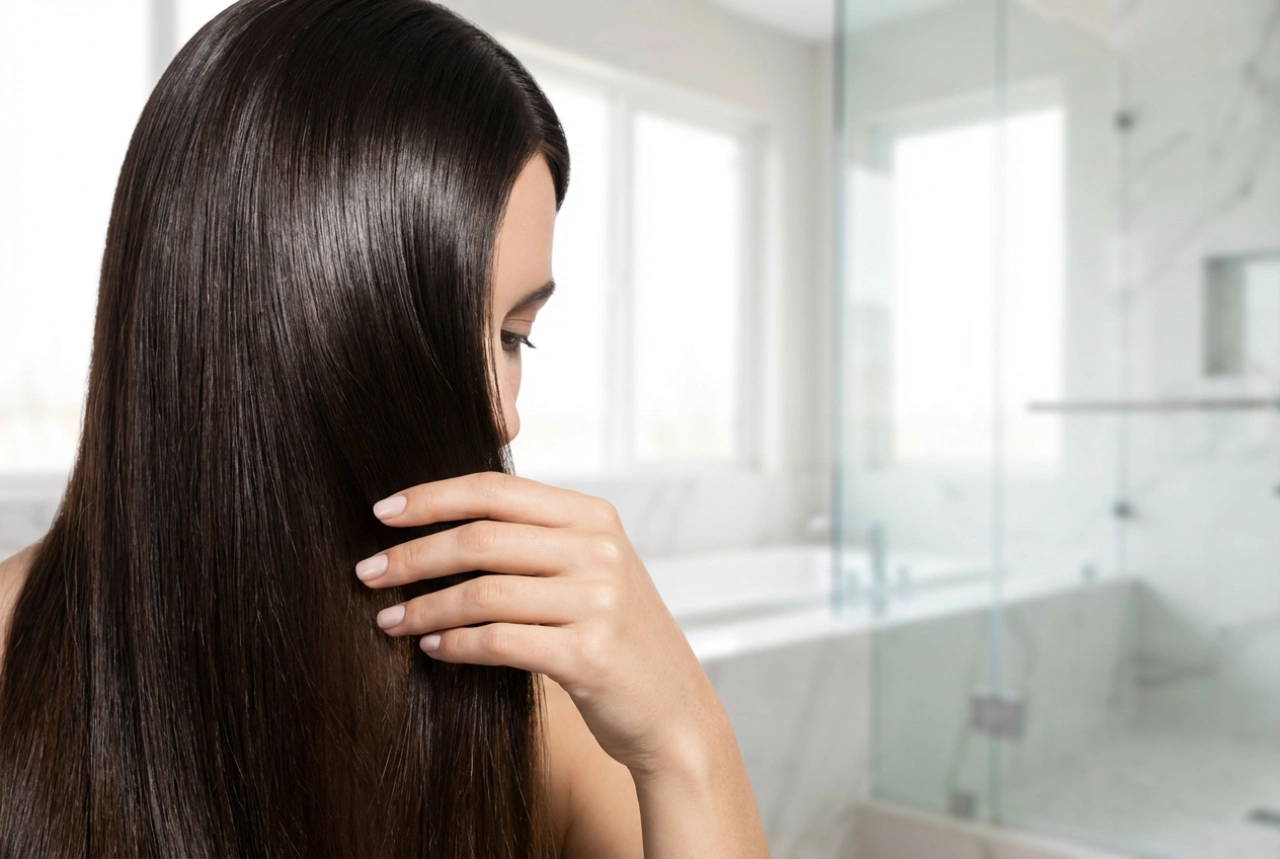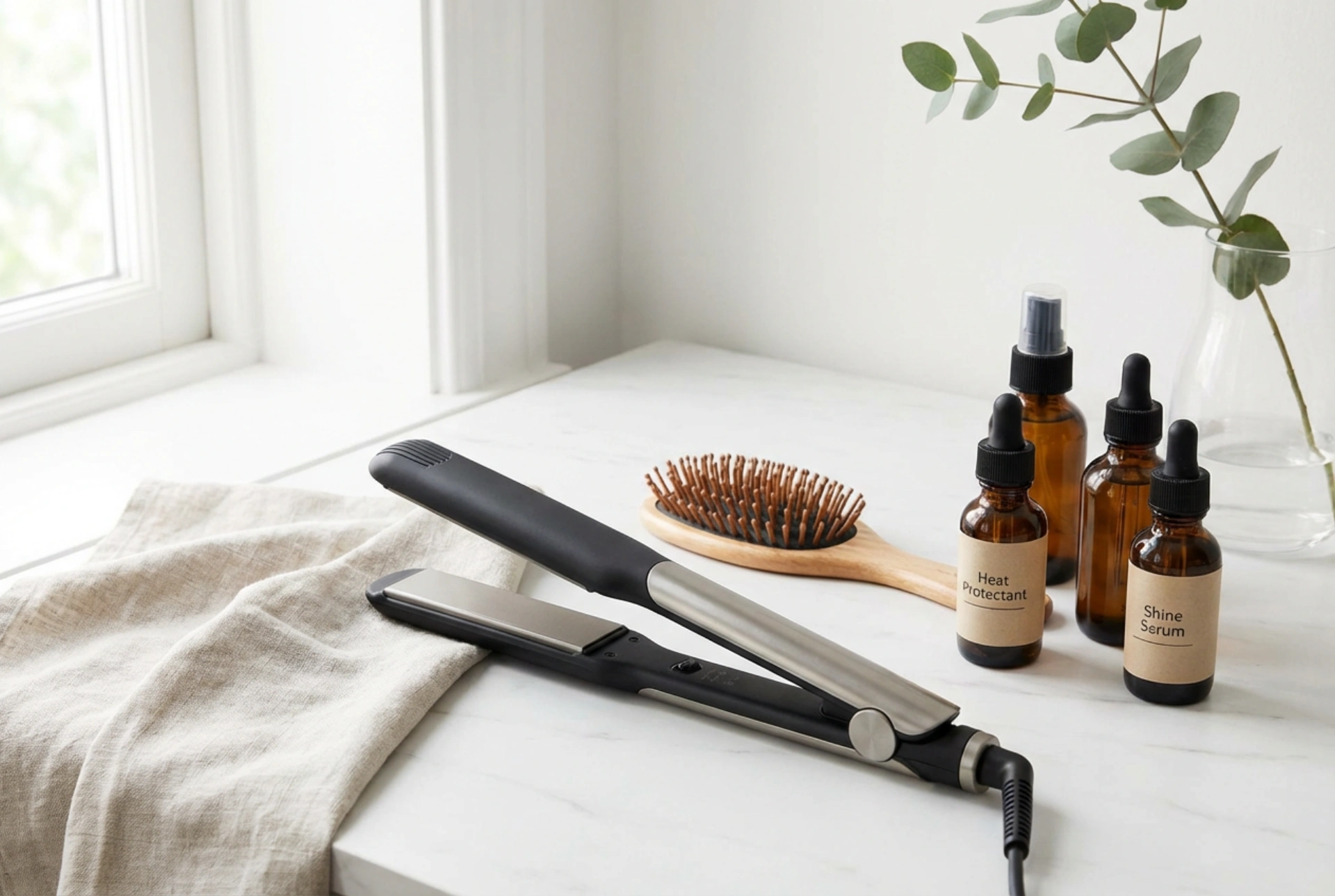


Achieving a perfectly sleek, smooth hairstyle requires more than just high heat. Modern hair styling is about balancing a polished look with the preservation of hair health. When observing a beautifully curated styling station, one often notices essential tools like a high-quality flat iron and a sturdy paddle brush, placed alongside protective sprays and finishing serums. Preparing your hair and selecting the right tools and products can make the difference between dry, damaged strands and a glossy, fluid finish that lasts throughout the day.
Selecting the Right Straightening Tools
The foundation of any successful straightening routine lies in the tools you choose. Investing in high-quality equipment is crucial for achieving smooth results while minimising physical stress on the hair cuticles.
- Flat Irons with Adjustable Temperature: Always look for hair straighteners that allow you to control the heat settings. Fine or chemically treated hair requires much lower temperatures than thick, coarse, or curly textures.
- Plate Materials: Ceramic plates distribute heat evenly and are generally gentler on normal to fine hair. Titanium plates, on the other hand, heat up quickly and are highly effective for thick, stubborn hair textures. Tourmaline-infused plates emit negative ions, which help to seal moisture and reduce static.
- The Paddle Brush: Before applying any heat, detangling is essential. A wide paddle brush is ideal for smoothing out knots gently without pulling or causing breakage. Using a paddle brush during the blow-drying phase can also pre-flatten the hair, reducing the time your hair is exposed to the flat iron.
The Power of Heat Protection
Direct heat can temporarily alter the hydrogen bonds in your hair, allowing it to be reshaped. However, without a defensive barrier, this process can lead to moisture loss and weakened keratin structures. This is where heat protectant products become indispensable.
Heat protectants work by coating the hair shaft with a lightweight, protective barrier that slows down heat conduction. This ensures the heat is distributed more evenly and prevents the moisture inside the hair from boiling and causing structural damage. You can choose from various formulations depending on your hair type:
- Sprays: Ideal for fine or oily hair as they offer lightweight protection without weighing down the volume.
- Creams and Lotions: Best suited for thick, dry, or coarse hair, providing extra nourishment and hydration alongside thermal defence.
- Serums: Great for controlling frizz and adding a sleek slip to medium to thick hair textures.
Post-Styling Care for Lasting Shine
Once the straightening process is complete, the final step is to lock in the style and add a luminous finish. Applying a small amount of post-styling product helps to shield the hair from environmental humidity, which is the primary cause of frizz and unwanted curling.
A lightweight shine serum or a natural dry oil is perfect for this stage. To avoid a greasy look, apply a few drops to your palms, rub them together to warm the product, and gently smooth it through the mid-lengths and ends of your hair. This not only enhances the glossy appearance of your styled hair but also helps to seal the cuticle, keeping the hair smooth for longer.
Top Tips for Safe Heat Styling
To maintain the health and natural elasticity of your hair over time, follow these simple, expert-approved guidelines during your styling routine:
- Never straighten damp hair: Applying a flat iron to wet or even slightly damp hair can cause water trapped in the hair shaft to turn into steam, leading to severe damage. Ensure your hair is completely dry before styling.
- Work in small sections: Straightening small, manageable sections of hair allows the plates to glide smoothly and ensures even heat distribution, meaning you will not need to pass over the same section multiple times.
- Maintain a consistent movement: Never hold the flat iron in one place. Keep the tool moving smoothly from roots to ends to prevent heat spots.