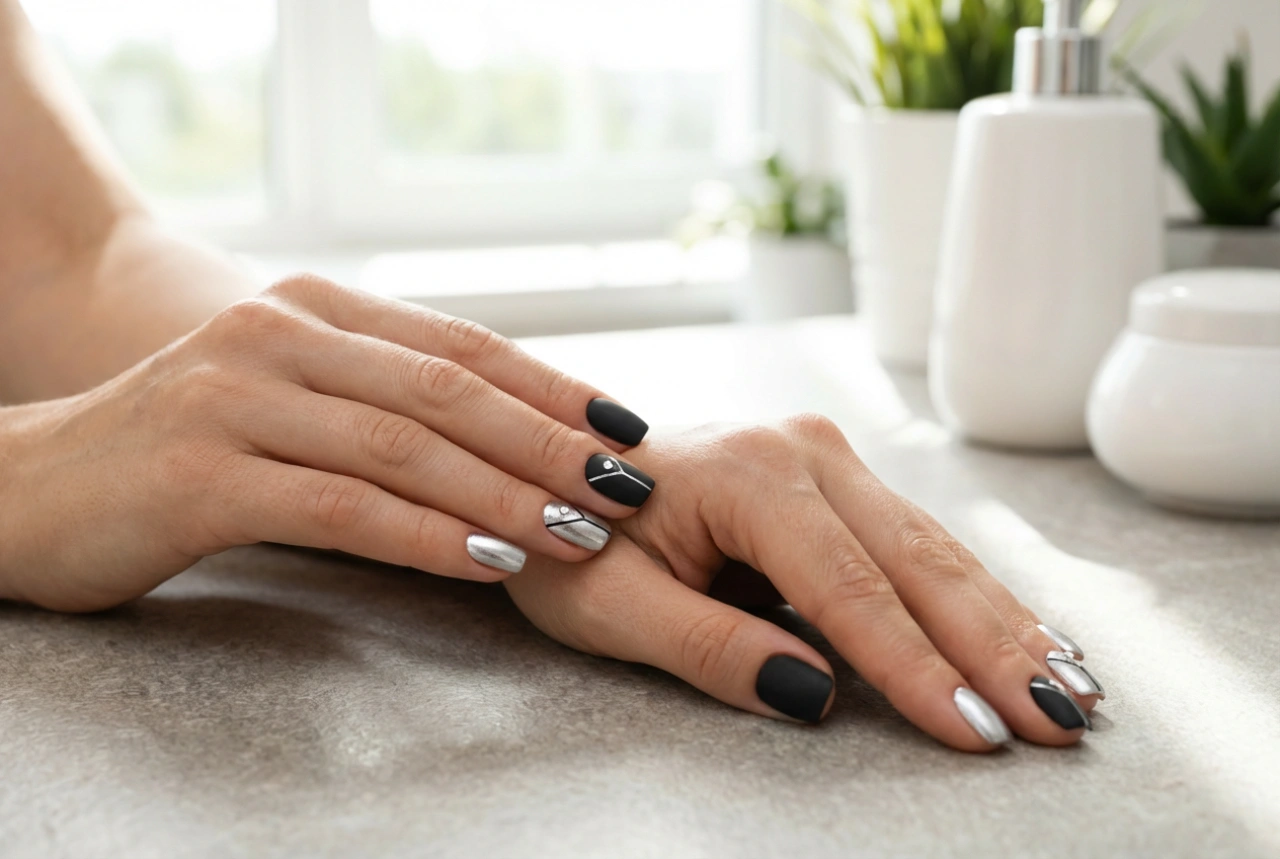


Elegant, well-maintained hands are a beautiful reflection of a thoughtful self-care routine. While modern manicures offer brilliant colour and long-lasting durability, transitioning back to natural nails after removing gel polish requires a dedicated and gentle approach. The delicate surface of the nail plate often benefits from a period of deep nourishment to restore its natural strength and resilience. Massaging a rich, nutrient-dense serum into the cuticles and nail bed, combined with a minimalist care ritual, can significantly support this recovery process, helping to rebuild the natural protective barrier of your nails.
Understanding Post-Gel Nail Plate Weakness
Gel manicures are beloved for their endurance, but the process of application, wear, and eventual removal can sometimes leave the natural nail plate feeling slightly compromised. When gel polish is dissolved or gently buffed away, the superficial layers of keratin—the natural protein that structures our nails—can become temporarily dehydrated. This often manifests as temporary brittleness, minor peeling, or a feeling of thinness when the nails are touched.
Understanding that this is a temporary state of dehydration rather than permanent damage is key. By focusing on replenishing lost moisture and providing a physical protective layer, you can encourage the natural nail to grow out strong, smooth, and resilient. Avoid the temptation to immediately apply another heavy coating; instead, give your hands the opportunity to experience a dedicated restorative phase.
A Step-by-Step Regeneration Routine
To successfully restore your nail plates to their natural beauty, consistency is highly beneficial. Here is a simple, effective step-by-step home care routine designed to revitalise your nails over a few weeks.
Step 1: Gentle Shaping and Length Control
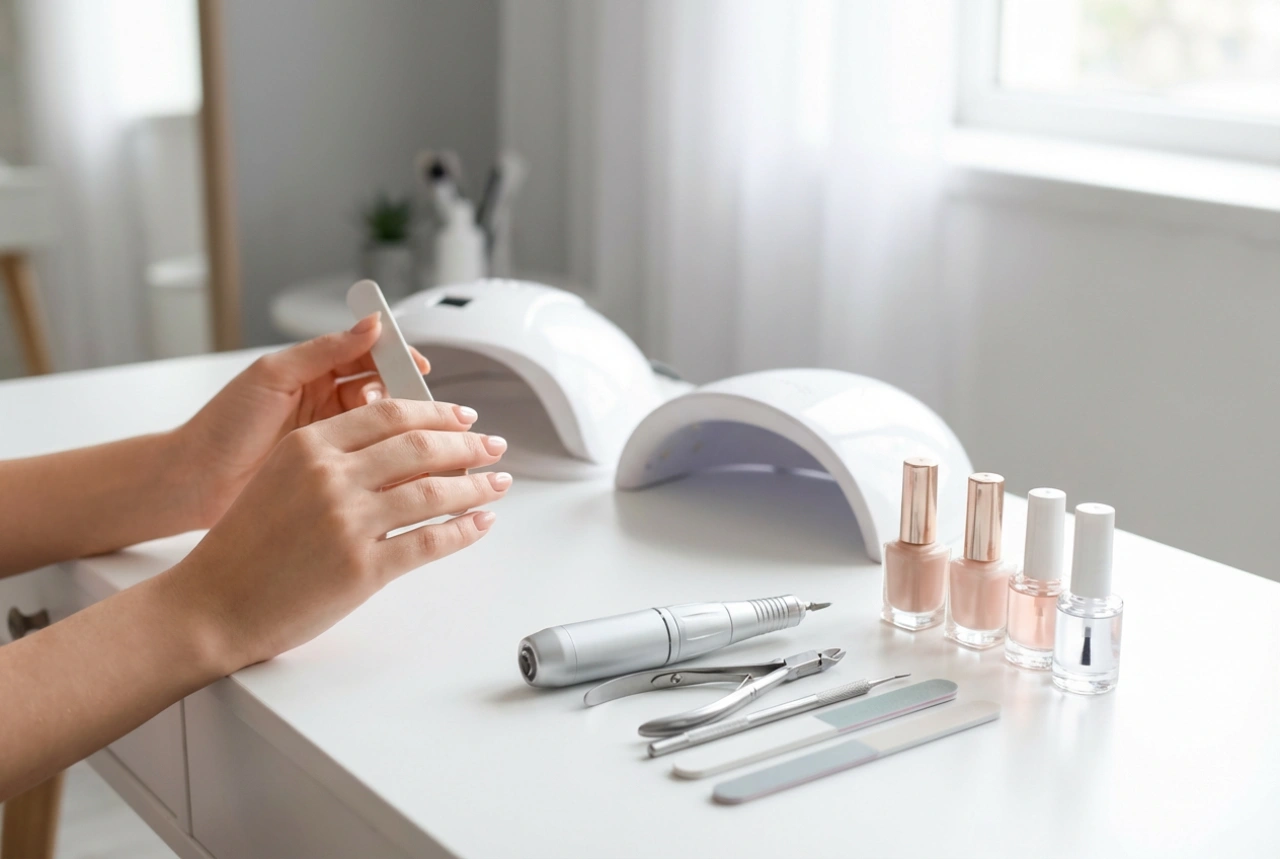
When nails are weakened, they are much more prone to catching, tearing, and splitting along the edges. The first step in your recovery journey is to trim them to a manageable, shorter length. Use a high-quality glass file or a fine-grit emery board to gently shape the nails into a soft round or squoval shape. Always file in one direction rather than using a sawing motion, as back-and-forth filing can cause micro-splits in the delicate keratin layers.
Step 2: Deep Hydration with Serums and Oils
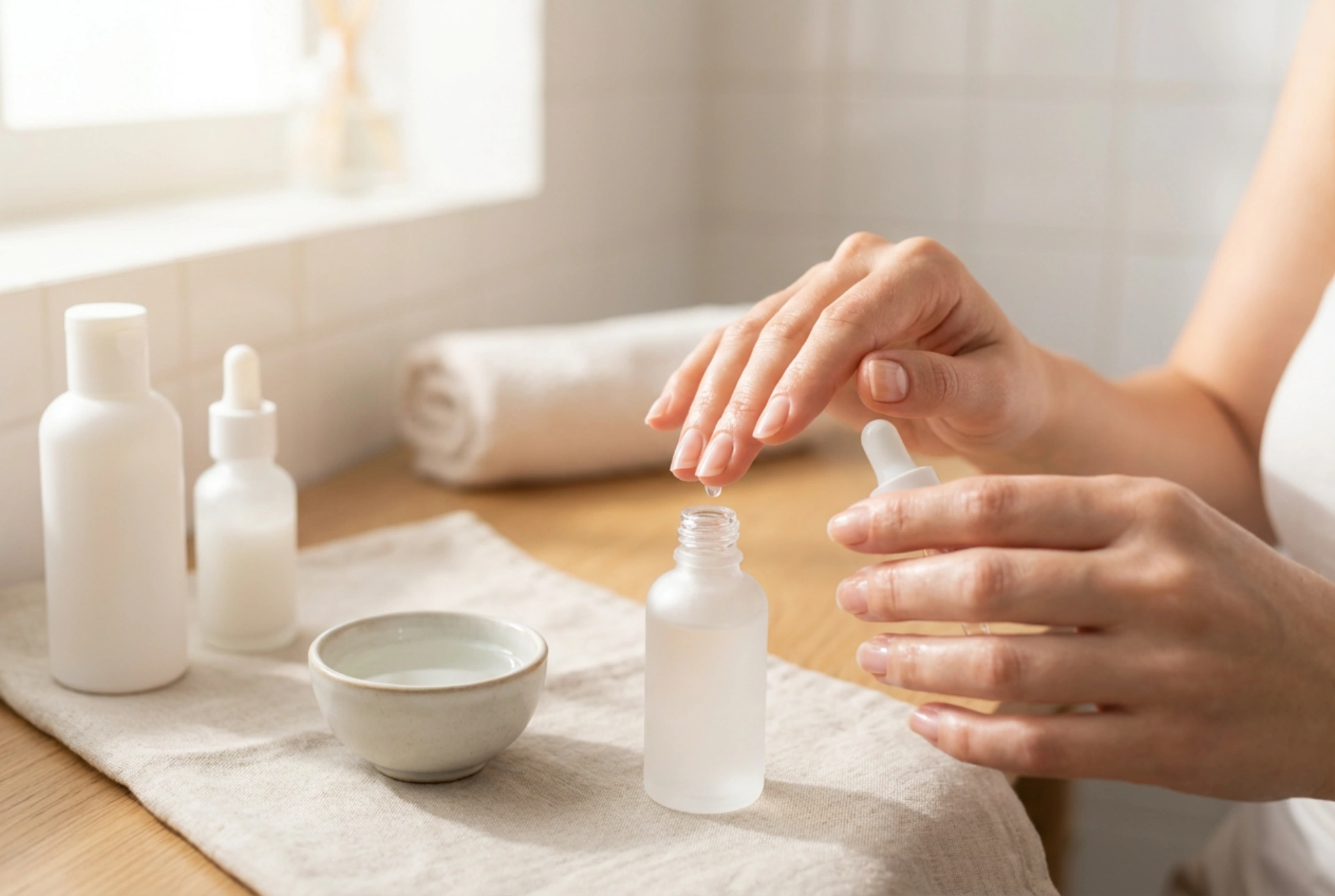
Hydration is the foundation of nail flexibility. Dry nails break, while hydrated nails bend slightly under pressure without snapping. Dedicate a few minutes each evening to massaging a nourishing oil or a specialised water-based serum into your nail plates and surrounding cuticles. This massage stimulates local blood circulation, which supports healthy nail growth from the matrix.
Step 3: Applying a Protective Conditioner
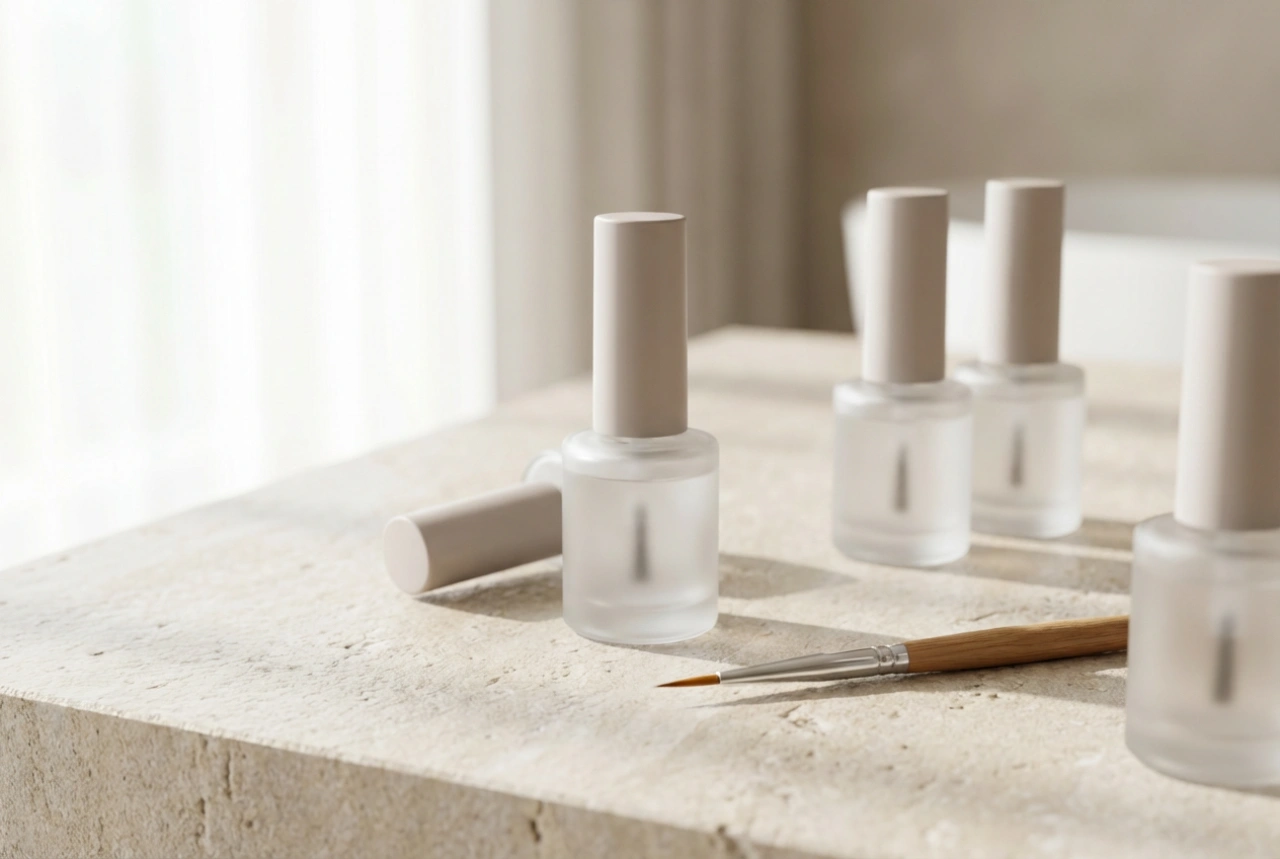
Once the natural oils have absorbed, applying a gentle, restorative nail conditioner can provide a vital protective shield. A good conditioner acts as a supportive barrier, preventing external moisture from swelling the nail plate (which can cause peeling) while locking in the nourishing ingredients you applied in the previous step. Apply a thin, even coat, allowing it to dry completely.
Key Ingredients to Look For in Home Nail Care
When selecting cosmetic products to support your post-gel recovery, reading the ingredient list can help you make the best choice for your nails. Look for formulas rich in natural, nourishing elements:
- Keratin and Amino Acids: These help to temporarily fill in micro-gaps on the surface of the nail plate, giving an immediate feeling of increased thickness and smoothness.
- Vitamin E and Jojoba Oil: Known for their exceptional moisturising properties, these ingredients soften dry cuticles and improve the elasticity of the nail plate.
- Silica and Calcium: Minerals that assist in strengthening the physical structure of the nail, making it less prone to splitting.
- Panthenol: Helps to retain moisture within the keratin layers, preventing the nails from becoming dry and brittle.
Daily Habits for Long-Term Nail Resilience
In addition to topical treatments, simple daily habits play a significant role in how quickly your nails recover. Always wear protective gloves when doing household chores, washing up, or using cleaning detergents. Water and harsh soaps can strip the natural lipids from your hands and nails, reversing the progress made by your conditioners.
Furthermore, ensure you stay hydrated and maintain a balanced diet rich in vitamins and minerals to support healthy nail growth from within. With a little patience and a consistent, gentle care routine, your natural nails will soon regain their natural lustre, strength, and elegance.