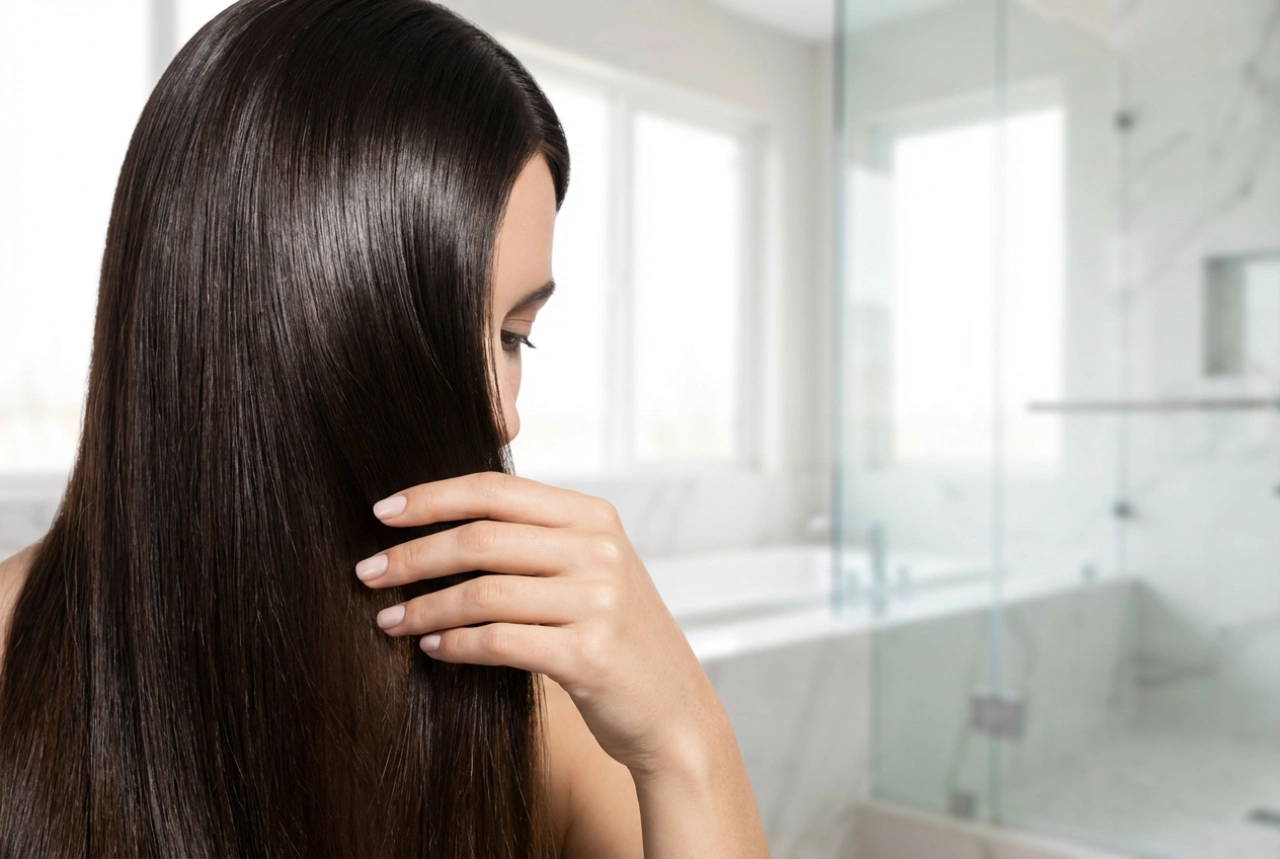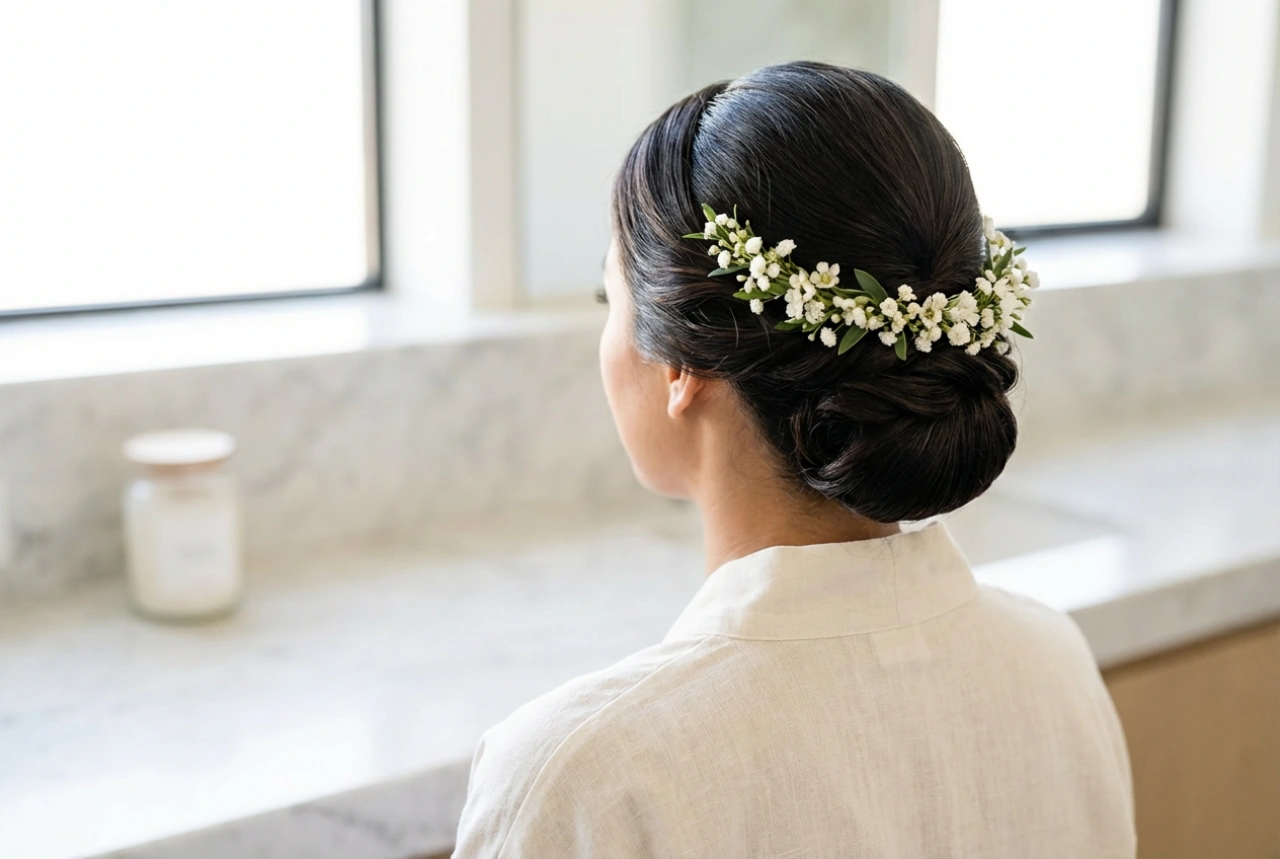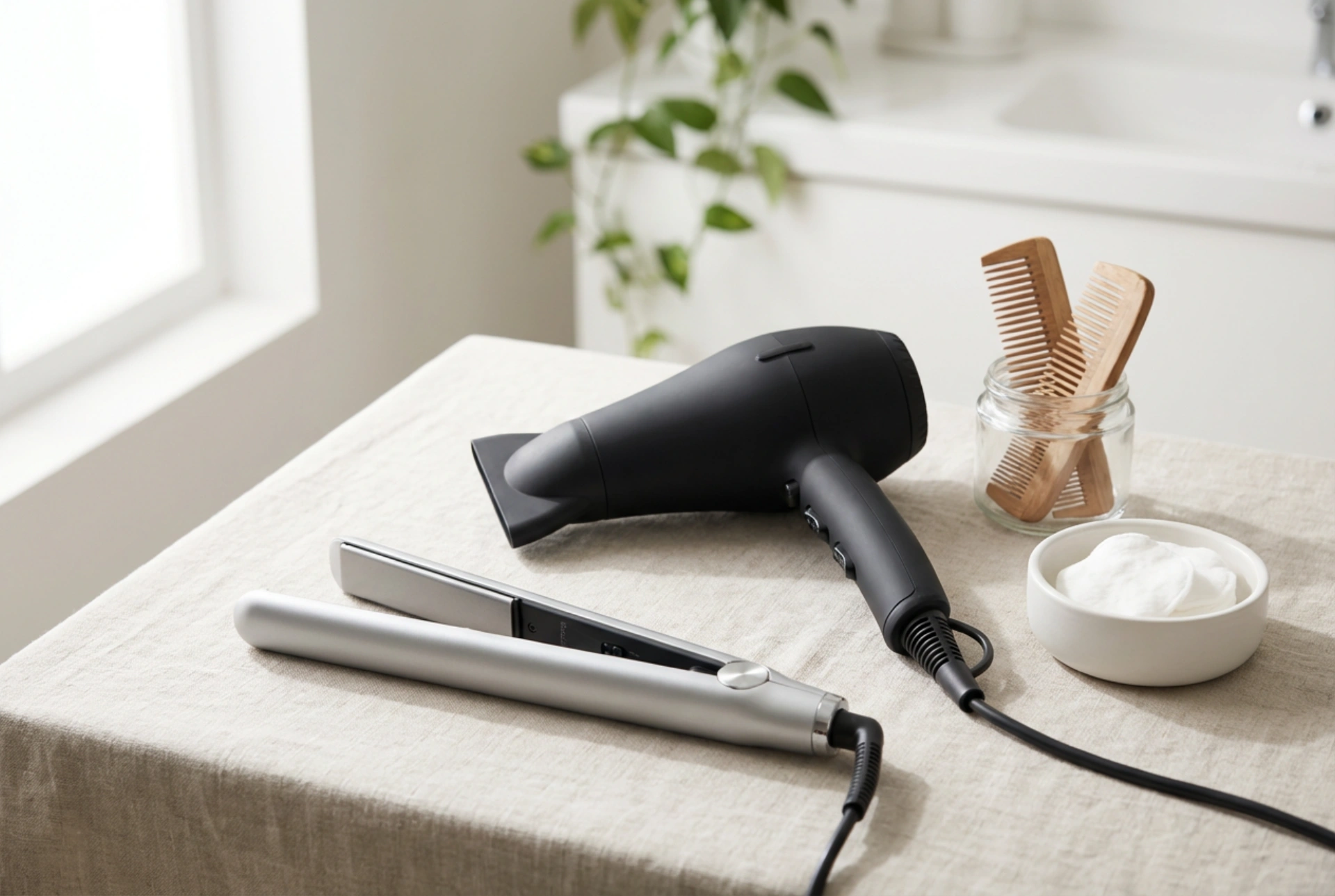


Achieving a salon-worthy blowout and a sleek, straight finish at home often relies on a methodical approach to using your styling tools. When you look at a beautifully arranged set of a matte-black hair dryer and a sleek silver straightener, it represents more than just an aesthetic vanity display. It symbolises a structured routine that, when executed correctly, can transform your tresses while preserving their natural health. Understanding how to sequence these tools, select the right temperature settings, and lock in your style is essential for anyone wishing to elevate their daily beauty ritual and maintain vibrant, glossy hair.
The Golden Sequence: Why Blow Drying Must Come First
The sequence in which you use your hair tools is paramount to preventing structural damage to the hair shaft. Wet hair is in its most vulnerable state; the hydrogen bonds are temporarily broken by water, making the strands highly elastic and susceptible to snapping. Applying the intense, direct heat of a flat iron to damp or wet hair causes the moisture inside the shaft to rapidly boil and turn into steam. This phenomenon, often referred to as thermal shock, permanently damages the cuticle and leads to severe breakage, split ends, and a dry, frizzy texture.
To avoid this, always begin your routine with a hair dryer. The primary goal of blow drying is to remove moisture gently and prepare the hair for further styling. Start by rough drying your hair on a medium heat setting, using your fingers to shake out excess water. Once your hair is approximately eighty percent dry, you can introduce a round or paddle brush to smooth the cuticles. Only when your hair is completely, one hundred percent dry should you reach for the straightener. This logical progression ensures that the hair structure is stable and ready to receive the dry, direct heat of the plates.
Finding Your Perfect Temperature Match
One of the most common mistakes in home hair styling is using a universal heat setting. Hair types vary significantly in thickness, texture, and resilience, meaning that what works for one person may cause heat damage to another. Modern high-quality hair dryers and straighteners offer adjustable temperature controls, which should be utilised to customise your styling experience and protect your delicate strands.
Fine, Thin, or Processed Hair
If your hair is delicate, fine, or has undergone colouring processes, it requires the utmost care. For blow drying, stick to cool or low-medium heat settings with a high airflow. When transitioning to the straightener, keep the temperature strictly between 120°C and 150°C. Fine hair has a thinner cortex, meaning it heats up incredibly quickly and can burn easily if exposed to excessive temperatures.
Normal, Wavy, or Medium-Textured Hair
For those with medium thickness and a standard wave pattern, a moderate approach is best. You can use medium to high heat on your hair dryer to speed up the drying process. For straightening, a temperature range of 150°C to 180°C is generally highly effective. This provides enough heat to temporarily reshape the hydrogen bonds without compromising the structural integrity of the hair fibres.
Thick, Coarse, or Curly Hair
Coarse or highly textured hair possesses a thicker diameter and requires more heat to penetrate the shaft and achieve a smooth finish. You can safely use higher heat settings on your hair dryer, ideally paired with a concentrator nozzle to direct the airflow. When using a flat iron, temperatures between 180°C and 210°C are usually necessary to achieve a sleek result. However, even with thick hair, it is advisable to start at a lower setting and only increase the heat if the hair fails to straighten in a single pass.
Essential Heat Protection Strategies
No matter your hair type, exposing your strands to temperatures exceeding 100°C requires a reliable barrier. Incorporating a heat protection product into your routine is non-negotiable. These products work by coating the hair shaft with lightweight polymers that distribute heat more evenly and slow down the conduction of heat to the inner cortex. This significantly reduces the thermal stress experienced by your hair.
- Apply on Damp Hair: Always apply your primary heat protectant to clean, towel-dried hair before you turn on your hair dryer. This ensures even distribution across all strands.
- Choose the Right Formula: Lightweight sprays are ideal for fine hair as they do not weigh it down. Richer creams, serums, or lotions work beautifully for thicker, coarser textures that require extra moisture.
- Sectioning is Key: To ensure every strand is protected, section your hair before applying the product and before using your styling tools. This guarantees that you do not miss hidden sections near the back of the head.
Locking in the Look: Holding and Finishing Techniques
Creating a beautiful style is only half the battle; ensuring it lasts throughout the day requires proper setting techniques. The way you cool your hair down plays a massive role in how well the style holds. Hair is highly malleable when warm, but it sets into place as it cools down. By mastering this transition, you can enjoy a long-lasting style without relying heavily on stiff holding products.
Many high-quality hair dryers feature a cool shot button. Once you have finished drying a section of hair with a round brush, blast it with cool air for several seconds before releasing it. This sudden drop in temperature instantly sets the shape and closes the hair cuticle, imparting a beautiful, natural shine. When straightening, allow each section to cool completely in its straight state before running your fingers or a brush through it. If you manipulate warm hair, you risk introducing unwanted waves or frizz back into the style.
To finalise your look, opt for lightweight, nourishing finishing oils or setting sprays. A tiny drop of natural oil smoothed over the ends can seal in moisture and repel environmental humidity. A light-hold hairspray, misted from a distance, can keep flyaways at bay without leaving a crunchy residue, ensuring your sleek style remains soft, bouncy, and touchable all day long.