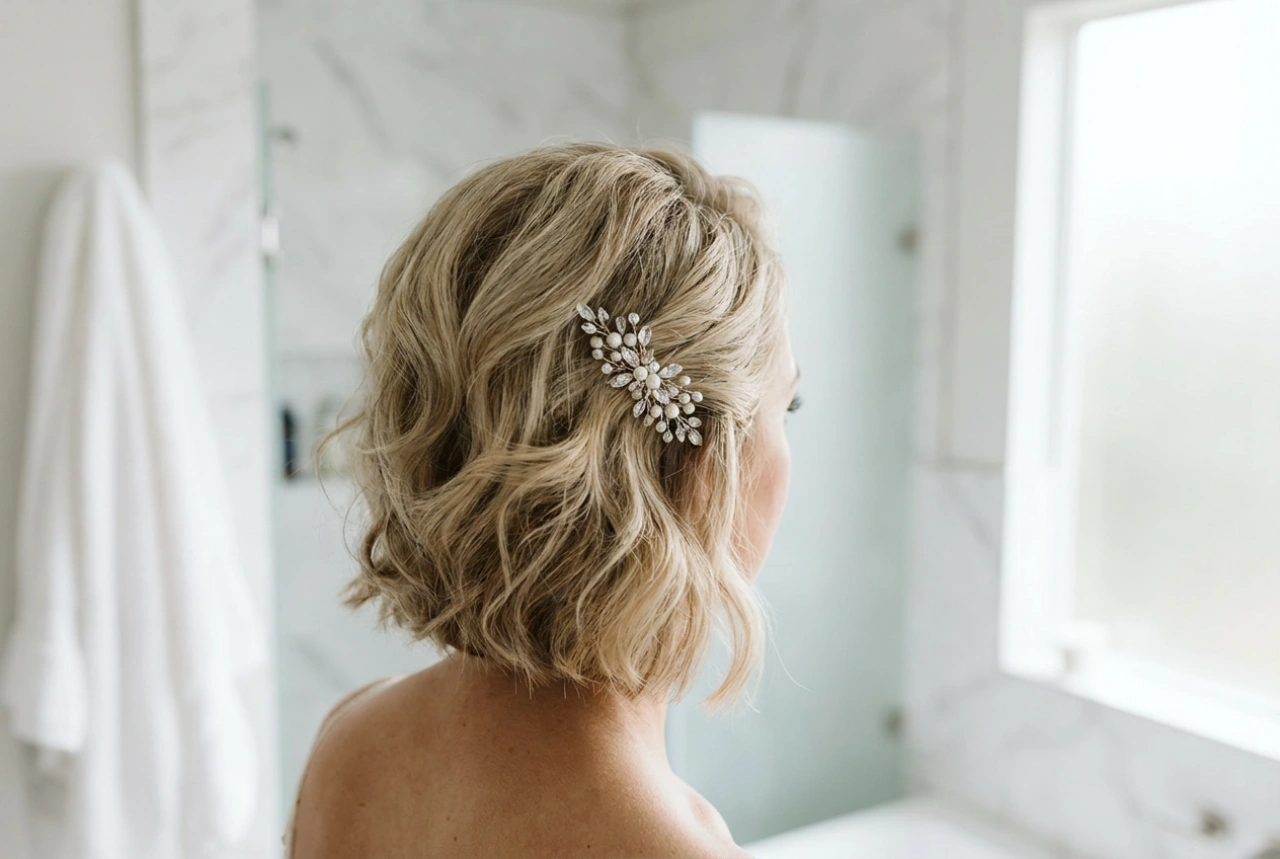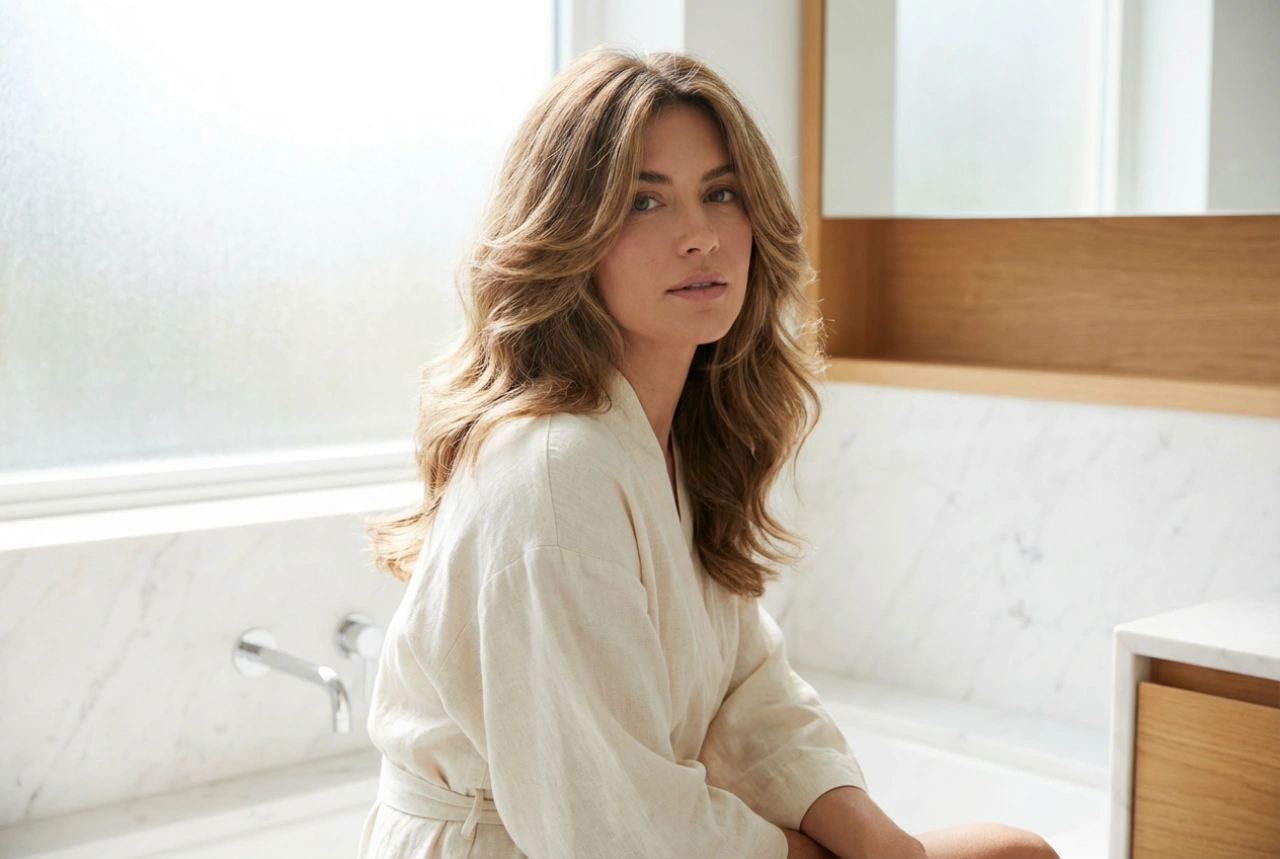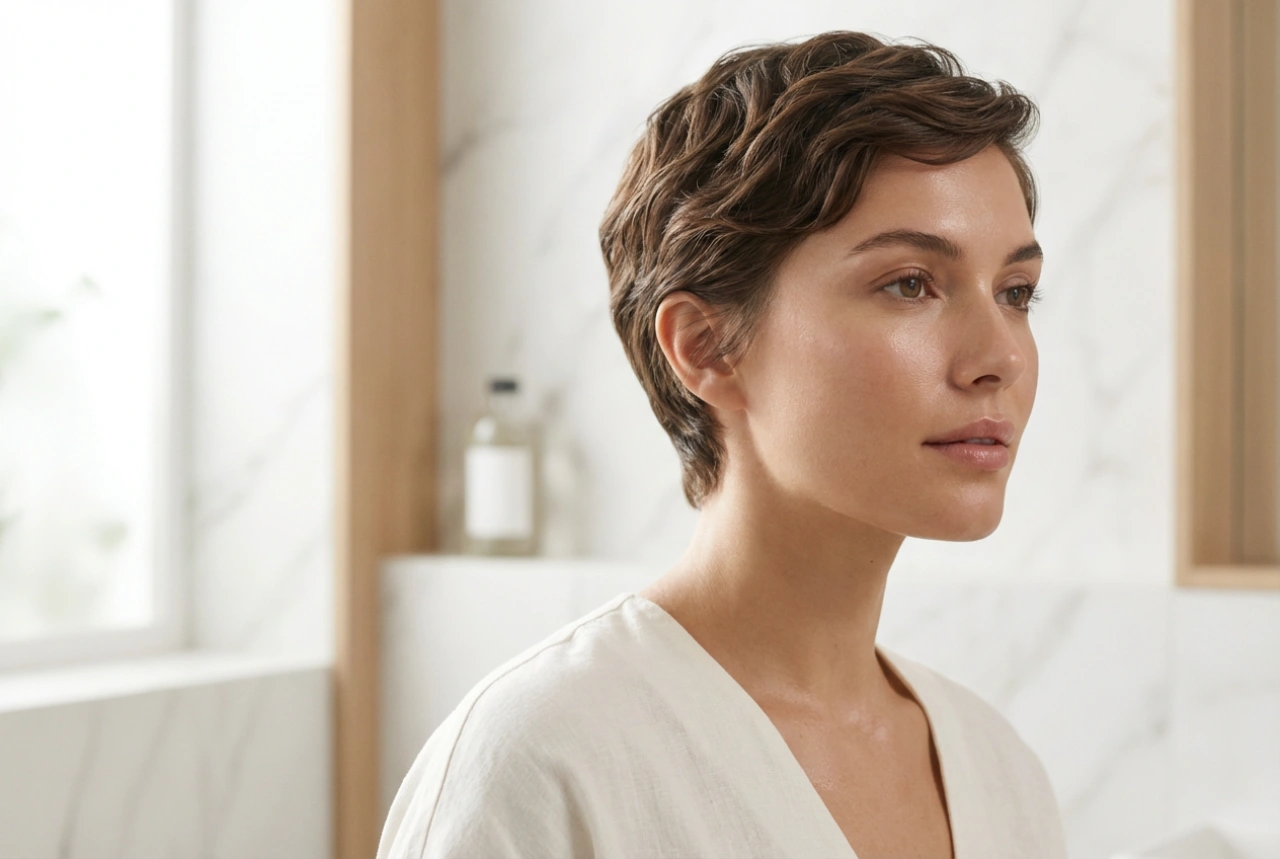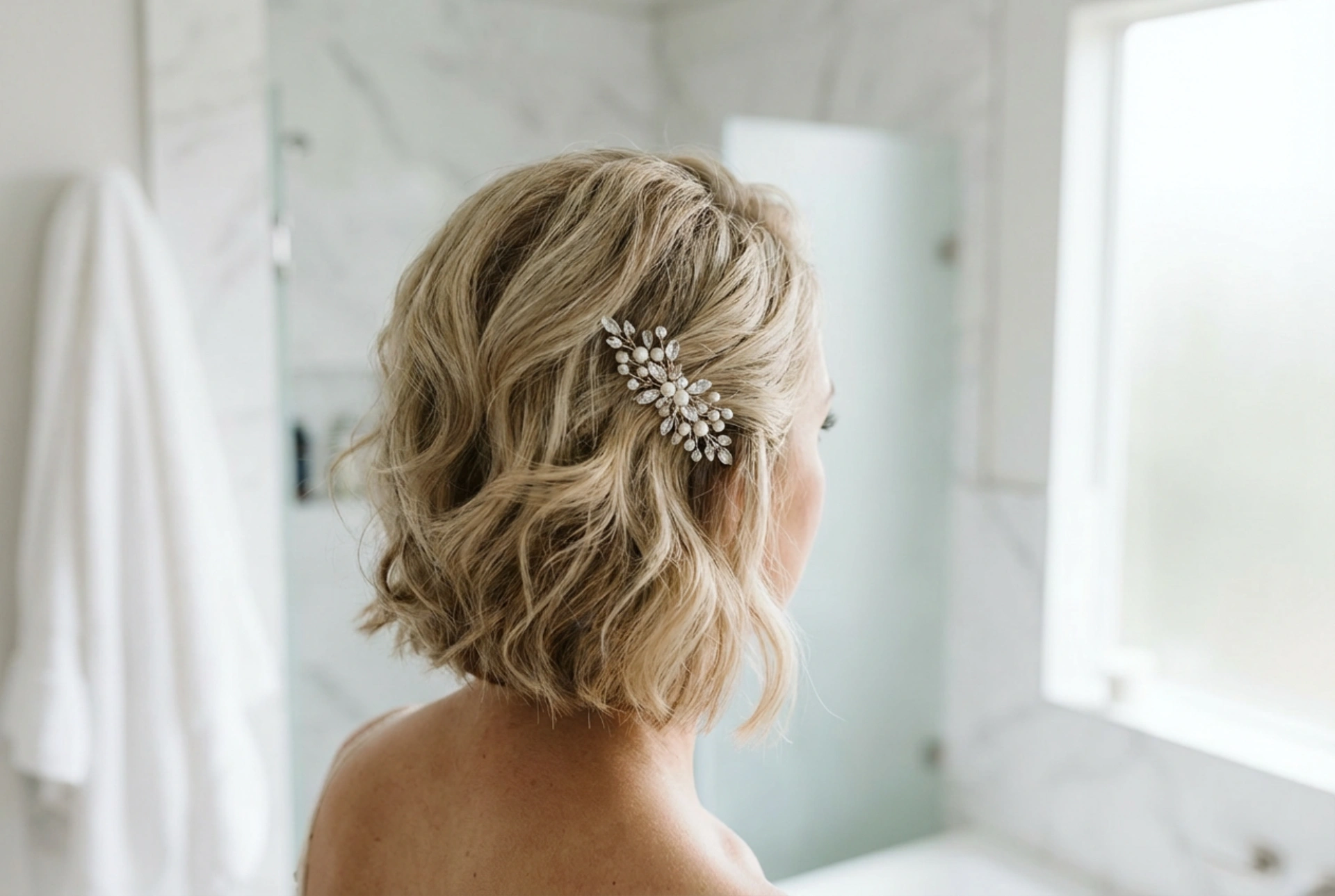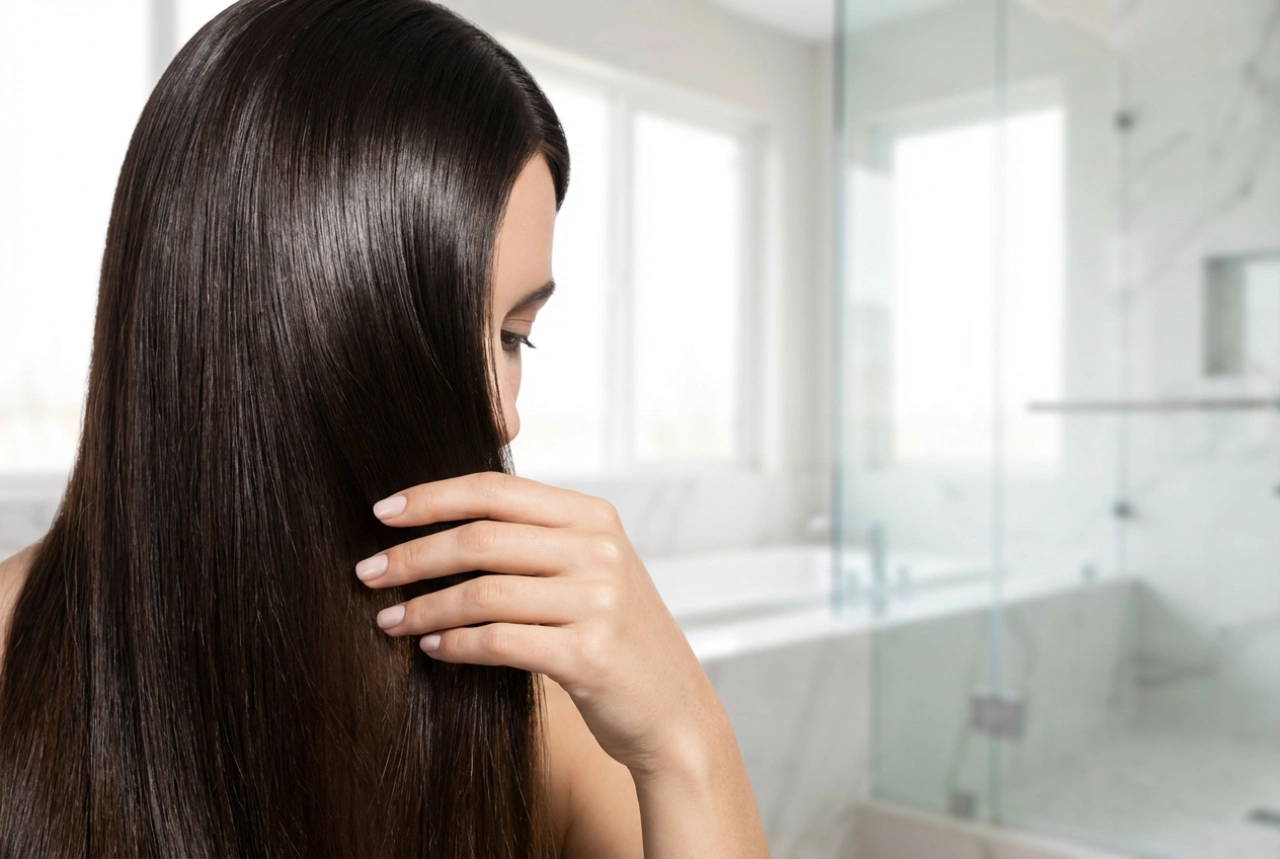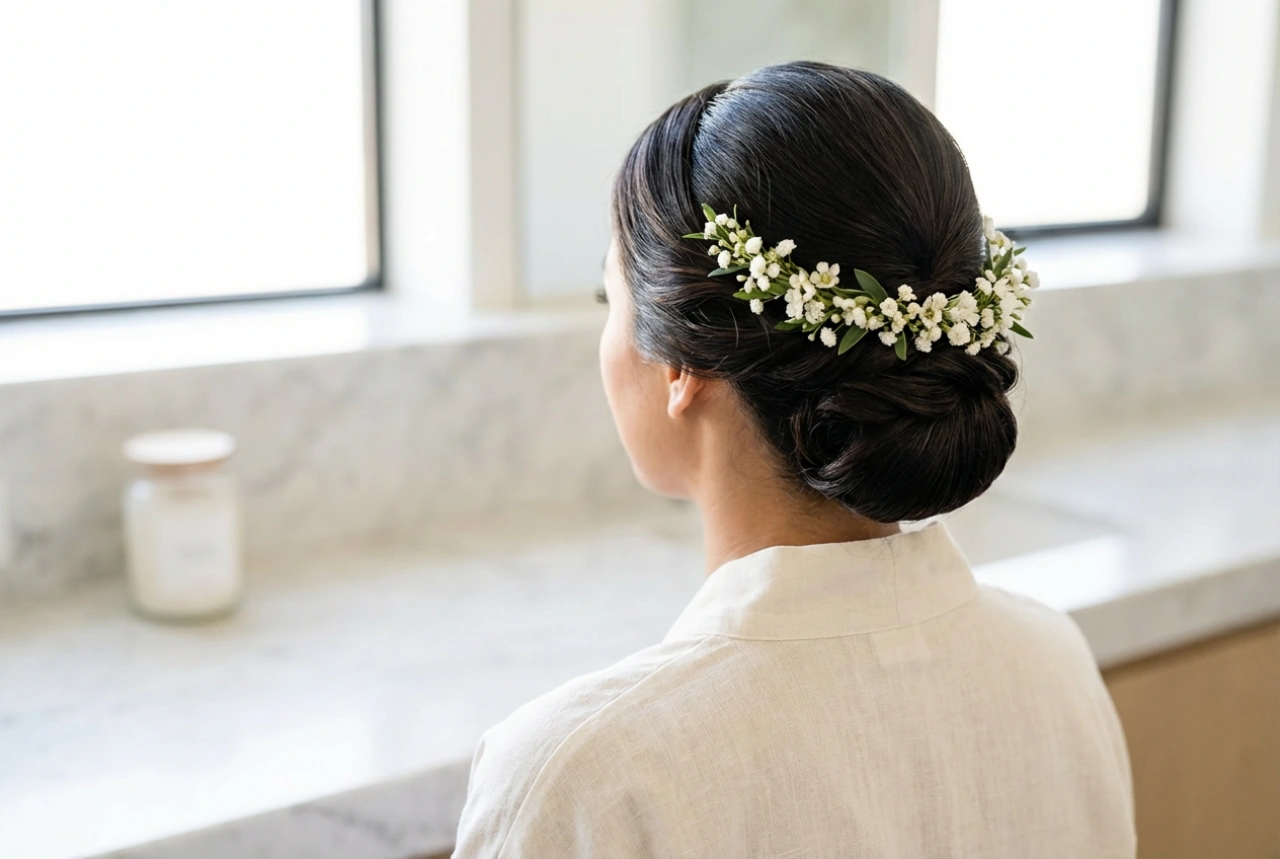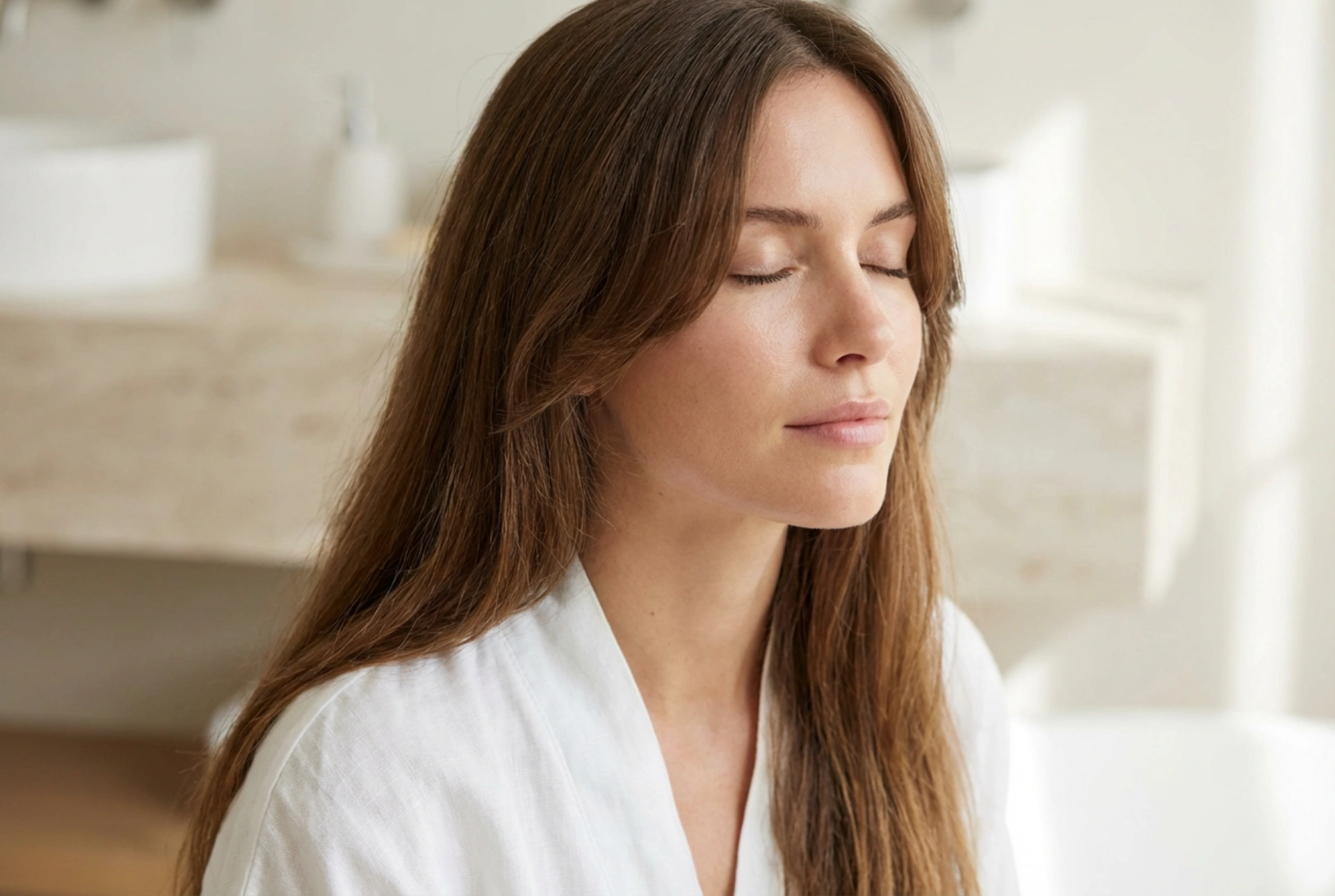


A beautifully styled frame can transform any hairstyle, adding lightness, movement, and effortless elegance to long locks. Softly cascading strands that gently hug the contours of the cheekbones and jawline create a serene, harmonious look that flatters almost everyone. This subtle touch of layering brings a natural, sunlit glow to the face, highlighting its finest features without overwhelming them. Long hair with front-facing layers is a timeless choice, perfectly blending the majesty of long tresses with the dynamic, airy flow of shorter, sculpted sections. It provides the perfect balance between length and volume, offering a versatile canvas for various everyday styles.
The Essence of Front-Layered Hair
Front layering is an artful cutting technique where the hair surrounding the face is graduated into shorter lengths, while the back maintains its full, luxurious length. Unlike a uniform block cut, which can sometimes weigh down the features and make the hair look heavy, front layers introduce movement and texture exactly where it matters most. This style is particularly favoured by those who want to refresh their look without sacrificing their beloved length.
By removing excess weight from the front sections, the hair gains natural bounce and fluidity. Every turn of the head allows the layers to catch the light, creating an elegant play of shadows and highlights. This approach is highly customisable, allowing you to choose where the shortest layer begins, whether it is at the cheekbones, the jawline, or just below the chin, to best enhance your natural bone structure.
Tailoring Layers to Your Unique Face Shape
The beauty of face-framing layers lies in their versatility. A professional stylist can adapt the starting point and angle of the layers to harmonise beautifully with different facial shapes, ensuring a bespoke result.
Round and Square Face Shapes
For those with rounder or more square faces, the goal is often to elongate the silhouette or soften defined angles. In this case, layers that begin just below the chin are highly effective. They draw the eye downwards, creating a lengthening effect. When styled with a gentle curl inward or outward, these layers sweep along the jawline, softening prominent features and adding a touch of romance to the overall appearance.
Oval and Heart-Shaped Faces
If you have an oval or heart-shaped face, you can experiment with shorter layers that begin around the cheekbones. This style highlights the eyes and emphasises the cheek areas, creating a beautifully balanced look. Shorter front layers can also mimic the soft effect of a grown-out fringe, offering a playful yet sophisticated vibe that can be tucked behind the ears for a neat, casual style.
How to Style Face-Framing Layers at Home
To keep your front layers looking bouncy, healthy, and beautifully defined, a simple home styling routine is essential. You do not need professional salon tools to achieve a gorgeous blowout; a few basic techniques will suffice.
- The Round Brush Technique: When blow-drying, use a medium-sized ceramic round brush. Focus on the front sections, wrapping the hair around the brush and directing it away from your face. This creates a classic, wind-swept curl that elegantly frames the cheeks.
- Velcro Rollers for Volume: For an easy, heat-free lift, wrap the damp front layers around large velcro rollers, rolling them backwards away from the forehead. Leave them in while you get ready, then gently unravel them for instant, bouncy volume.
- Lightweight Finishers: Always use lightweight styling products. Heavy creams or waxes can weigh down the delicate front strands, making them look flat. A touch of light hair oil or a spritz of weightless texturising spray is perfect for adding shine and holding the shape.
- Gentle Heat Protection: Because the hair around the face is often finer and more delicate, always apply a protective mist before using any styling tools to preserve its natural elasticity and shine.
The Power of Texture: Styling Options for Every Occasion
The versatility of long, front-layered hair shines through in how easily it transitions between different textures and styles. Whether you prefer a sleek, polished look or a beachy, relaxed vibe, these layers adapt beautifully to your mood.
For a sleek, modern finish, a straightening iron can be used to gently curve the ends of the layers inward, hugging the jawline. This creates a clean, sophisticated frame that looks incredibly chic for formal events or professional settings. On the other hand, if you prefer a softer, casual aesthetic, using a curling wand to create loose, outward waves will add rich texture and dimension. The layered sections will cascade effortlessly, blending into the rest of your hair while keeping the focus on your facial features.
Furthermore, front layers are a game-changer for updos and half-up hairstyles. When tying your hair back into a relaxed bun or a ponytail, allowing a few soft, layered strands to fall freely around your face instantly softens the look, turning a simple, practical hairstyle into something elegant and intentionally styled.
Maintaining the Health and Shape of Your Layers
Because the front sections of your hair are handled more frequently—whether you are tucking them behind your ears, styling them, or brushing them back—they are more prone to wear and tear. Protecting these delicate strands is key to maintaining a polished, healthy appearance.
Regular trims are highly recommended to keep the layers looking sharp and fresh. A quick trim every eight to twelve weeks is usually enough to remove dry ends and maintain the structural flow of the haircut. Additionally, focus your weekly deep-conditioning treatments on these front sections to keep them thoroughly hydrated and resilient against daily styling.