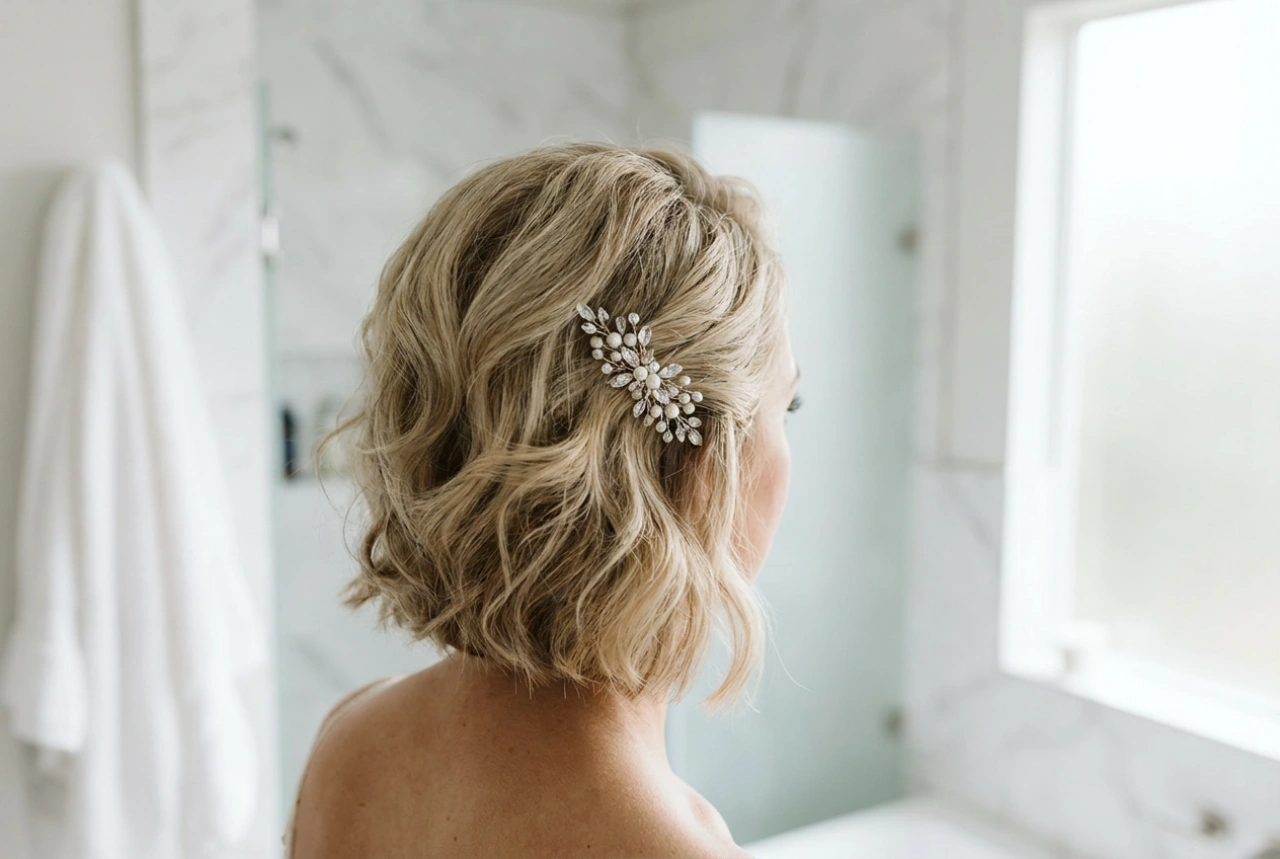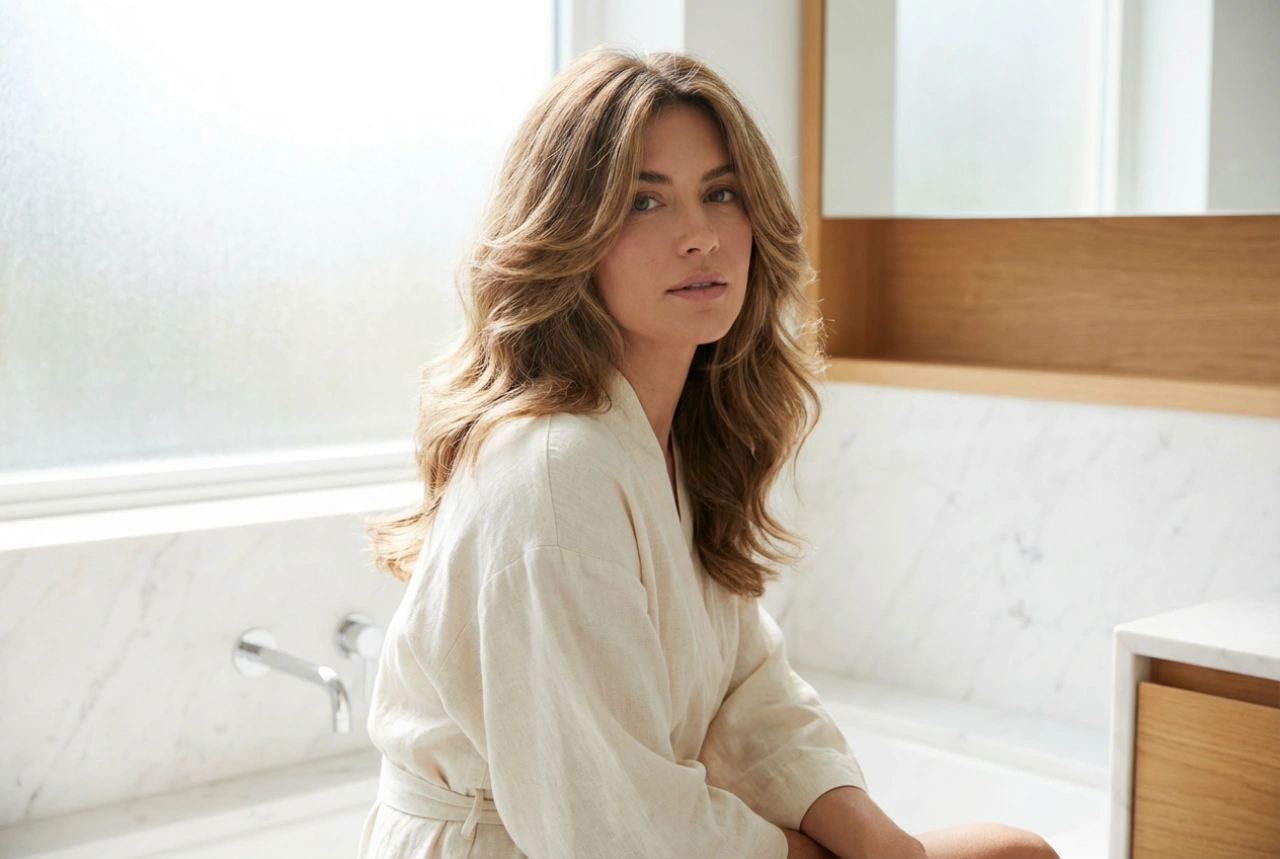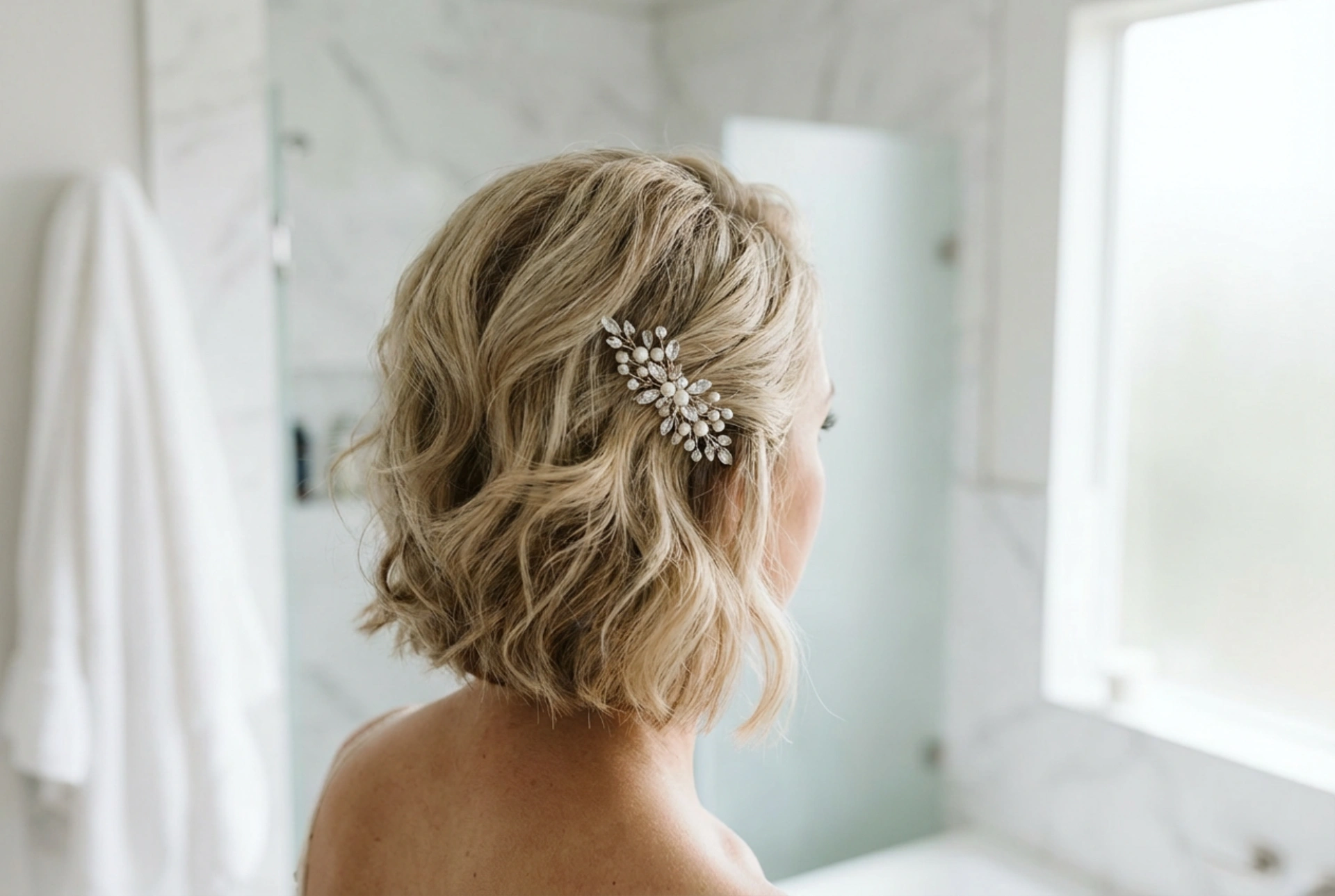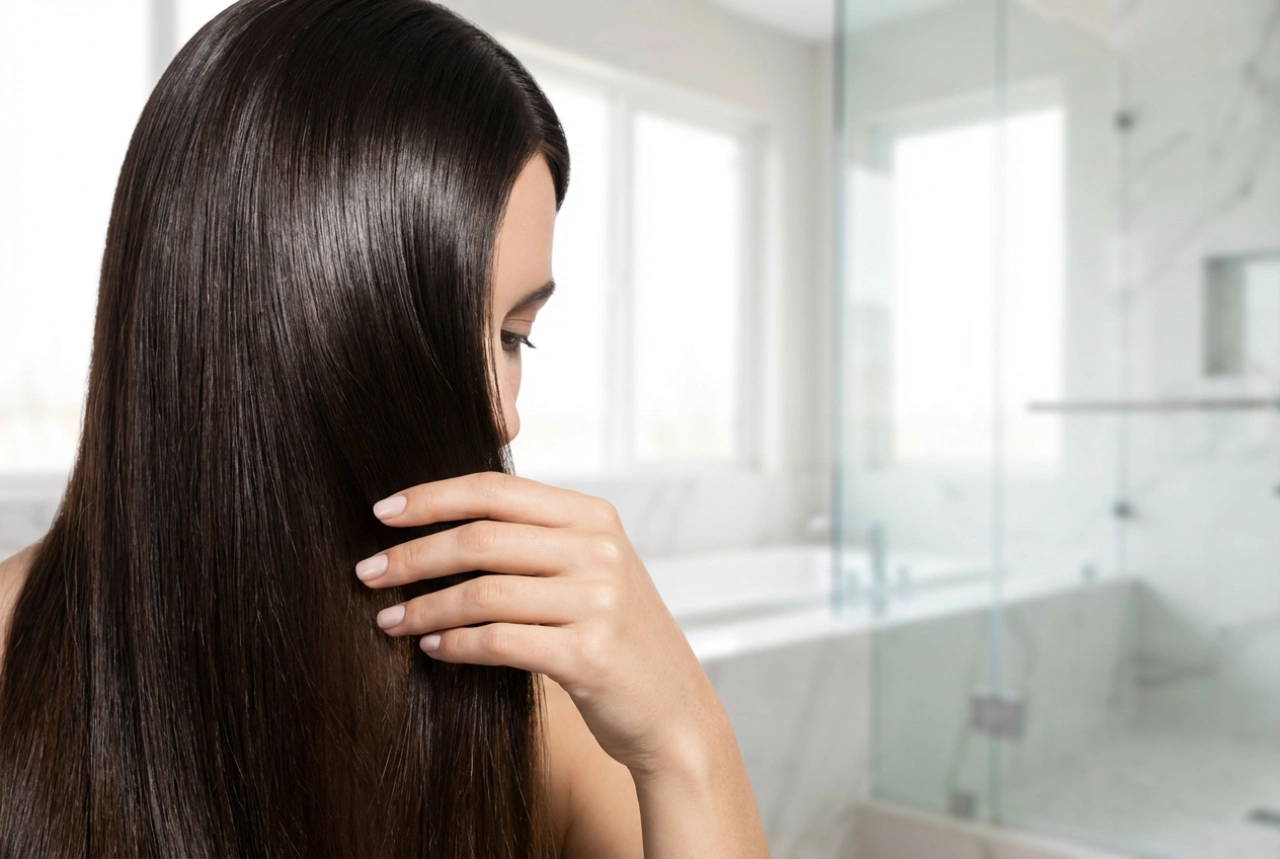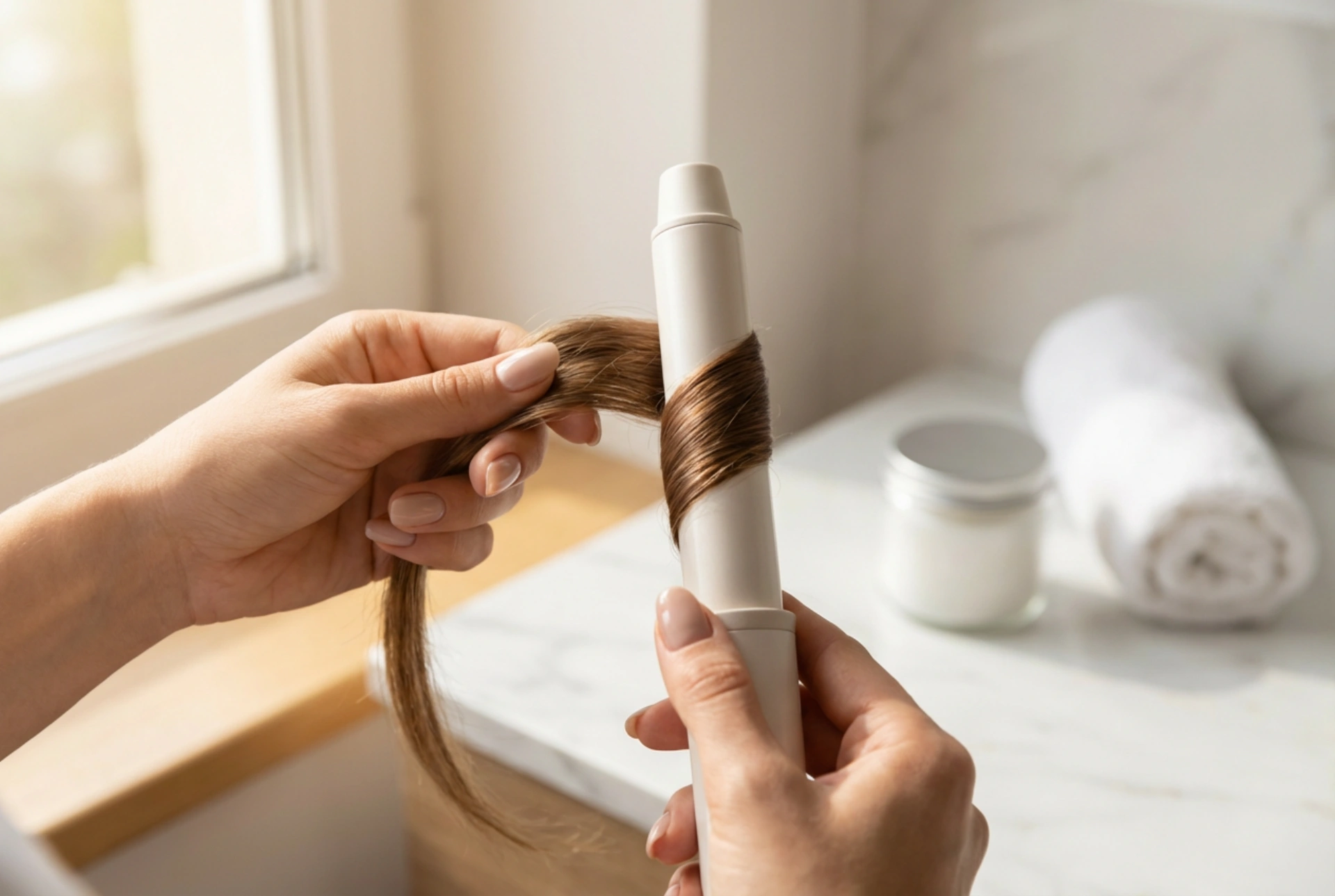


Creating beautiful, bouncy curls at home is a timeless way to elevate your everyday look or add a touch of sophistication to a special occasion. Achieving that perfect, salon-worthy finish relies heavily on mindful styling techniques that respect the health of your hair. When we watch elegant hands delicately styling soft, glossy locks with a modern curling iron, the focus is always on a gentle, deliberate approach that enhances the hair's natural shine rather than compromising its structure. To replicate this effortless elegance, one must understand how to harmonise three essential factors: the barrel size of your styling tool, the heat setting used, and the precise technique applied to each section of hair.
Choosing the Perfect Barrel Size for Your Desired Look
The diameter of your curling iron, often referred to as the barrel size, is the primary factor determining the shape and volume of your curls. Selecting the right size ensures that your styling efforts yield the exact aesthetic you desire, whether that is tight, structured ringlets or loose, breezy beach waves.
Small Barrels (10 mm to 19 mm)
Smaller barrels are ideal for creating tight, defined curls and corkscrews. They are particularly beneficial for those with naturally curly hair who wish to define specific sections or add uniform texture. If you have fine or straight hair, a smaller barrel can also provide exceptional hold, ensuring that your curls do not drop throughout the day.
Medium Barrels (25 mm)
Often considered the industry standard, the 25 mm barrel is incredibly versatile. It is suitable for almost all hair lengths, especially medium-to-long locks. This size creates classic, bouncy curls that can be easily brushed out into soft, romantic waves, offering a balanced look that is neither too tight nor too loose.
Large Barrels (32 mm and Above)
For those aiming for voluminous, Hollywood-style waves or a subtle, natural bend in the hair, large barrels are the perfect choice. These wider barrels work exceptionally well on long hair, adding body, movement, and a gentle curve to the hair ends. However, they may not hold as well on very fine or straight hair without appropriate styling preparation.
Adjusting the Temperature for Hair Safety
Heat styling should never be a one-size-fits-all process. Modern curling tools offer adjustable temperature settings for a reason: different hair textures and conditions require varying levels of heat to lock in a style without causing thermal damage.
- Fine, Bleached, or Fragile Hair (120°C to 150°C): Delicate hair fibres are highly susceptible to heat damage. When styling fragile or chemically treated locks, always keep the temperature on the lowest effective setting. This preserves the structural integrity and moisture levels of the hair.
- Normal or Medium-Thick Hair (150°C to 180°C): Healthy hair with average thickness can safely withstand moderate heat. This temperature range is highly effective for setting long-lasting curls without stripping away natural hydration.
- Thick, Coarse, or Coily Hair (180°C to 200°C): Coarser hair strands require slightly higher temperatures to alter their shape effectively. However, even with thick hair, it is wise to avoid exceeding 200°C to prevent dry, brittle textures and long-term damage.
A golden rule of mindful heat styling is to always ensure your hair is completely dry before introducing any thermal tool. Applying heat to damp or wet hair causes moisture inside the shaft to boil, leading to irreversible structural damage.
Mastering the Right Curling Techniques
The way you wrap and hold your hair around the barrel plays a crucial role in the final texture and direction of your style. By experimenting with different methods, you can completely transform the character of your curls.
The Flat Wrap vs. The Twist Wrap
For maximum volume and a wider, more traditional curl, use the flat wrap technique. Keep the section of hair completely flat as you wind it around the barrel, ensuring the hair fibres lie smoothly against the heated surface. If you prefer a more textured, modern beach wave, try the twist wrap. Twist the section of hair gently before and during the wrapping process. This minimises volume at the roots and creates a relaxed, lived-in texture.
Direction of the Curl
To create a flattering, face-framing effect, always wind the sections of hair away from your face. For the rest of your hair, alternating the direction of the curls—some wound towards the face and others away—prevents the curls from clumping together into one solid mass, resulting in a much more natural, dynamic appearance.
Vertical vs. Horizontal Alignment
Holding your curling iron vertically produces elongated, loose waves with plenty of movement. Conversely, holding the tool horizontally creates maximum volume at the roots and a more structured, classic curl pattern. Selecting the right orientation allows you to tailor the silhouette of your hairstyle to your personal preference.
Post-Styling Care and Longevity
Once you have curled each section, resist the immediate temptation to touch or brush through the hair. Allowing the curls to cool down completely is essential for setting the style. While the hair is cooling, the hydrogen bonds inside the hair shaft reform into their new shape. Brushing through warm curls will inevitably cause them to lose their definition and drop prematurely.
After the hair has cooled to the touch, gently run your fingers or a wide-tooth wooden comb through the curls to soften them. This step blends the sections seamlessly, creating a cohesive, touchably soft look that radiates health, vitality, and effortless beauty.