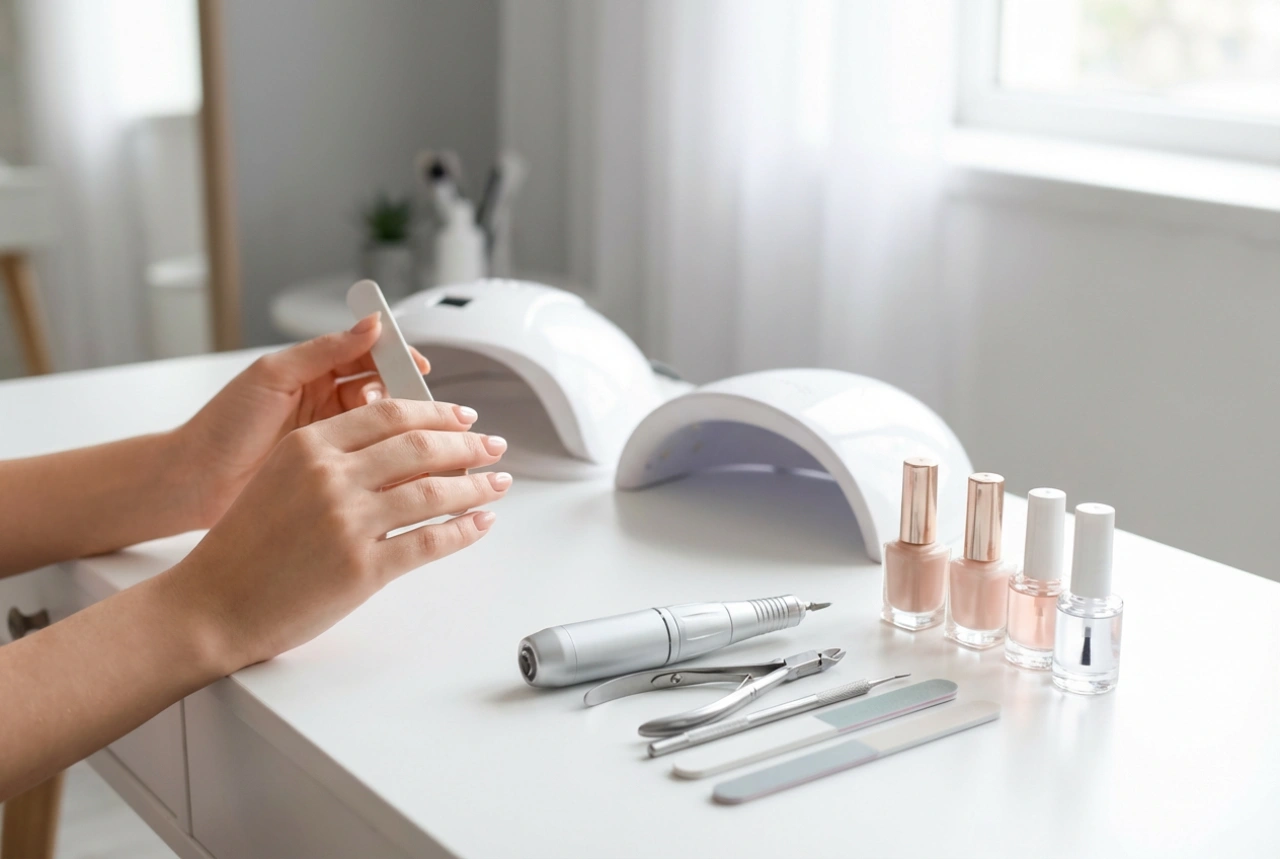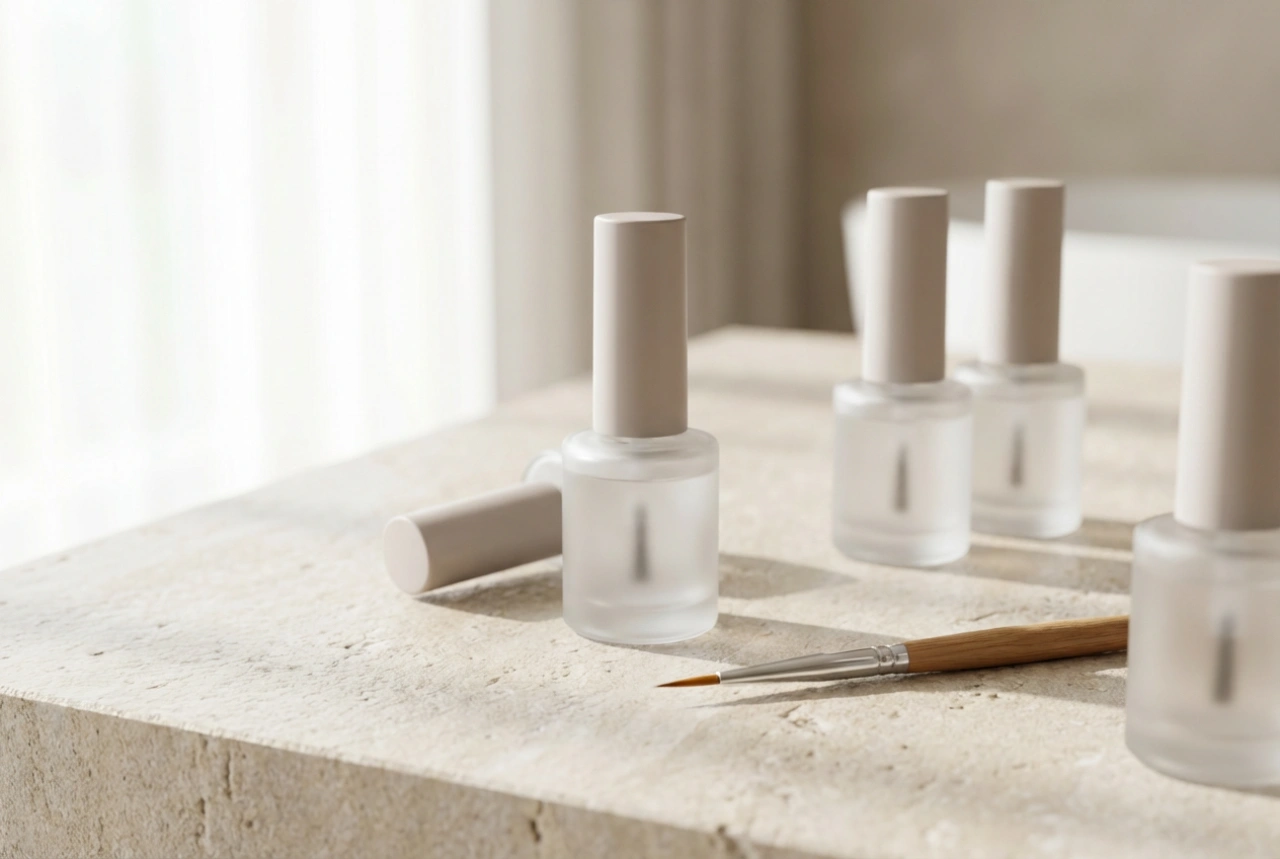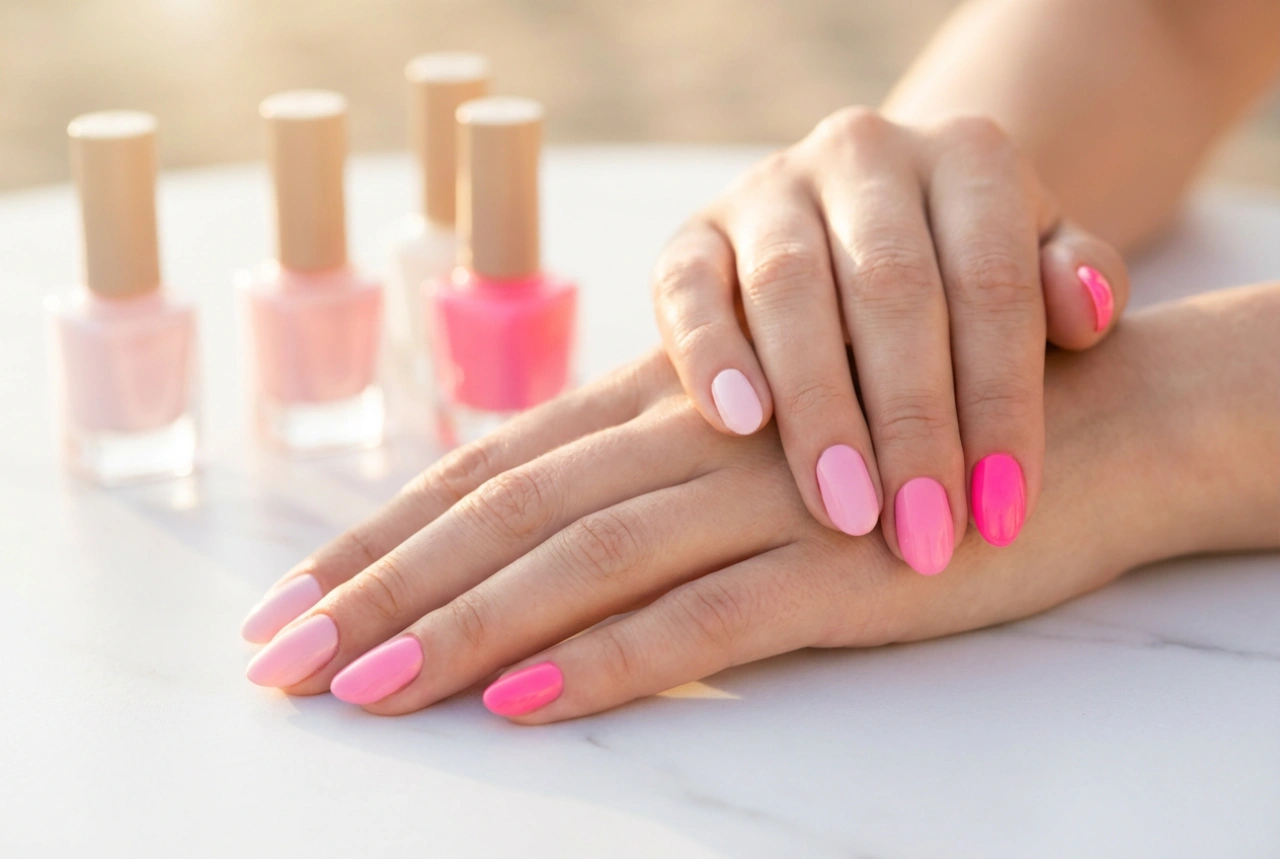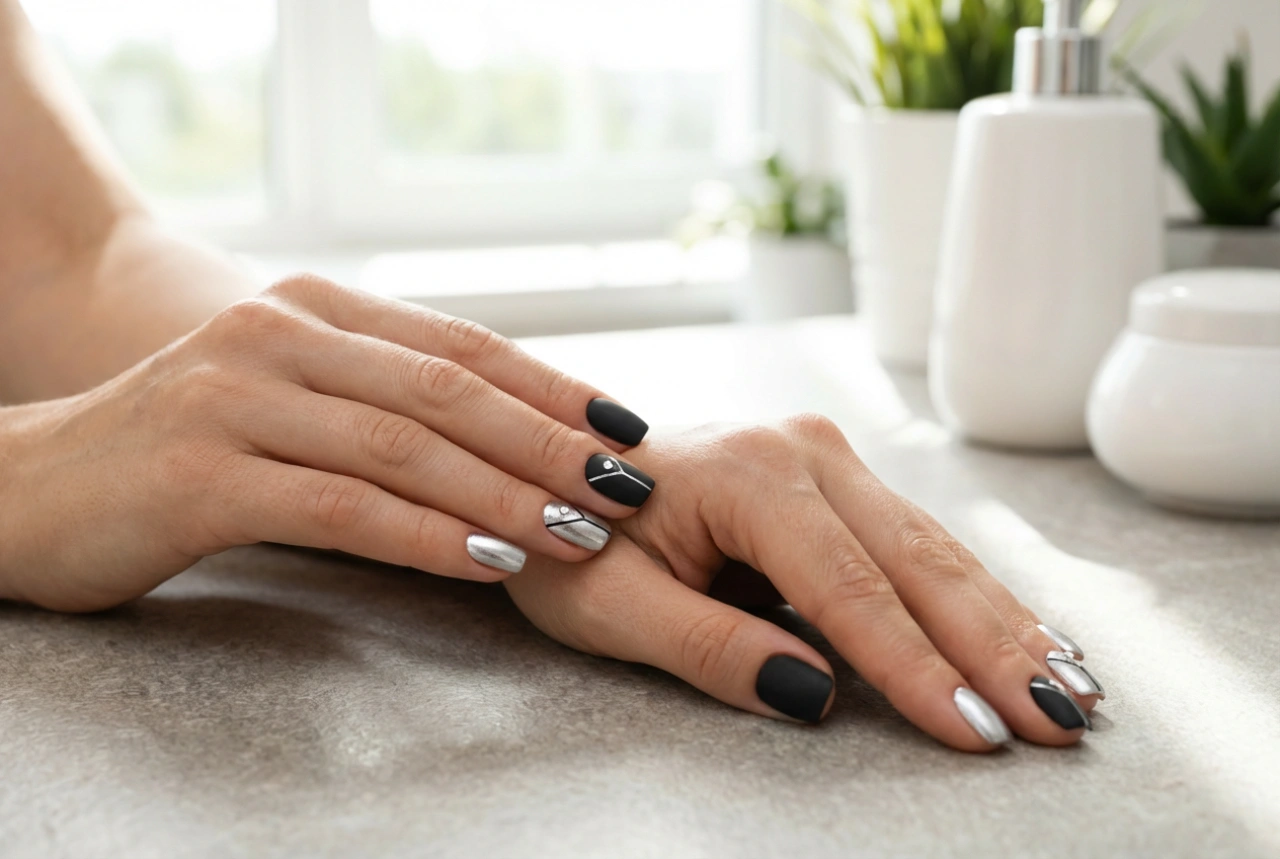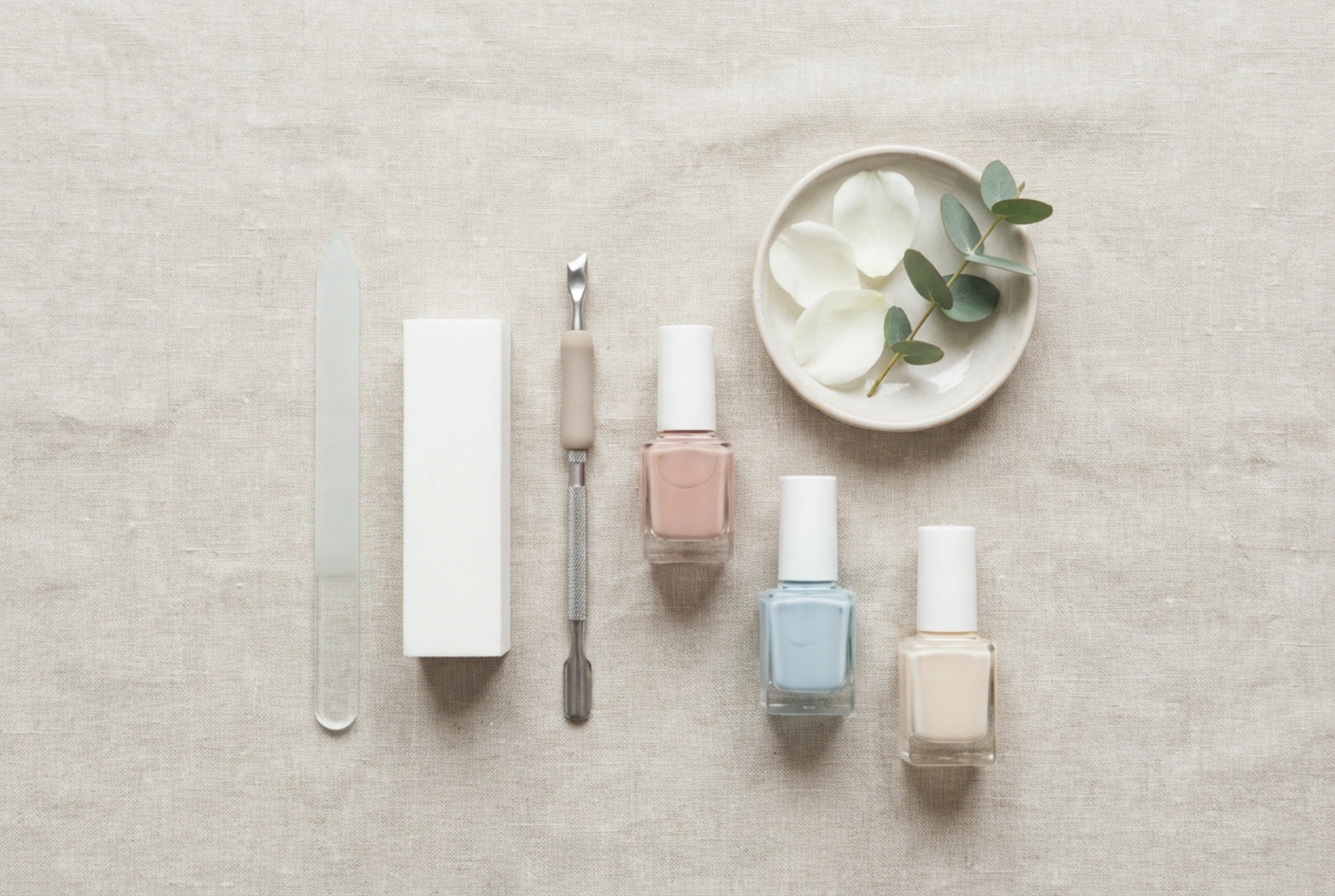


A beautiful home manicure begins with the right setup, resembling a minimalist flat lay filled with sleek nail care tools. Having a collection of classic files, buffers, and delicate pastel polishes arranged on a clean, light workspace can turn a simple routine into a relaxing, spa-like experience. Investing in high-quality, basic accessories is the ultimate key to achieving professional-looking, elegant hands without leaving the comfort of your home. To make your home nail styling both pleasant and effective, it is worth understanding which tools are truly indispensable and how to use them to get the best results.
The Core Preparation: Files and Cuticle Tools
Proper preparation of the nail plate is the absolute foundation of any long-lasting manicure. Without a neat and clean canvas, even the most expensive polish will not look its best. The first tool you should reach for is a high-quality nail file. Traditional metal files have largely been replaced by modern paper and glass alternatives, which are much gentler on the natural nail structure and help prevent splitting.
When choosing a file, pay close attention to the grit number. A lower number means a coarser surface, while a higher number indicates a finer, gentler texture. For natural nails, a file with a grit of 180 or 240 is ideal. It allows you to shape the edges smoothly without causing micro-damage. Glass files are also an excellent option for very delicate or brittle nails, as they seal the nail edge as you work.
The next step is caring for the cuticles. A classic wooden orange stick is a must-have accessory. It is inexpensive, hygienic, and extremely gentle, making it perfect for pushing back softened cuticles. If you prefer a more durable solution, a metal cuticle pusher can be used, but it requires a very delicate touch to avoid scraping or damaging the delicate matrix of the nail.
Buffing and Smoothing for a Flawless Base
Once your nails are shaped and the cuticles are pushed back, it is time to focus on the surface of the nail plate. This is where the buffer block, often referred to as a polishing buffer, comes into play. Many people skip this step, but it is crucial for ensuring that your base coat and colour polish adhere perfectly to the nail.
A soft buffer block gently removes the natural shine and any microscopic ridges from the surface, creating a smooth, even plane. This process not only helps the polish stick better but also prevents premature chipping and peeling. When using a buffer, always remember to be gentle; the goal is not to thin the nail plate, but simply to mat it lightly. A few light passes in one direction are usually more than enough.
Smart Accessories that Make a Difference
In addition to the basic shaping tools, there are several small accessories that can completely transform your home manicure routine, making it much cleaner and more precise. These items are often overlooked but are highly valued by professional nail stylists:
- Lint-free wipes: Standard cotton pads often leave tiny fibres behind, which can get trapped under the polish and ruin the finish. Lint-free wipes are essential for cleaning the nail plate with a dehydrator or rubbing alcohol before painting.
- A clean-up brush: A small, angled synthetic brush dipped in polish remover is the easiest way to clean up any accidental slips or messy edges around the cuticles before the polish dries.
- Dusting brush: A soft, fluffy brush is incredibly useful for sweeping away fine dust generated during filing and buffing, keeping your workspace and nails clean.
Practical Tricks for a Long-Lasting Finish
Having the right tools is only half the battle; knowing how to use them effectively is what truly elevates your nail game. One of the best practical tricks is to always dehydrate the nail plate before applying any base coat. You can use a dedicated nail prep solution or simply wipe the nails with isopropyl alcohol. This removes any natural oils and moisture that could prevent the polish from bonding properly.
Another golden rule is to apply multiple thin layers rather than one thick coat of polish. Thin layers dry much faster, cure more evenly, and are far less likely to bubble or peel. Always remember to seal the free edge of the nail by running the brush lightly along the very tip of the nail during each step of application. This simple technique acts as a protective barrier against daily wear and tear.
Finally, never underestimate the power of cuticle oil. Applying a drop of nourishing oil to your cuticles and the skin around your nails daily keeps the area hydrated, prevents hangnails, and gives your freshly styled hands a beautiful, healthy glow.
Your Essential Manicure Checklist
- Gentle paper or glass nail file (180/240 grit)
- Wooden orange sticks or a metal cuticle pusher
- Soft buffing block for smoothing the nail plate
- Lint-free wipes and isopropyl alcohol for prep
- A fine clean-up brush for precise edges
- Nourishing cuticle oil for a healthy finish