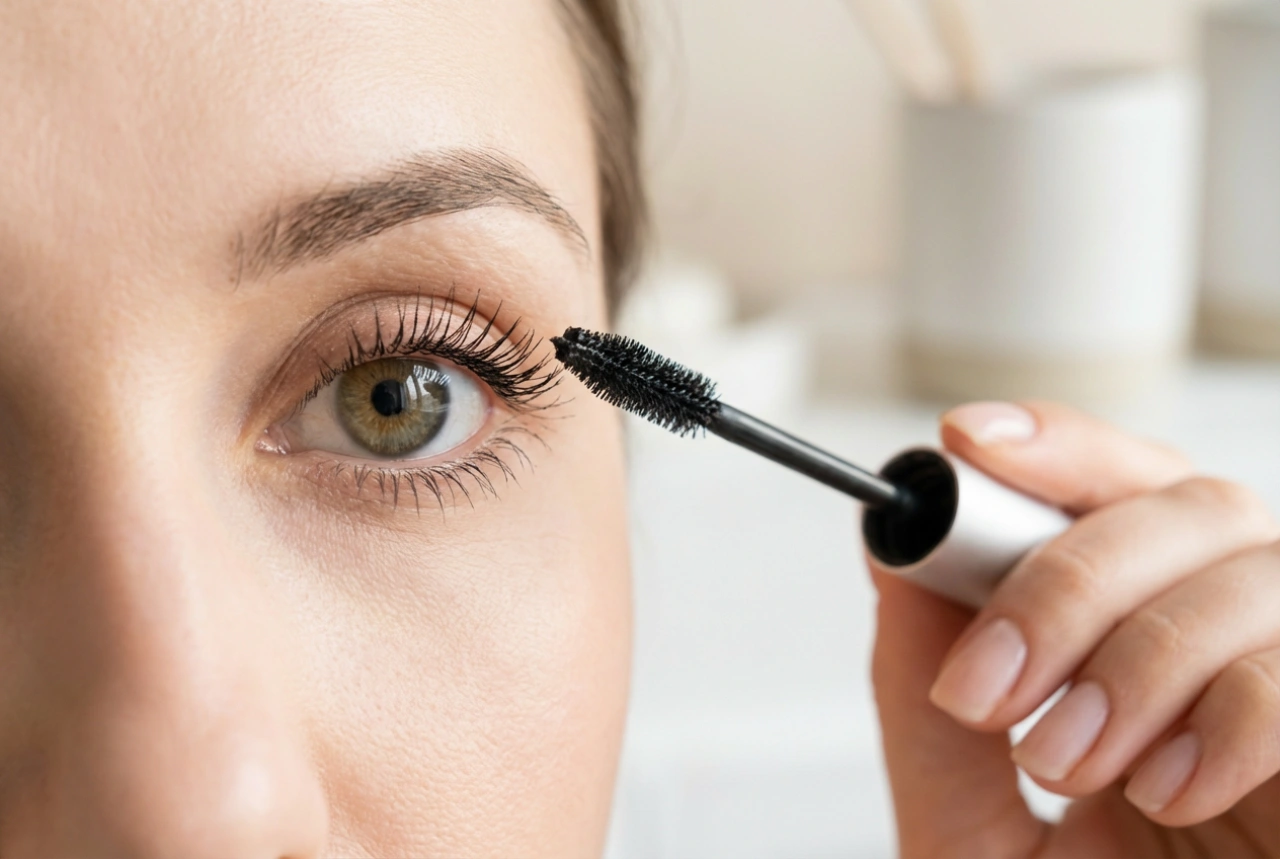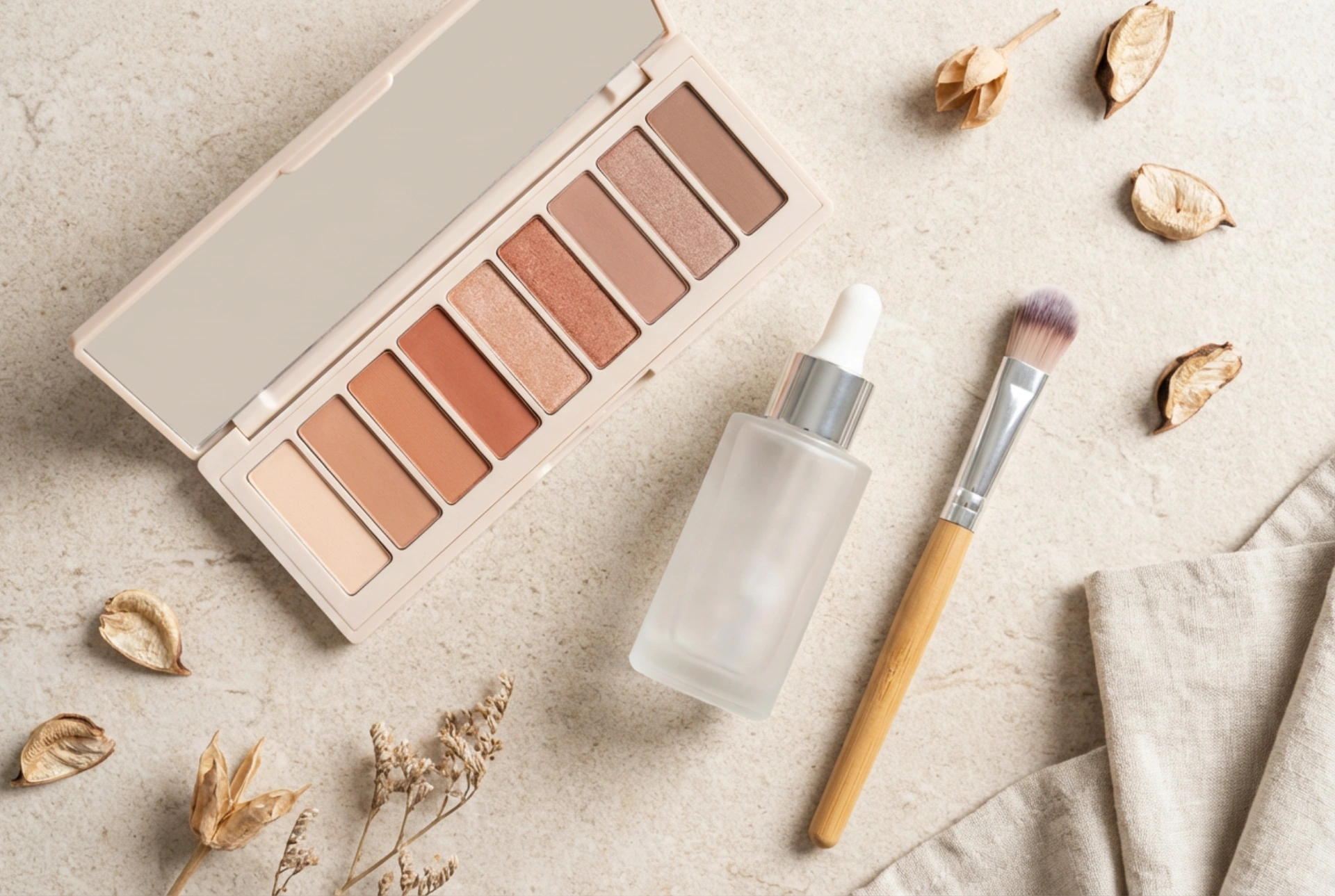


Creating a beautiful eye makeup look is a form of self-expression, but there is nothing more frustrating than watching your hard work crease, fade, or smudge just a few hours into the day. Warm, blendable shades and precise brushes can craft a stunning gaze, but the secret to a flawless, enduring finish lies in proper preparation and application technique. By understanding how to properly prime the delicate skin of the eyelids and apply eyeshadow for maximum adhesion, you can ensure your makeup remains vibrant from morning until night.
Preparing the Eyelids for Makeup Application
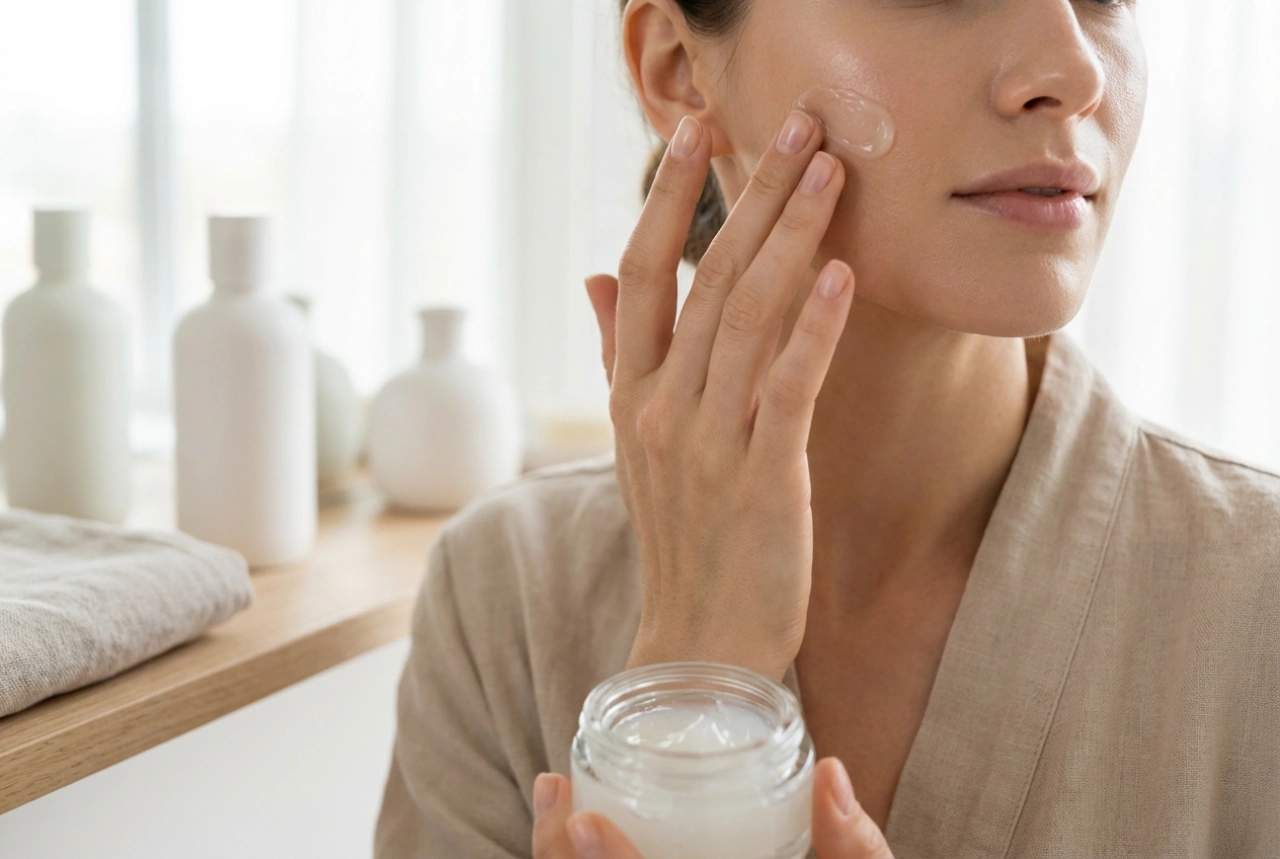
The skin on our eyelids is incredibly thin and contains numerous sebaceous glands. Throughout the day, these glands produce natural oils, which are the primary culprit behind creasing and fading eyeshadow. To counteract this, a proper preparation routine is essential. Before applying any makeup, ensure the eye area is clean and free of heavy creams. While hydration is crucial for the under-eye area, applying a rich moisturiser directly to the eyelids right before makeup can create a slippery surface, preventing products from adhering properly.
Instead, use a lightweight, fast-absorbing eye cream during your morning skincare routine, allowing it to fully sink in. If your eyelids tend to be particularly oily, gently blot them with a clean tissue or blotting paper before starting your makeup. This simple step removes excess sebum and creates a neutral, dry canvas for the subsequent layers of makeup. Avoid using standard facial oils near the eyes on days when you plan to wear detailed eye looks.
The Crucial Role of an Eyeshadow Primer
Many people wonder if a dedicated eyeshadow primer is truly necessary or if a standard concealer can do the job. While concealer can help even out the skin tone on the eyelids, it often contains oils and hydrating ingredients that can contribute to creasing over time. A specialised eye primer, on the other hand, is specifically formulated to create a smooth, velvety barrier between the skin's natural oils and the powder pigments.
Here is how a good primer enhances your eye makeup:
- Prevents Creasing: It locks the shadow in place, preventing the powder from settling into the natural folds of the eyelid.
- Enhances Colour Payoff: Primers provide a slightly tacky base that grabs onto pigments, making warm shades look more vibrant and true to the palette.
- Smoothes the Texture: It helps to even out tiny lines and texture on the eyelid, allowing brushes to glide effortlessly.
To apply, take a tiny, pea-sized amount of primer and gently pat it across the entire lid using your ring finger, blending it from the lash line up to the brow bone. Allow it to set for about a minute before applying any powder shadows. If you have discolouration on the lids, choose a tinted primer to neutralise redness or veins simultaneously.
Advanced Application Techniques for Longevity
The way you apply eyeshadow plays a major role in how long it lasts. Sweeping a brush back and forth across the lid can disperse the pigment too thinly and cause fallout. Instead, try these professional techniques:
The Patting Method
When applying your main lid shade, press or pat the pigment onto the lid using a flat, dense shader brush rather than sweeping it. This pressing motion packs the powder onto the primer, securing the colour and preventing it from dusting off during the day.
Layering Textures
For ultimate durability, consider layering different formulations. Start with a thin layer of cream eyeshadow or a long-wear eyeshadow stick as your base. While the cream is still slightly tacky, press your powder eyeshadow on top. The powder sets the cream, and the cream holds the powder, creating a double-layer lock that is incredibly resistant to fading.
Damp Brush Technique
For metallic, shimmer, or satin shades, lightly dampening your makeup brush with a setting spray before picking up the shadow can work wonders. This technique, often called "foiling," intensifies the metallic shine and helps the powder adhere to the lid with maximum strength, minimising fallout throughout the day.
Selecting the Right Brushes for Blending
The tools you use can make or break the longevity of your look. For packing on colour, dense brushes with short bristles are ideal as they deposit maximum product without scattering the pigments. For blending transitions in the crease, a fluffy dome-shaped brush is preferred. It distributes the product softly, ensuring there are no harsh lines that could easily wear off unevenly. Keeping your brushes clean is also vital; leftover product on a brush can introduce oils and disrupt the smooth application of fresh eyeshadow.
Setting Your Eye Makeup for All-Day Wear
Once your blending is complete and you are happy with the gradient, setting the look is the final step in ensuring longevity. If you have oily lids, lightly dusting a translucent, finely milled setting powder over the brow bone and the inner corners can help absorb any oil that appears later in the day.
To finish the entire face, close your eyes and mist a high-quality setting spray in an "X" and "T" motion across your face. The fine mist melts the powder layers together, removing any chalky appearance and creating a cohesive, long-lasting shield that keeps your eye makeup fresh, vibrant, and perfectly blended for hours on end.