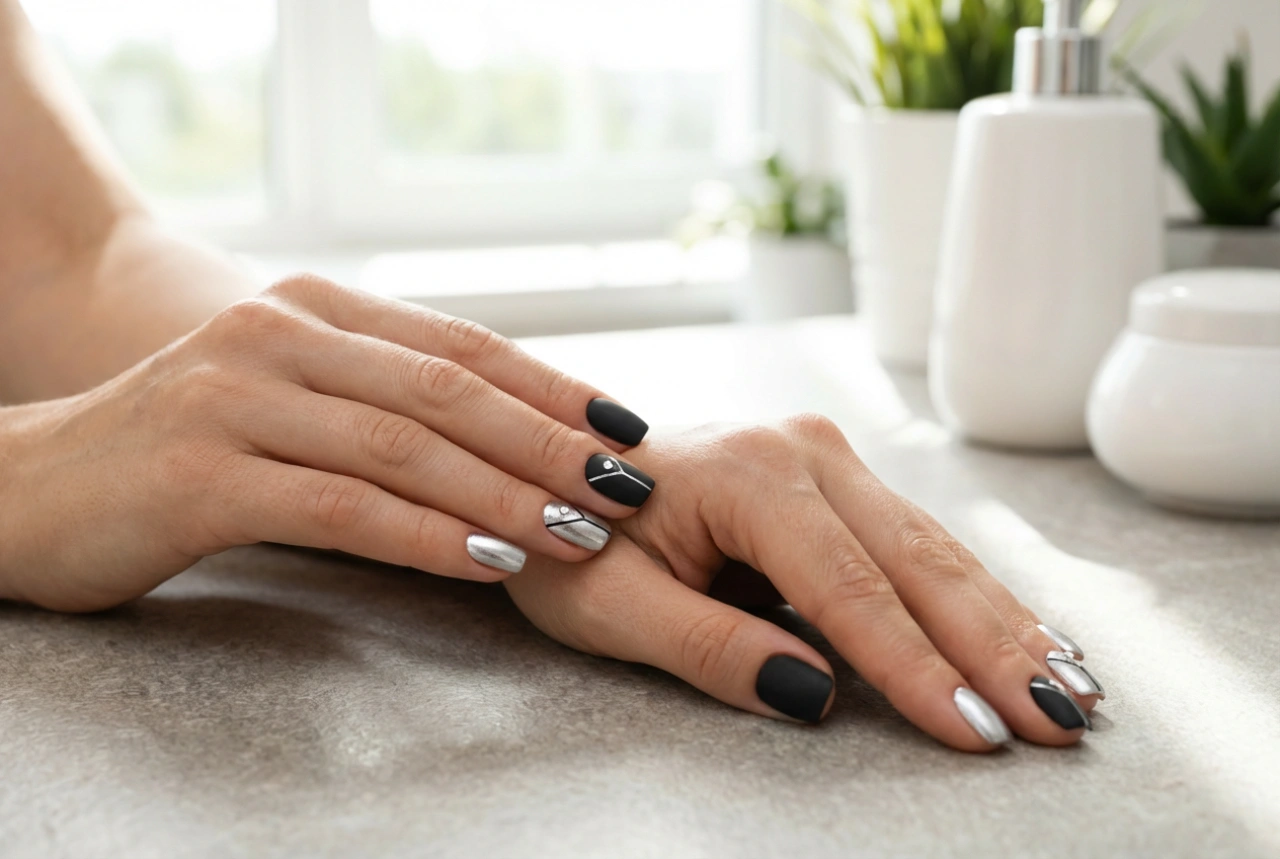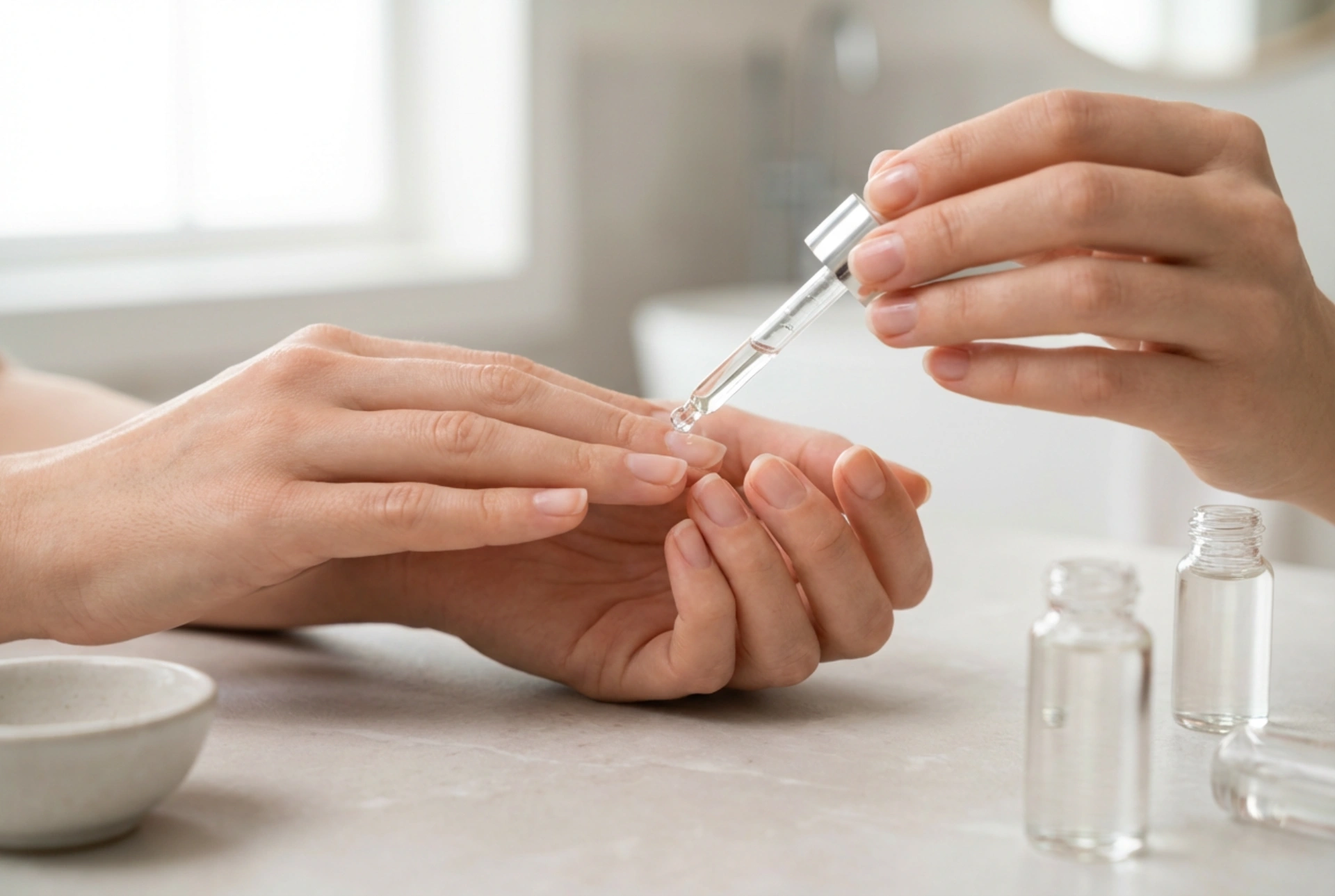


The gentle ritual of caring for your hands can be incredibly soothing, especially when transitioning back to natural nails after a long period of styling. Imagine sitting in a soft, diffused light, slowly massaging a nutrient-rich natural cuticle oil into your fingertips, watching the subtle sheen return to the nail plate. This moment of gentle recovery is not just about aesthetics; it is an essential process of restoring balance, hydration, and strength to nails that may have become temporarily weakened or dehydrated.
Why Do Nails Need a Regeneration Period?
Repeated application and removal of hybrid polishes, gels, or acrylics can sometimes strip the nail plate of its natural lipids and moisture. While modern styling products are designed to be safe, the physical processes of filing, buffing, and using chemical removers inevitably affect the outer layers of keratin. When these layers are depleted, the nail becomes flexible, prone to peeling, and highly sensitive to external factors. Taking a dedicated two-week break allows the nail structure to settle, rehydrate, and begin its natural renewal cycle from the matrix outward.
Week 1: Focus on Deep Hydration and Gentle Cleansing
The primary goal during the first seven days of your recovery plan is to flood the nail plate and surrounding skin with moisture. At this stage, the nails are often porous and dry, meaning they will absorb beneficial oils very quickly. Avoid any attempts to harden the nails with strong synthetic formulas; instead, focus entirely on hydration.
- Natural Oil Massage: Apply a drop of jojoba, sweet almond, or argan oil to each nail and cuticle twice a day. Gently massage in circular motions to stimulate blood circulation around the nail matrix, which encourages healthy growth.
- Mild Cleansing: Switch to gentle, soap-free hand washes that do not strip the skin of its natural moisture barrier. Pat your hands dry gently with a soft towel rather than rubbing them vigorously.
- The Shield of Gloves: Water is one of the biggest enemies of weak nails. When nails absorb water, they expand, and as they dry, they contract. This constant movement weakens the keratin bonds. Always wear protective gloves when washing dishes or cleaning.
Week 2: Strengthening and Smoothing
By the second week, you should notice that the extreme dryness has started to subside, and the skin around your nails looks calmer and smoother. Now is the time to introduce gentle structural support and refinement to your routine.
Gentle Shaping and Care
Keep your nails short during this recovery phase. Long, weakened nails are far more likely to bend and tear, which can cause further damage down the nail bed. Use a high-quality glass or crystal file to shape your nails. Always file in one direction rather than using a sawing motion, as sawing can fray the edges of the keratin layers, leading to splitting.
Warm Oil Soaks
Introduce a warm oil bath once or twice during this week. Warm a small bowl of natural olive oil or sunflower oil to a comfortable body temperature. Submerge your fingertips for ten to fifteen minutes. The warmth helps the oil penetrate deeper into the nail layers, providing an intensive boost of lipids that restores elasticity and prevents brittleness.
Daily Practices for Lasting Nail Strength
A successful recovery plan is supported by simple, daily lifestyle choices that promote overall well-being. Keeping your hands well-moisturised throughout the day is key. Keep a rich hand cream on your desk or by your bedside, and apply it immediately after washing your hands to lock in moisture.
Additionally, remember that healthy nails grow from the inside out. Drinking plenty of water keeps the entire body hydrated, which directly reflects in the flexibility of your nails and the softness of your cuticles. Focus on a balanced diet rich in vitamins and minerals to support the natural keratin production process naturally.
What to Avoid During Your Two-Week Break
To ensure your nails regenerate fully, it is crucial to avoid certain habits that can undo your hard work. During these two weeks, steer clear of:
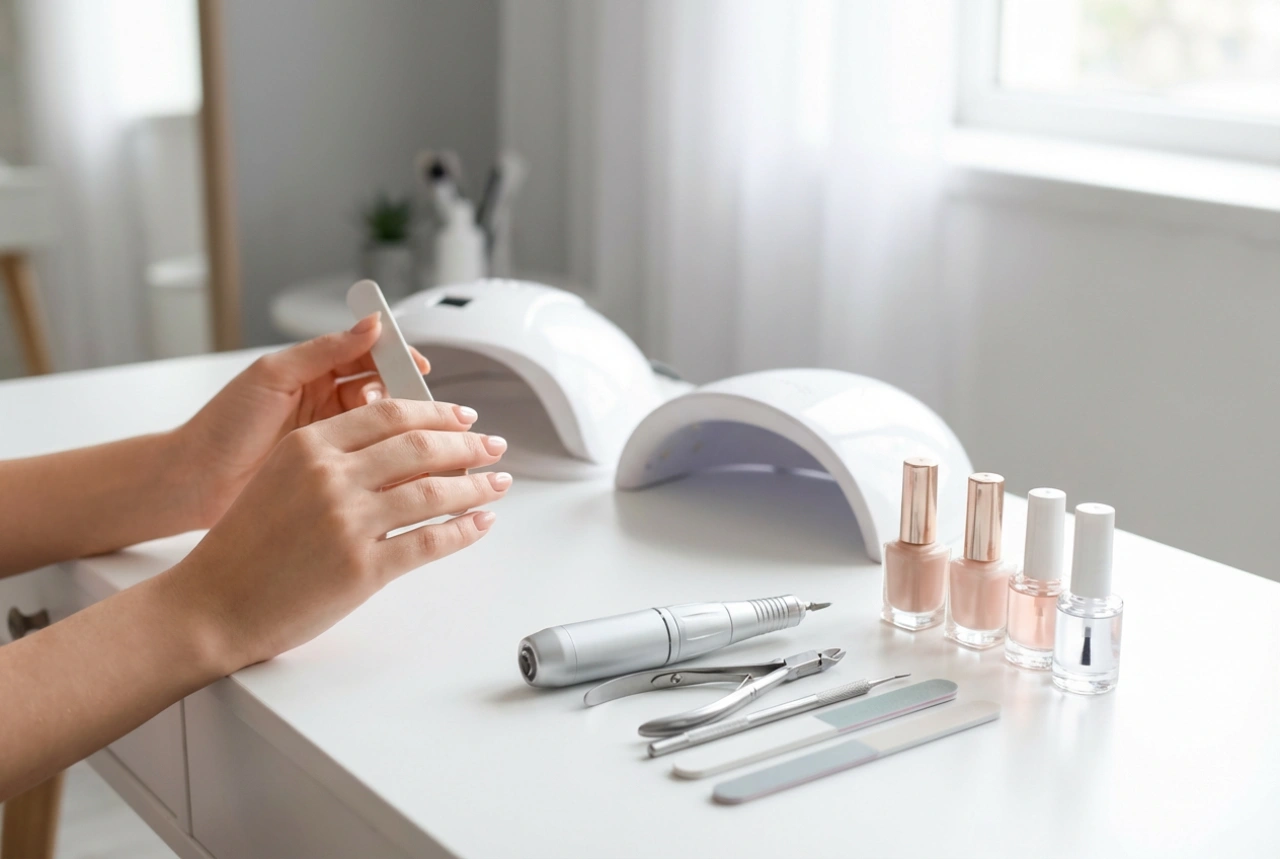
- Metal Tools: Avoid using metal scrapers or pushers on your nail plate. The nail surface is particularly soft during recovery, and metal tools can easily scrape away healthy keratin layers. Use a soft wooden stick or simply massage cuticles back gently with a towel after a shower.
- Polishing Blocks: It can be tempting to buff away ridges to make nails look shiny, but buffing thins the already delicate nail plate. Accept the natural texture of your nails for now.
- Harsh Solvents: Keep your hands away from acetone and other strong solvents. If you must use any household cleaners, ensure your hands are fully protected.
By dedicating just fourteen days to this gentle, mindful routine, you will lay the perfect foundation for strong, resilient, and naturally beautiful nails that are ready for whatever styling you choose in the future.