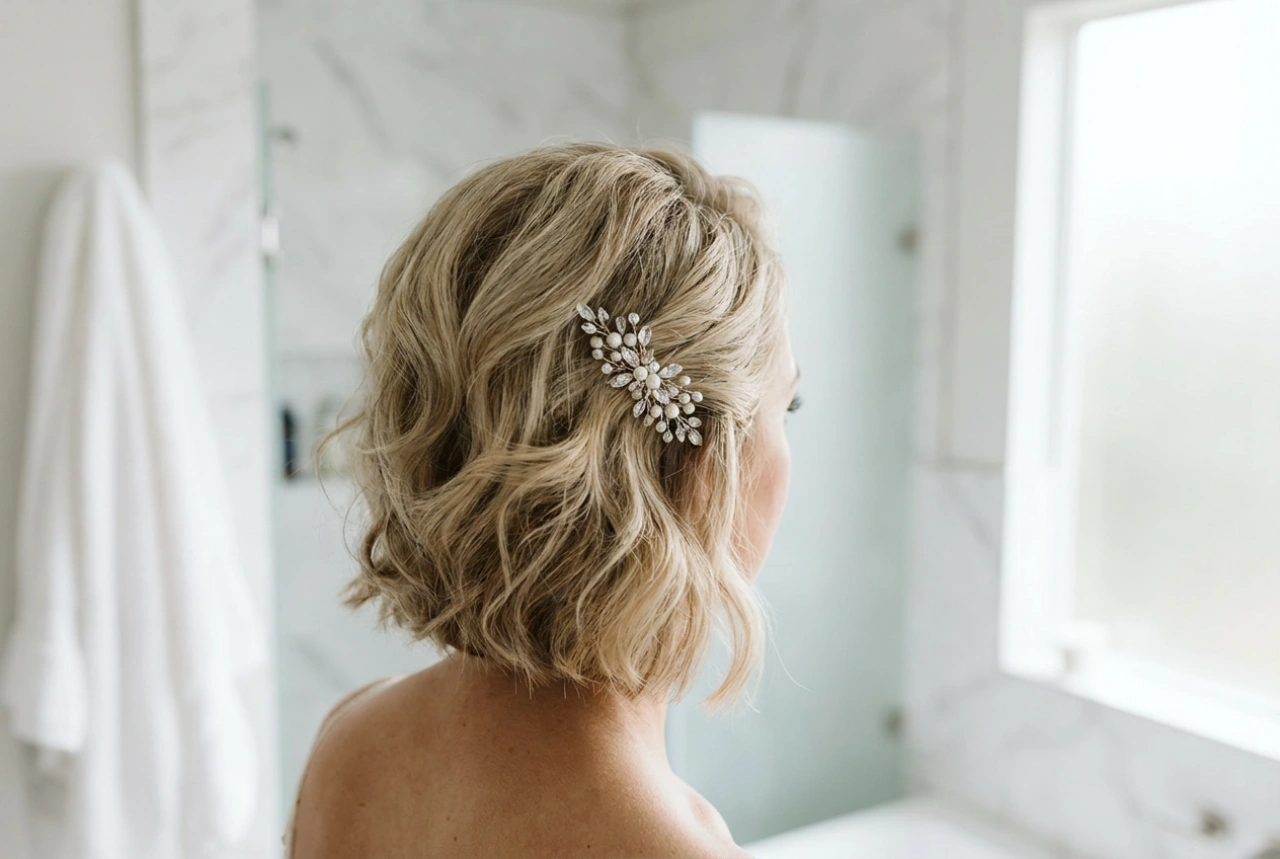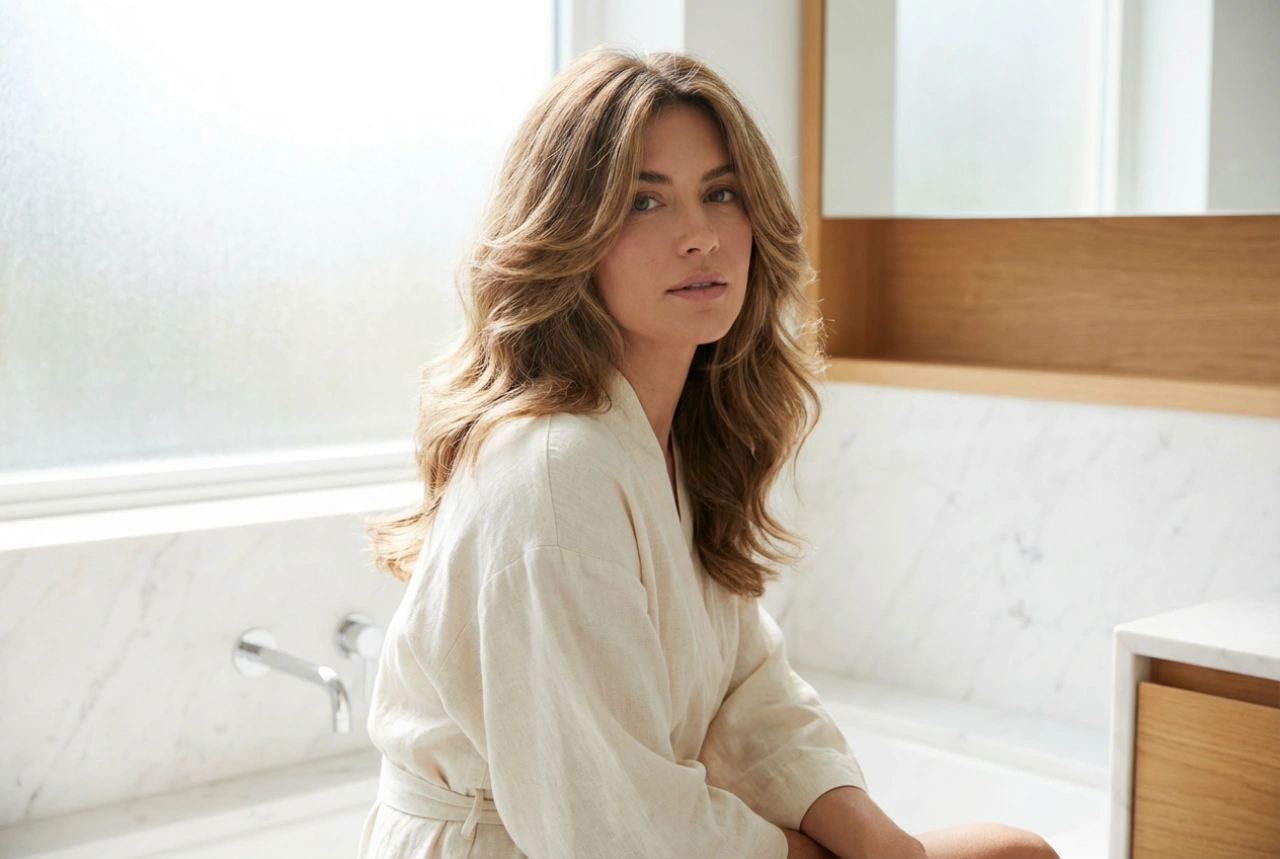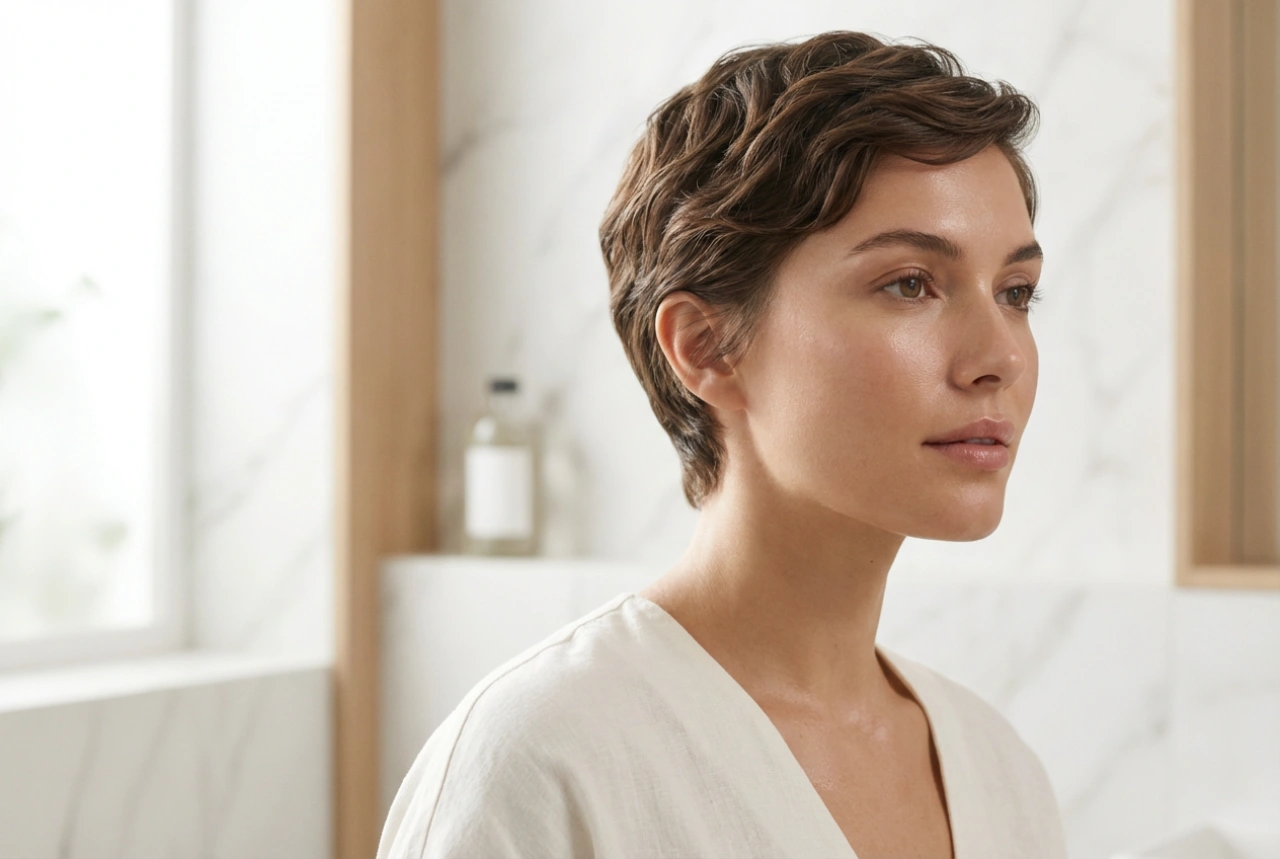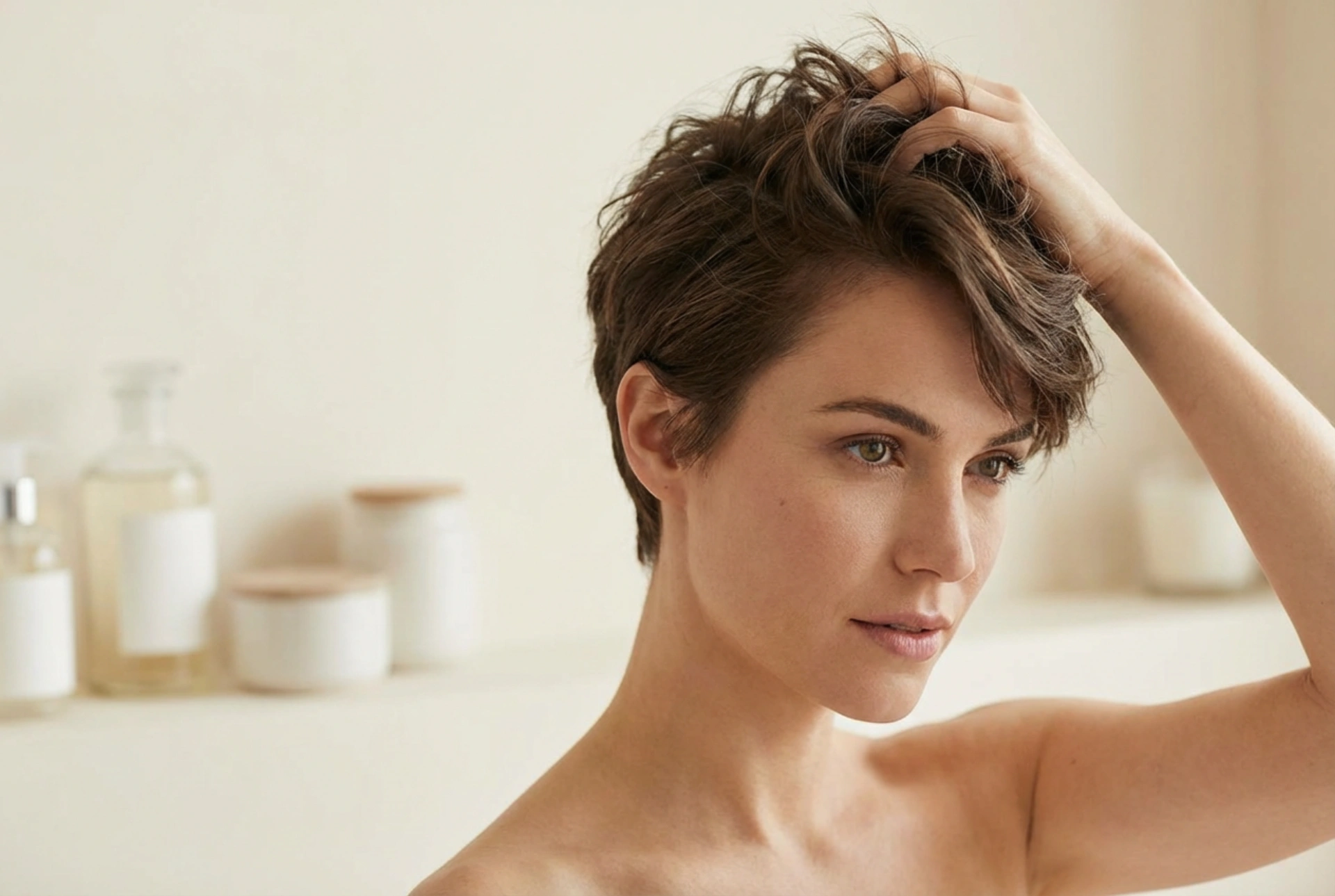


A chic, short haircut is the epitome of effortless modern beauty, bringing a sense of lightness and definition to one's overall appearance. Capturing the soft morning light, a well-styled French crop showcases how minimalist design can meet daily practicality. This haircut, characterised by its textured layers and short length, offers a versatile canvas for anyone looking to combine contemporary elegance with low-maintenance routines. By focusing on natural movement and gentle definition, styling a French crop at home can become a simple, enjoyable part of your morning ritual.
Understanding the French Crop
Traditionally known as a classic short cut, the French crop has transitioned into a highly popular choice for women seeking a bold yet feminine style. The hallmark of this haircut lies in its structure: shorter sides paired with a slightly longer, textured top and a prominent fringe. Unlike rigid, highly structured short haircuts, the modern variation emphasises soft transitions, movement, and touchable texture.
The beauty of this style is its adaptability to different hair types. Whether your hair is naturally straight, wavy, or slightly coarse, the layering technique used in a French crop helps to distribute weight and create natural lift. It is a fantastic option for fine hair, as the texturised crown gives the illusion of thicker, more voluminous locks without requiring heavy styling products.
Preparing Your Hair for Natural Volume
The foundation of any great hairstyle begins in the shower. To achieve a soft, lightweight finish with ample volume, it is essential to use products that do not weigh the hair down. Heavy conditioners or products rich in heavy silicone can flatten short layers, making it difficult to achieve that desired airy lift.
- Choose a clarifying or volumising shampoo: Gently cleansing the scalp and removing any residual product buildup is key to ensuring the hair roots can lift naturally.
- Apply conditioner sparingly: Focus lightweight conditioning formulas only on the ends of the hair, avoiding the scalp entirely to prevent any limpness.
- Towel dry with care: Instead of rubbing the hair vigorously, gently pat it dry with a microfibre towel. This minimises friction, prevents frizz, and keeps the hair cuticle smooth.
Step-by-Step Styling for Texture and Definition
Styling a short, textured crop does not require an array of complex tools. In fact, using your fingers instead of a traditional brush often yields the most natural and modern results. This hands-on approach allows you to feel the shape of the hair and direct the volume exactly where you need it.
Step 1: Rough Drying for Lift
Apply a small amount of lightweight texturising spray or volume mist to damp hair. Tilt your head forward slightly and blow-dry the hair on a medium heat setting, using your fingers to gently lift the roots away from the scalp. This technique encourages natural volume and prevents the hair from drying flat against the head.
Step 2: Directing the Layers
As the hair begins to dry, guide the top sections forward toward the face. The defining feature of a French crop is the forward-sweeping motion of the crown and fringe. Use your fingers to piece out the fringe, keeping it soft and slightly uneven for a modern, relaxed aesthetic.
Step 3: Adding Texture and Hold
Once the hair is completely dry, it is time to define the texture. Take a tiny amount of lightweight hair wax, paste, or styling powder. Warm the product between your fingertips and gently tousle the front and top layers. Focus on the tips of the hair to create distinct, piecey definition without making the hair look greasy or stiff.
Customising the Fringe to Your Face Shape
One of the most versatile aspects of the French crop is how easily the fringe can be adapted to complement different facial features. Because the fringe is the focal point of this haircut, slight adjustments in its length and density can transform the overall look. A blunt, straight-across fringe creates a bold, graphic frame that highlights the eyes, making it an excellent choice for oval or elongated face shapes. On the other hand, a soft, side-swept fringe can help soften angular features, adding a touch of romance to the short crop.
For those with rounder face shapes, an asymmetric or textured, choppy fringe works beautifully to create the illusion of length. When styling, you can experiment with parting the fringe slightly to one side or allowing it to fall naturally. The key is to avoid using heavy styling products on the fringe area, as this can cause the hair to clump together or look greasy quickly. Instead, a light dusting of texturising powder or a quick blast of cool air from your hair dryer is often all that is needed to set the fringe in place while maintaining a soft, touchable feel.
Maintaining Your Short Hairstyle
While the daily styling of a French crop is quick and straightforward, maintaining the shape of the cut requires consistent attention. Because short haircuts grow out visibly, regular maintenance keeps the style looking crisp and intentional.
- Schedule regular trims: To maintain the distinct shape of the crop, plan to visit your stylist every four to six weeks. This keeps the sides neat and prevents the top layers from losing their structured movement.
- Minimise heavy product usage: Accumulating too much styling product over consecutive days can dull the hair's natural shine. Opt for water-soluble styling products that wash out easily.
- Protective sleep habits: Sleeping on a silk or satin pillowcase can reduce friction overnight, preserving the texture of your style and reducing morning bedhead.
Ultimately, the French crop is a celebration of simplicity and individual style. By embracing the natural texture of your hair and using minimal, effective styling techniques, you can achieve a sophisticated and modern look that lasts throughout the day.