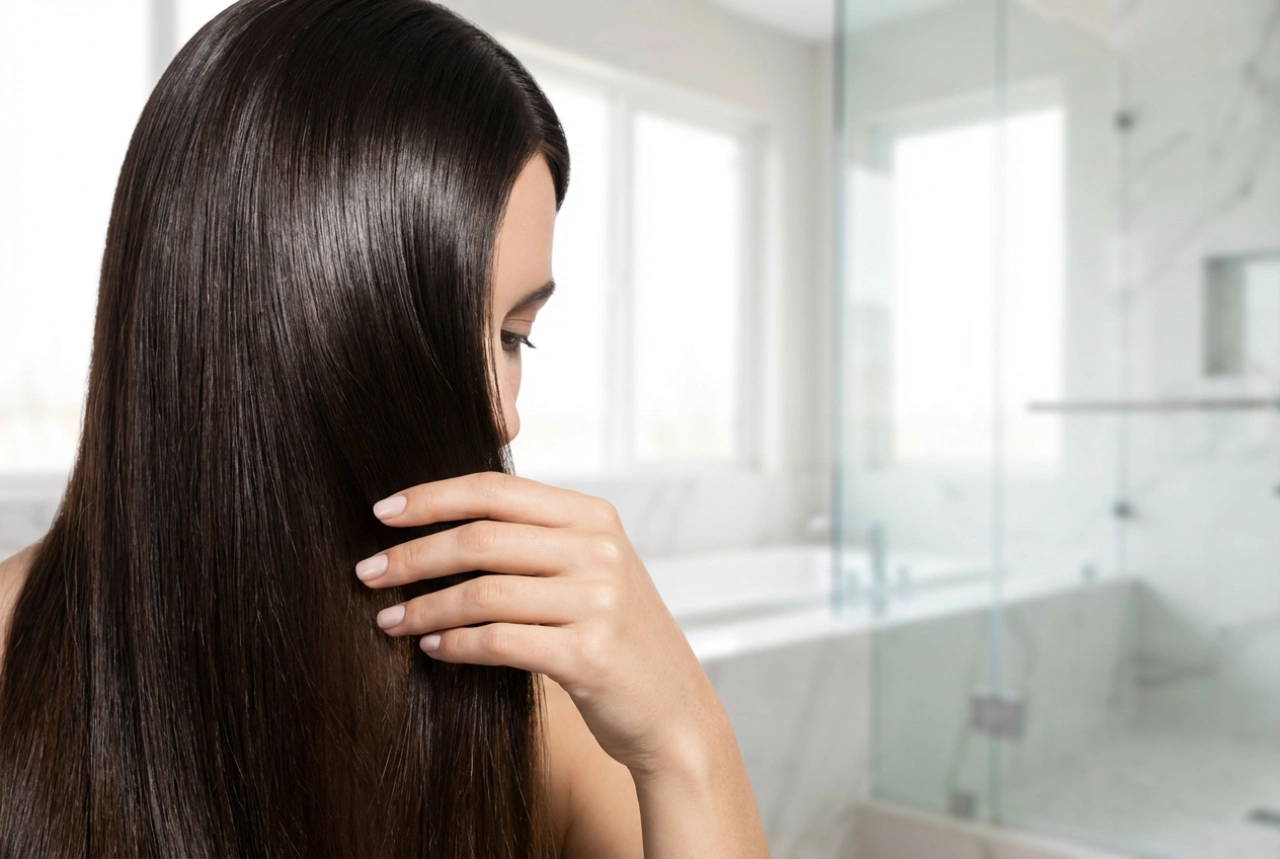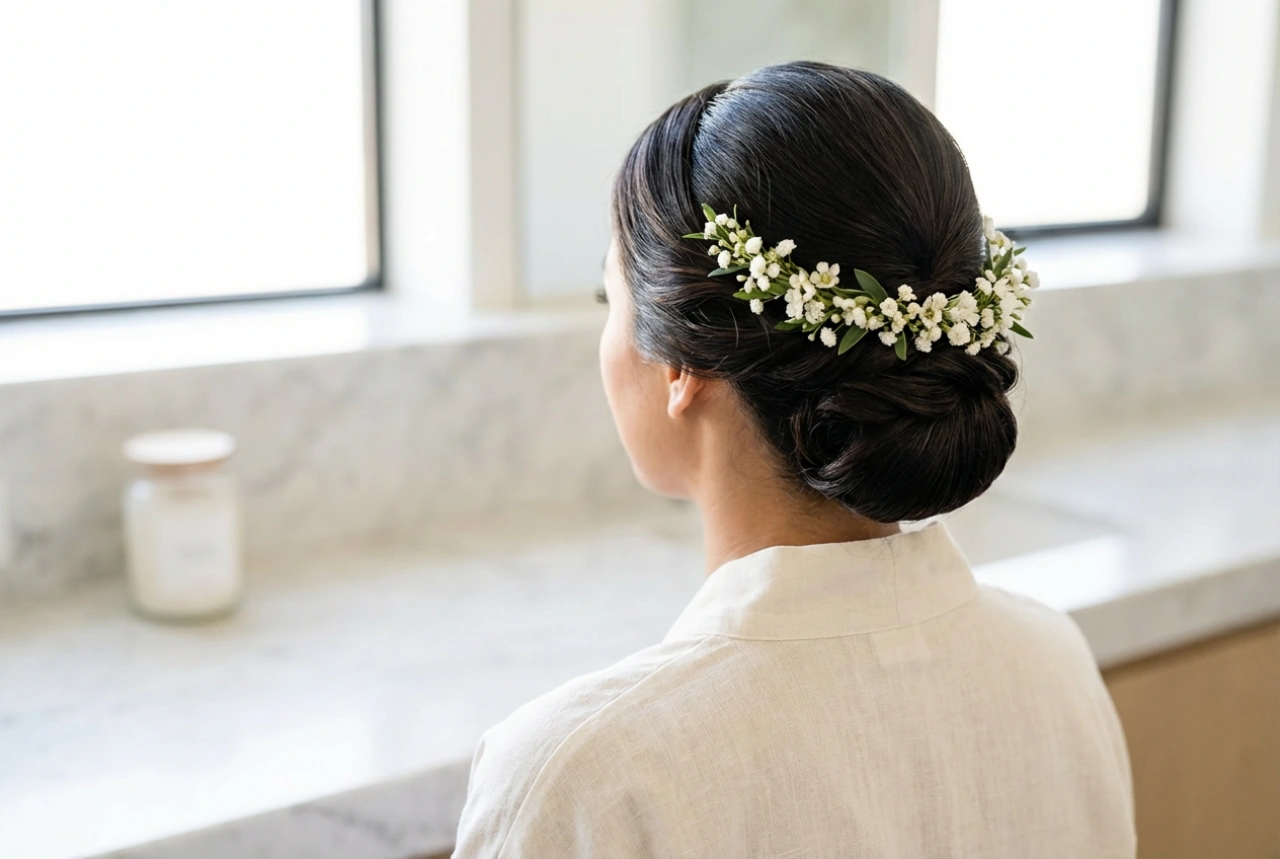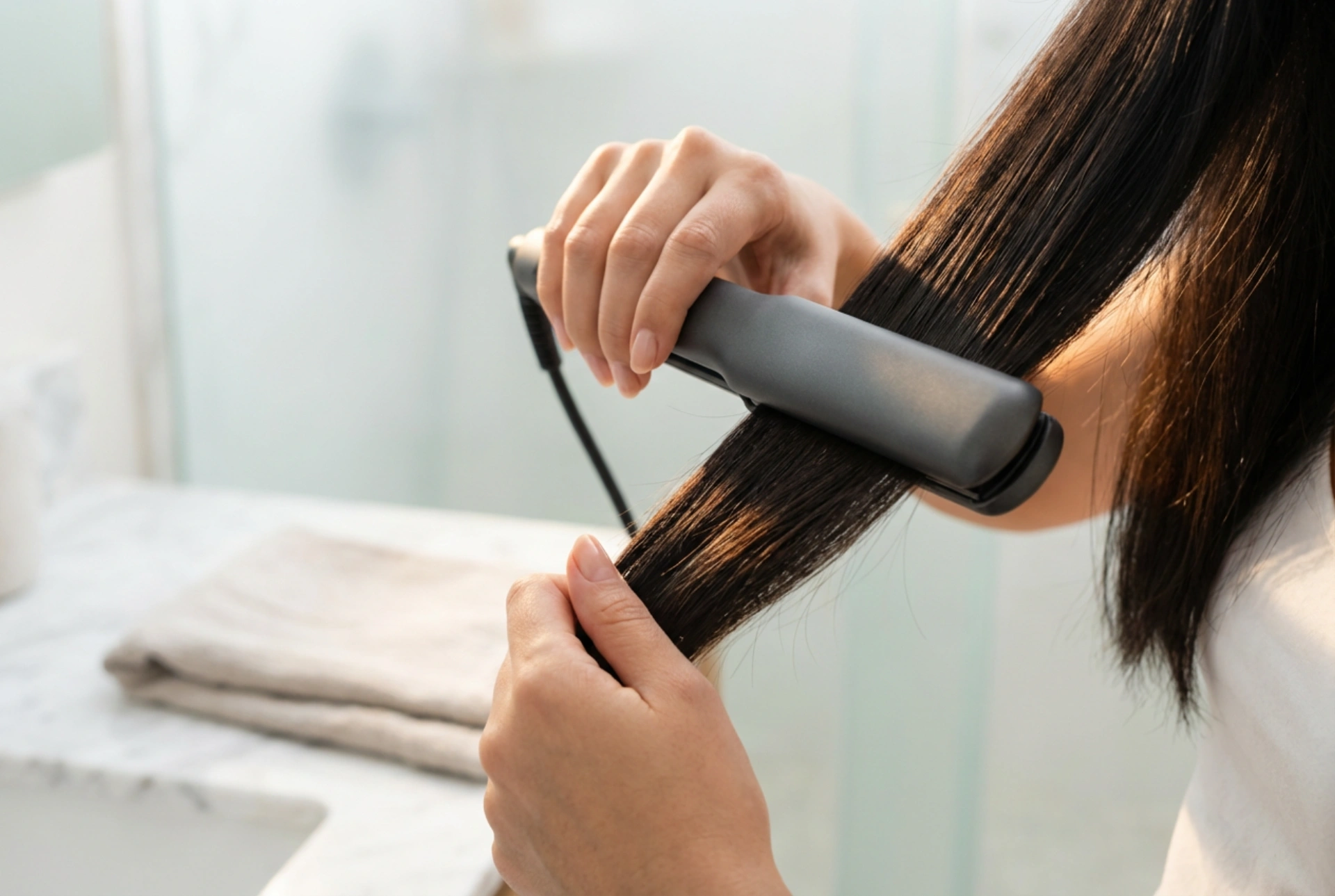


Achieving perfectly smooth, glossy hair without compromising its health is the ultimate goal of any home styling routine. When we watch a stylist gently guiding a sleek, modern straightener through a section of hair, the effortless glide and immediate shine look almost magical. However, behind this beautiful result lies a combination of proper technique and the right styling tools. One of the most popular innovations in home hair styling is the keratin-coated straightener, a device designed to combine traditional thermal styling with active hair protection. Understanding how this technology works and adopting safe styling habits can transform your daily routine into a gentle, restorative ritual.
What is a Keratin-Coated Straightener?
Before diving into styling techniques, it is essential to understand what a keratin coating actually is. In standard styling tools, plates are usually made of pure ceramic, titanium, or tourmaline. A keratin straightener features ceramic plates that have been infused with keratin micro-conditioners during the manufacturing process. Keratin is a natural fibrous protein that serves as the key structural building block of our hair, responsible for its strength, elasticity, and resilience.
As the plates heat up during use, these microscopic keratin particles are gradually released and transferred onto the hair shaft. This does not mean the straightener reconstructs damaged hair bonds in the way a professional treatment does, but it does provide a highly protective barrier. The micro-conditioners help to fill in tiny gaps along the outer cuticle layer of the hair, resulting in a noticeably smoother surface and a brilliant, healthy-looking shine.
The Benefits of Using a Keratin-Infused Tool
Choosing a straightener with a keratin-infused coating offers several distinct advantages for everyday hair care and styling:
- Enhanced Glide: The keratin infusion creates an exceptionally smooth surface on the plates. This minimises friction and prevents the plates from snagging or pulling on individual hair strands, which is a common cause of mechanical damage.
- Frizz Control: By sealing the hair cuticle more effectively, the coating helps to lock out atmospheric moisture, which is the primary cause of frizz and unwanted volume throughout the day.
- Natural Shine: When the hair cuticle lies flat, it reflects light much more efficiently. The gentle transfer of keratin conditioners enhances this natural reflective quality, giving the hair a glossy, polished finish.
- Even Heat Distribution: Ceramic plates infused with keratin ensure that heat is distributed uniformly across the entire surface, preventing dangerous hot spots that can scorch sections of your hair.
Practical Guide to Safe Hair Straightening
Even with the most advanced protective coatings, heat styling requires careful preparation and execution to avoid cumulative damage over time. To achieve beautiful, safe results at home, follow these essential steps:
1. Always Start with Completely Dry Hair
It cannot be stressed enough: never use a flat iron on damp or wet hair. When water is trapped inside the hair shaft and suddenly heated to high temperatures, it turns to steam instantly. This expansion causes the water to boil within the hair structure, leading to permanent damage known as bubble hair, which severely weakens the hair and causes breakage. Ensure your hair is entirely dry, preferably blow-dried on a cool or medium setting, before you begin straightening.
2. Never Skip a Heat Protectant
A keratin coating is an excellent aid, but it does not replace a dedicated heat protection product. Prior to styling, apply a lightweight heat-protecting spray, cream, or serum evenly through your dry or damp hair. These products create an invisible thermal barrier that slows down the conduction of heat into the hair cortex, preserving the hair's natural moisture balance.
3. Select the Right Temperature
Higher heat does not necessarily mean better results; it often just means more damage. Tailor the temperature setting of your device to your specific hair type:
- Fine, thin, or colour-treated hair: 130°C to 160°C is sufficient to smooth the cuticle without causing structural stress.
- Normal or medium-textured hair: 170°C to 190°C provides the perfect balance of styling efficiency and safety.
- Thick, coarse, or curly hair: 200°C to 210°C may be used, but with extra caution and slower, deliberate movements. Avoid ever reaching the maximum limit of 230°C unless strictly necessary.
Master the Correct Styling Technique
How you guide the straightener through your hair is just as important as the temperature you select. To minimise heat exposure, divide your hair into small, manageable sections. Working with thin sections allows the heat to penetrate evenly on the first pass, eliminating the need to run the plates over the same strand multiple times.
Place the straightener near the roots, clamp gently, and glide the tool down to the ends in one smooth, continuous motion. Avoid stopping or pausing at any point along the hair strand, as this can create localised heat spots and weaken the hair fibre. If a section requires a second pass, allow it to cool down completely before applying heat again.
Caring for Your Keratin-Coated Device
To ensure your styling tool continues to perform safely and effectively, regular maintenance is required. Over time, styling products, heat protectants, and natural hair oils can build up on the plates. This residue can create an uneven surface, causing friction and uneven heat distribution during styling.
Once your straightener has cooled down completely, gently wipe the plates with a soft, damp microfibre cloth. Do not use harsh chemicals, abrasive cleaning pads, or scraping tools, as these can easily scratch and permanently damage the delicate keratin-ceramic coating. By keeping the plates clean, you ensure a smooth, frictionless glide every time you style.