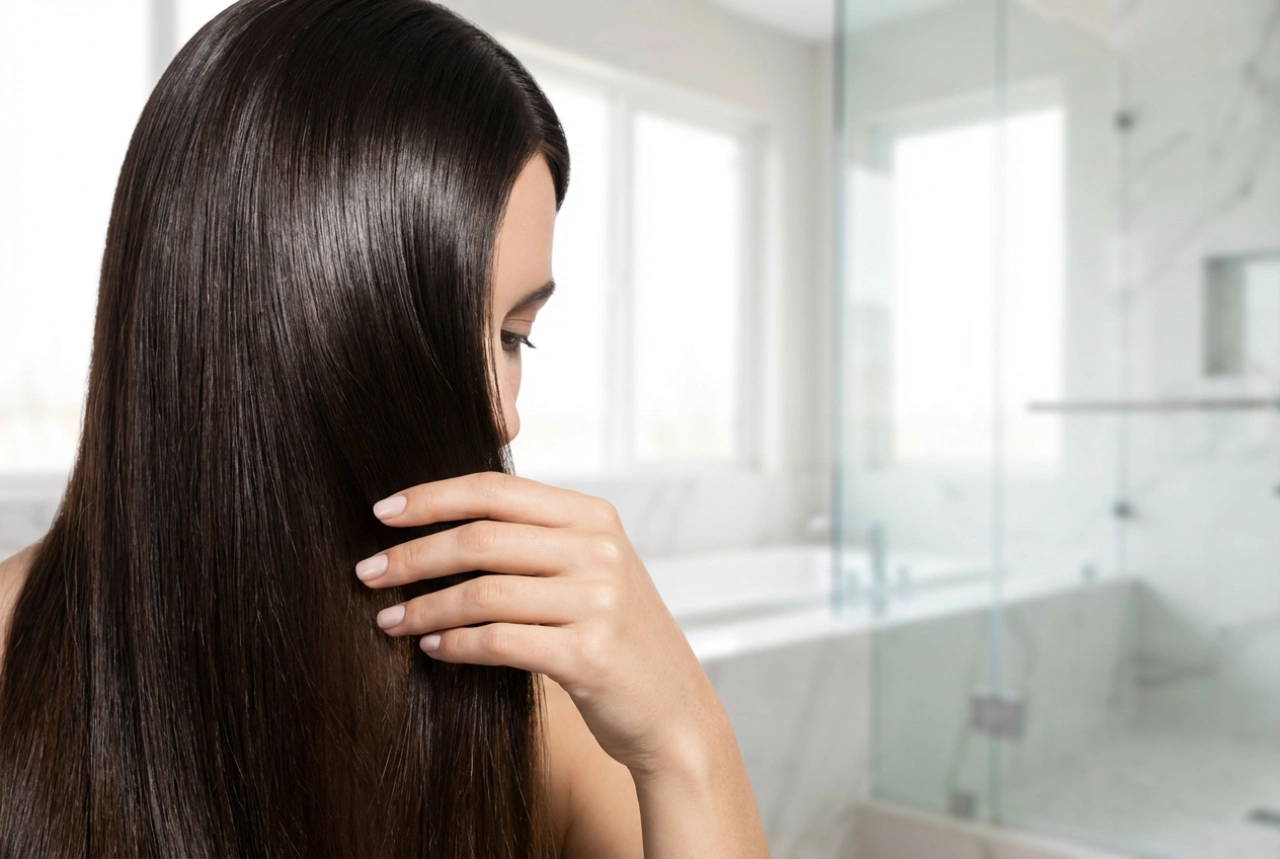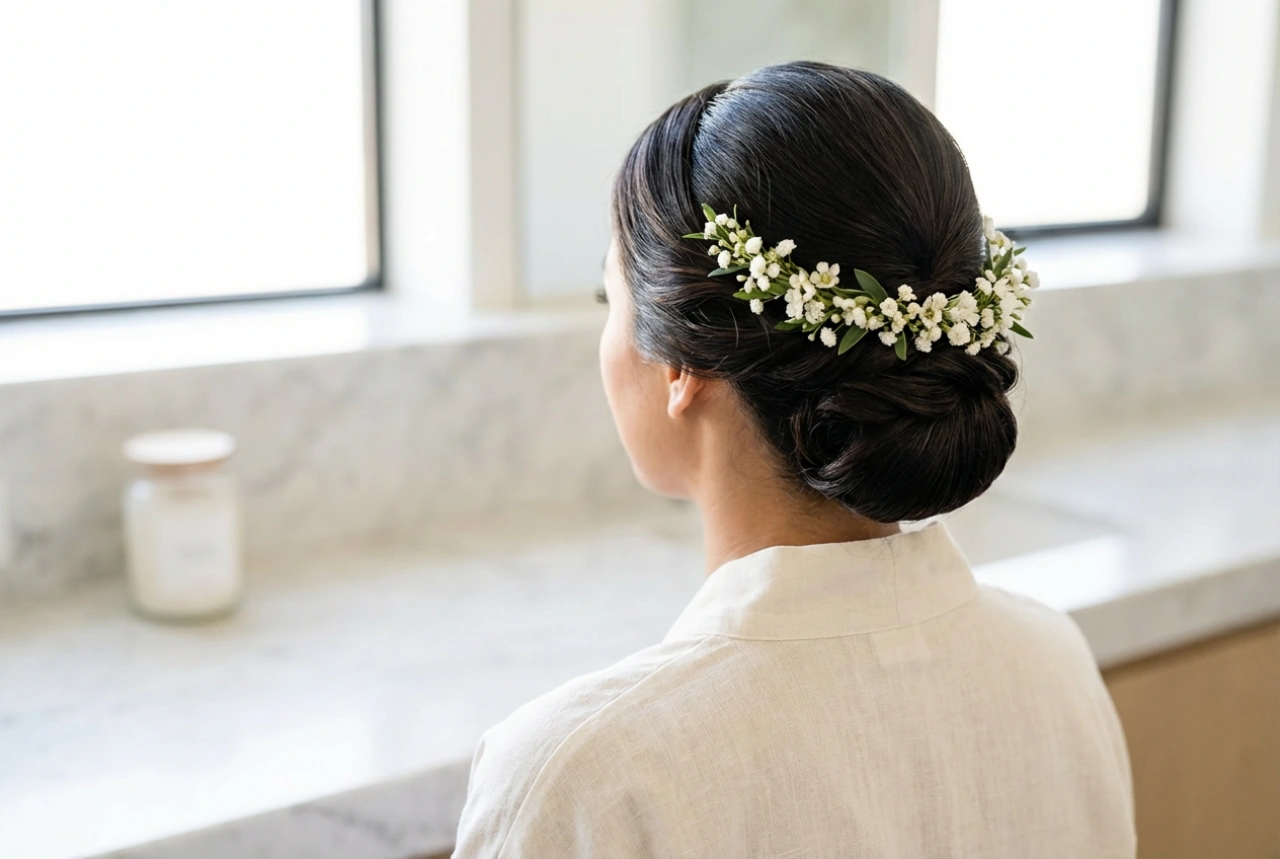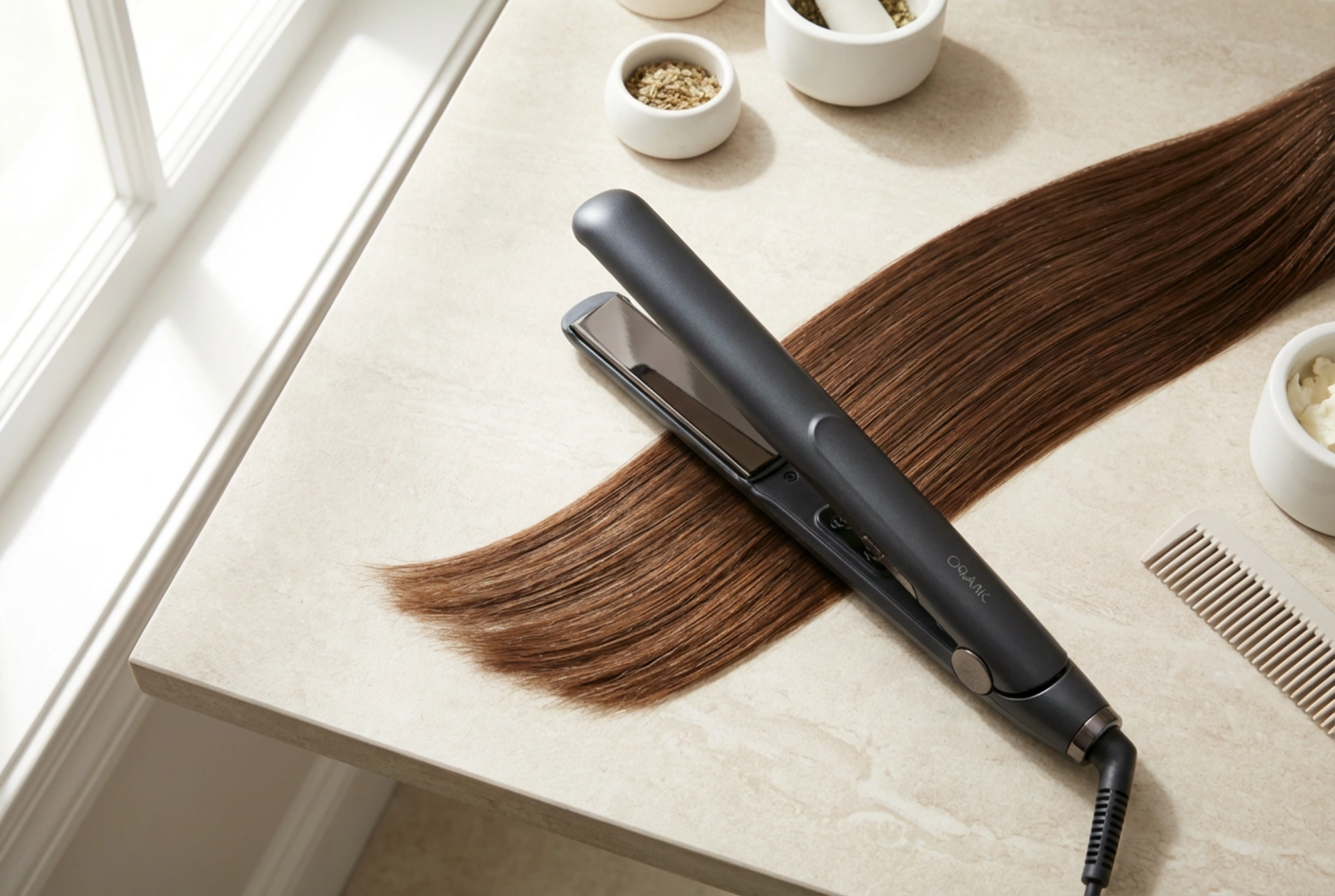


Achieving perfectly straight, glossy hair that radiates effortless beauty often comes down to the quality of the tools we use in our daily routines. A sleek, modern hair straightener, resting amongst minimalist surroundings, represents more than just a styling device; it is the key to sealing in smoothness and replicating salon-grade results at home. When performing at-home keratin smoothing treatments, the choice of straightener becomes even more critical. The process relies heavily on heat to seal the nourishing ingredients into the hair cuticle, meaning that basic models may not deliver the precision required. To achieve that coveted mirror-like shine without compromising the health of your hair, certain key features must be prioritised.
The Power of Precise Temperature Regulation
When it comes to keratin-assisted styling, temperature control is not merely a convenience—it is an absolute necessity. Standard straighteners often operate on a single, pre-set heat level which can either be too low to lock in the treatment or too high, causing unnecessary thermal stress to delicate strands.
For a successful home smoothing process, look for devices with digital temperature displays that allow for precise adjustments in small increments. Different hair textures require specific heat settings:
- Fine or sensitised hair: Requires lower temperatures, typically between 180°C and 200°C, to safely seal the hair shaft.
- Normal to thick hair: Performs best at moderate settings around 200°C to 210°C.
- Coarse or highly textured hair: May require temperatures up to 230°C, but this must be approached with caution and steady movement.
A high-quality heating element that maintains a consistent temperature across the entire plate surface prevents cold spots, ensuring that every pass is equally effective and reducing the need for repetitive strokes over the same section of hair.
Plate Technology: Titanium versus Ceramic
The material of the plates determines how heat is transferred to your hair and how smoothly the straightener glides down each strand. For advanced smoothing routines, two materials stand out: titanium and ceramic.
Titanium plates are highly favoured for keratin-related styling due to their exceptional heat conductivity. They heat up incredibly fast and maintain an ultra-consistent temperature, which is vital when you need to seal a treatment uniformly from root to tip. Additionally, titanium is highly durable and resistant to corrosion from hair products, ensuring the device remains in pristine condition for years.
Ceramic plates, on the other hand, are renowned for their gentle, even heat distribution. They emit far-infrared heat, which penetrates the hair shaft from within, preserving natural moisture. Many high-quality straighteners combine these technologies, featuring ceramic plates infused with tourmaline to naturally generate negative ions. These ions help neutralise static and lock down the outer cuticle layer, resulting in that sleek, light-reflective finish.
Floating Plates and Plate Width
The physical design of the plates plays a significant role in preventing physical damage and ensuring even pressure. Straighteners equipped with "floating plates" feature a flexible suspension system beneath the heating surfaces. This allows the plates to adjust their angle based on the thickness of the hair section being styled.
Floating plates ensure that tension is distributed evenly, preventing the hair from being pinched or snagged during a pass. This smooth glide is essential when working with treated hair, as any unnecessary friction can disrupt the outer layer of the hair shaft.
Furthermore, plate width should match your hair length and density. Standard 1-inch plates offer the most versatility, allowing you to get close to the roots and manage shorter sections easily. For very thick or long hair, wider plates can speed up the process, though they offer slightly less precision near the scalp.
Ergonomics and Safety Features for Comfortable Styling
Because sealing a smoothing treatment involves working through the hair systematically in small sections, the process can take some time. Therefore, the physical design of the straightener should not be overlooked.
A lightweight, ergonomic body reduces wrist fatigue during extended styling sessions. Look for a 360-degree swivel cord of a generous length, which prevents tangles and allows you to reach the back of your head comfortably without restricting your movement. Safety features, such as an automatic shut-off function after 30 to 60 minutes of inactivity, provide peace of mind, while a heat-resistant mat or pouch protects your surfaces during use.
Best Practices for Home Hair Smoothing
To get the most out of your high-performance straightener, proper technique is essential. Always begin with thoroughly dried hair, as styling damp hair at high temperatures can lead to thermal damage. Work in small, clean sections no wider than the plates themselves. Glide the straightener slowly and steadily from the roots to the ends, keeping a consistent speed to avoid overheating any single spot. By combining the right technological features with careful technique, you can enjoy beautifully sleek, glossy, and manageable hair with ease.